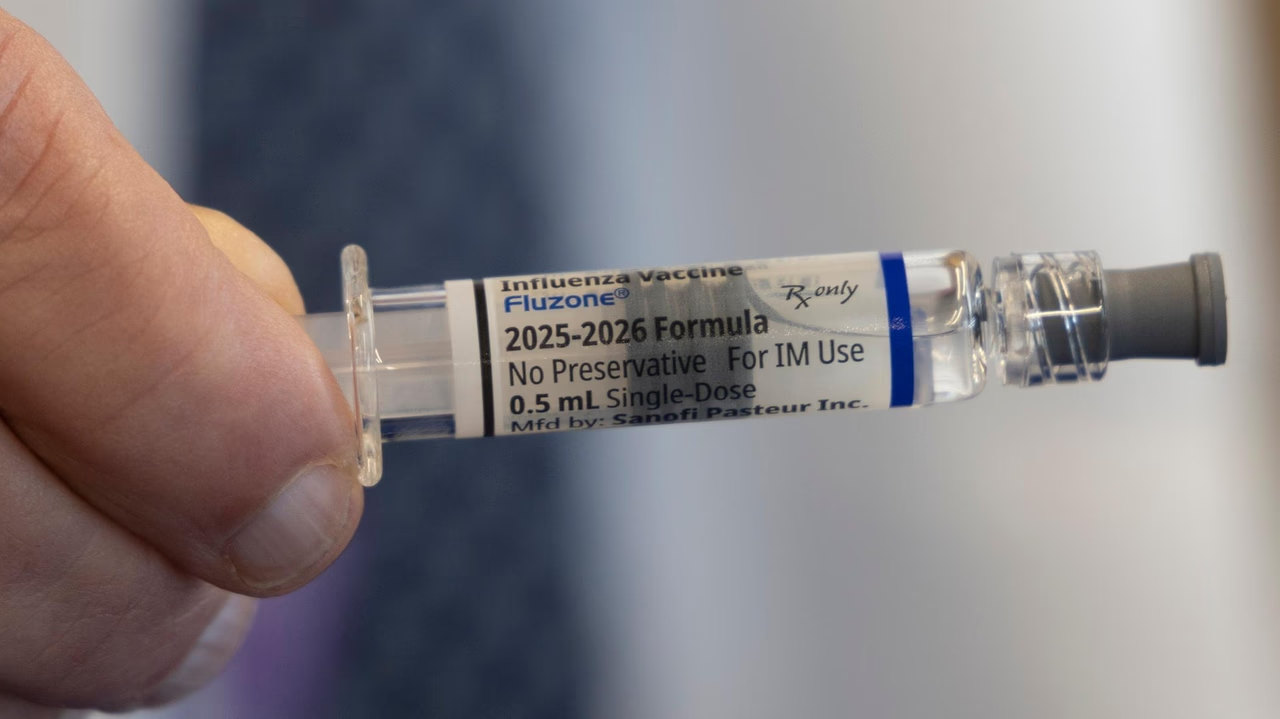
Jamaica reports low flu vaccine uptake despite influenza and SARI levels remaining at seasonal norms, with no reported deaths so far this season. Health officials urge vigilance due to the aggressive flu strain in the US and ongoing travel, emphasizing the importance of vaccination, hygiene, and routine health checks to mitigate risks. Regional health authorities are coordinating outreach and monitoring vaccine distribution, with no shortages reported.
Lab-confirmed flu cases on Long Island more than doubled in a week, indicating a potentially severe influenza season with a significant increase expected in the coming days, driven by rising cases in Nassau and Suffolk counties.
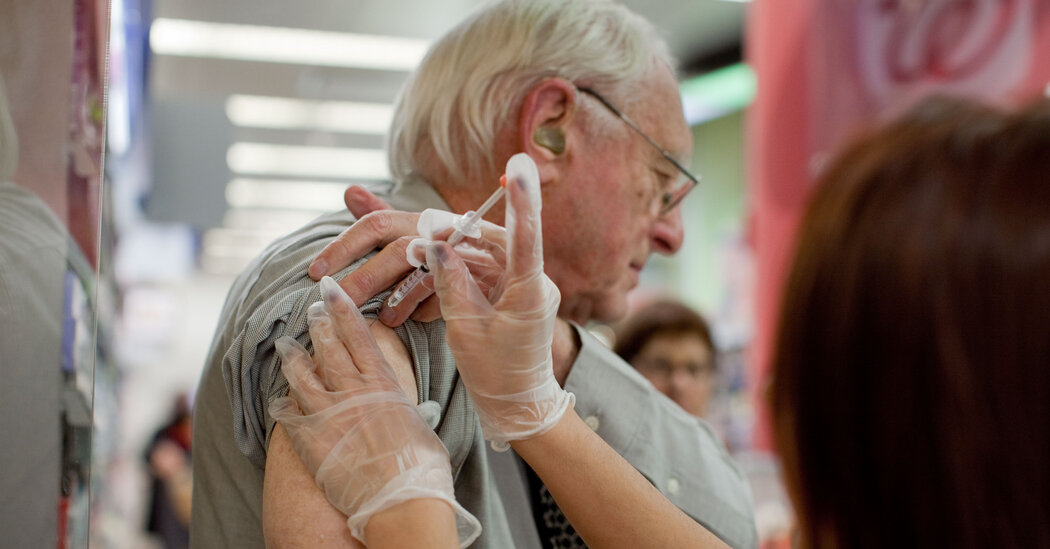
Experts recommend getting the flu vaccine as soon as it becomes available, ideally by the end of October. However, it's better to get vaccinated late than to skip it entirely. Flu season runs from October to May, with a peak usually occurring in February. The vaccine can reduce the severity of symptoms, lower the chances of hospitalization, and save lives, especially in vulnerable groups. Getting vaccinated also helps protect the community by reducing the risk of exposure. Flu vaccines have an excellent safety profile and minimal side effects. It takes about two weeks for the immune system to develop enough antibodies for protection. Children aged 6 months to 8 years getting vaccinated for the first time need two doses spaced a month apart. Flu vaccines are designed to protect against four different strains of influenza. Vaccines are available at pharmacies, doctors' offices, and health departments, and are typically covered by insurance.