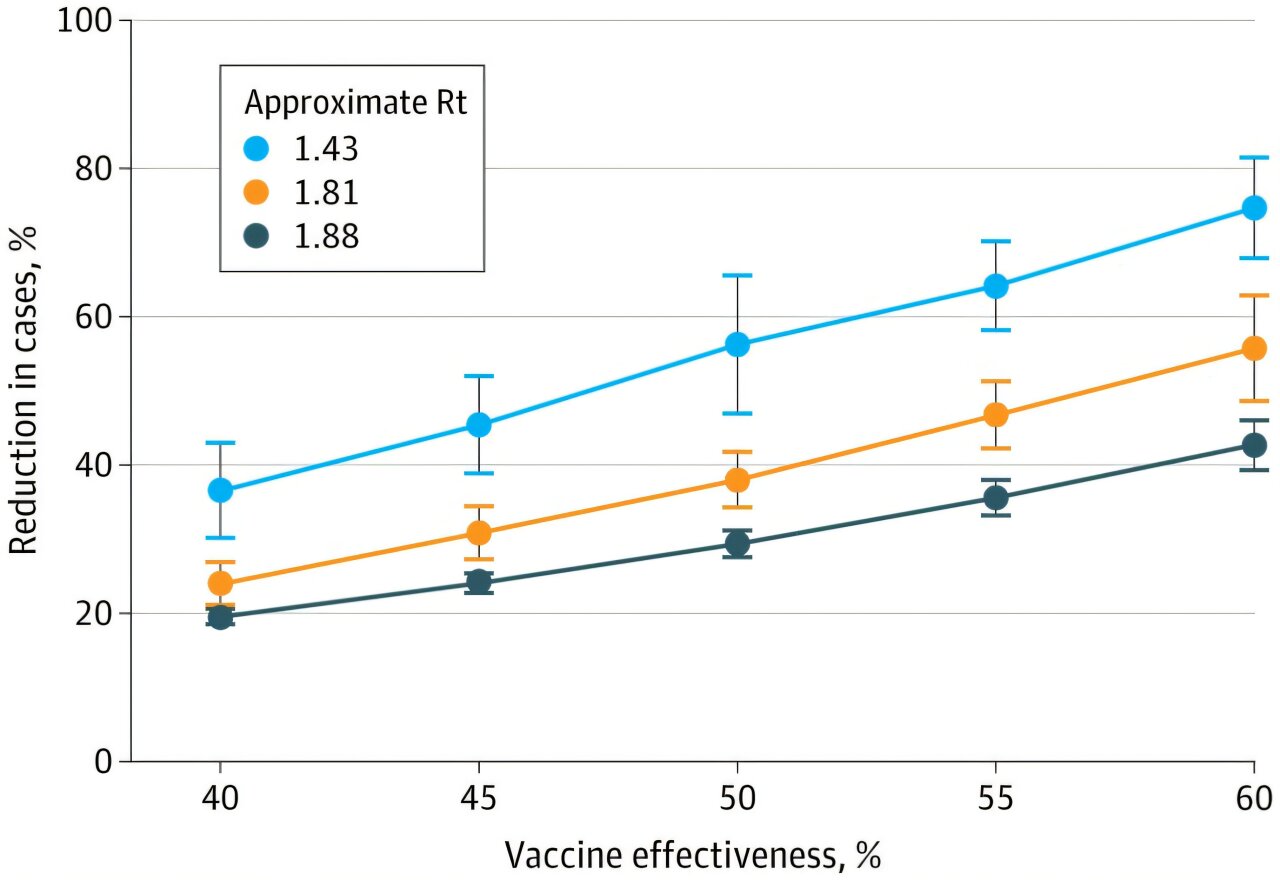
A study using a simulated population found that seasonal flu vaccines prevented approximately 33% to 42% of infections and provided indirect protection to unvaccinated individuals, especially during typical transmission seasons, highlighting the community-wide benefits of vaccination beyond individual protection.
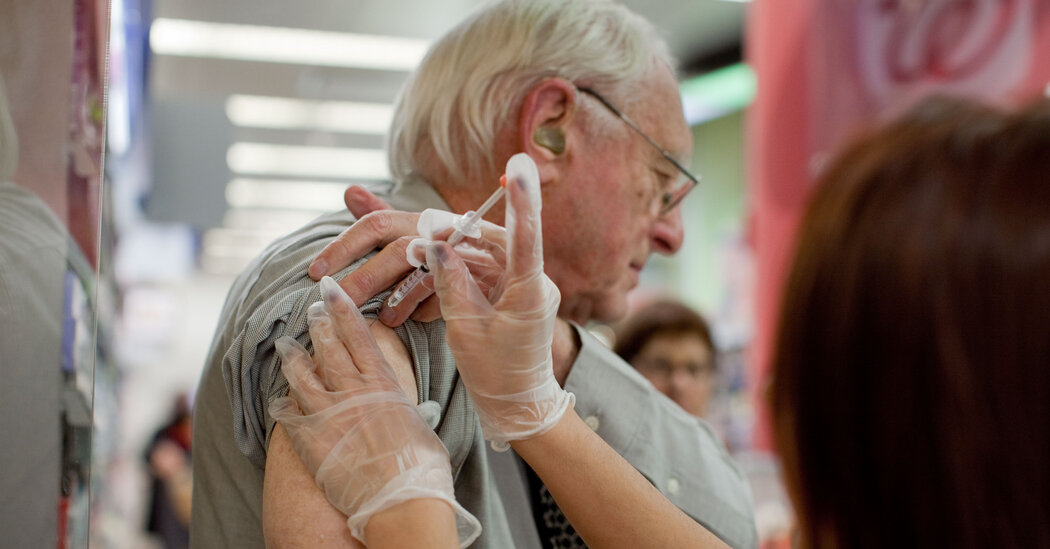
Experts recommend getting the flu vaccine as soon as it becomes available, ideally by the end of October. However, it's better to get vaccinated late than to skip it entirely. Flu season runs from October to May, with a peak usually occurring in February. The vaccine can reduce the severity of symptoms, lower the chances of hospitalization, and save lives, especially in vulnerable groups. Getting vaccinated also helps protect the community by reducing the risk of exposure. Flu vaccines have an excellent safety profile and minimal side effects. It takes about two weeks for the immune system to develop enough antibodies for protection. Children aged 6 months to 8 years getting vaccinated for the first time need two doses spaced a month apart. Flu vaccines are designed to protect against four different strains of influenza. Vaccines are available at pharmacies, doctors' offices, and health departments, and are typically covered by insurance.
Health officials in Fresno County are urging community members to get vaccinated against COVID-19, as the county is experiencing a rise in cases and hospitals are operating at full capacity. The county is expecting a shipment of vaccines in the coming weeks, but many local pharmacies already have them available. In addition to vaccinations, health leaders are emphasizing the importance of other protective measures such as wearing masks, practicing good hygiene, and staying home when sick. The COVID-19 vaccine may become an annual vaccine, similar to the flu shot.