The FDA has issued a warning about certain imported nonstick cookware that may leach toxic lead into food, advising consumers to dispose of affected products and switch to safer, lead-free alternatives made from materials like stainless steel and ceramic coatings.
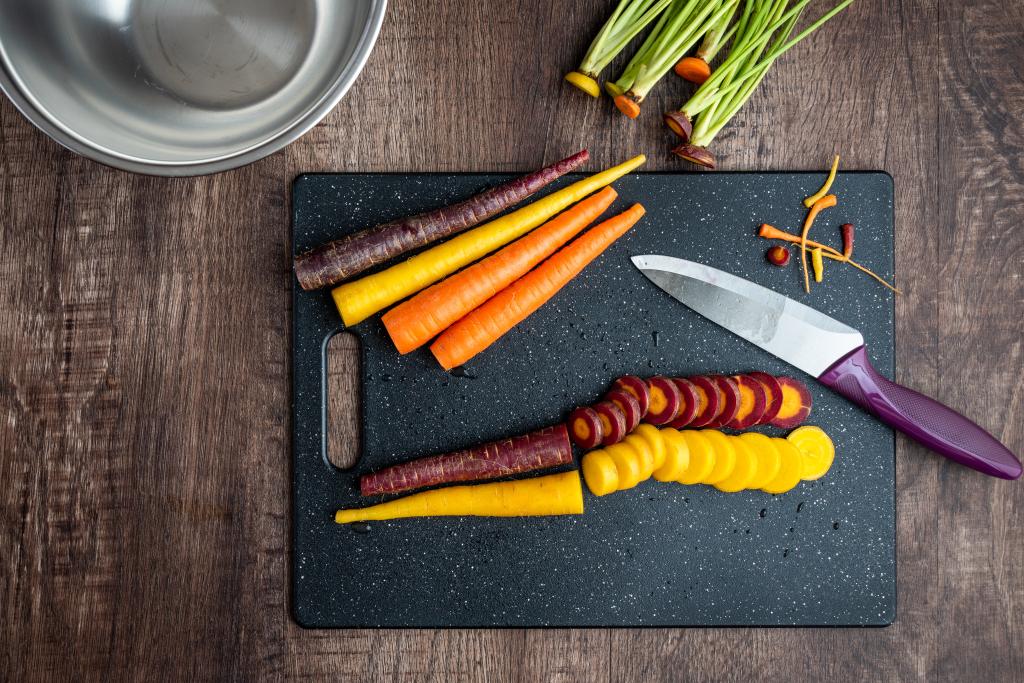
A recent study suggests that plastic cutting boards may be releasing harmful microplastics into food, posing potential health risks such as reproductive issues, digestive problems, and cancer. Experts recommend using wood or metal cutting boards instead, as they are more durable, easier to clean, and more sustainable. Additionally, it's advised to use separate cutting boards for raw meat and other foods to prevent contamination, with bamboo cutting boards being a recommended alternative.
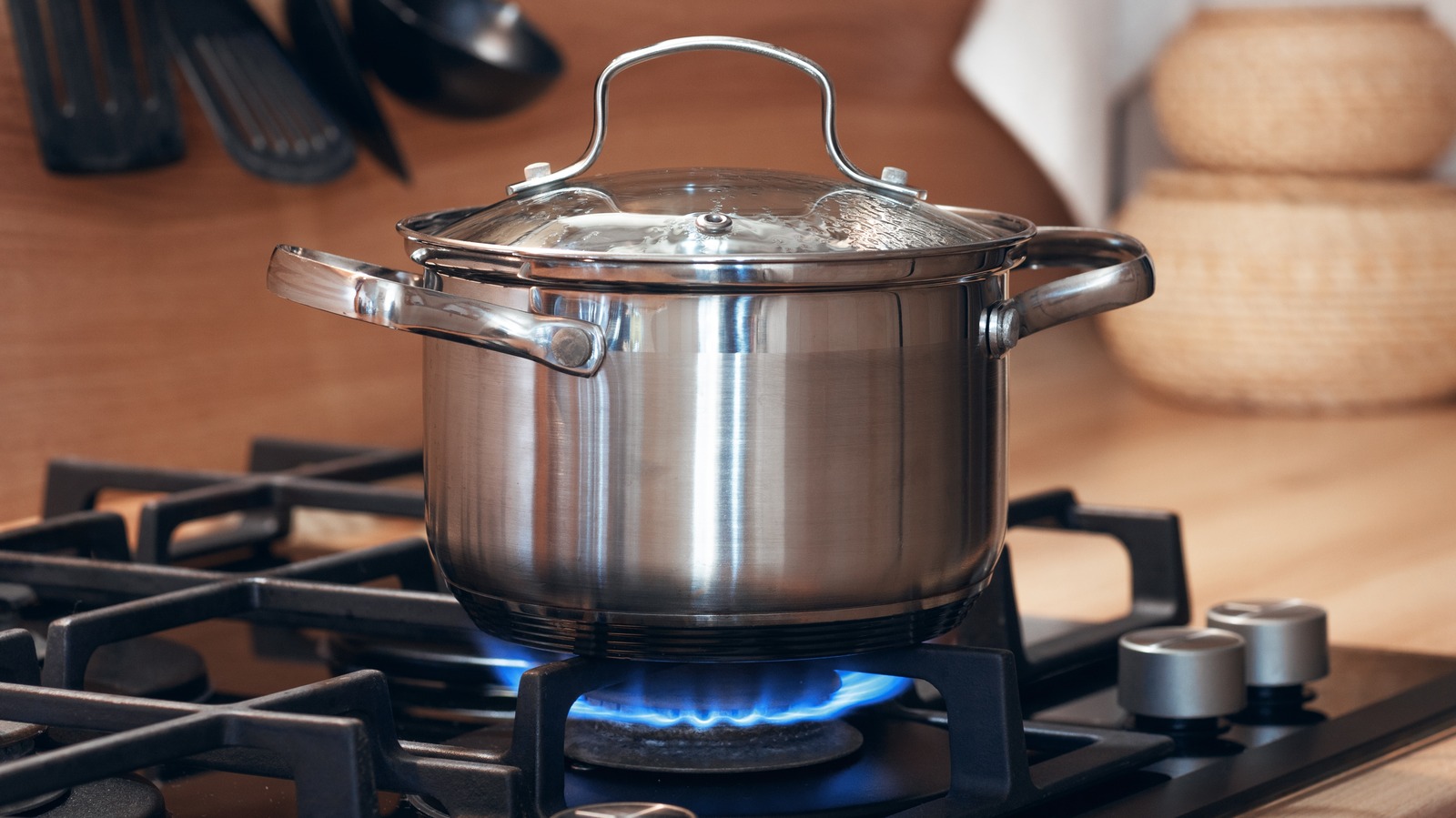
Gas stove tops remain popular despite concerns about their impact on health and the environment. To minimize the risks associated with gas stoves, cooks should remember to use the exhaust fan, check flame color for complete combustion, use appropriate burner sizes, handle temperature settings carefully, and get the stove serviced regularly. Additionally, thorough cleaning, turning off burners, and taking advantage of the naked flames are essential for safe and effective gas stove cooking.
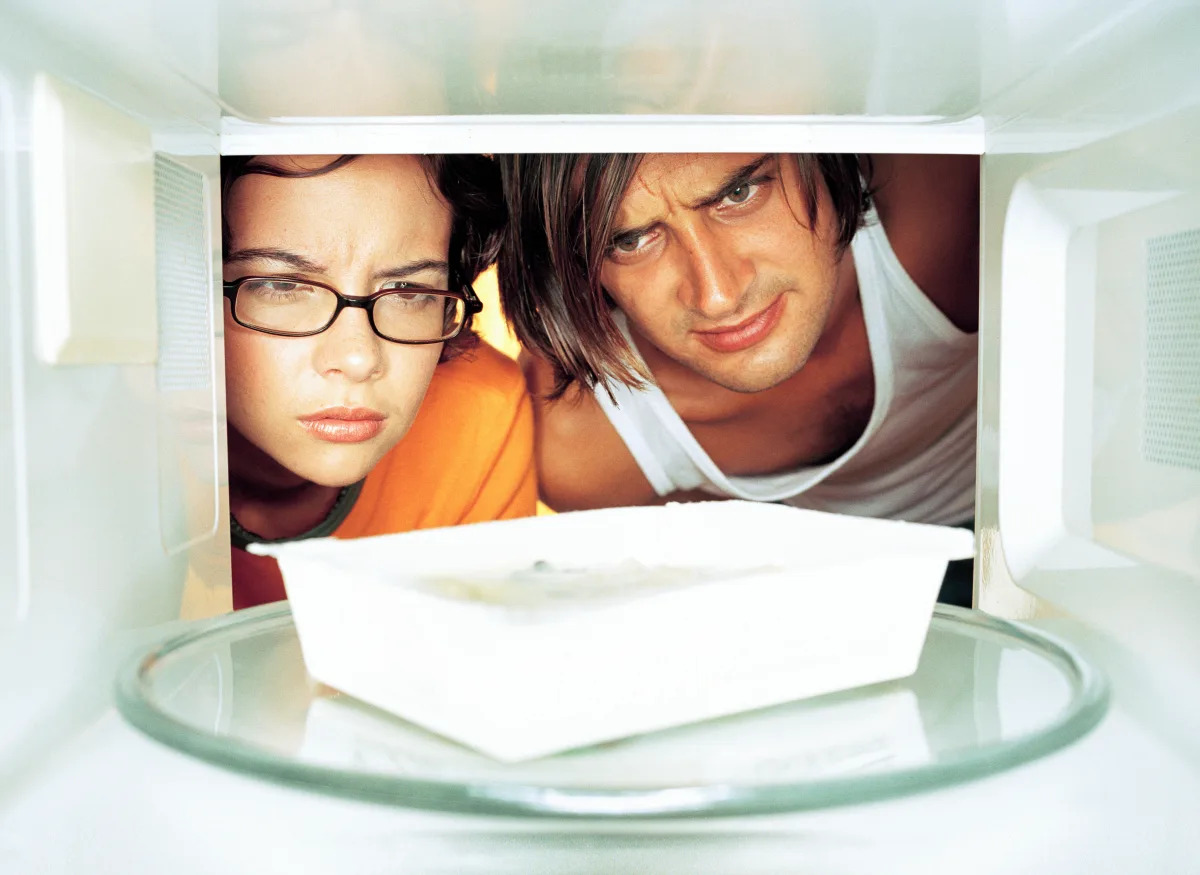
Experts say that standing in front of a properly functioning microwave is safe, as the electromagnetic radiation it emits remains confined to the appliance and does not cause radioactivity in food or people. The FDA regulates microwave ovens to ensure safety, and the only risk comes from damaged devices potentially emitting harmful waves. Using microwave-safe materials and handling hot items with care are important for avoiding burns, but overall, there is no significant reason to fear using a microwave.
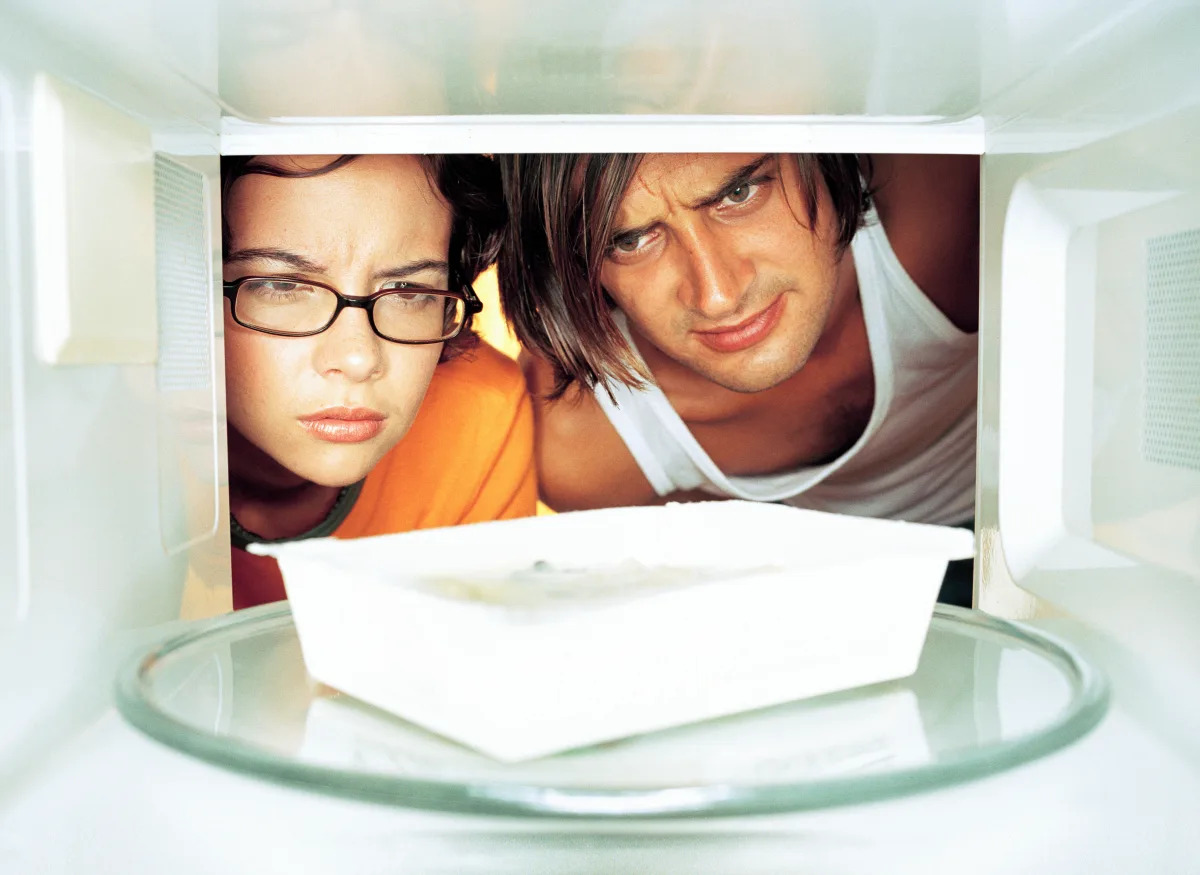
Experts say that standing in front of a properly functioning microwave is safe, as the electromagnetic radiation it emits remains confined to the appliance and does not cause radioactivity in food or people. The FDA regulates microwave ovens to ensure safety, and the risk of harm only arises if the oven is damaged and leaking radiation. Using microwave-safe materials and handling hot food with care are important for avoiding burns, but there is no real reason to fear using a microwave as long as it is in good condition and used properly.
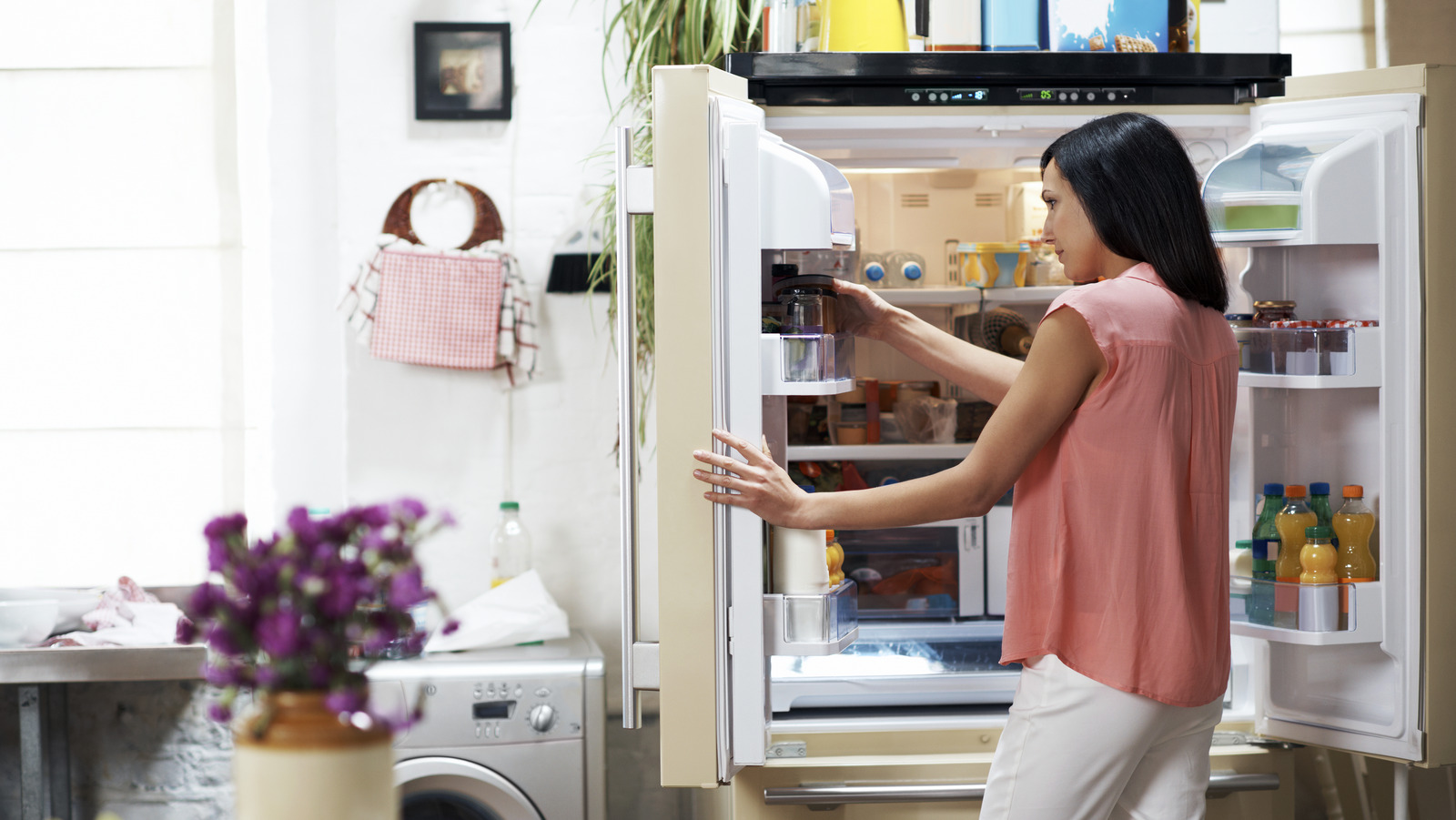
Storing items on top of the refrigerator can obstruct ventilation, leading to overheating and potential fire hazards, while also posing risks of falling objects and clutter. To maintain a safe and functional kitchen, it's important to keep the top of the fridge clear, especially of heavy items, and periodically inspect and organize the space to ensure proper ventilation and minimize hazards.
Clay Fire Department offers safety tips for holiday cooking, emphasizing the importance of removing flammable materials from the cooking area, rolling up sleeves, and turning pot handles inward to prevent accidents. In case of a fire, turn off the heat, cover the flames with a lid to remove oxygen, or use a fire extinguisher if necessary. Frying turkeys is a common cause of grease fires, so it is advised to fry them outside and ensure the turkey is fully thawed. Michigan and Indiana rank high in grease and cooking fires. It is crucial to know how to use a fire extinguisher, check smoke detectors, and call 911 for help if needed. Clay Fire Department raises awareness by changing the lights on a wreath outside for every preventable fire encountered, urging people to take precautions to avoid fires during the holiday season.