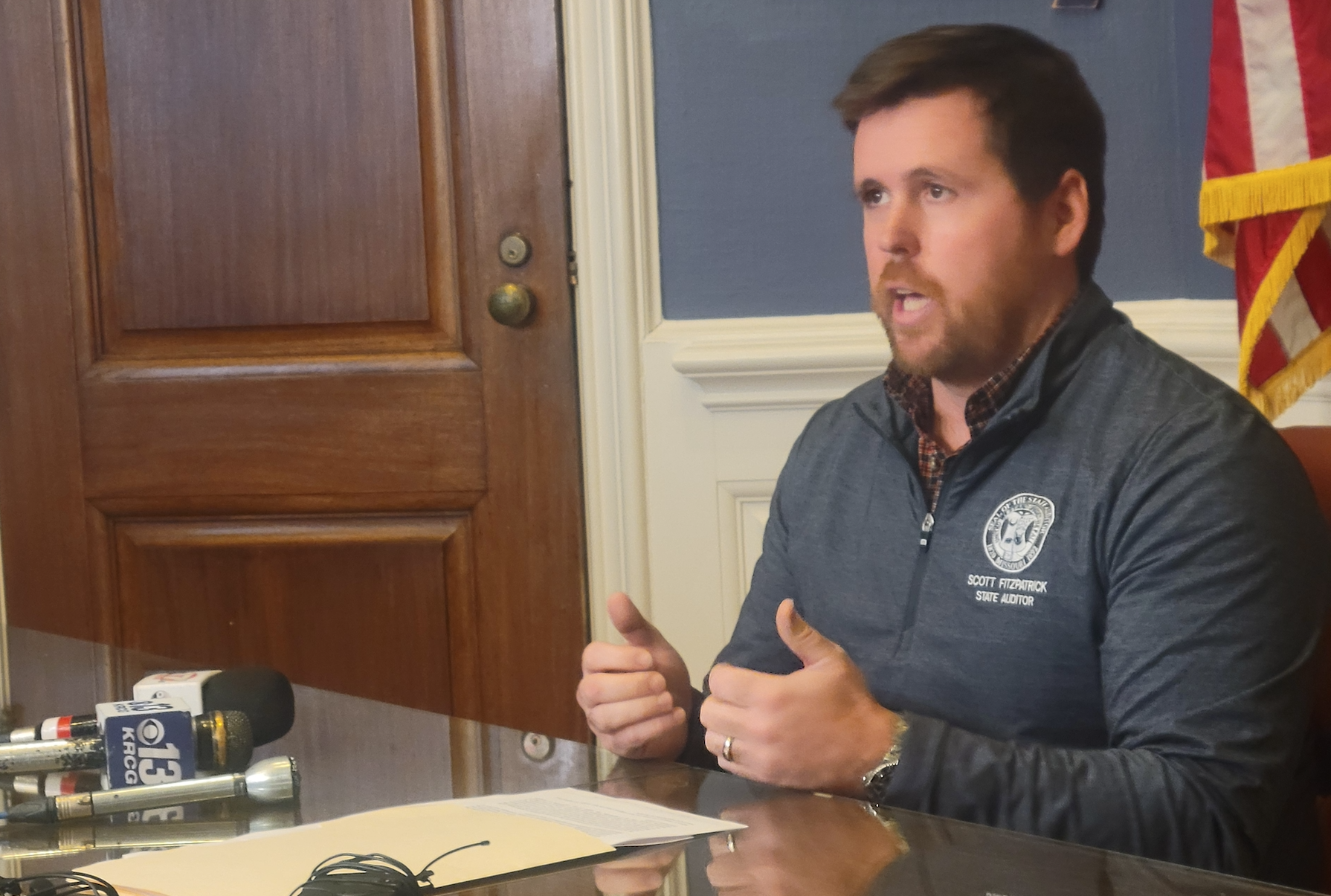
Missouri's record $5.8 billion surplus is projected to be depleted by mid-2028 due to rising spending and declining revenues, with potential faster depletion if a recession occurs, prompting calls for budget adjustments to avoid drastic cuts.
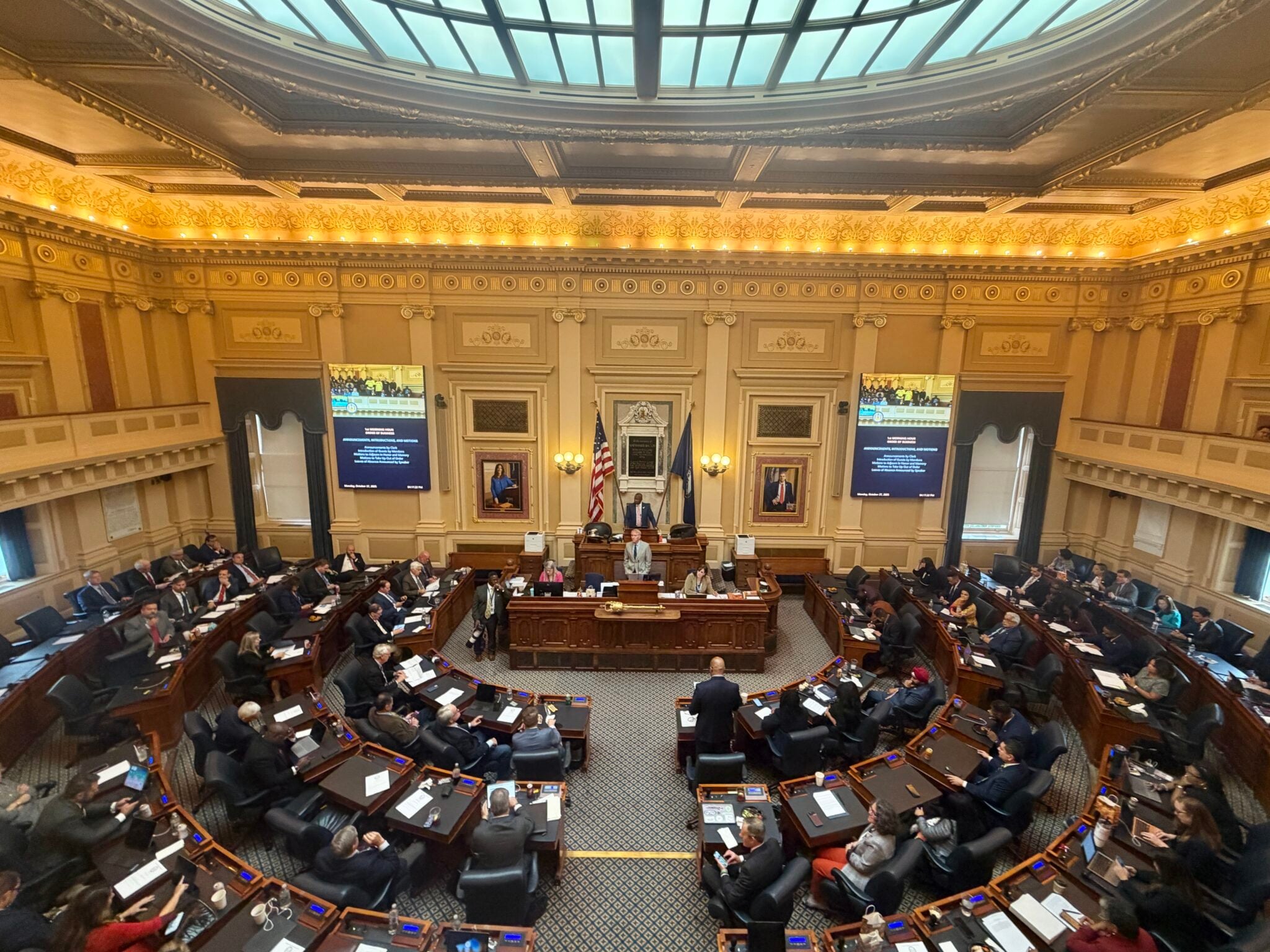
In 2013, Virginia Republicans attempted a mid-decade redistricting to favor their party, but the plan was halted by House Speaker Bill Howell, highlighting the intense partisan tactics involved in district boundary redrawings and foreshadowing similar strategies in 2026.
The article criticizes Idaho's political leaders for their lack of response to President Trump's policies that harm American farmers, particularly in beef and soybean industries, highlighting a historical contrast with past politicians who defended local interests.
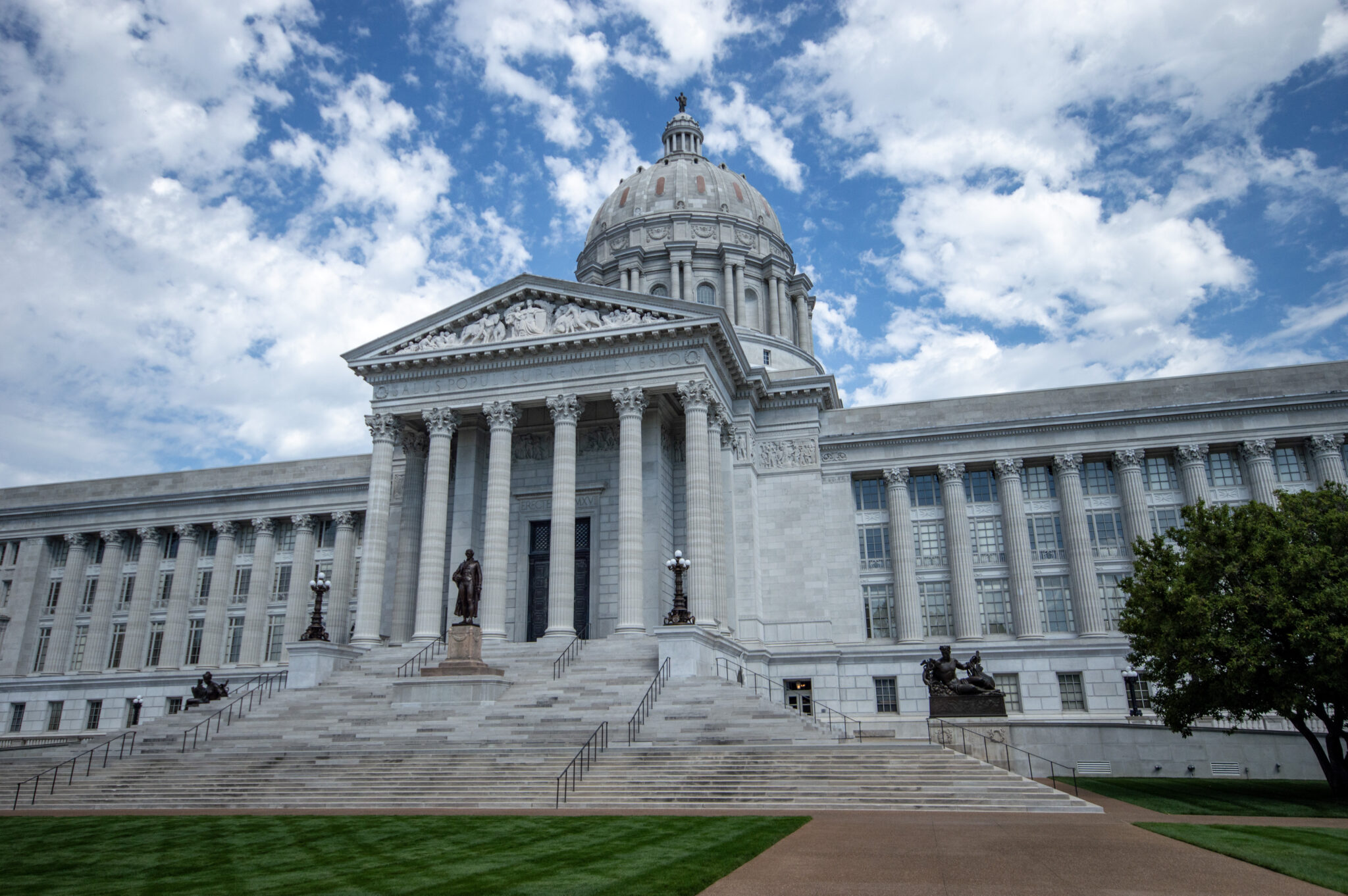
Missouri Republicans are preparing to redraw congressional districts, with a new map circulating from Washington, D.C., aiming to favor GOP interests and potentially increase their House seats from six to seven. A special legislative session is expected once national party agreements are reached, with the process influenced by efforts from President Trump and the RNC to reshape districts, especially the 5th District in Kansas City. The redistricting aims to maintain Republican majorities amid political and demographic considerations, but faces challenges from Democrats and intra-party disputes.
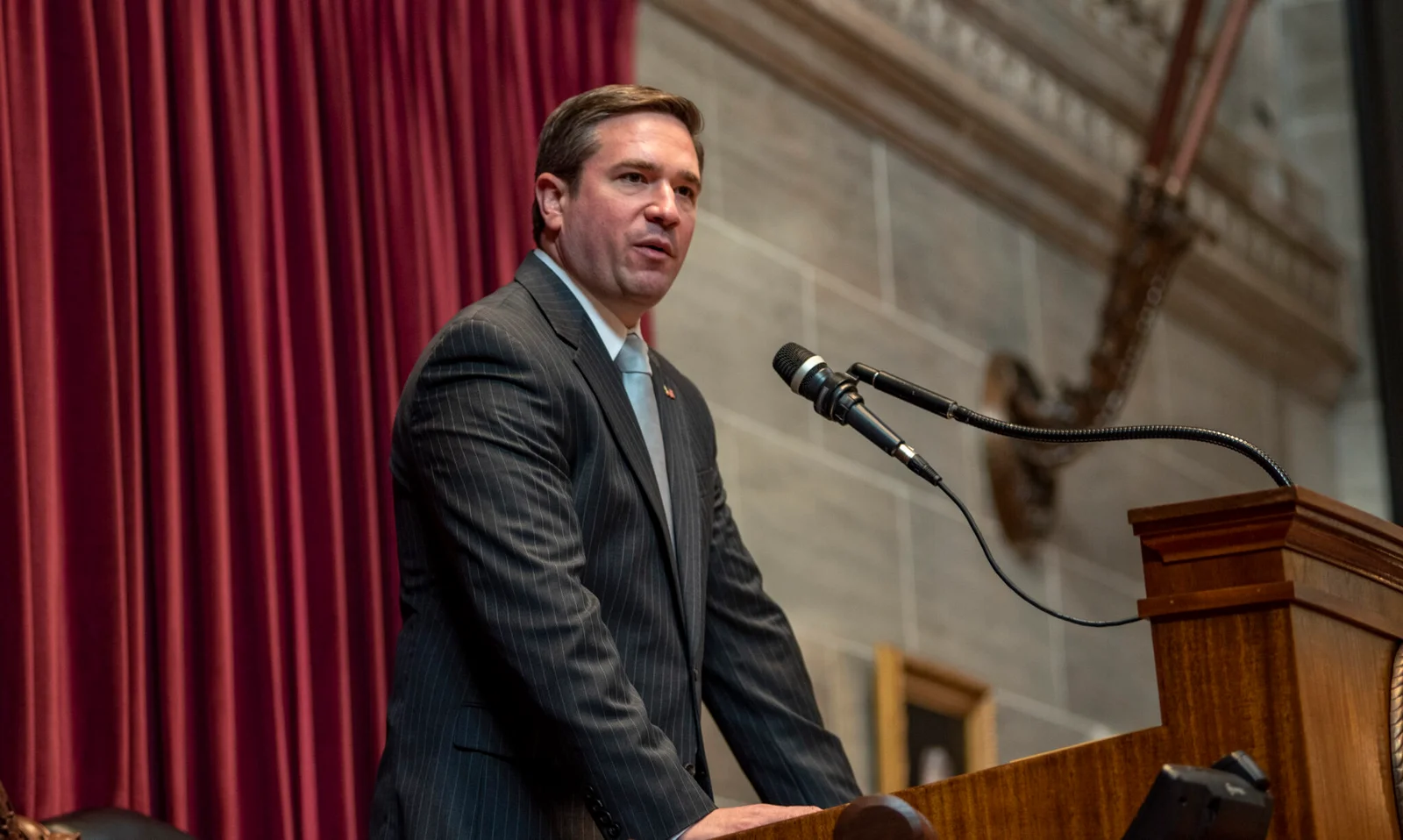
Catherine Hanaway, a former Missouri House Speaker and federal prosecutor, has been appointed as Missouri's first female attorney general, succeeding Andrew Bailey, and plans to serve the remainder of his term while seeking a full term in 2026. She is involved in ongoing litigation related to the Grain Belt Express transmission project and emphasizes her commitment to protecting Missourians and fighting crime.
Andrew Bailey is stepping down as Missouri attorney general to join the FBI as co-deputy director, ending a tenure marked by confrontations with federal and local officials, high-profile lawsuits, and loyalty to Donald Trump, with his replacement to be appointed by Governor Mike Kehoe.
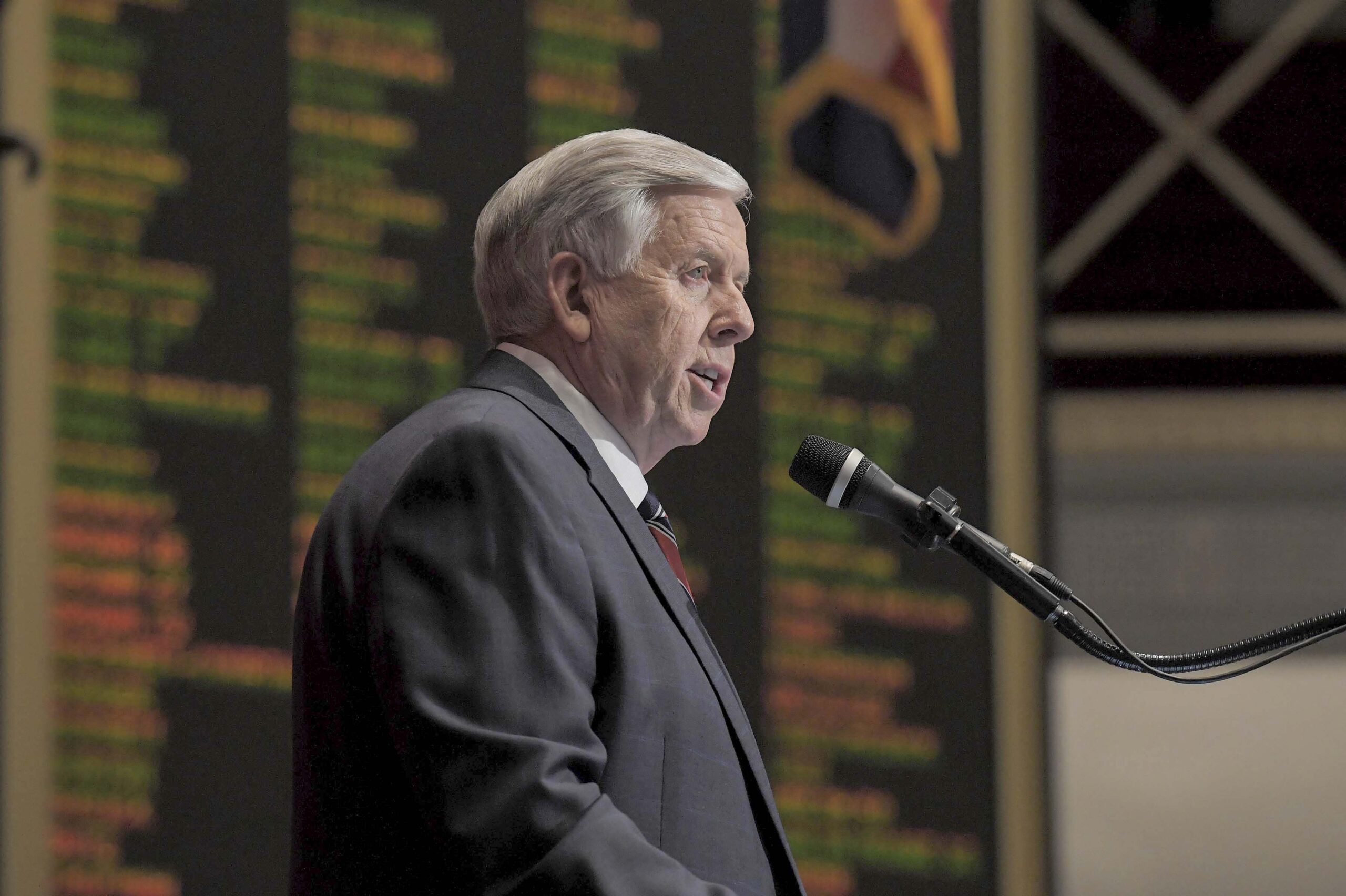
Missouri Governor Mike Parson has vetoed $550 million in state spending from the $51.8 billion budget approved by lawmakers, citing the need to maintain the state's strong financial position despite an $8 billion surplus. Parson made 201 vetoes, reducing some lines and eliminating items entirely, with a focus on earmarked spending. While he approved several initiatives, including expanding a plan for widening portions of Interstate 70, Parson also cut funding for road projects and a loan for pollution controls. The governor emphasized spending on transportation and infrastructure, but his veto pen hit some projects not in the Missouri Department of Transportation's plan or identified as regional priorities.
Idaho Governor Brad Little signed House Bill 71 into law, which bans gender-affirming care for transgender youth and makes it a felony for medical practitioners to help minors seek gender-affirming treatment. Little's office received more than 14,800 emails and calls in favor of the bill and more than 6,500 calls and emails asking Little to veto the bill. Conservative groups urged Idahoans to voice support for the bill, while community organizations worked on a campaign to veto it.