Soybean farmers in the U.S. are suffering due to China's reduced soybean purchases amid escalating trade tensions, relying less on U.S. exports and shifting towards South American imports, which threatens the future of American soybean markets despite some government aid.

Iowa soybean and cattle farmers are facing economic challenges due to trade disruptions with China and policy changes, including a plan to increase beef imports from Argentina, which has caused cattle prices to drop. Despite efforts to support farmers with aid and new trade agreements, farmers remain uncertain about their future as prices fluctuate and supply chain issues persist.
Treasury Secretary Scott Bessent, also a soybean farmer, expressed his shared pain with farmers affected by China's halt on U.S. soybean purchases due to the trade war, and discussed a potential deal with China that could include relief for farmers.
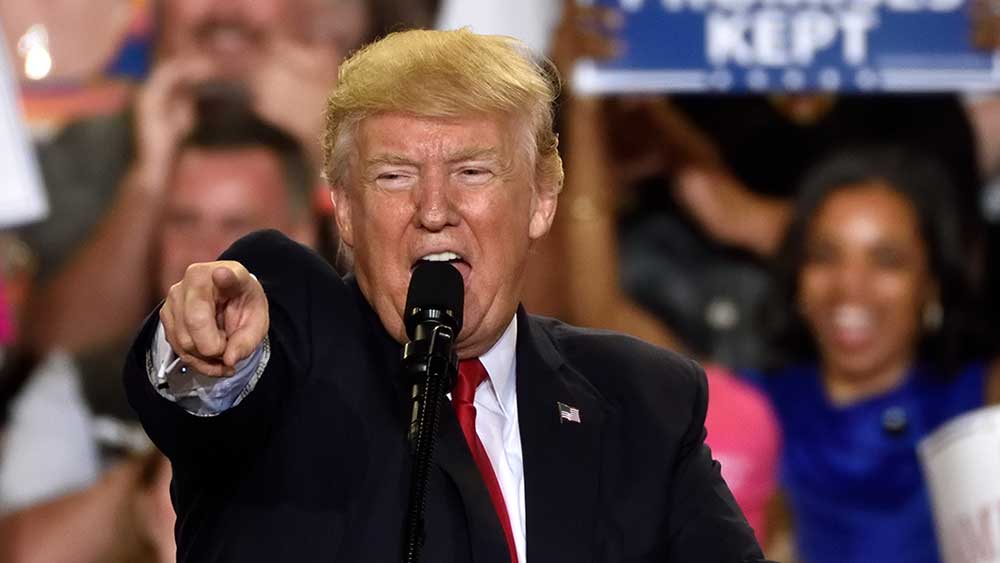
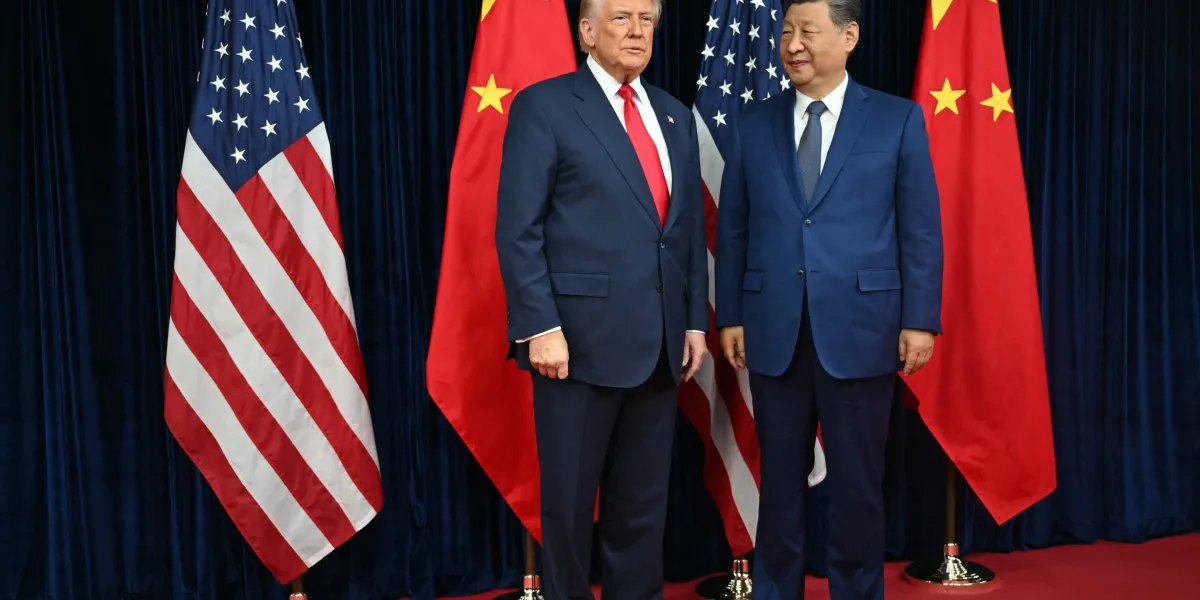
President Trump imposed an additional 100% tariff on China following a stock market sell-off triggered by China's tighter rare-earth export restrictions, leading to broad market declines and impacting stocks with China and AI exposure, while keeping open the possibility of a meeting with Xi Jinping.
Mass layoffs of US federal workers have begun amid a government shutdown, while President Trump threatens to impose 100% tariffs on China and deploy National Guard troops in Memphis, as tensions escalate both domestically and internationally.
US soybean farmers are facing significant challenges due to China's boycott of American soybeans in retaliation for tariffs imposed by the US, leading to economic strain and calls for long-term trade agreements rather than short-term aid, amid ongoing trade negotiations between the US and China.
John Deere's profits and sales are declining due to tariff instability and the China-U.S. trade war, leading to layoffs and cautious customer spending, although potential benefits from recent tax breaks and domestic manufacturing resilience may offer some relief.
Nvidia's stock fell 1.2% amid concerns over a potential new trade war with China and a mixed post-earnings outlook. Despite strong third-quarter results, Nvidia's future projections did not fully satisfy Wall Street expectations. Analysts suggest that while the immediate impact of potential tariffs on semiconductors may be minimal, broader trade tensions could pose a larger threat. Nvidia remains a leader in AI chips, with a significant technological lead over competitors.