The U.S. Treasury has sanctioned key affiliates of the Venezuelan terrorist group Tren de Aragua, including entertainment industry figures like 'Rosita' for supporting drug trafficking, money laundering, and other criminal activities, as part of ongoing efforts to combat transnational criminal organizations.
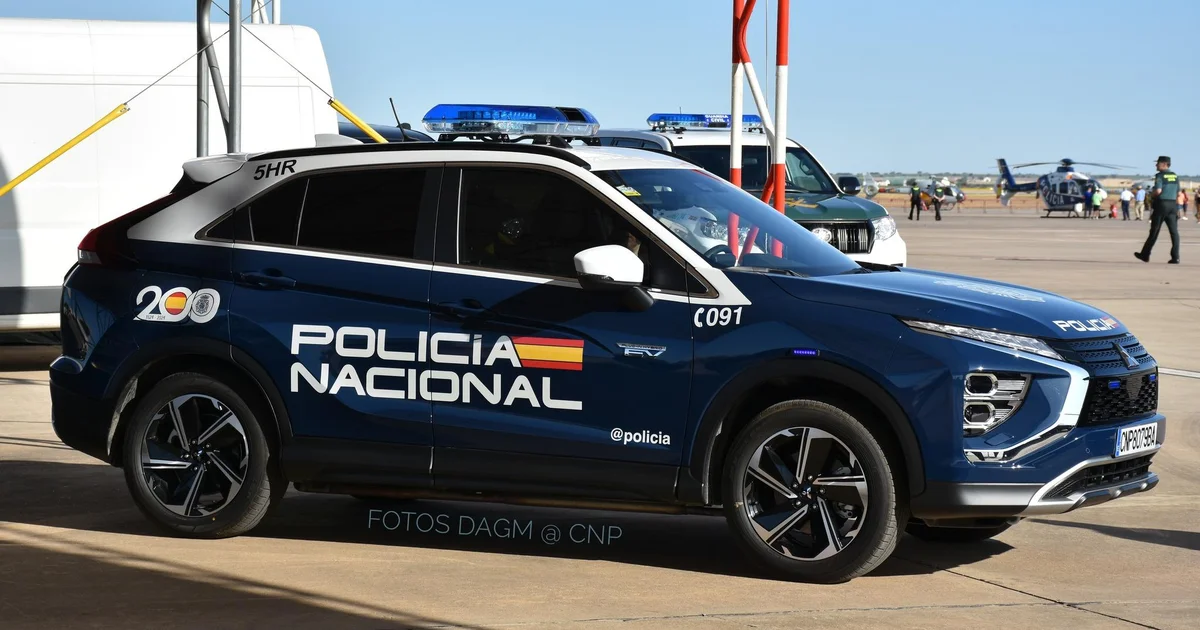
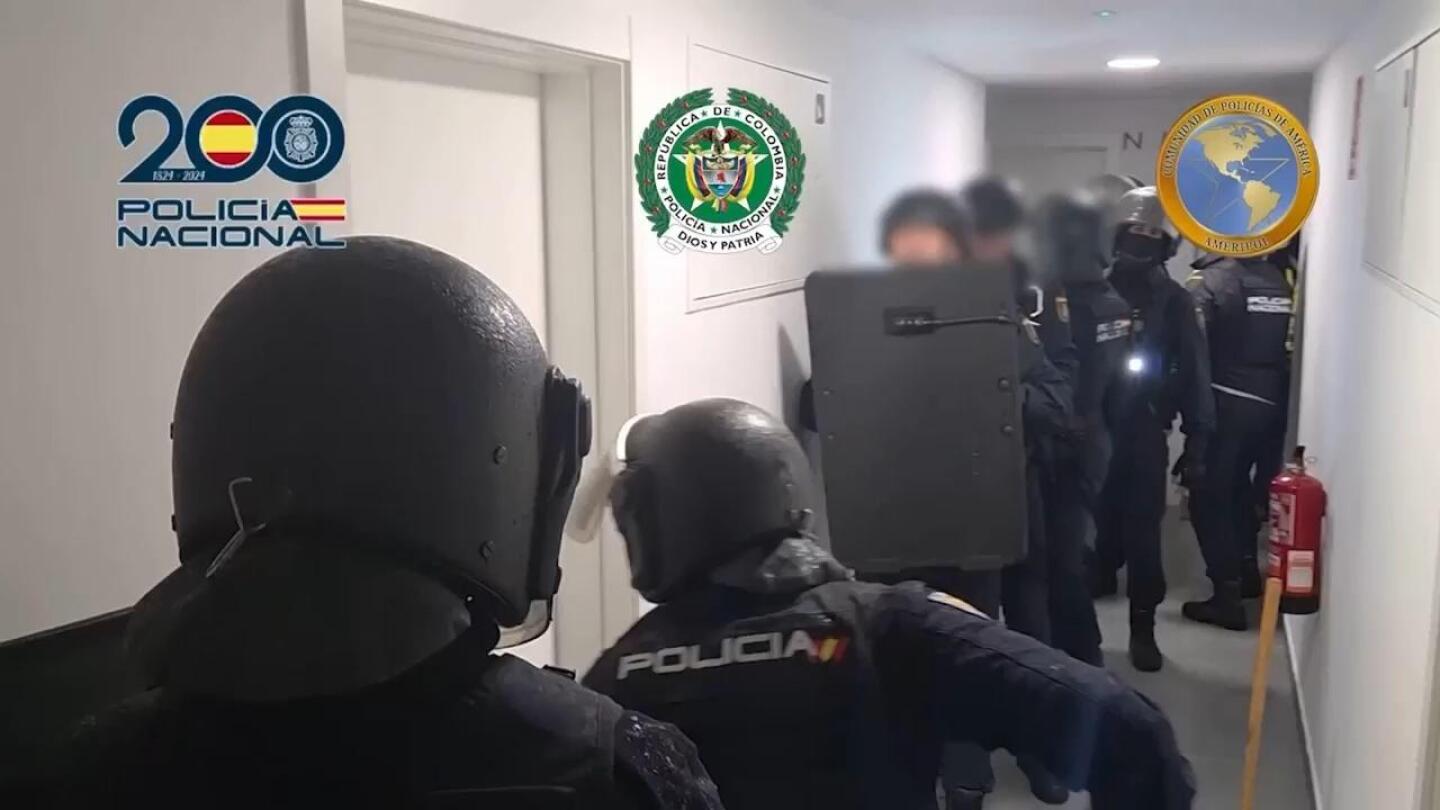
Spanish police arrested 13 members of the Venezuelan gang Tren de Aragua across five cities, seizing drugs and dismantling laboratories, as part of an investigation linked to the gang's international activities and its designation as a terrorist organization by the US. The gang originated in Venezuela and has expanded globally amid economic turmoil.
Spanish police arrested 13 suspected members of the Venezuelan Tren de Aragua gang, seized drugs, and dismantled two laboratories in a crackdown linked to the gang, which is designated a terrorist organization by the U.S. and involved in international drug trafficking. The operation followed an investigation triggered by the arrest of the gang leader's brother in Barcelona, highlighting the gang's expansion from Venezuela to Spain and other regions.
A federal task force in Memphis has arrested 93 individuals, including a member of the Venezuelan Tren de Aragua gang, seizing 28 illegal guns, as part of a crackdown on crime in the city, with high-profile officials emphasizing zero tolerance for criminal activity.
President Donald Trump announced that the U.S. military targeted a boat allegedly carrying drugs from Venezuela, killing three people, as part of ongoing efforts to combat drug trafficking by Venezuelan cartels like Tren de Aragua. The strikes follow a previous attack that killed 11, amid debates over their legality and executive authority, with U.S. officials asserting these actions are necessary to protect national security from drug-related threats.
The US military targeted a vessel off Venezuela believed to be involved in drug trafficking, but new details reveal the boat was heading back to shore and may not have been engaged in illegal activity at the time. The strike has raised legal and political questions, with critics questioning the justification and legality of the action, and Venezuela condemning it as murder.
An alleged drug-smuggling boat from Venezuela was reportedly turning back when it was hit by the U.S. military, which claimed the vessel was operated by the Tren de Aragua gang. Venezuelan officials denied casualties from the strike, and the U.S. justified the action as part of its efforts to combat drug trafficking, asserting it acted within constitutional authority. The incident highlights ongoing tensions and U.S. efforts to curb drug trafficking in the region.
Venezuela denies that the 11 people killed in a US military strike on a Caribbean boat were members of the Tren de Aragua gang, criticizing the US for using lethal force without proper justification, while Venezuela increases military readiness amid heightened tensions with the US.
The U.S. military conducted a strike on a boat off Venezuela, allegedly linked to the Tren de Aragua gang, as part of broader efforts to combat drug trafficking and gang violence in the region. The gang, originating from Venezuela, has expanded its criminal activities across Latin America, and the U.S. has designated it a terrorist organization, with the strike signaling a more aggressive stance against such groups. The Venezuelan government questioned the attack, while U.S. officials emphasized the threat posed by drug traffickers.
A federal appeals court blocked Trump's attempt to use the 18th-century Alien Enemies Act to deport members of the Venezuelan gang Tren de Aragua, ruling that the administration's claim of an invasion was unfounded and emphasizing the importance of judicial oversight in immigration enforcement.
A senior US defense official led a thinktank that spread false information about the Venezuelan gang Tren de Aragua, with the organization publishing fabricated crime reports. The appointment coincides with increased US pressure on Venezuela, including accusations of gang ties and military threats, despite skepticism from intelligence agencies about the veracity of these claims.
The U.S. Department of the Treasury has sanctioned Hector Guerrero and five other leaders of Tren de Aragua, a Venezuelan-originated terrorist organization involved in drug trafficking, human smuggling, extortion, and other criminal activities, aiming to dismantle its influence across the Western Hemisphere.
Two members of the Venezuelan gang Tren de Aragua were arrested in New York City for their involvement in a drug and credit card scam, along with the possession of an arsenal of weapons. The suspects, Denyeer Aramillo Meneses and Edison Pena Angulo, were part of a larger group of 15 gang members involved in various criminal activities, including drug sales and credit card fraud. The arrests highlight the gang's growing presence in the U.S., facilitated by lax border controls, and have raised concerns among residents.
The Tennessee Bureau of Investigation has warned about the presence of the Venezuelan gang "Tren de Aragua" in major cities across the state, primarily involved in human trafficking. However, Knox County Sheriff Tom Spangler stated that their gang unit currently has no active investigations related to this gang, nor are there any identified members in local correctional facilities. The TBI's alert aims to raise awareness, although the situation is not yet considered a direct threat to residents.
A migrant accused of shooting two NYPD officers is suspected of being a member of the violent Venezuelan gang Tren de Aragua. Bernardo Castro Mata, 19, who entered the US illegally and had his asylum case dismissed, was living in a Queens migrant shelter before the incident. Authorities believe such shelters are becoming breeding grounds for gang culture. Mata, identified by a gang-related tattoo, is also a suspect in multiple violent robberies. The gang is notorious for its cruelty and criminal activities, including drug-dealing and human trafficking.