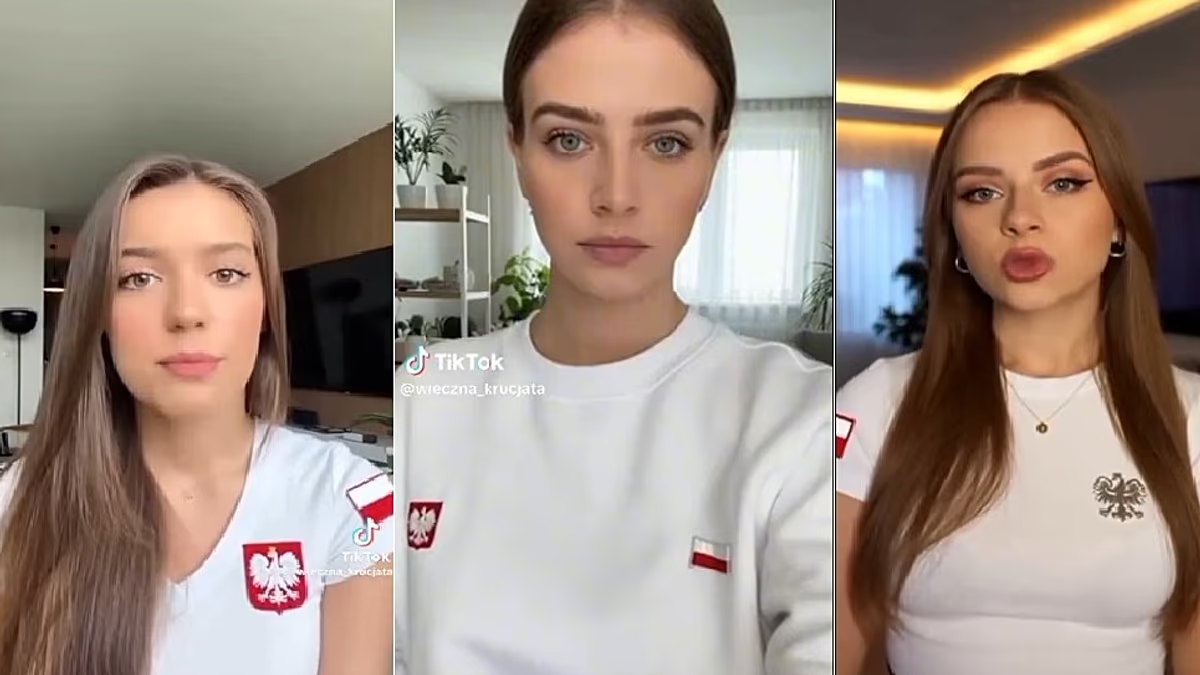
AI-generated videos featuring non-existent young women promoting Poland's exit from the EU have appeared on social media, targeting young audiences with pro-Polexit messages. These videos, some of which show signs of artificial intelligence use, are part of disinformation campaigns possibly linked to various groups, and highlight the need for better AI regulation and detection on platforms like TikTok and YouTube.
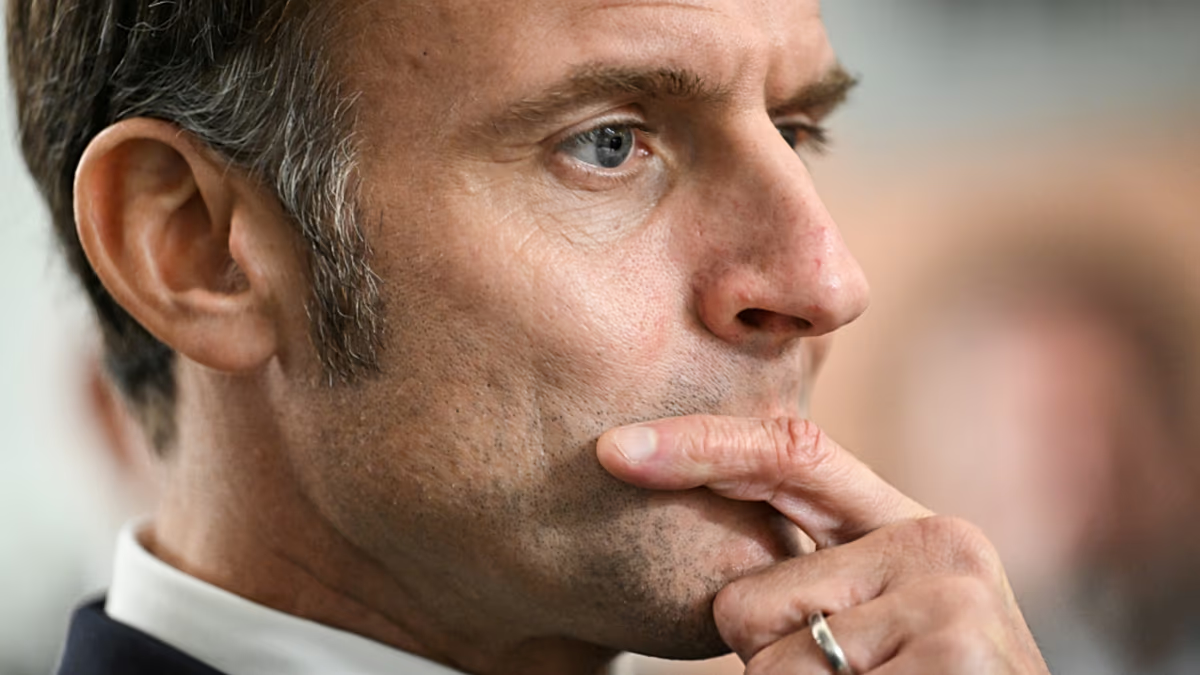
A fake AI-generated video falsely depicting a coup in France and Emmanuel Macron's overthrow went viral, causing political concern. Macron sought its removal from Facebook, but the platform declined, highlighting challenges in combating deepfake content. The video was created using advanced AI technology, raising alarms about misinformation and the potential for manipulation on social media.
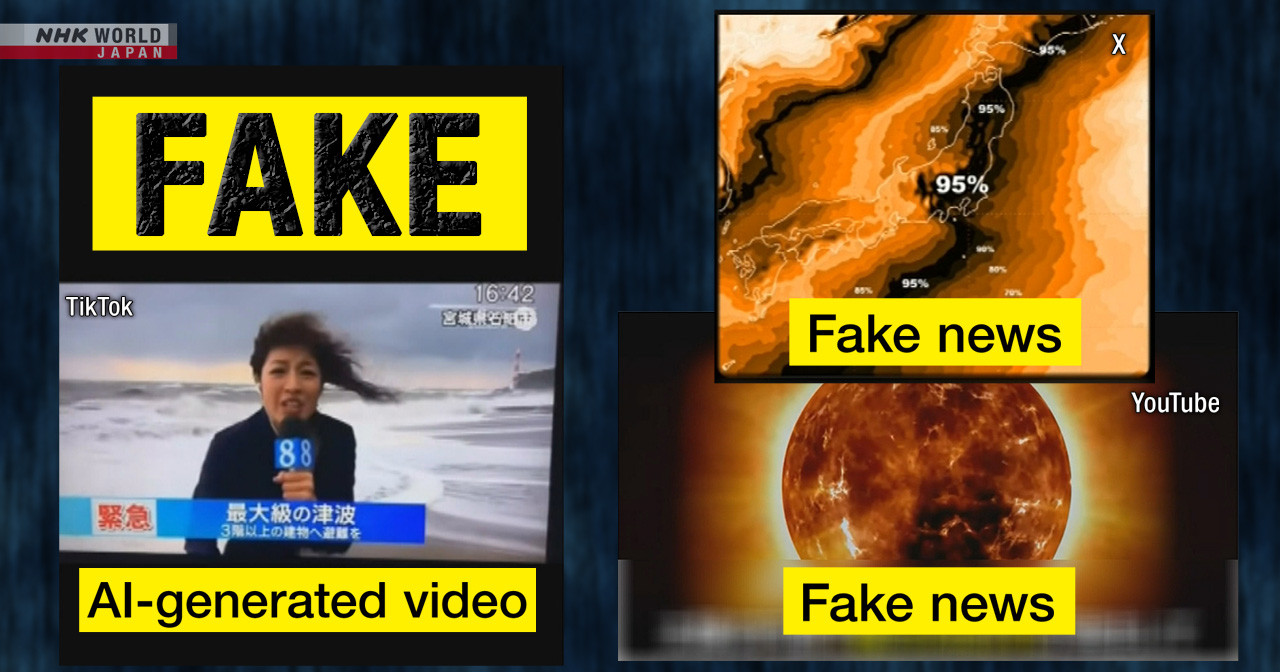
Following a major earthquake in northern Japan, fake news and AI-generated videos spread rapidly on social media, often exploiting public anxiety and seeking attention or profit. Authorities warn against unverified information and advise relying on trusted sources to prevent misinformation from affecting disaster response and socio-economic stability.
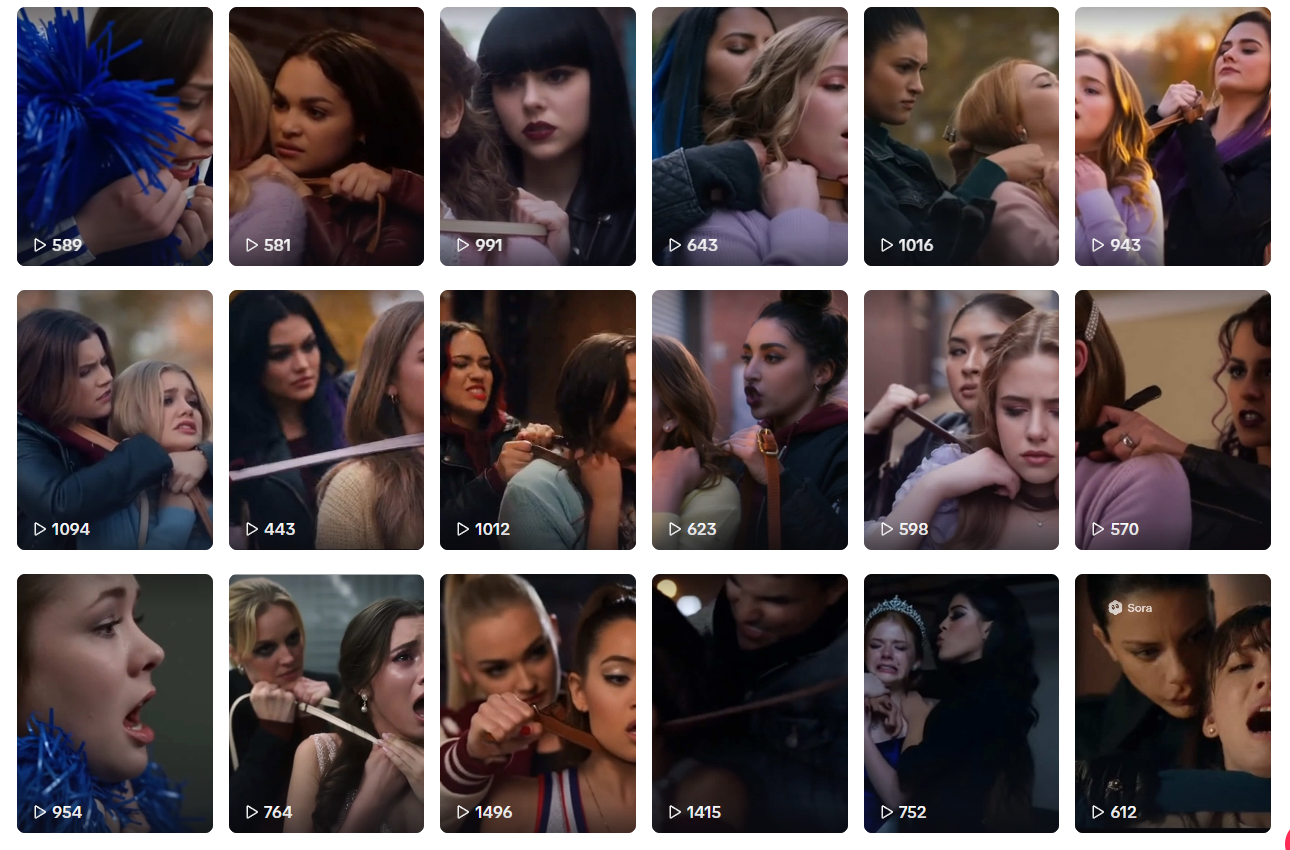
Social media platforms like TikTok and X are being flooded with AI-generated videos depicting violence against women, highlighting ongoing challenges in moderating harmful content created with generative AI tools.
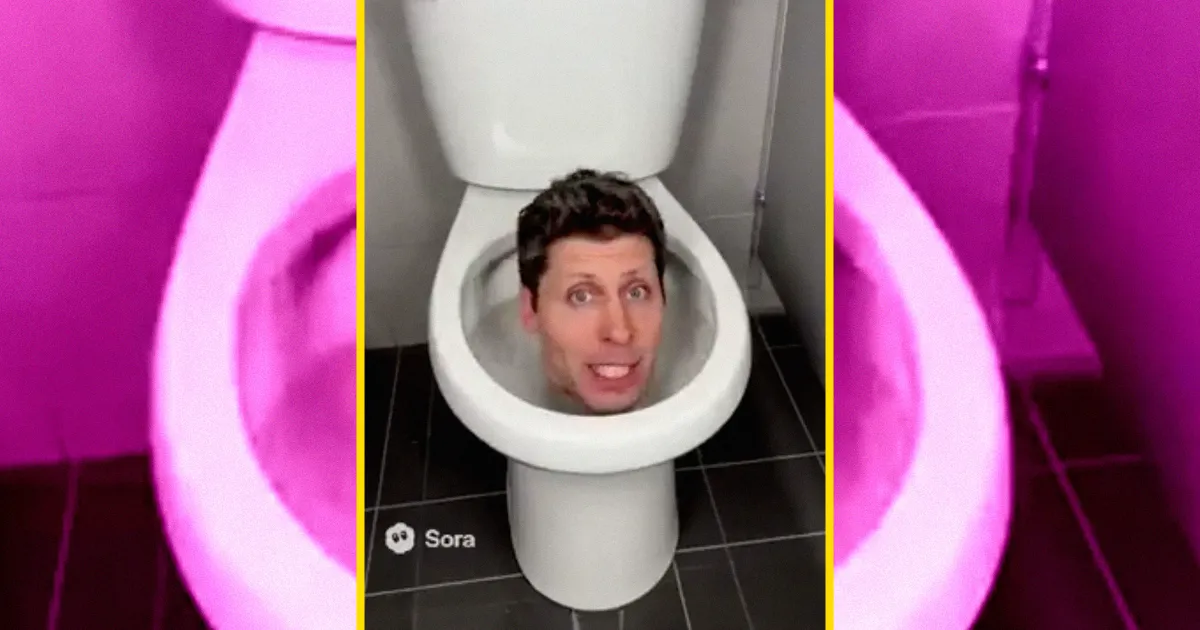
OpenAI has launched its AI video app, Sora, on Android devices, expanding its availability beyond iOS. The app allows users to create, share, and remix AI-generated videos, featuring a TikTok-like feed and a 'cameo' feature for creating content with friends or characters. Despite some criticism over deepfake and copyright issues, the app has quickly gained popularity, with over 1 million downloads in its first five days on iOS.
OpenAI's Sora app has been updated to include reusable 'character cameos' for AI-generated videos, allowing users to create and share avatars of almost anything, along with new features like video stitching and leaderboards. The update also introduces customizable permissions for characters and is temporarily accessible in select countries without an invitation code.
The article discusses how to identify AI-generated videos, particularly those made with OpenAI's Sora app, by looking for watermarks, checking metadata, and being cautious of AI labels on social media, emphasizing the importance of vigilance in discerning real from fake content.
OpenAI's Sora 2 technology, capable of creating realistic AI-generated videos of historical figures and celebrities, has raised concerns in Hollywood over consent, copyright, and ethical issues. In response, OpenAI has implemented new policies, including an opt-in system for artists and plans to block certain content, following industry protests and legislative support for digital rights protections.
OpenAI's launch of Sora 2, an AI video generator, has caused controversy in Hollywood, with talent agencies accusing OpenAI of misleading them about the tool's capabilities and protections, leading to calls for legal action and concerns over copyright and likeness rights.
OpenAI's launch of Sora 2, a text-to-video app, has sparked controversy due to widespread copyright violations and misleading communication with Hollywood, leading to industry backlash, legal threats, and concerns over the company's approach to copyright law and industry partnerships.
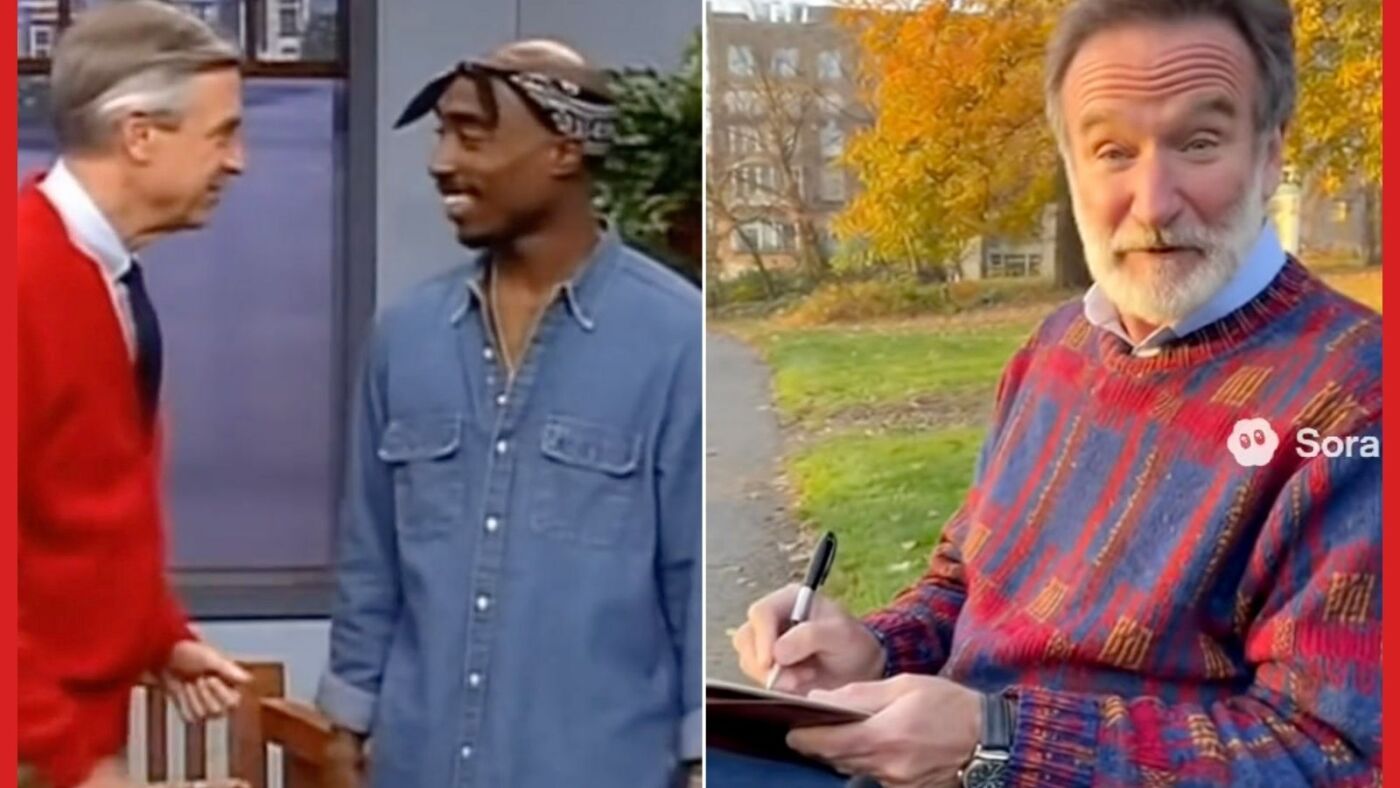
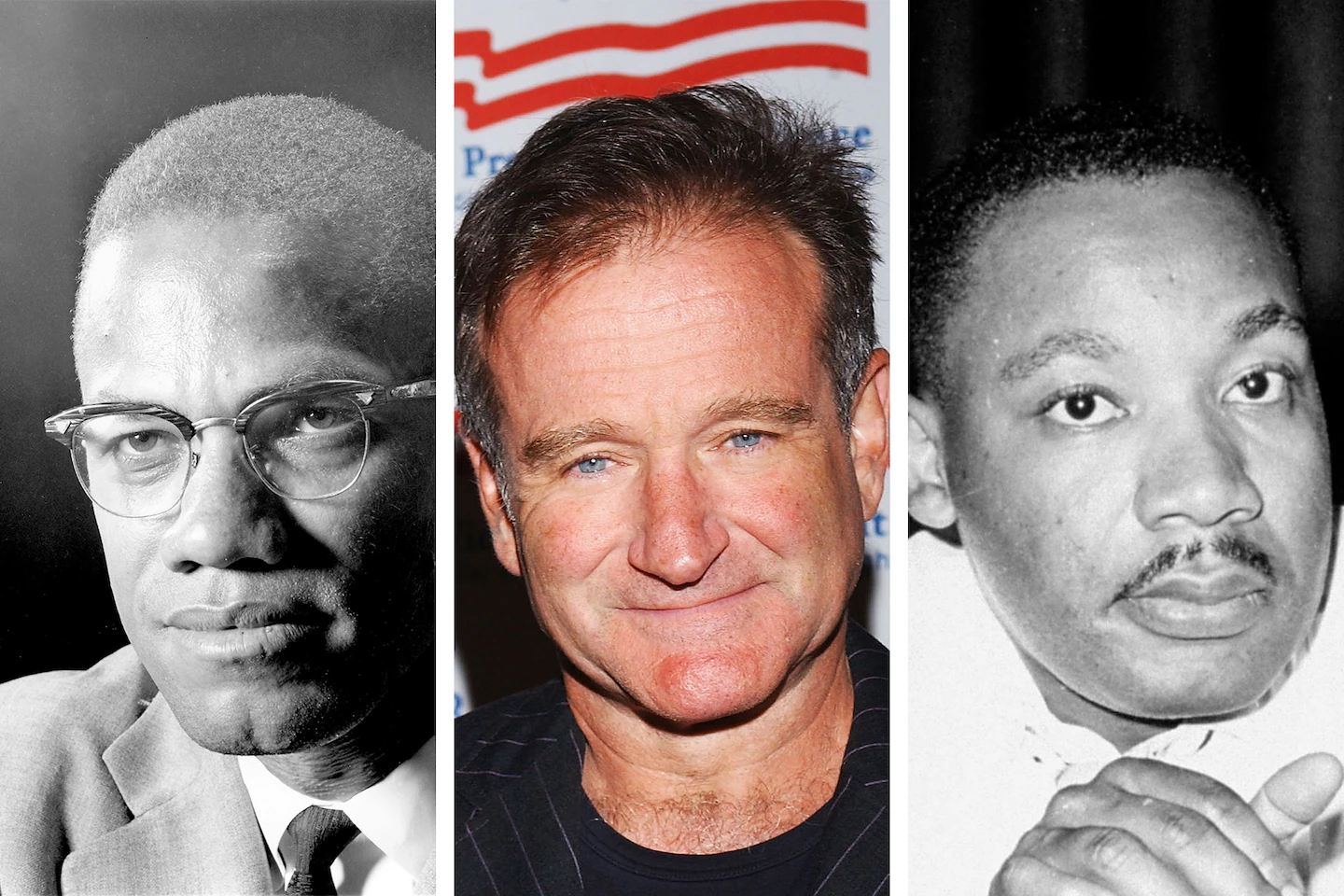
OpenAI's new app Sora enables users to create AI-generated videos of deceased celebrities and historical figures, raising concerns about misinformation, consent, and the potential for deepfake abuse, despite efforts to implement detection tools and protect rights.
AI tools like OpenAI's Sora 2 are creating highly realistic fake videos of deceased celebrities and historical figures, sparking controversy among families and legal experts over issues of consent, legacy, and potential misuse, with calls for better regulation and control over such content.
OpenAI's new app Sora 2, a text-to-video generator, quickly gained popularity but faced backlash due to copyright issues, leading to restrictions and legal threats from rights holders, causing frustration among users and raising concerns about future legal challenges for AI content creation.
OpenAI's text-to-video AI app Sora rapidly gained over a million downloads in less than five days, surpassing ChatGPT's launch speed, but has faced criticism over its handling of copyright material and depictions of deceased public figures, raising legal and ethical concerns.
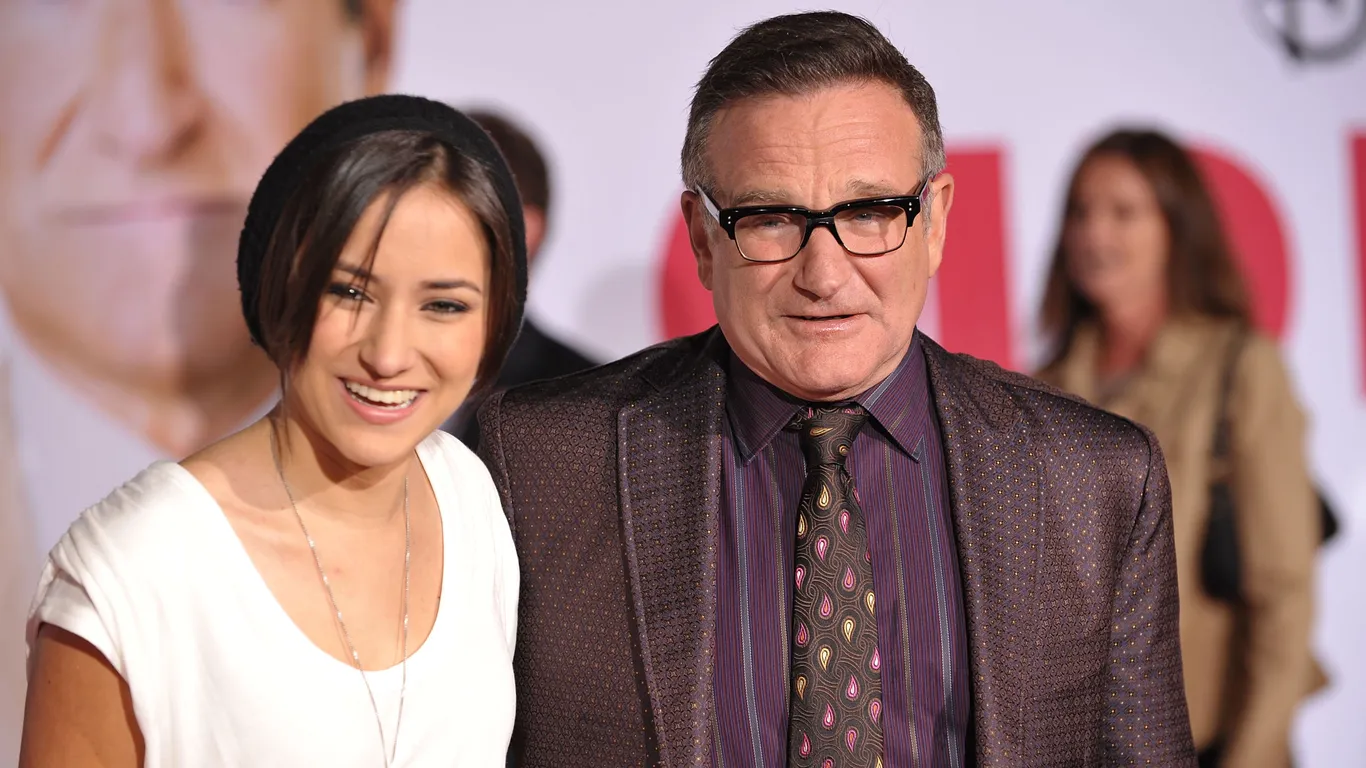
OpenAI's Sora platform has sparked outrage by creating deepfake videos of deceased celebrities like Robin Williams and George Carlin, prompting family members to call for restrictions due to concerns over desecration and legacy. While OpenAI allows estate representatives to request restrictions, the use of AI likenesses of the dead remains a contentious issue, raising legal and ethical questions about ownership and monetization of digital personas.