Debby Orcutt, a 69-year-old diagnosed with pancreatic cancer, enrolled in a clinical trial for an experimental drug, highlighting hope for new treatments against one of the deadliest cancers and raising questions about the timing of such interventions.
A Pennsylvania man with a spinal cord injury has experienced significant improvement in mobility after receiving an experimental drug in a clinical trial, raising hope for future treatments for similar injuries.
A small clinical trial demonstrated that an injectable experimental drug, 2141-V11, successfully shrank tumors and induced remission in some patients with aggressive breast and skin cancers, showing promise for future cancer treatments, though larger studies are needed.
Dallas Cowboys owner Jerry Jones publicly disclosed his cancer diagnosis, revealing he was treated successfully with an experimental drug called PD-1 therapy after battling advanced melanoma and metastasis over ten years, inspiring hope for others facing similar challenges.
An experimental drug has shown promising results in shrinking pancreatic tumors by up to 70% in lab studies, offering hope for a more effective treatment for the aggressive and deadly cancer. The drug targets genetic drivers of pancreatic ductal adenocarcinomas, with researchers observing tumor shrinkage in 7 out of 10 models. This breakthrough comes as pancreatic cancer, which affects 67,000 Americans annually, has a low survival rate and is often diagnosed at late stages. Clinical trials will be crucial in determining the drug's potential to change the standard of care for pancreatic cancer patients.
Researchers at the University of Central Florida have developed an experimental drug, P7C3, which shows promise in reducing bone loss and weight gain in postmenopausal women. The drug, also being studied for Alzheimer's and Parkinson's, works by inhibiting bone-absorbing cells and increasing beneficial gut bacteria. While more research is needed, early results are promising, and the drug may offer hope for women dealing with menopause-related health challenges. However, some experts caution that existing treatments, such as estrogen replacement, should not be overlooked.
An experimental drug called ceralasertib has shown promise in stopping tumor growth in patients with aggressive, incurable cancers, with more than half experiencing halted tumor growth and some seeing no progression for at least three years. The drug works by preventing tumor cells from repairing themselves, causing them to die, and could potentially be combined with immune-boosting cancer treatments to enhance their effectiveness. Early results are promising, with one patient reporting stable cancer and no side effects since starting the treatment, offering hope for improved cancer therapies in the future.
Researchers at the University of Colorado Anschutz Medical Campus have discovered that inhibiting a protein called Mdm2 with an experimental cancer drug can prevent the destruction of synapses and dendritic spines associated with Alzheimer's disease. This finding suggests a potential new approach to halting the progression of the disease, which could lead to future human trials and the development of new therapies.
Gilead Sciences has agreed to acquire CymaBay Therapeutics for $4.3 billion, gaining access to an experimental liver disease treatment with potential blockbuster sales. The deal provides Gilead with CymaBay's lead experimental drug, seladelpar, which is under FDA review for potential treatment of primary biliary cholangitis. This acquisition comes as Gilead seeks growth beyond its core HIV business and amidst recent setbacks in clinical trials for other drugs.
California researchers have sent miniature tumor organoids to space to study cancer growth and the effects of treatments in microgravity, leading to the discovery of a potential "kill switch" for cancer. The team, led by Dr. Catriona H.M. Jamieson, observed rapid cancer progression and identified a cloning gene, ADAR1, as a key factor. They tested anti-cancer medications on space tumors and found promising results with an experimental drug called rebecsinib, which inhibits cancer growth significantly. The team aims to launch the drug into clinical trials on Earth by the end of the year, with hope and support from NASA and European astronauts.
Vertex Pharmaceuticals has developed an experimental drug, VX-548, that targets moderate to severe acute pain by blocking pain signals at the source, potentially avoiding the risk of addiction associated with opioids. The company reported positive results from two randomized studies and plans to seek FDA approval for the drug by midyear. If approved, this non-opioid medication could offer a new approach to pain relief, with potential implications for addressing the opioid addiction crisis.
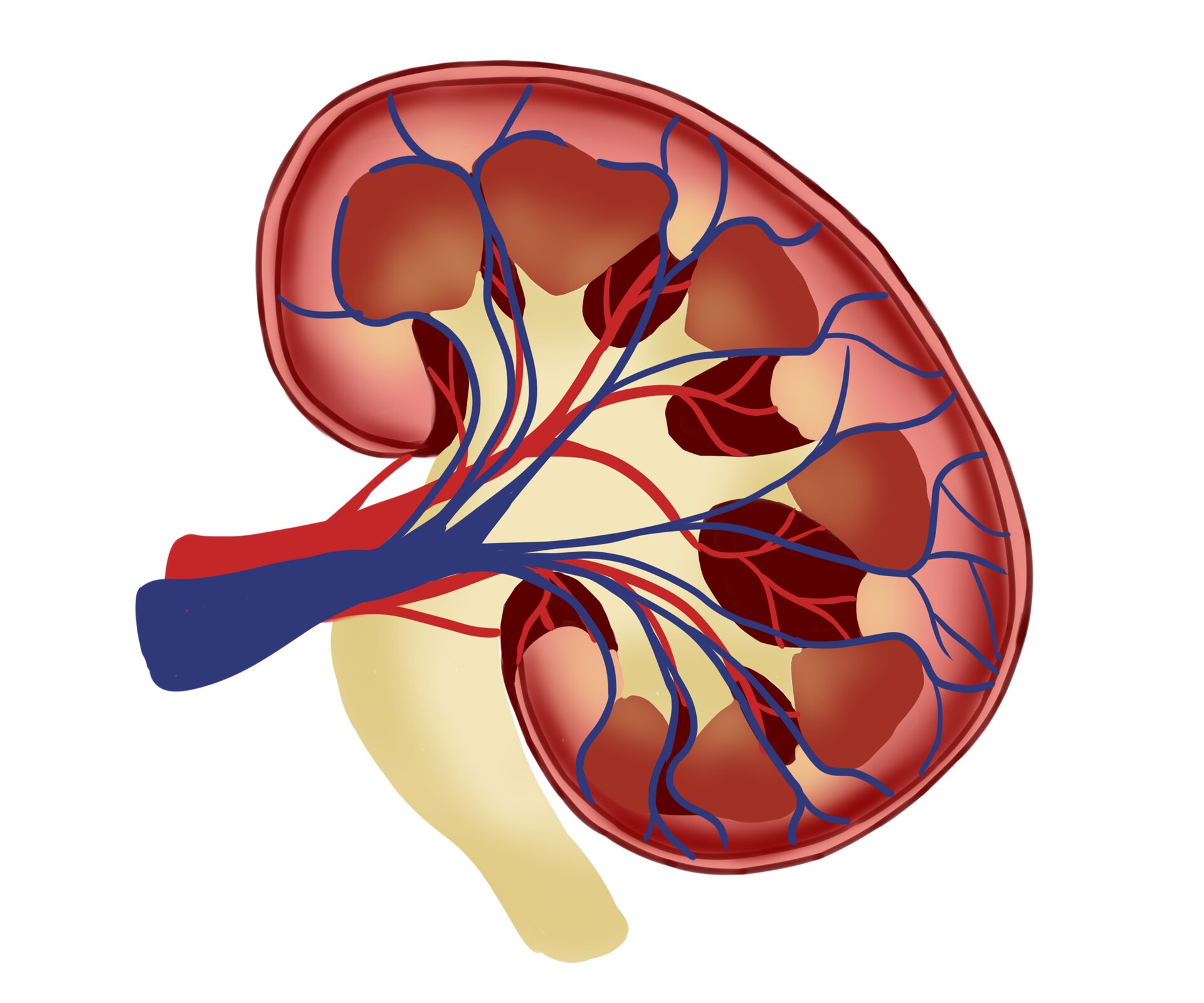
An experimental drug, BI 690517, has shown significant benefits in reducing albuminuria, a sign of kidney damage, in patients with chronic kidney disease. When combined with a standard-care medication, 70% of participants experienced a significant reduction in albuminuria. The drug is designed to inhibit the production of aldosterone, a hormone that accelerates kidney disease progression. The trial also utilized an SGLT2 inhibitor, empagliflozin, which has shown kidney-protective effects. The findings will inform a Phase III clinical trial with 11,000 patient-participants worldwide, potentially revolutionizing the treatment of kidney disease.
An experimental drug called lepodisiran has shown promising results in reducing blood levels of lipoprotein(a) (Lp(a)), a currently untreatable risk factor for heart disease. In a phase 1 trial, a single injection of lepodisiran lowered participants' high Lp(a) levels by as much as 96% from their baseline. Lepodisiran works by interfering with the genetic material that produces Lp(a), offering a potential solution for individuals with high Lp(a) levels who are unable to reduce this risk factor through lifestyle changes. Further trials are needed to confirm the drug's safety and effectiveness, but the initial results are encouraging.
Scientists have discovered a potential new way to treat prostate cancer by reversing its resistance to therapy. By blocking the secret messages that cancer cells send to hijack healthy white blood cells, researchers were able to reverse resistance to therapy in a small group of patients. Some patients experienced tumor shrinkage and decreased levels of prostate-specific antigen (PSA). The findings offer hope for developing new treatments for advanced prostate cancer and potentially other cancer types.
Actor Sam Neill, known for his role in Jurassic Park, has revealed that he is battling stage-three blood cancer. Neill underwent chemotherapy, which failed to work, but he is now being treated with an experimental drug that has put him in remission for the past 12 months. Despite the positive outcome, Neill acknowledges that the drug will eventually stop working. He expressed that he is not afraid of dying but would be annoyed because there are still things he wants to do. Neill has been documenting his journey in a memoir and finds writing to be a distraction and a reason to keep going.