
"45,000-Year-Old Bones Rewrite Early Human History in Europe"
TL;DR Summary
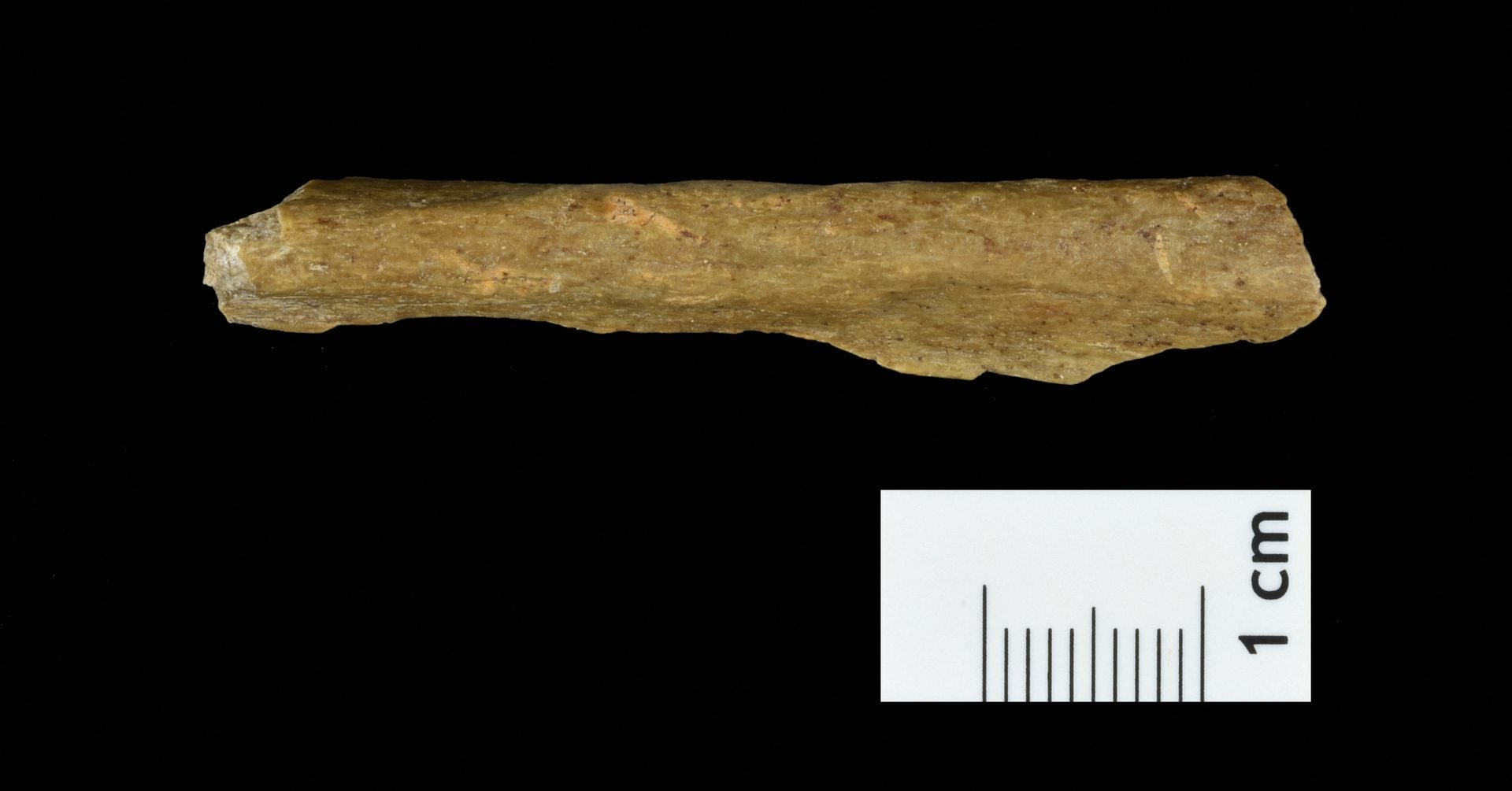
Bone fragments found in a cave in Germany have pushed back the timeline for the arrival of Homo sapiens in Europe to over 45,000 years ago, challenging previous estimates. The discovery, based on ancient DNA analysis of 13 skeletal remains, sheds light on how Homo sapiens adapted to cold climates and interacted with Neanderthals. The findings also suggest that stone artifacts previously attributed to Neanderthals were likely made by Homo sapiens, indicating an early presence of our species across northern Europe. The research provides new insights into the diet, mobility, and potential interactions between Homo sapiens and Neanderthals during this period.
Topics:science#ancient-dna#archaeologyanthropology#european-history#homo-sapiens#neanderthals#ranis-cave
- Bones from German cave rewrite early history of Homo sapiens in Europe Reuters
- Homo sapiens reached the higher latitudes of Europe by 45,000 years ago Nature.com
- What a 45,000-year-old pit of bones reveals about our earliest human ancestors NBC News
- Modern humans were already in northern Europe 45000 years ago New Scientist
- Surprise discovery “fundamentally changes” history of humans and Neanderthals in northwest Europe Cosmos
Reading Insights
Total Reads
0
Unique Readers
1
Time Saved
3 min
vs 4 min read
Condensed
86%
708 → 101 words
Want the full story? Read the original article
Read on Reuters