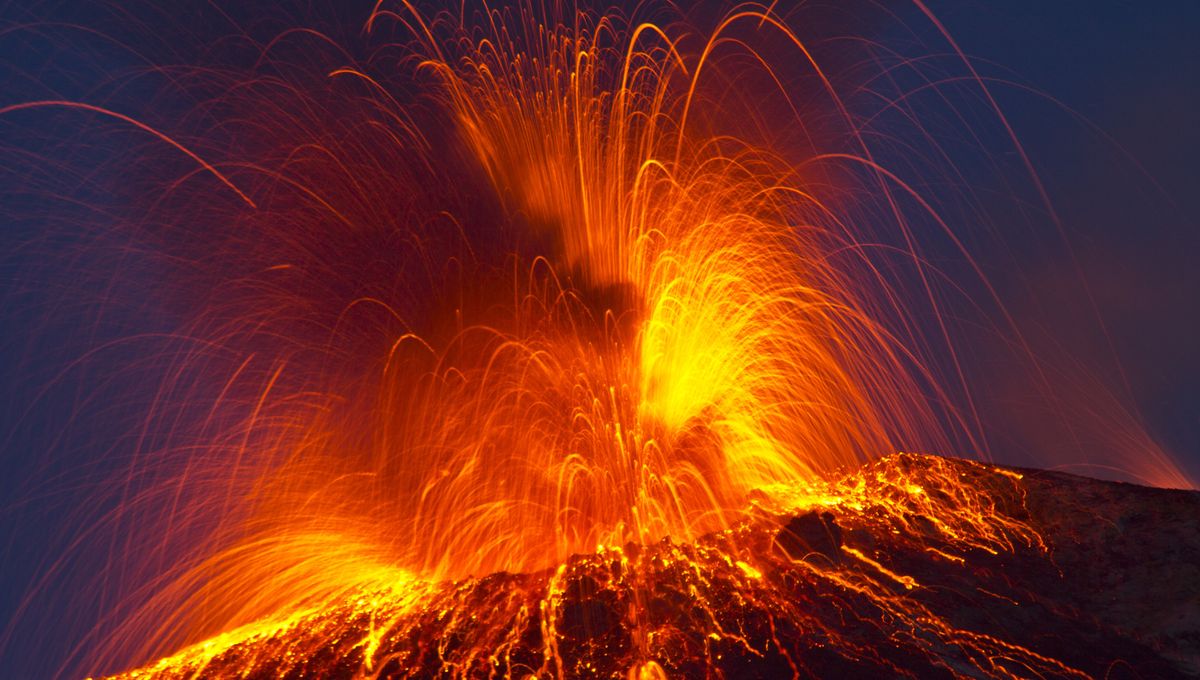
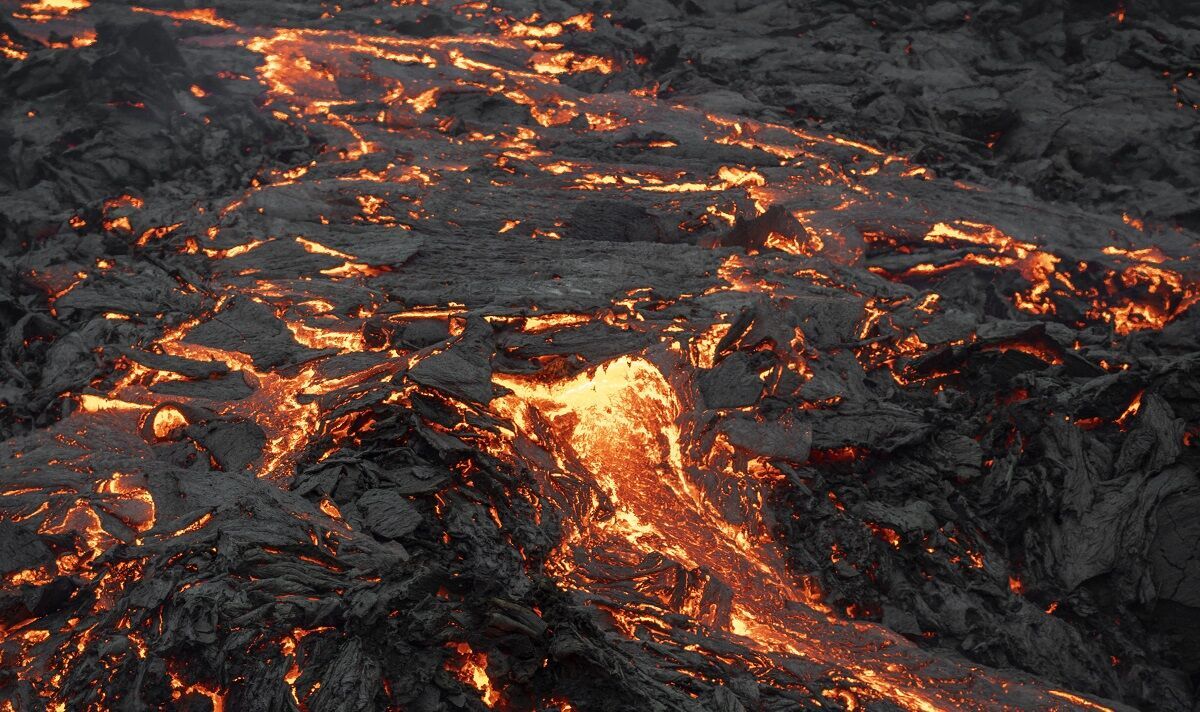
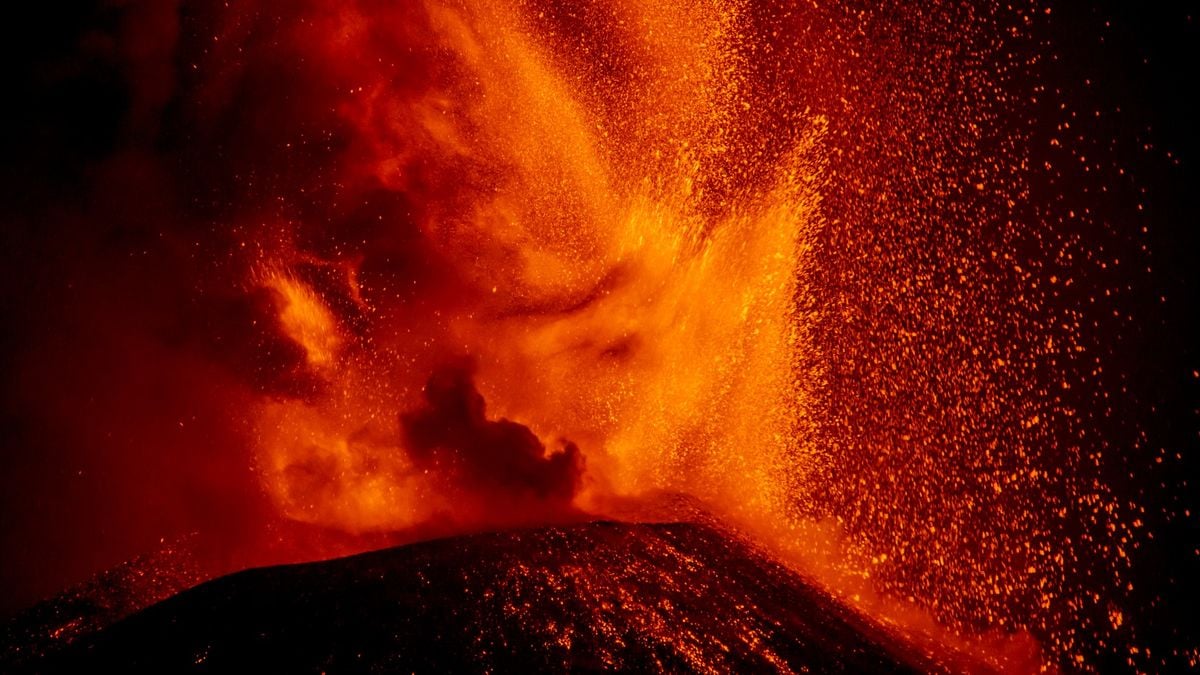
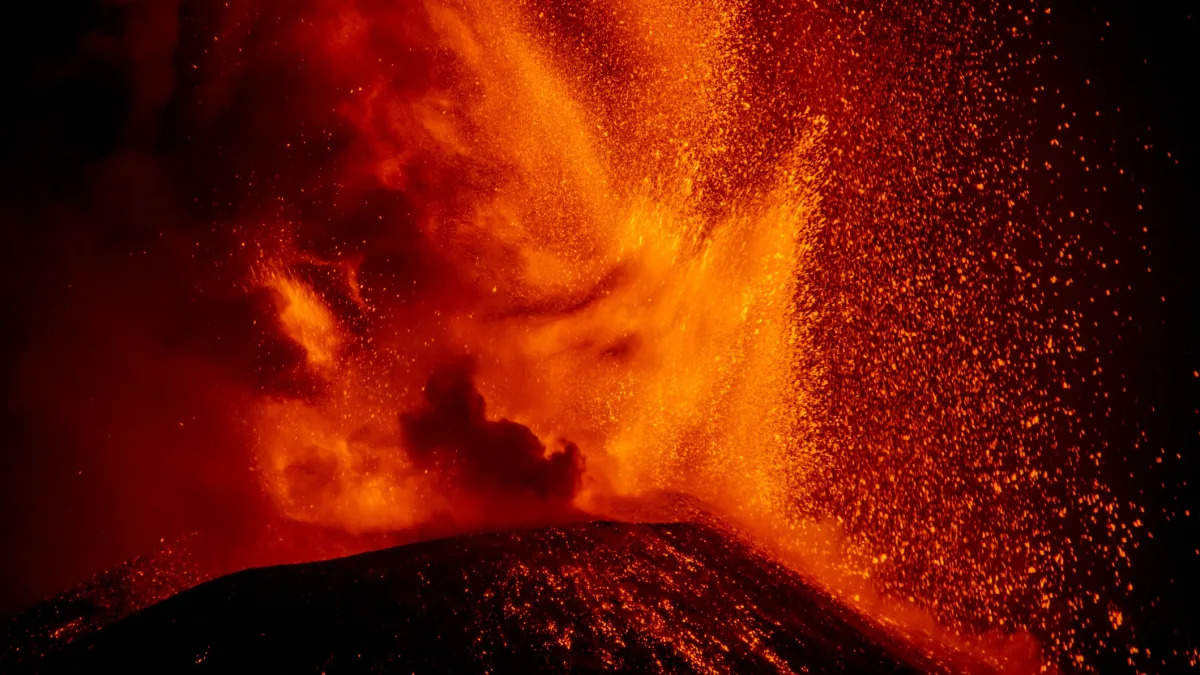
Stromboli, a volcano north of Sicily, has been erupting almost continuously for at least 2,000 years, earning it the nickname 'lighthouse of the Mediterranean' due to its frequent, mild eruptions and spectacular lava bursts.
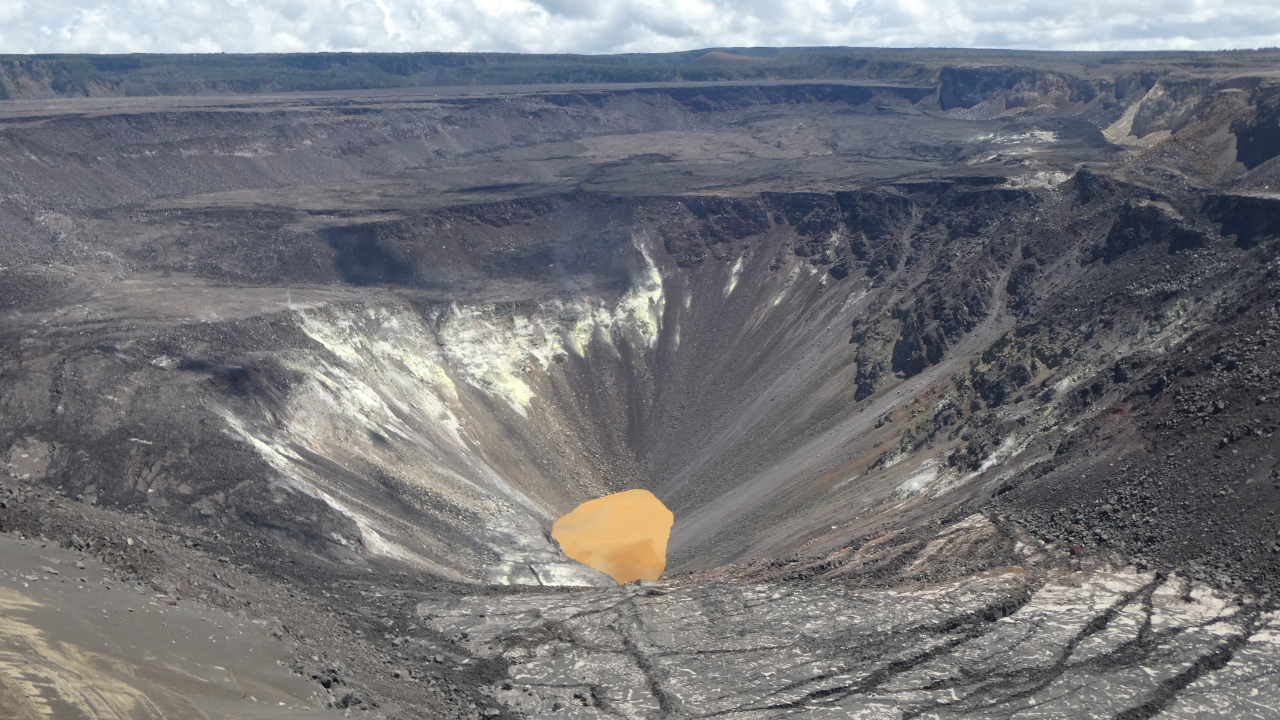
The article explains how water, including meteoric water and groundwater, influences Kīlauea's eruptions, affecting explosivity, gas emissions, and eruption styles, with ongoing research monitoring water levels and composition to better understand volcanic activity.
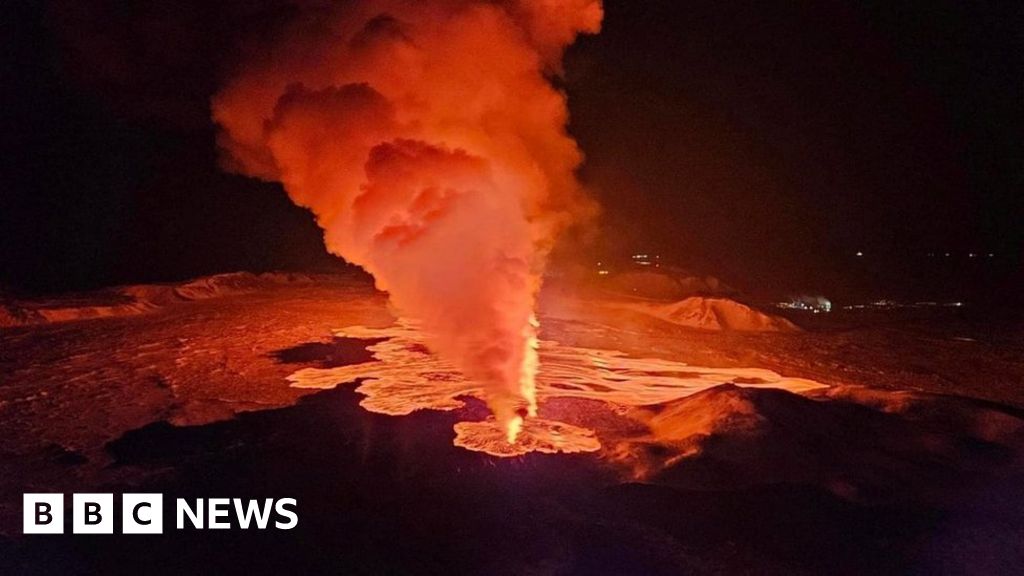
Iceland is experiencing a surge in volcanic activity, with the recent eruption on the Reykjanes peninsula marking the sixth since 2021. Scientists believe this signals the start of a new phase of volcanic activity that could last for decades or even centuries. The eruptions are attributed to the slow separation of tectonic plates, creating space for magma to flow up. While scientists are gaining a better understanding of predicting eruptions, the potential impact on densely populated areas and critical infrastructure, including the capital Reykjavik, remains a concern.
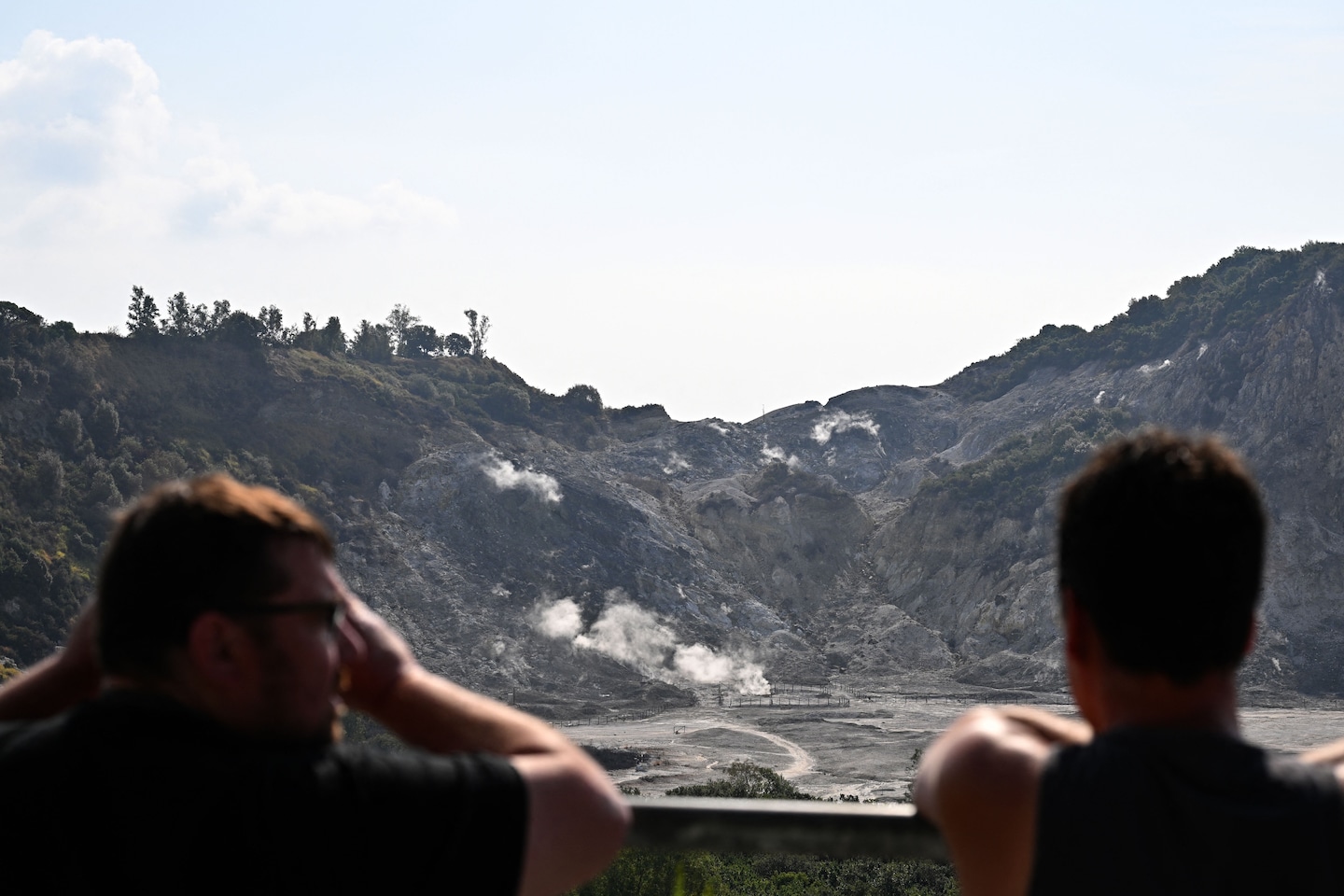
Recent earthquake activity at Campi Flegrei, a supervolcano in southern Italy, has raised concerns about a potential super eruption. However, scientists explain that being labeled a supervolcano does not necessarily mean it will have future super eruptions. Supervolcanoes are defined by their past super eruptions, which are extremely rare events. While the recent activity is a cause for concern, it does not guarantee an eruption. Only about 20 out of over 1,000 known volcanoes are considered supervolcanoes. These eruptions leave behind depressions known as calderas. Yellowstone, one of the most famous supervolcanoes, has had smaller eruptions since its last super eruption 2.1 million years ago. Scientists are skeptical about the possibility of another super eruption at Yellowstone and Campi Flegrei, but smaller eruptions could still have significant impacts.
Small lava eruptions in the Yellowstone volcano caldera are "more dramatic" than previously thought, occurring in clusters and making them "still a big deal," according to a new study. These intracaldera eruptions, although smaller in volume compared to caldera-forming eruptions, have filled in much of the Yellowstone caldera. Geologists have refined the timeline of volcanic activity in Yellowstone using radiometric dating, revealing that there have been at least 28 rhyolitic intracaldera eruptions since the caldera formed 631,000 years ago. The study highlights that these eruptions are more frequent but less explosive than previously believed, occurring in groups over a short duration.
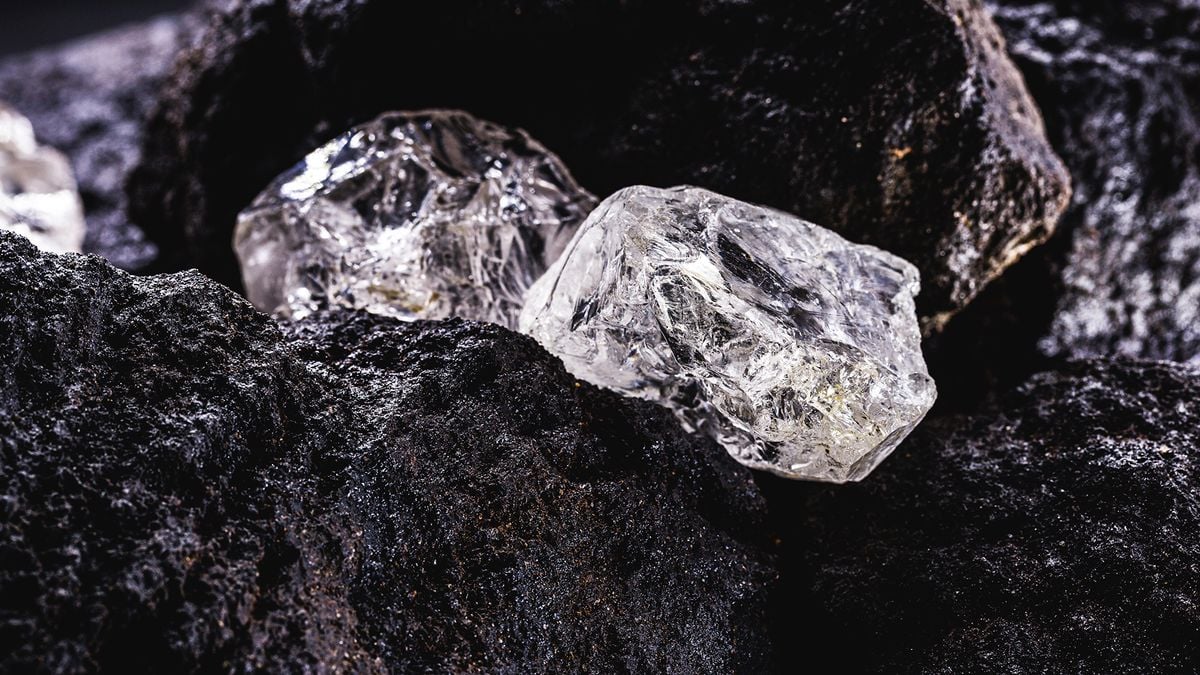
The breakup of supercontinents, such as Pangaea, may trigger explosive eruptions called kimberlites, which bring diamonds shooting up to the Earth's surface. Researchers have found a correlation between the ages of kimberlites and plate fragmentation, with eruptions peaking 22 to 30 million years after the plates start to pull apart. Computer models suggest that when tectonic plates separate, the base of the continental crust thins, creating unstable regions that gradually migrate towards the center of the continent. These instabilities allow for the mixing of materials, including diamonds, resulting in explosive eruptions. The findings could aid in the search for undiscovered diamond deposits and explain other volcanic eruptions that occur long after supercontinent breakup.
The breakup of supercontinents, such as Pangaea, can trigger explosive eruptions called kimberlites, which bring diamonds shooting up to the Earth's surface. Researchers have found a correlation between plate fragmentation and kimberlite eruptions, with eruptions peaking 22 to 30 million years after the plates start to pull apart. Computer models suggest that as tectonic plates separate, the base of the continental crust thins, creating unstable regions that gradually migrate towards the center of the continent. These instabilities allow for the mixing of rock with water, carbon dioxide, and diamonds, resulting in explosive eruptions. The findings could aid in the search for undiscovered diamond deposits and provide insights into other types of volcanic eruptions occurring long after supercontinent breakup.
Scientists have discovered that volcanoes within Earth's tectonic plates erupt due to carbon dioxide (CO2) rather than water, as previously believed. The magma originates from depths of 12 to 19 miles in the mantle, rather than the outer crust. This finding challenges the existing understanding of volcanic eruptions and could help improve future eruption planning and hazard mitigation.
Scientists have discovered that volcanoes within Earth's tectonic plates erupt differently than previously thought. A new study reveals that carbon dioxide, not water, propels magma up and out of these volcanoes. The magma originates from much deeper reserves in Earth's mantle, rather than the outer crust. This finding challenges the prevailing belief that water is the main eruption driver. The study focused on basaltic volcanoes, which are highly explosive and produce runnier lava. Understanding the role of carbon dioxide in these eruptions could help improve future volcanic hazard mitigation.
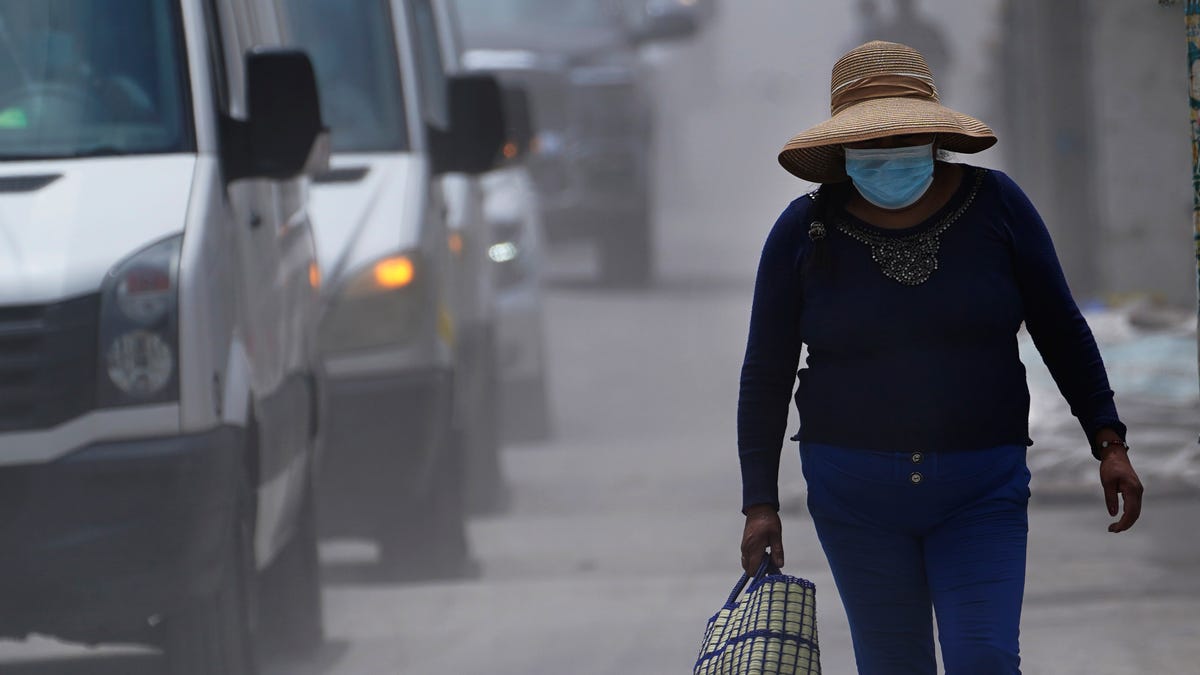
Active volcanoes in Italy, Mexico, and the Democratic Republic of Congo have prompted ash warnings and caused temporary airport closures. Mount Etna in Italy showered ash over Catania and forced airport operations to be suspended. Mexico City's largest airport was briefly closed due to ash from Volcano Popocatépetl, which also prompted officials to urge people to avoid traveling near it. The Nyamulagira volcano in the Democratic Republic of Congo continued ongoing activity and lava flow. There are nearly 50 active volcanoes around the world.