Tag

Geological Hazards

All articles tagged with #geological hazards

science-and-environment2 years ago

Unveiling Yellowstone's Hidden Active Faults with Laser Scans

Lidar technology has revealed a network of active faults in the northern region of Yellowstone National Park, posing earthquake threats to nearby communities. Lidar, a remote sensing technique, uses laser sensors to detect concealed features on the ground. The surveys conducted in 2020 uncovered fault scarps and breaks in the ground, indicating past earthquakes of magnitude-6.5 or greater. The data will help geologists analyze the faults and assess future risks. Lidar technology also offers insights into the link between seismic events, geothermal activity, and volcanic activity in Yellowstone.
science-and-environment2 years ago

Unveiling Hidden Geological Hazards at Yellowstone National Park

New data obtained through lidar technology has revealed a network of geological hazards, including prehistoric landslides and large earthquakes, beneath a portion of Yellowstone National Park. The data, which provides a clearer view of the bare ground in the region, is helping scientists understand the present-day risks of living in the surrounding states. The discoveries have allowed for better characterization of known faults and landslides, improving hazard maps and contributing to mitigation efforts. While the chance of a volcanic eruption in Yellowstone is unlikely, the area is still prone to damaging earthquakes and hydrothermal explosions.

science-and-environment2 years ago

"Unveiling the Hidden Dangers: Geological Hazards Beneath Yellowstone National Park Revealed by Data"

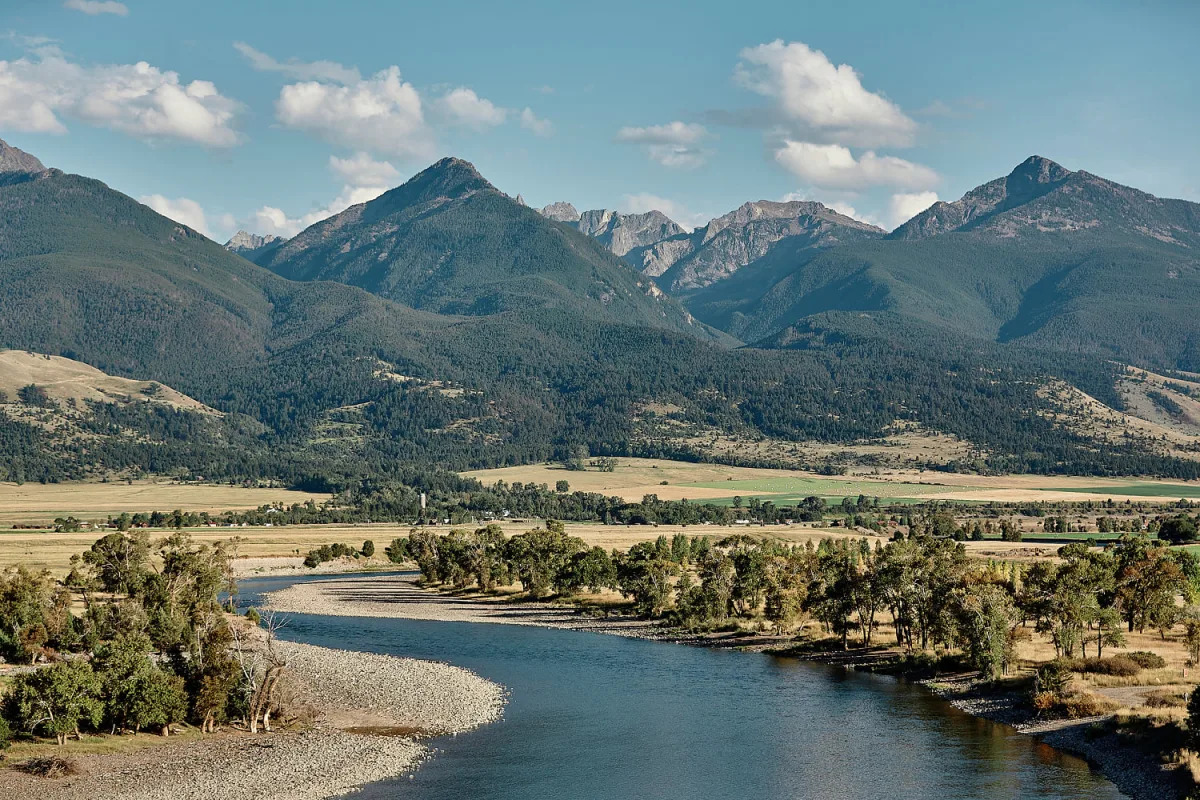
New data obtained through lidar technology has revealed a network of geological hazards, including prehistoric landslides and large earthquakes, beneath a portion of Yellowstone National Park. The data, which provides a clearer view of the bare ground in Paradise Valley and the northern entrance to Yellowstone, has helped scientists understand the present-day risks of living in the surrounding states. The discoveries have allowed for improved hazard mapping and characterization of known faults and landslides, contributing to mitigation efforts and seismic hazard assessments. While the chance of a volcanic eruption in Yellowstone is unlikely, the area remains of interest due to the likelihood of damaging earthquakes and hydrothermal explosions.

science-and-environment2 years ago

Unveiling Hidden Geological Hazards near Yellowstone National Park with Lidar Data

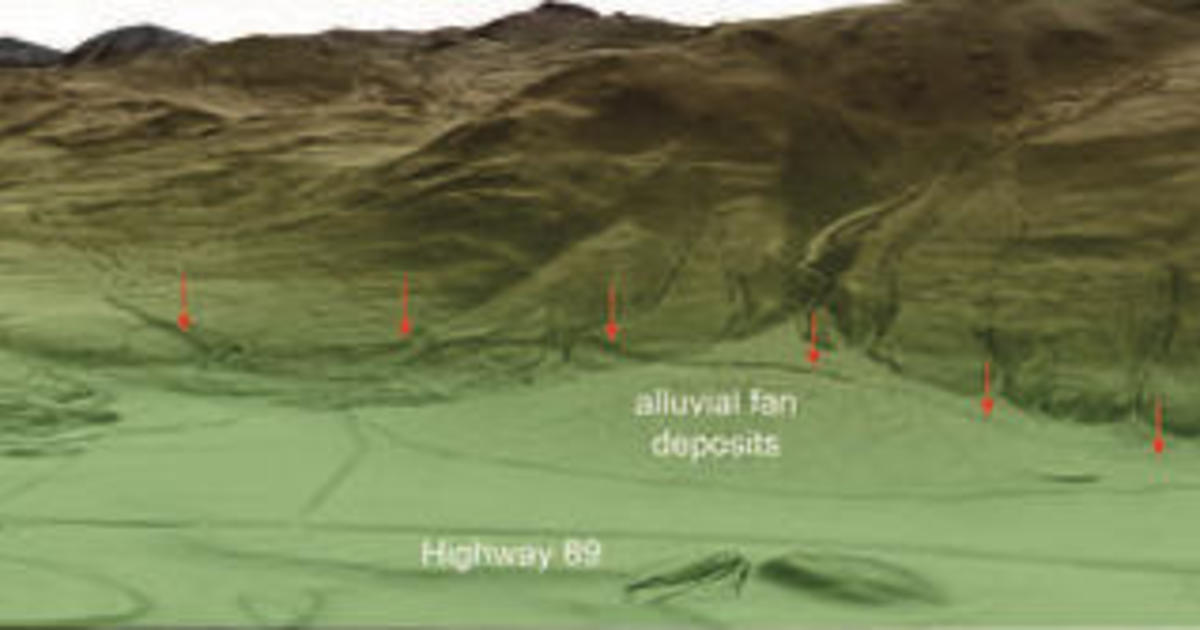
Recent lidar data has revealed the presence of fault scarps and landslides near the northern entrance of Yellowstone National Park, shedding new light on hidden geological hazards in the area. The lidar technology, which uses laser pulses to create high-resolution topographic datasets, has allowed geologists to identify and map these hazards in greater detail. The data shows evidence of past earthquakes and large landslides, highlighting the potential risks to the growing population and increasing number of visitors in the region. The information gathered from the lidar dataset will be used to improve hazard maps and aid in mitigation efforts for the area.

science2 years ago

"Unveiling the Threat: Understanding Supervolcanoes and Their Implications"

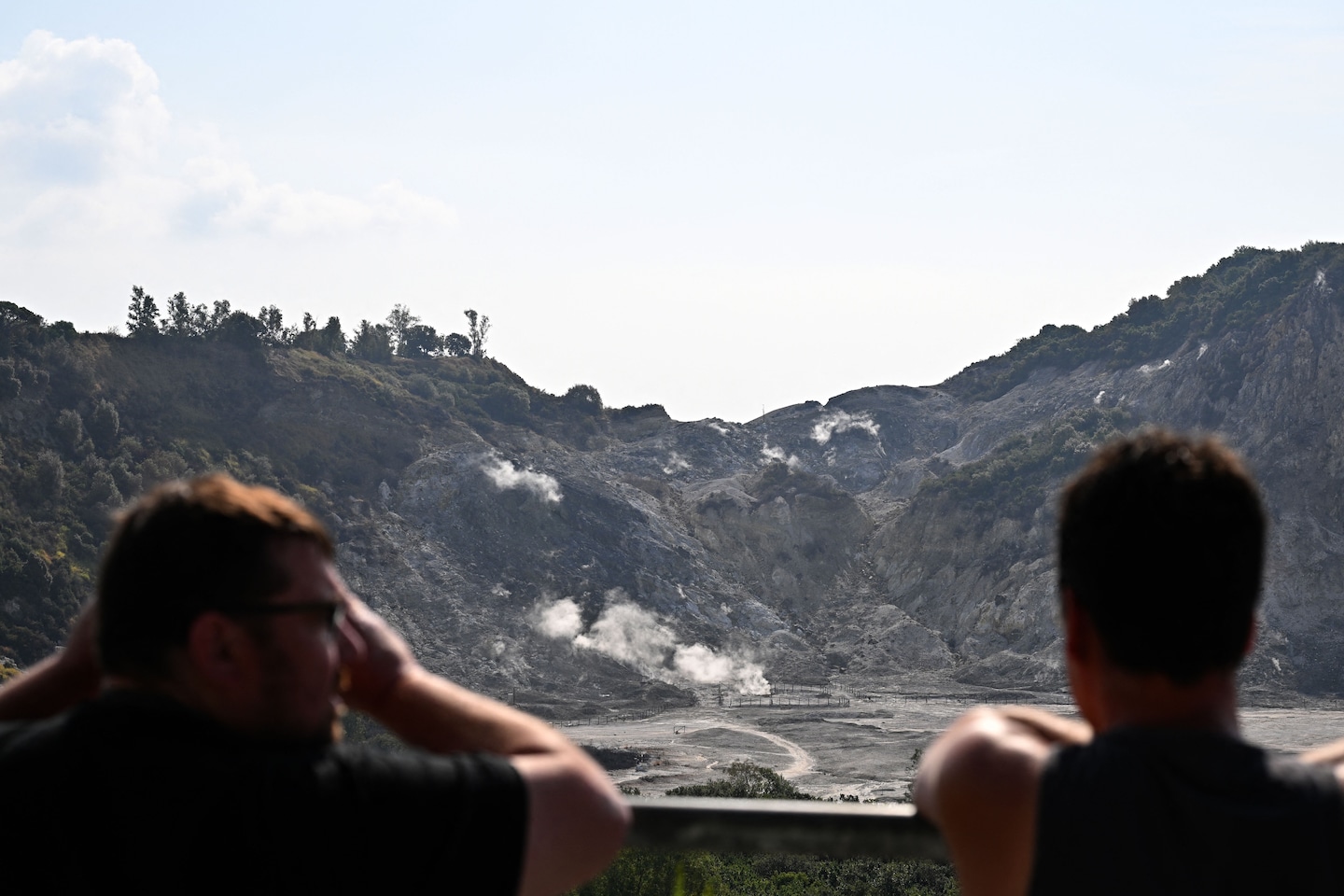
Recent earthquake activity at Campi Flegrei, a supervolcano in southern Italy, has raised concerns about a potential super eruption. However, scientists explain that being labeled a supervolcano does not necessarily mean it will have future super eruptions. Supervolcanoes are defined by their past super eruptions, which are extremely rare events. While the recent activity is a cause for concern, it does not guarantee an eruption. Only about 20 out of over 1,000 known volcanoes are considered supervolcanoes. These eruptions leave behind depressions known as calderas. Yellowstone, one of the most famous supervolcanoes, has had smaller eruptions since its last super eruption 2.1 million years ago. Scientists are skeptical about the possibility of another super eruption at Yellowstone and Campi Flegrei, but smaller eruptions could still have significant impacts.