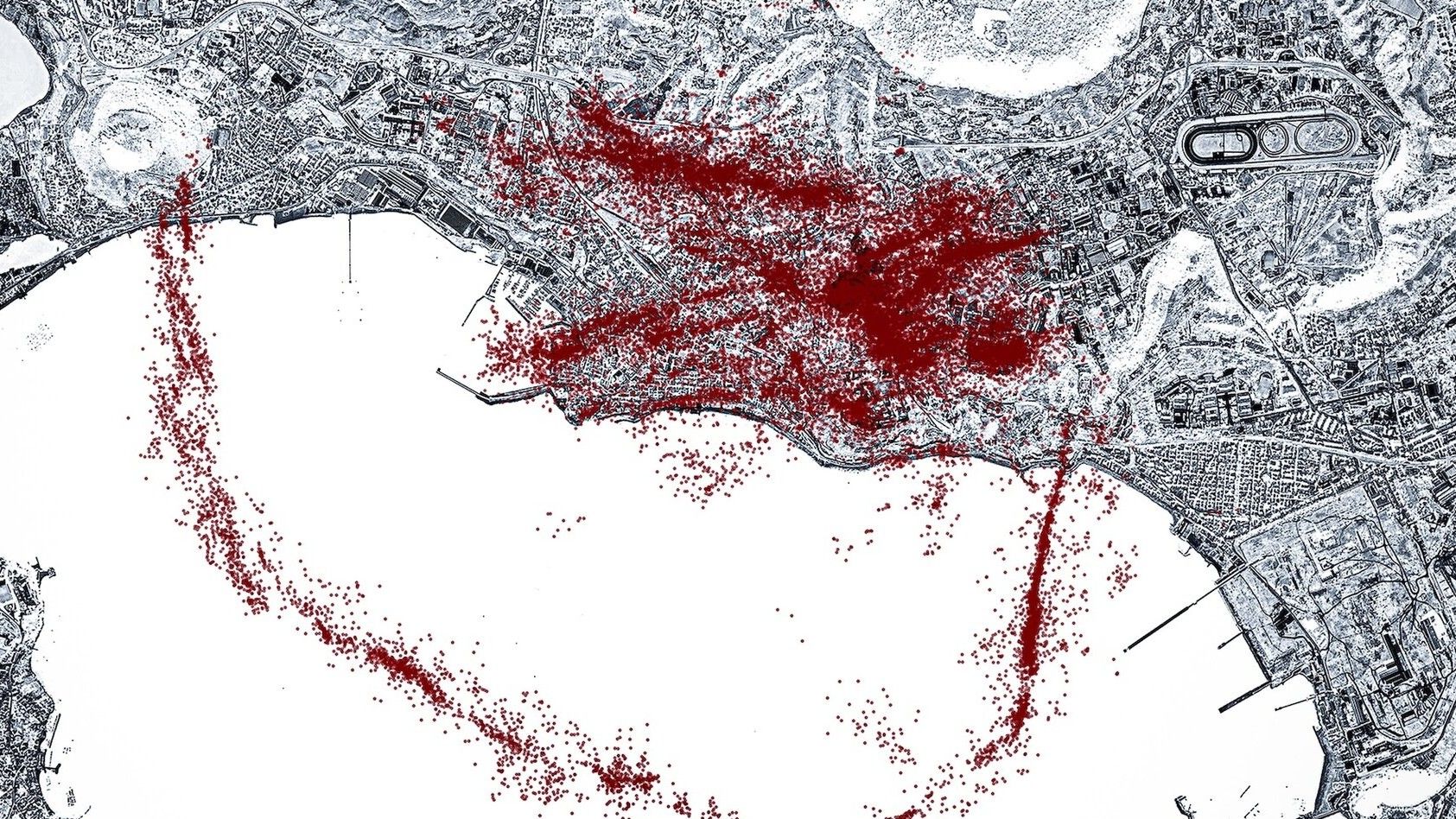
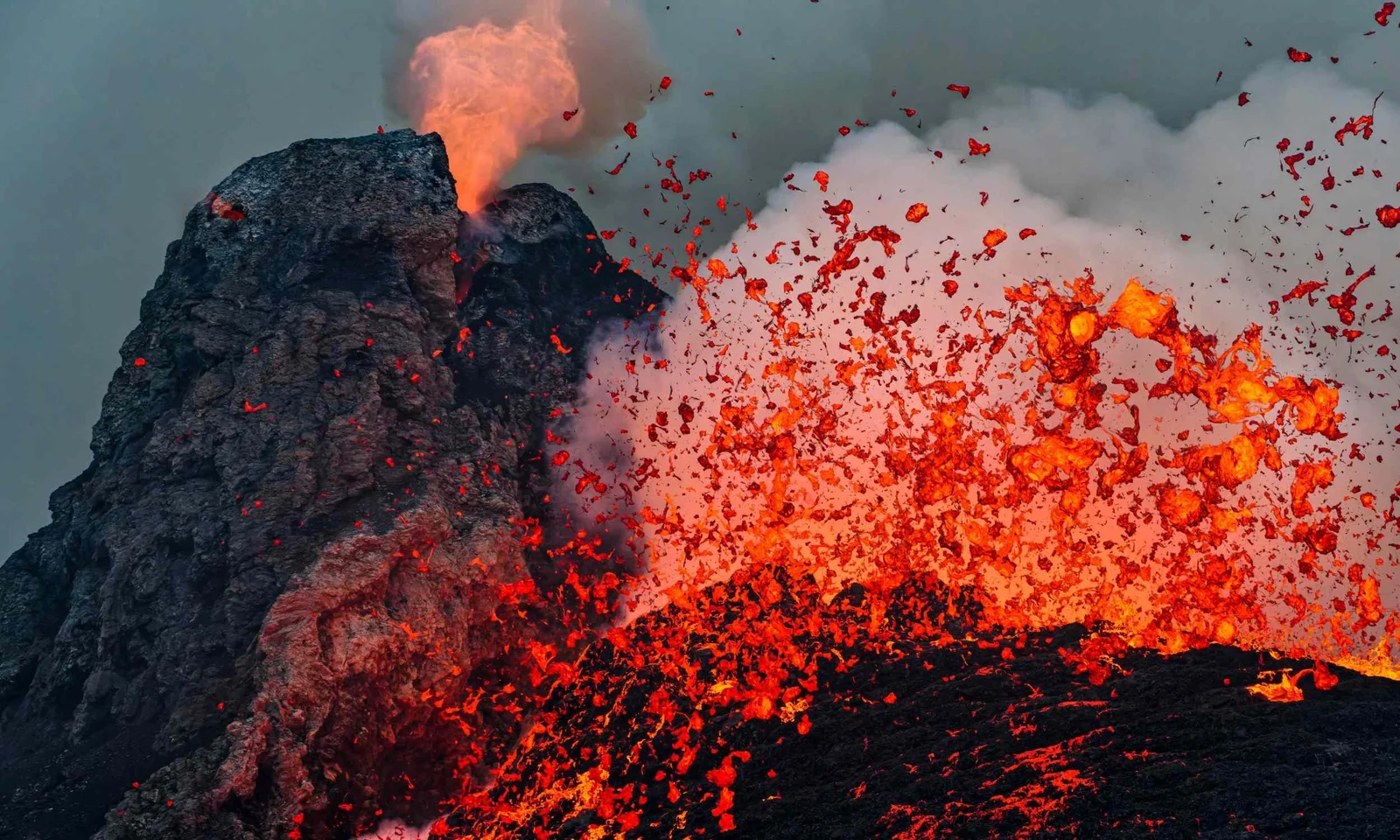
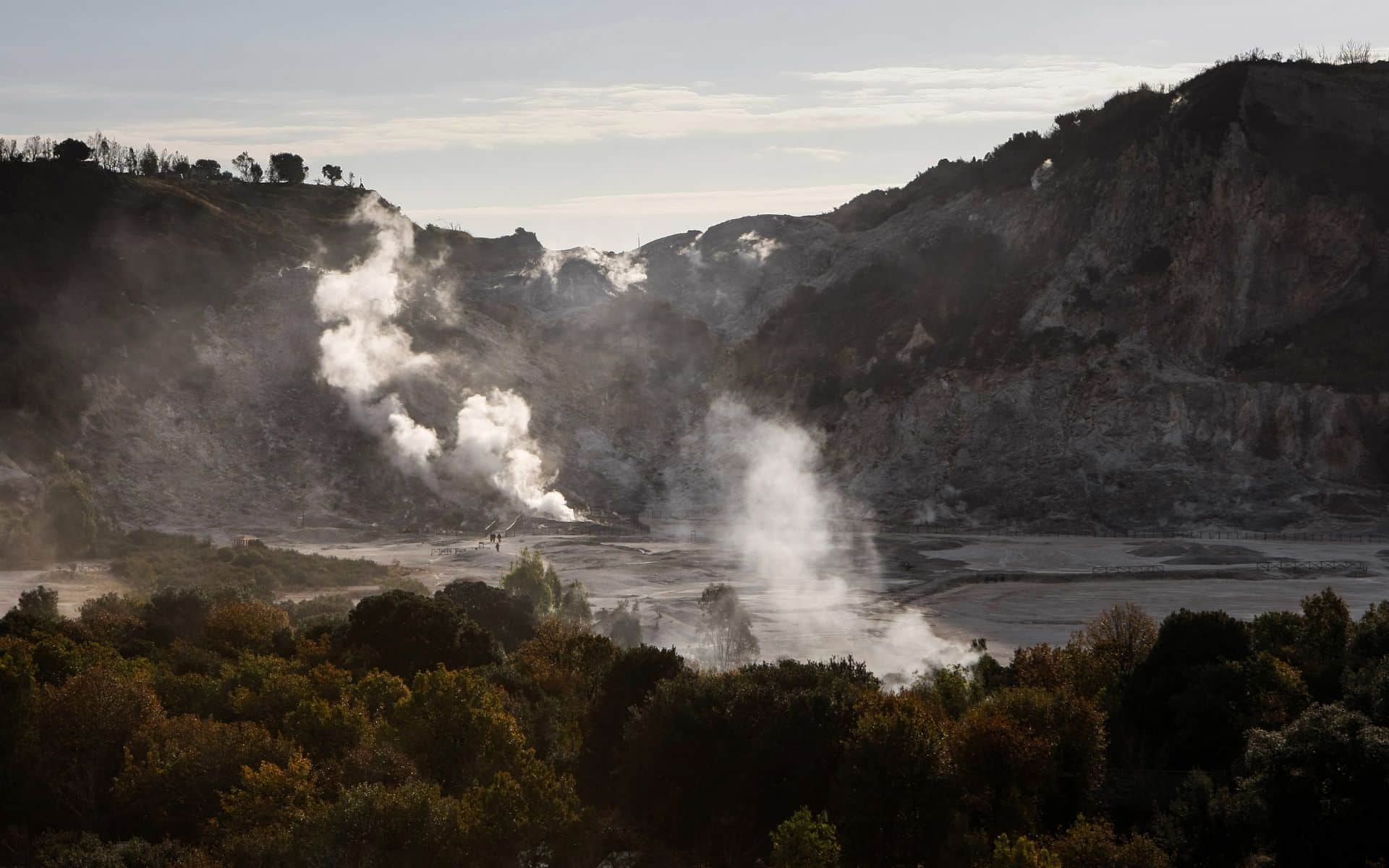
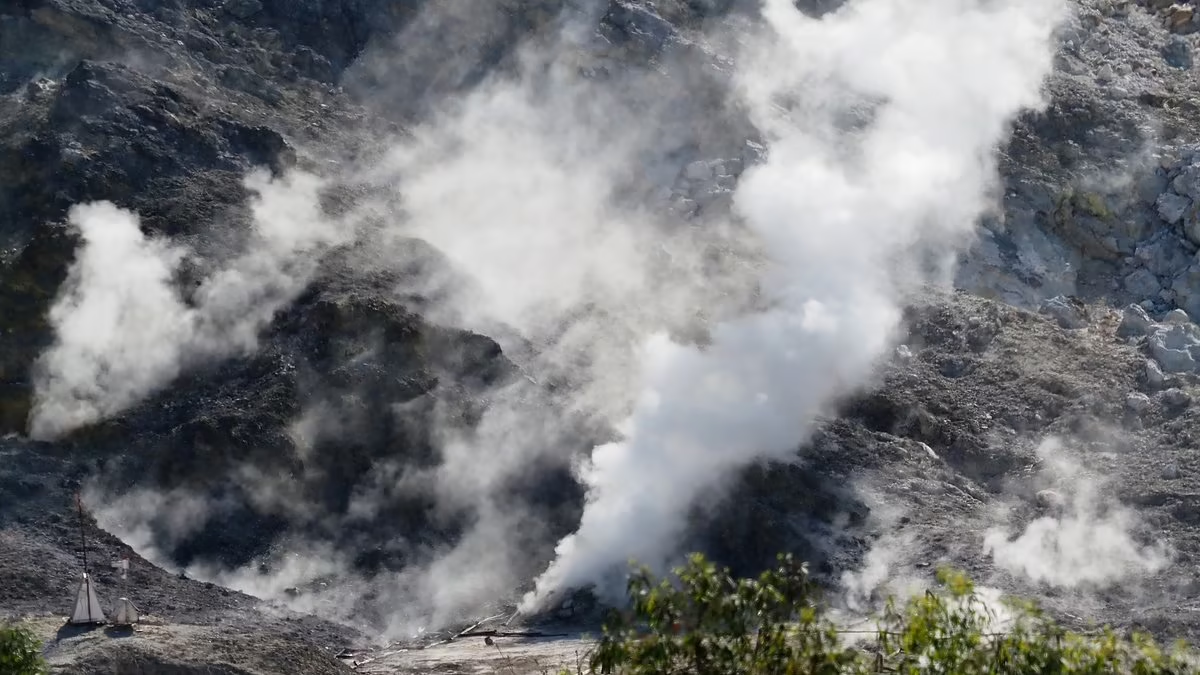
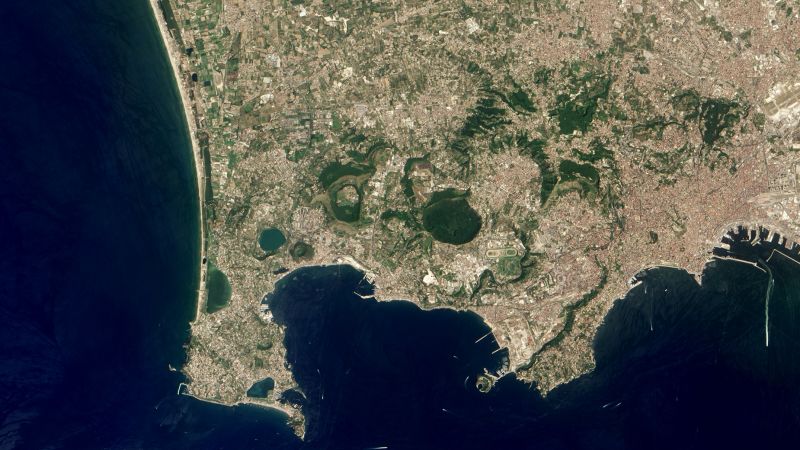
An AI model has uncovered a hidden 'ring fault' at Italy's Campi Flegrei volcano, revealing thousands of previously undetected earthquakes and new geological structures that could pose a significant seismic threat, including the potential for magnitude 5 earthquakes, although it does not predict eruptions.
Italy's Campi Flegrei super volcano near Naples is showing signs of increased activity after centuries of dormancy, raising concerns about a potential eruption that could have significant regional impacts.
Europe's Campi Flegrei caldera, a supervolcano near Naples, has experienced increased seismic activity over the past two years, with thousands of tremors detected. However, recent AI analysis indicates that these quakes are shallow, localized, and not associated with magma movement, suggesting no imminent eruption is likely. The volcano remains monitored, but current data do not point to an impending disaster.
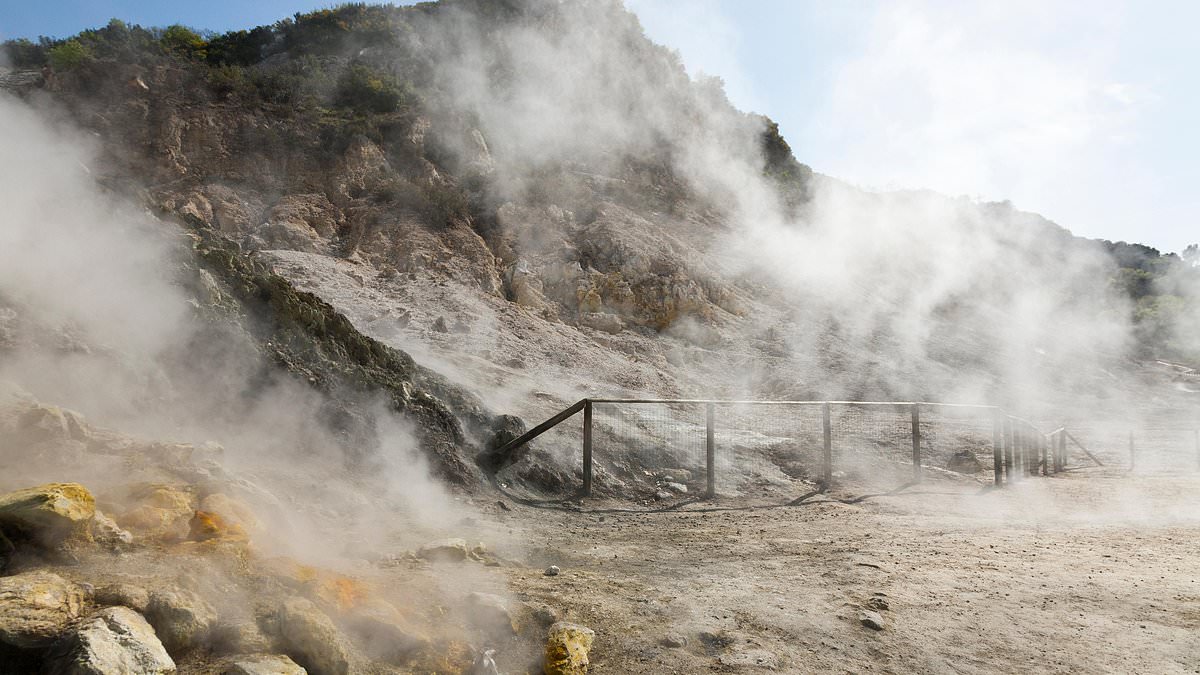
Researchers used AI to analyze seismic data from Italy's Campi Flegrei volcano, revealing increased small earthquakes linked to shallow hydrothermal activity, which improves real-time monitoring and risk assessment without indicating magma movement, aiding safety planning for the densely populated area.
Recent studies show that the unrest at Campi Flegrei is driven more by pressure in a sealed geothermal reservoir and hydrothermal activity than by magma movement, suggesting that managing water and pressure levels could mitigate eruption risks, although the volcano remains dangerous.
A recent study suggests that managing underground water pressure through civil engineering techniques like pumping and drainage could prevent eruptions at Italy’s Campi Flegrei volcano, which is influenced by rainfall and seismic activity, and climate change may accelerate these processes, highlighting a potential shift towards proactive volcano risk management.
Campi Flegrei near Naples, Italy, has a history of massive eruptions and ongoing seismic unrest, but current signs do not indicate an imminent major eruption. Researchers are studying its complex internal structure and fluid buildup to better understand potential risks and improve monitoring and mitigation strategies for the densely populated region.
Scientists warn that the Campi Flegrei supervolcano in Italy shows signs of awakening, with increased seismic activity, gas emissions, and ground swelling indicating magma is moving closer to the surface, raising the risk of a major eruption that could have devastating local and global impacts.
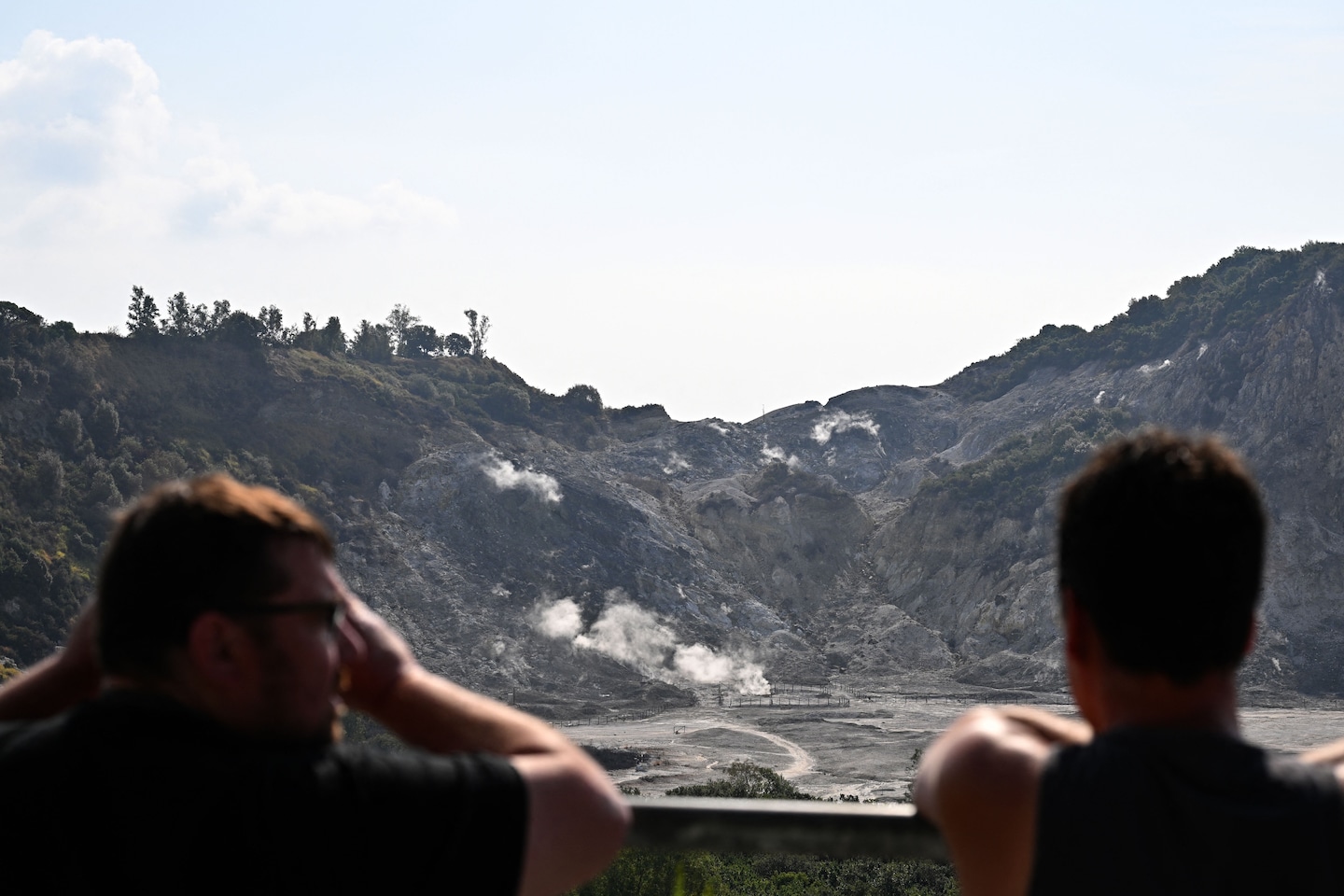
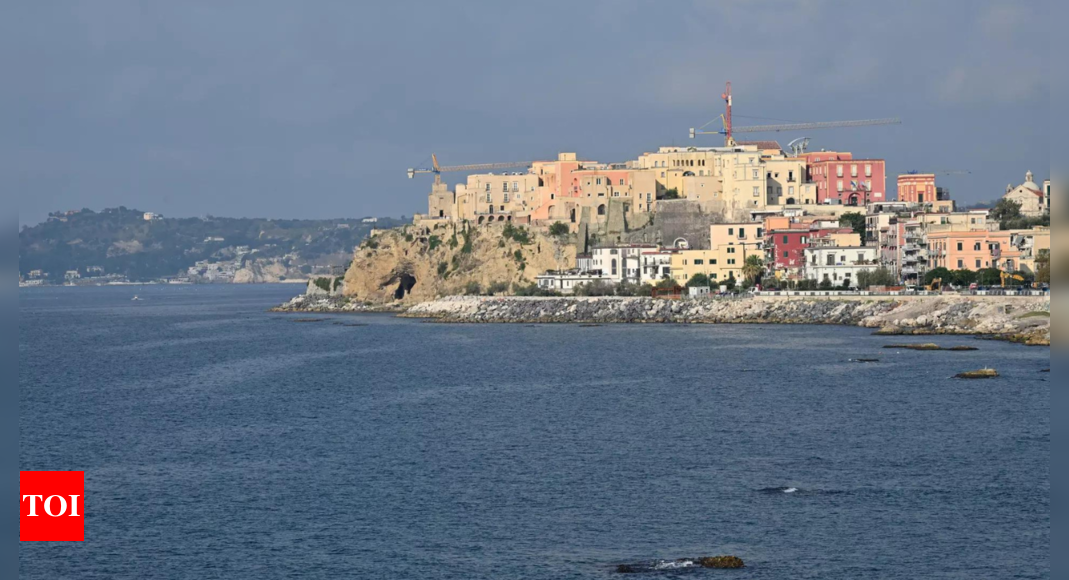
Campi Flegrei, an active supervolcano in Italy, is showing signs of reawakening with intensifying seismic activity and ground uplift. The densely populated region, home to 800,000 people, is at high risk in the event of an eruption. Experts believe the current increase in seismic activity could be caused by magma intrusion or degassing of gases. Italy's civil protection agency has updated its evacuation plan, but concerns remain about the ability to accommodate intense traffic. Scientists emphasize the need for better preparedness and avoiding population increase in the area. The last major eruption occurred in 1538, creating a new mountain in the bay, and the potential outcomes of the current crisis range from a return to rest to an eruption similar to that of 1538.
Recent earthquake activity at Campi Flegrei, a supervolcano in southern Italy, has raised concerns about a potential super eruption. However, scientists explain that being labeled a supervolcano means it had a super eruption in the past, but it doesn't necessarily indicate future super eruptions. Only about 20 out of over 1,000 known volcanoes are considered supervolcanoes, characterized by colossal eruptions that can eject a volume of around 1,000 cubic kilometers or more. While the recent activity is a cause for concern, experts believe it is more likely due to underground adjustments rather than an imminent eruption.
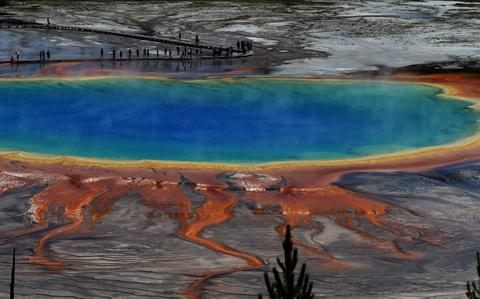
Recent earthquake activity at Campi Flegrei, a supervolcano in southern Italy, has raised concerns about a potential super eruption. However, scientists explain that being labeled a supervolcano does not necessarily mean it will have future super eruptions. Supervolcanoes are defined by their past super eruptions, which are extremely rare events. While the recent activity is a cause for concern, it does not guarantee an eruption. Only about 20 out of over 1,000 known volcanoes are considered supervolcanoes. These eruptions leave behind depressions known as calderas. Yellowstone, one of the most famous supervolcanoes, has had smaller eruptions since its last super eruption 2.1 million years ago. Scientists are skeptical about the possibility of another super eruption at Yellowstone and Campi Flegrei, but smaller eruptions could still have significant impacts.
Thousands of Italians are preparing for a possible volcanic eruption in the Campi Flegrei region near Naples, following a series of earthquakes. While experts say there is no imminent threat, concerns remain due to the high population density in the area. Flyers with evacuation information have been distributed, but locals worry about potential traffic congestion. The last eruption in the region occurred in 1538, and residents are anxious about the impact an eruption could have on their daily lives.
The Italian government is preparing for a possible evacuation of over 300,000 people due to increased seismic activity at the Campi Flegrei supervolcano near Naples. The volcano has experienced thousands of earthquakes in the past three months, with the largest reaching a magnitude of 4.0. Scientists warn that if the volcano erupts, it could release a massive amount of volcanic material, causing tsunamis and potentially plunging the Earth into a global winter for years. This comes after researchers also detected increased seismic activity at California's Long Valley Caldera.
Two "supervolcanoes," Campi Flegrei in Italy and Long Valley Caldera in California, are showing signs of awakening with increased seismic activity. While scientists have been monitoring these calderas for decades, they believe that neither volcano is currently in danger of erupting. Calderas are challenging to predict due to their large size and complex magmatic systems. Although the Long Valley Caldera has experienced seismic activity, indications of cooling magma make a significant eruption less likely. While an eruption cannot be ruled out entirely, the solid rock structure covering the magma chamber may prevent large eruptions from occurring.
Two supervolcanoes, Campi Flegrei in Italy and Long Valley Caldera in California, have been experiencing seismic unrest, raising concerns about potential eruptions. While experts believe there is no immediate threat, the seismic activity indicates changes in the volcanoes' crust structures. Campi Flegrei has shown a slower and longer uplift compared to previous periods of unrest, suggesting a weakening crust. However, the presence of a solid rock structure covering the magma chamber at Long Valley Caldera makes major eruptions unlikely. Scientists are using innovative methods, such as acoustic sensing with fiber-optic cables, to better understand these complex volcanic systems and improve eruption forecasts.