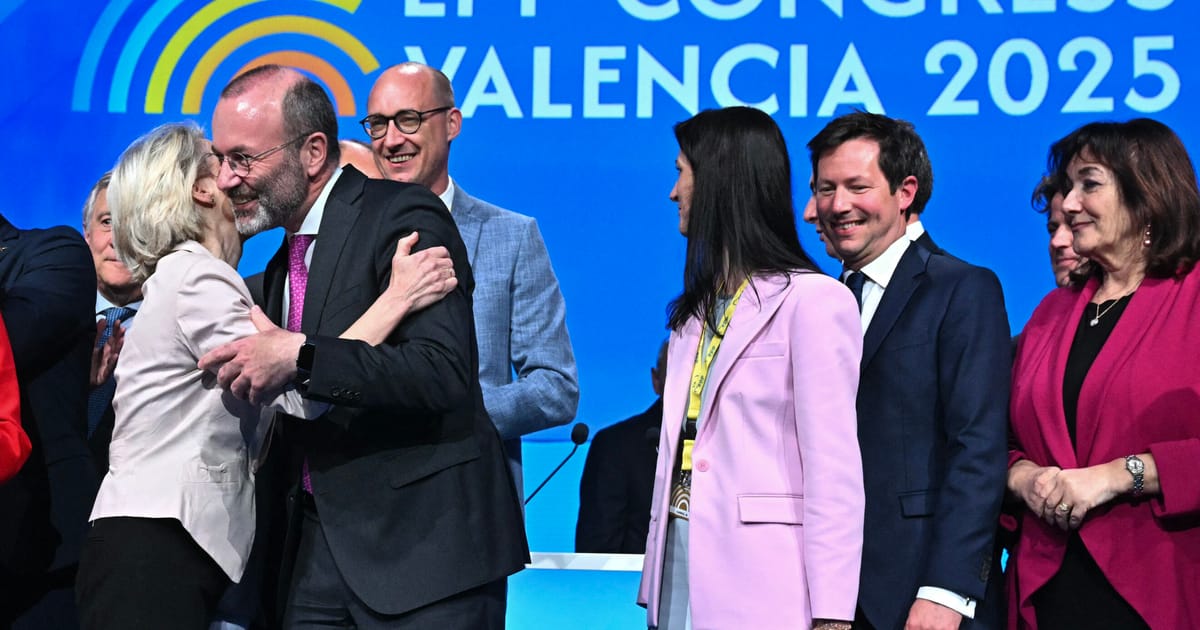
A proposed EU law to combat greenwashing was abruptly canceled by the European Commission, sparking political outrage, especially from the center-left bloc, amid a broader trend of the right-wing European People's Party pushing back against green regulations and influence from industry and national interests.
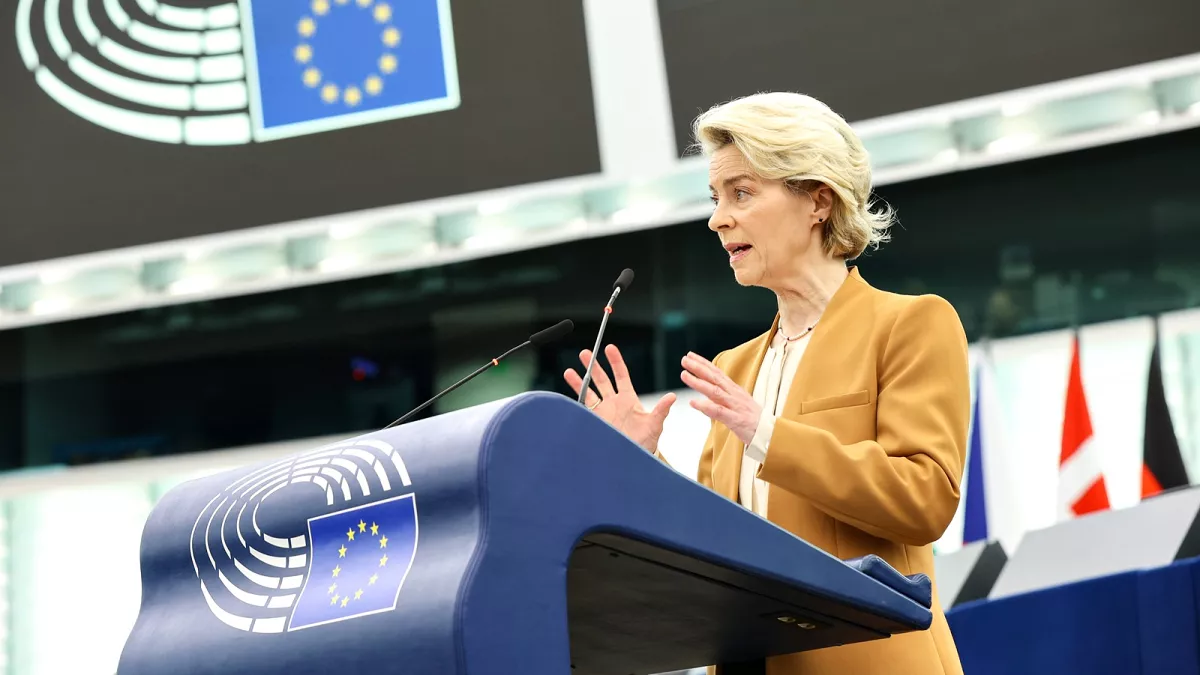
European Commission President Ursula von der Leyen has withdrawn the contentious Sustainable Use Regulation (SUR) aimed at reducing pesticide use in the EU, following fierce lobbying and protests from farmers. The decision marks a setback for the European Green Deal's environmental goals. Von der Leyen emphasized the need for a more sustainable farming model but faced criticism from environmental organizations, while receiving support from farming lobbies and some political leaders. The withdrawal of the pesticide law signals challenges in implementing ambitious environmental regulations in the agricultural sector.
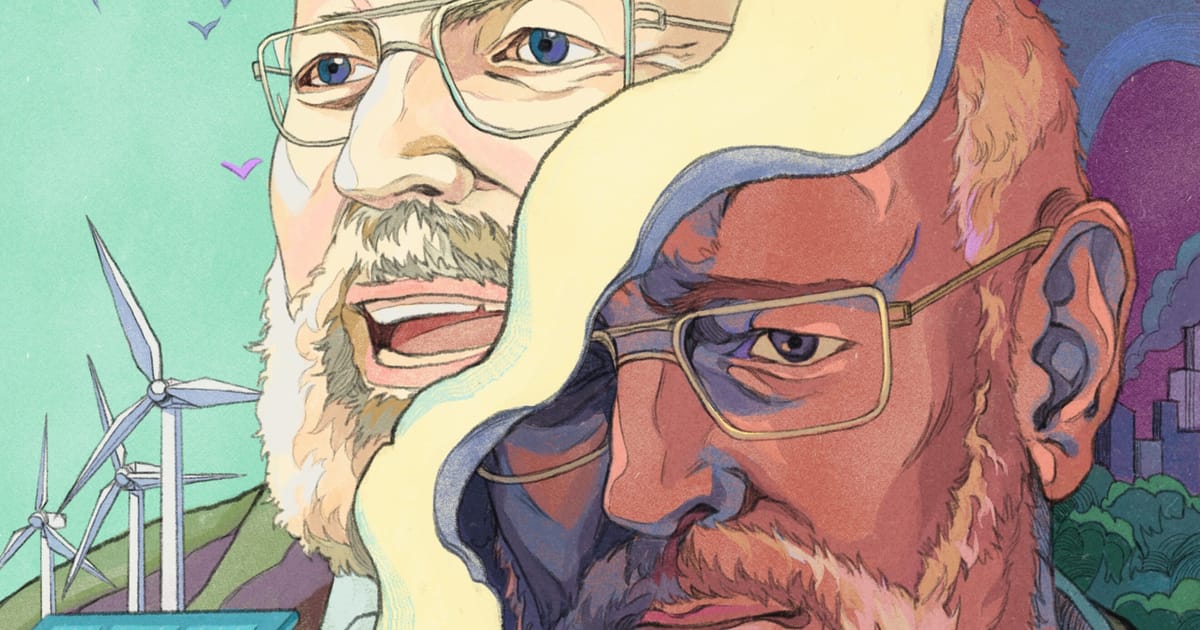
Frans Timmermans, the architect of Europe's Green Deal and former European commissioner, is facing scrutiny over the potential dislocation and suffering caused by the sweeping climate policies he has championed. Timmermans, who has spoken about the fate of his hometown Heerlen as a cautionary tale, acknowledges that the transition to a greener economy will be difficult and sacrifices will be required. However, concerns are growing that the cost of achieving climate goals, such as job losses and economic disruption, may not be adequately addressed. Many communities across Europe, particularly those reliant on industries tied to fossil fuels, could face similar fates as Heerlen if the transition is not managed effectively. The challenge lies in ensuring that no one is left behind and that communities are supported during this transformative process.