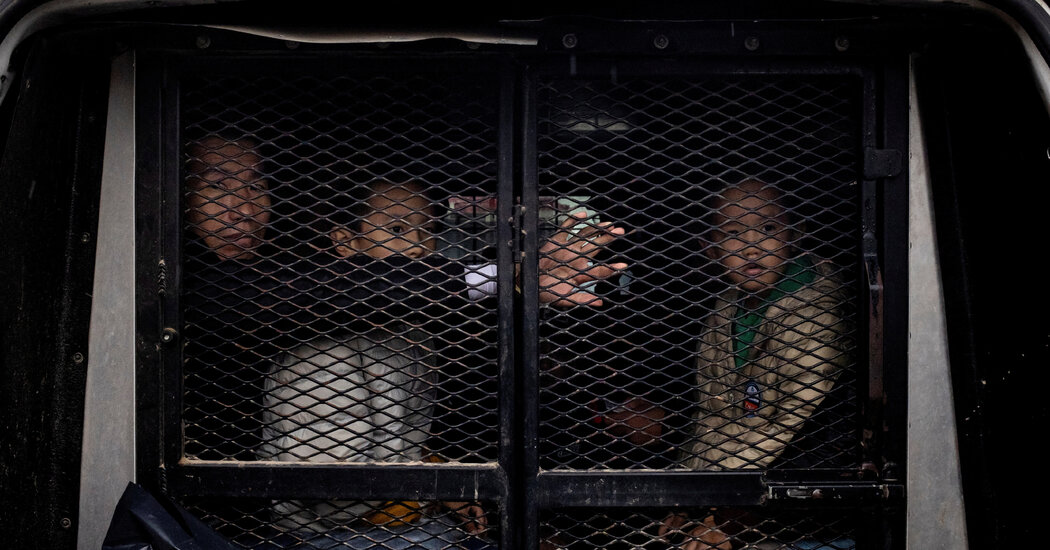
Guam's delegate, Rep. James Moylan, warns of an influx of illegal Chinese migrants infiltrating the territory, posing a threat to US national security and military bases. He seeks aid from the Biden administration to combat the issue, citing instances of illegal entry and hacking attempts by the Chinese Communist Party. With Guam's strategic importance in the Indo-Pacific region, Moylan emphasizes the need to strengthen the island's defenses and deter the CCP's interests, highlighting bipartisan support in Congress and the authorization of funding for military infrastructure and missile defense systems.
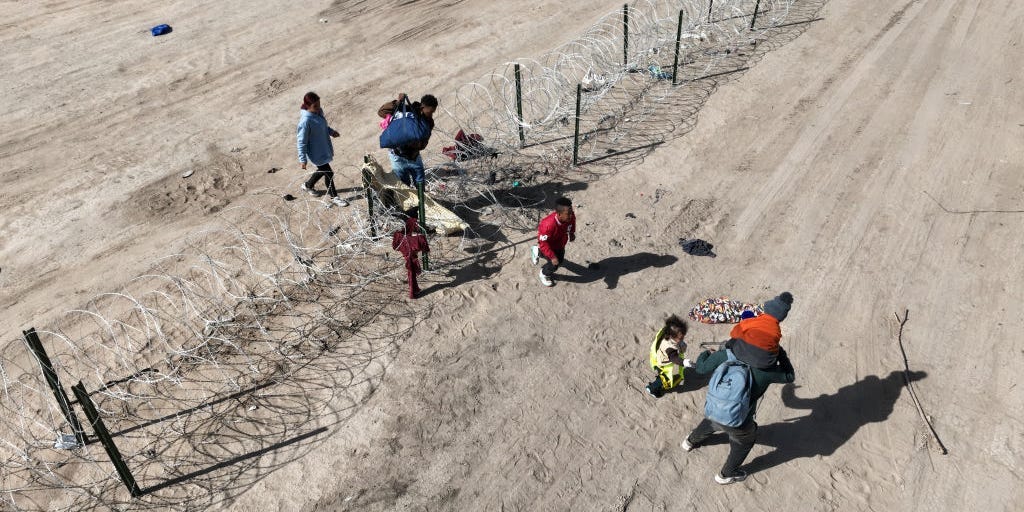
Chinese migrants are using the Chinese version of TikTok, Douyin, to get guidance on how to enter the US, with some posts providing detailed instructions on hiring smugglers. The number of encounters with Chinese nationals at the US Southwest land border has increased significantly, and social media platforms have been instrumental in helping migrants plan their journeys. This trend is not limited to China, as content creators from Venezuela and India have also been producing similar videos.
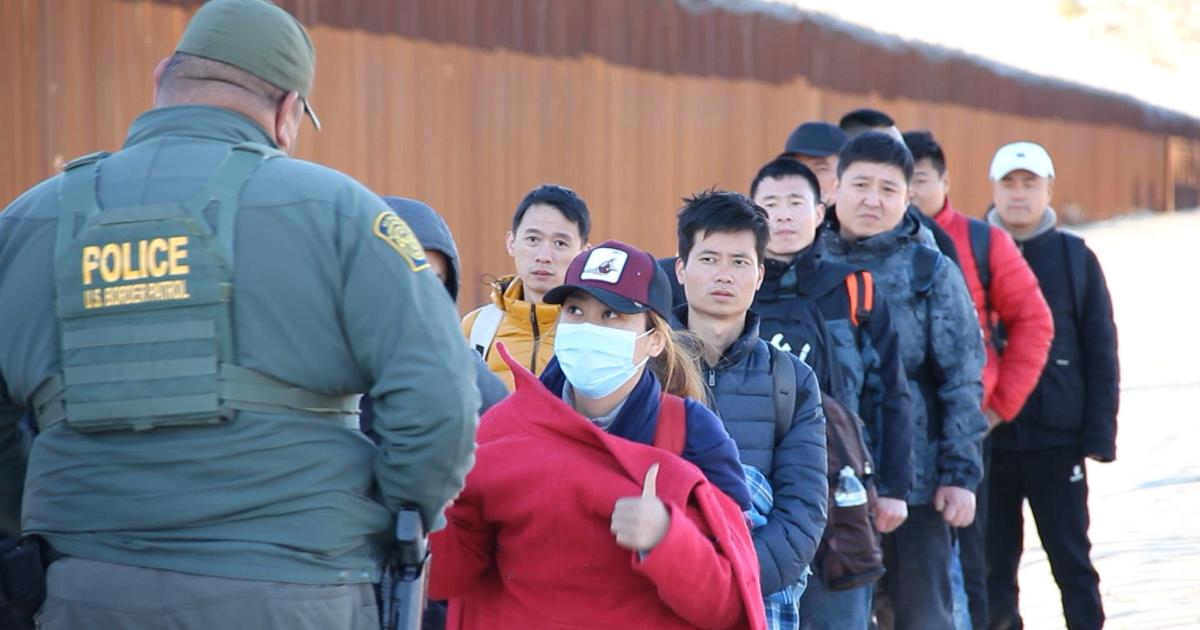
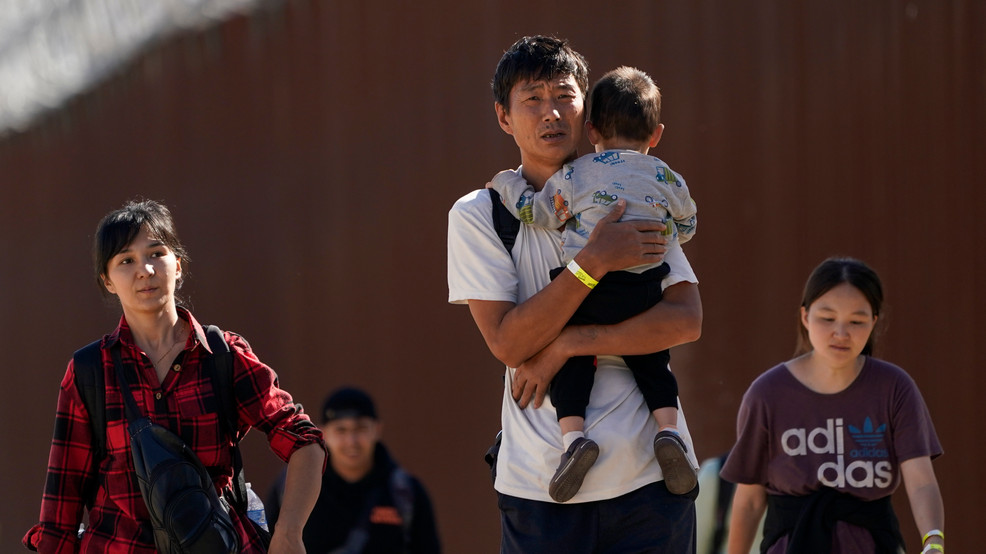
Chinese migrants, including many from the middle class, are utilizing a new route to enter the United States from Mexico, with nearly 7,000 miles of travel. Many are seeking political asylum to escape China's repressive political climate and sluggish economy. The migrants, who have learned about the entryway through social media platforms like TikTok, are paying smugglers to reach the U.S. and are often released into the country to begin the asylum process. The surge in Chinese migrants crossing the border has raised concerns about the U.S. immigration system's ability to handle the influx and the challenges of repatriating those with failed asylum claims.
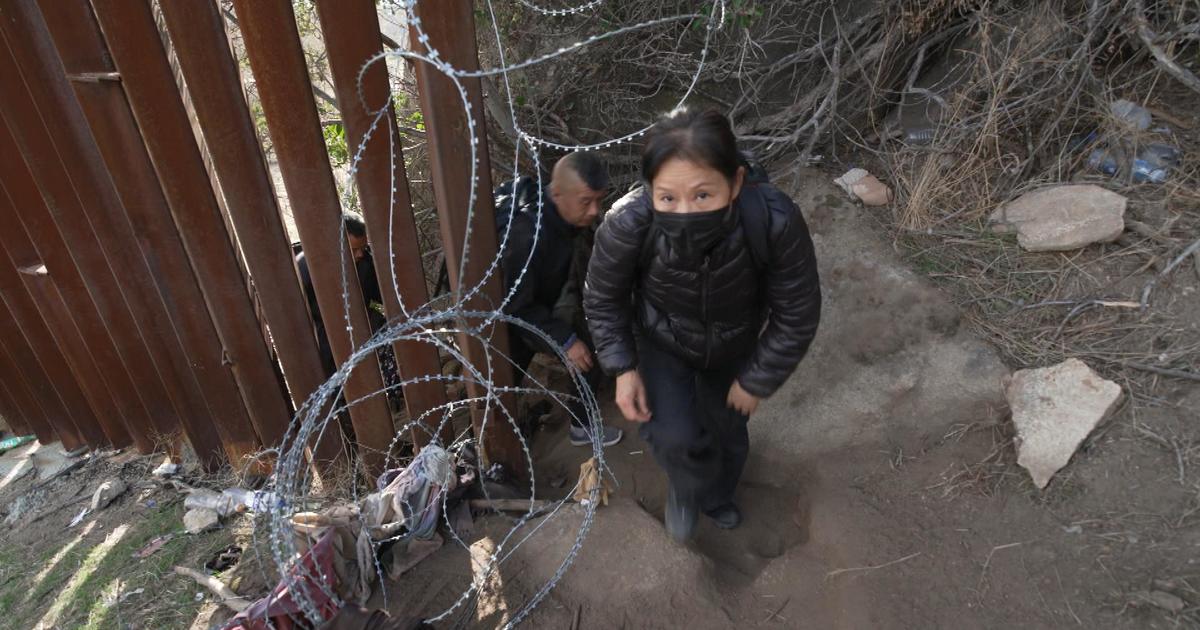
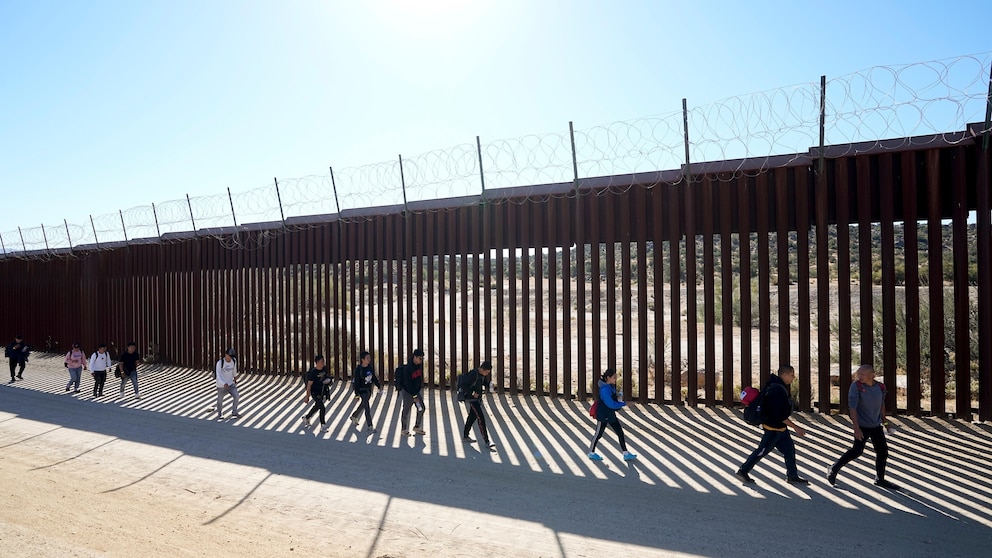
Chinese migrants, driven by a desire for freedom and escaping China's political climate and sluggish economy, are increasingly crossing the U.S.-Mexico border, with 37,000 apprehended last year, 50 times more than two years earlier. Many use TikTok for guidance, paying smugglers to reach a 4-foot gap in the border fence. With visas harder to secure, they turn to illegal crossings, seeking asylum upon surrendering to Border Patrol. However, the surge has led to challenges for residents like Jerry Shuster, who has seen thousands of migrants pass through his property, prompting frustration with authorities' inaction.
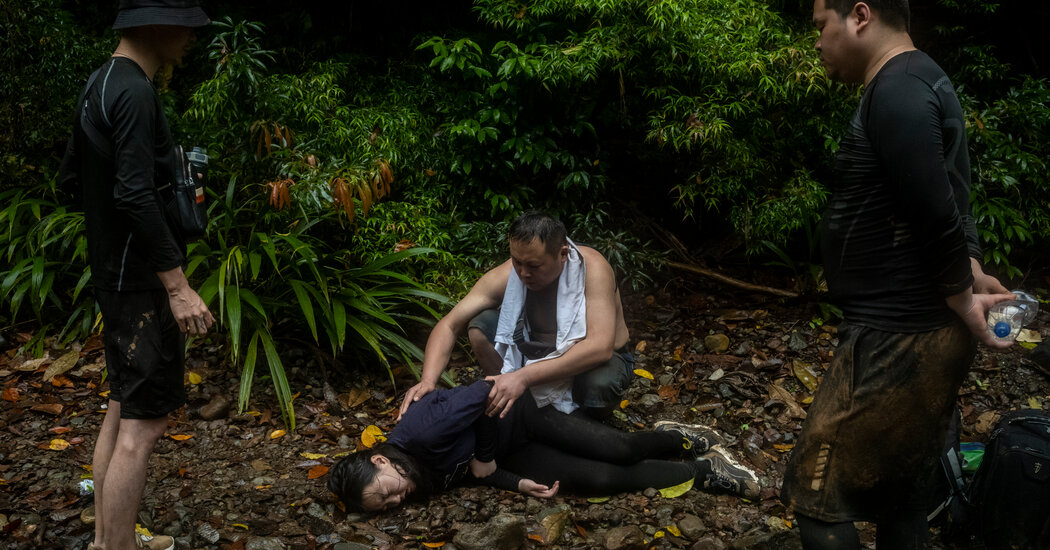
A growing number of Chinese migrants are risking dangerous journeys through the Darién Gap in Panama to reach the United States, driven by bleak economic prospects and political oppression in China. Educated and affluent Chinese are migrating through legal channels, while others are following a playbook circulating on social media: crossing the Darién Gap, surrendering to U.S. border control officers, and applying for asylum. The surge of desperate Chinese migrants is a reversal of a longtime pattern, as millions of Chinese migrated to developed countries in the past for higher living standards. However, the current migrants fear falling into poverty and see no future for themselves or their children in China under the rule of Xi Jinping.
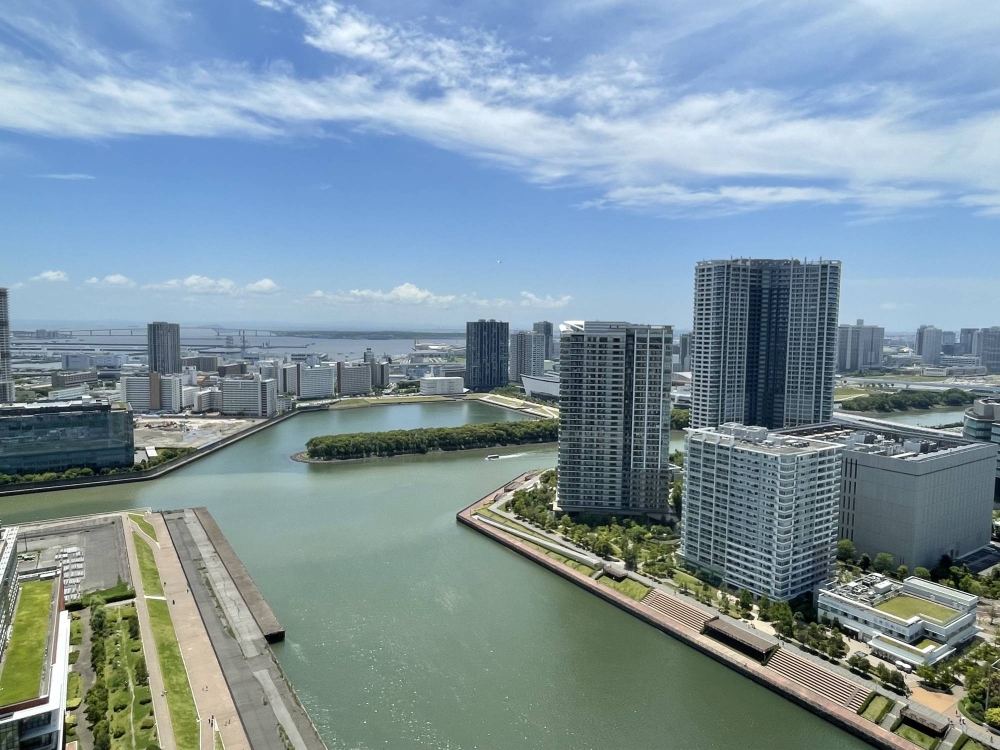
A growing number of affluent Chinese individuals are choosing Japan as their new home, seeking a better life and escaping various challenges in China. This influx of Chinese migrants is impacting the luxury housing market and increasing competition for admission into elite international schools in cities like Tokyo and Osaka. Factors driving this trend include dissatisfaction with life in China due to COVID-19 lockdowns, political tensions, the China-U.S. rivalry, and stricter business regulations. This migration wave includes not only the upper and upper-middle classes but also tycoons and intellectuals.
More than 24,000 Chinese citizens have been apprehended crossing into the United States from Mexico in the past year, surpassing the number from the previous decade combined. These migrants typically fly to Ecuador, where they don't need a visa, and then pay smugglers to guide them through the dangerous jungle between Colombia and Panama en route to the U.S. Many seek asylum and are often successful in their claims, as China usually refuses to take them back. The surge of Chinese migrants is attributed to frustration with the political environment and restrictions related to the pandemic in China. Flushing, Queens, has become a prime destination for these migrants due to its established Chinese community. The U.S. faces challenges in repatriating Chinese citizens due to China's lack of cooperation, and the trend of Chinese citizens leaving the country poses long-term challenges for China's shrinking population and slowing economy.
Chinese migrants are increasingly taking a dangerous and arduous journey to the U.S.-Mexico border to seek asylum, driven by a repressive political climate and bleak economic prospects in China. Many Chinese nationals are crossing the Darién Gap, a treacherous jungle in Panama, after traveling through several countries. Social media platforms provide step-by-step guides and tips for the journey, while translation apps help migrants navigate through Central America. The number of Chinese migrants crossing the Darién has been rising, with September seeing a peak in arrests at the U.S. border. Chinese migrants face challenges in the U.S. asylum process but are willing to endure them for the promise of freedom and better opportunities.
Chinese migrants are increasingly seeking asylum at the US-Mexico border, with a major influx of Chinese nationals crossing the perilous Darién Gap jungle route. Many Chinese asylum-seekers are fleeing an oppressive political climate and bleak economic prospects in China. The COVID-19 pandemic temporarily halted emigration, but with China's struggling economy and high youth unemployment, emigration has resumed. Chinese migrants are using social media and online platforms to navigate the journey, which can cost thousands to tens of thousands of dollars. The US-Mexico border arrests of Chinese migrants have surged, with the majority being single adults. Catholic Charities of San Diego provides temporary shelters for migrants, including a significant number of Chinese nationals.