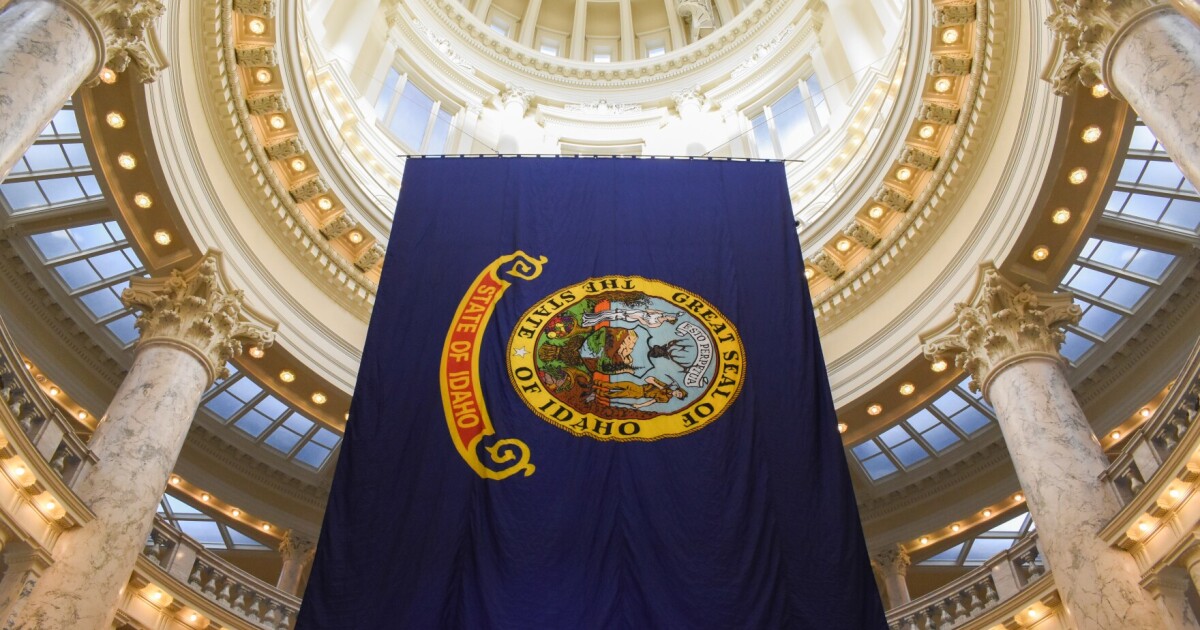
Several new laws will take effect in Idaho in 2026, including an anti-SLAPP law to protect free speech, expanded coverage for advanced breast cancer screenings, prorated homeowner exemptions, improved towing transparency, and a delay in restricting SNAP purchases of sugary foods.
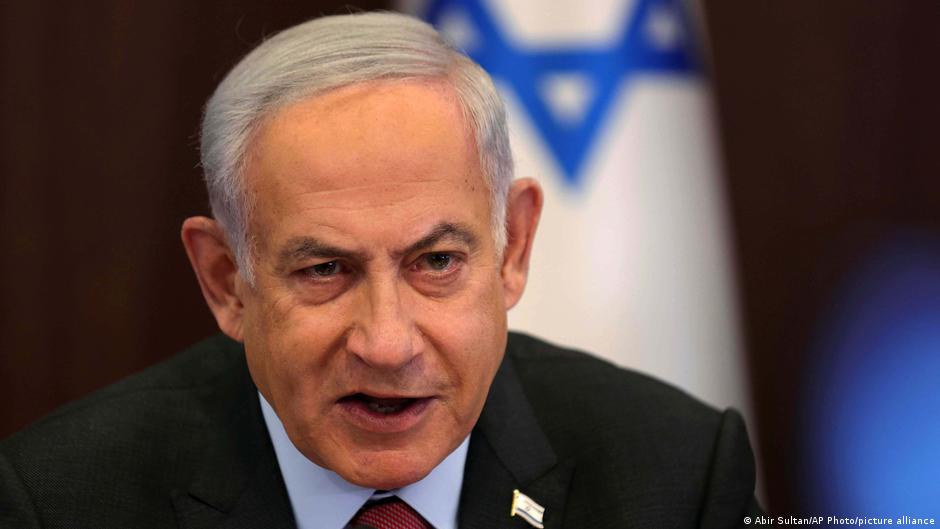
The Israeli government, led by Netanyahu, plans to shut down Galei Tzahal, a respected military radio station known for impartial journalism and critical content, citing concerns over divisive broadcasts and morale. The move has faced opposition from critics who see it as an attack on free speech and media independence, with legal challenges expected.
Jennifer Lawrence publicly condemned the situation in Gaza as 'no less than a genocide' during a film festival, expressing her fears for children worldwide and emphasizing the importance of accountability and free speech. She also discussed her new film 'Die My Love' and the broader issues of political integrity and artistic expression.
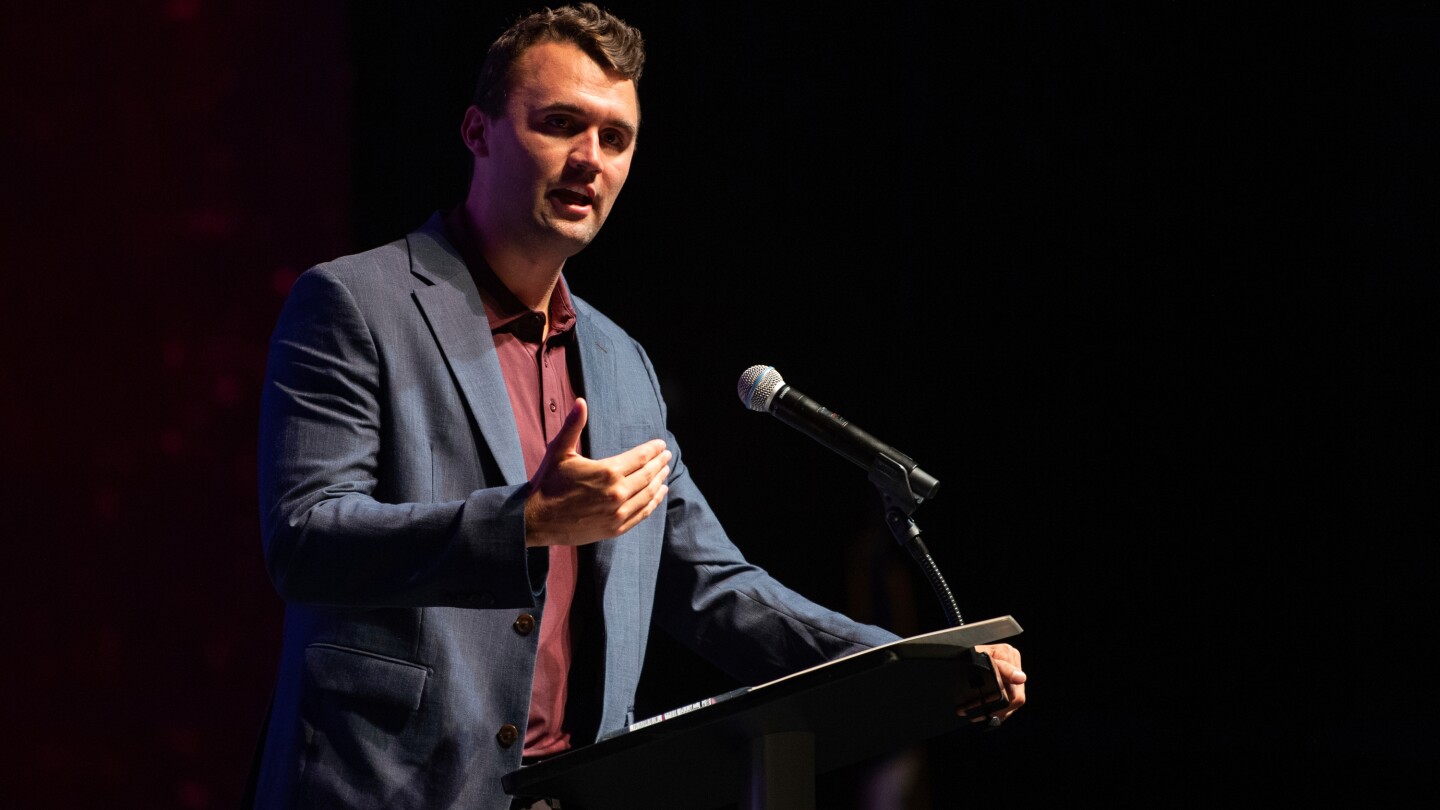
Stephen Colbert mocked Disney for suspending Jimmy Kimmel Live! and defended free speech, criticizing FCC and Disney's actions following Kimmel's comments on Charlie Kirk's killer, highlighting ongoing tensions in media and politics.
The article discusses the limited protections for employees' free speech at work in the U.S., highlighting how social media and political debates impact employment, with employers often having significant leeway to discipline or fire employees for their public comments, especially in private workplaces, while public sector employees have some First Amendment protections.
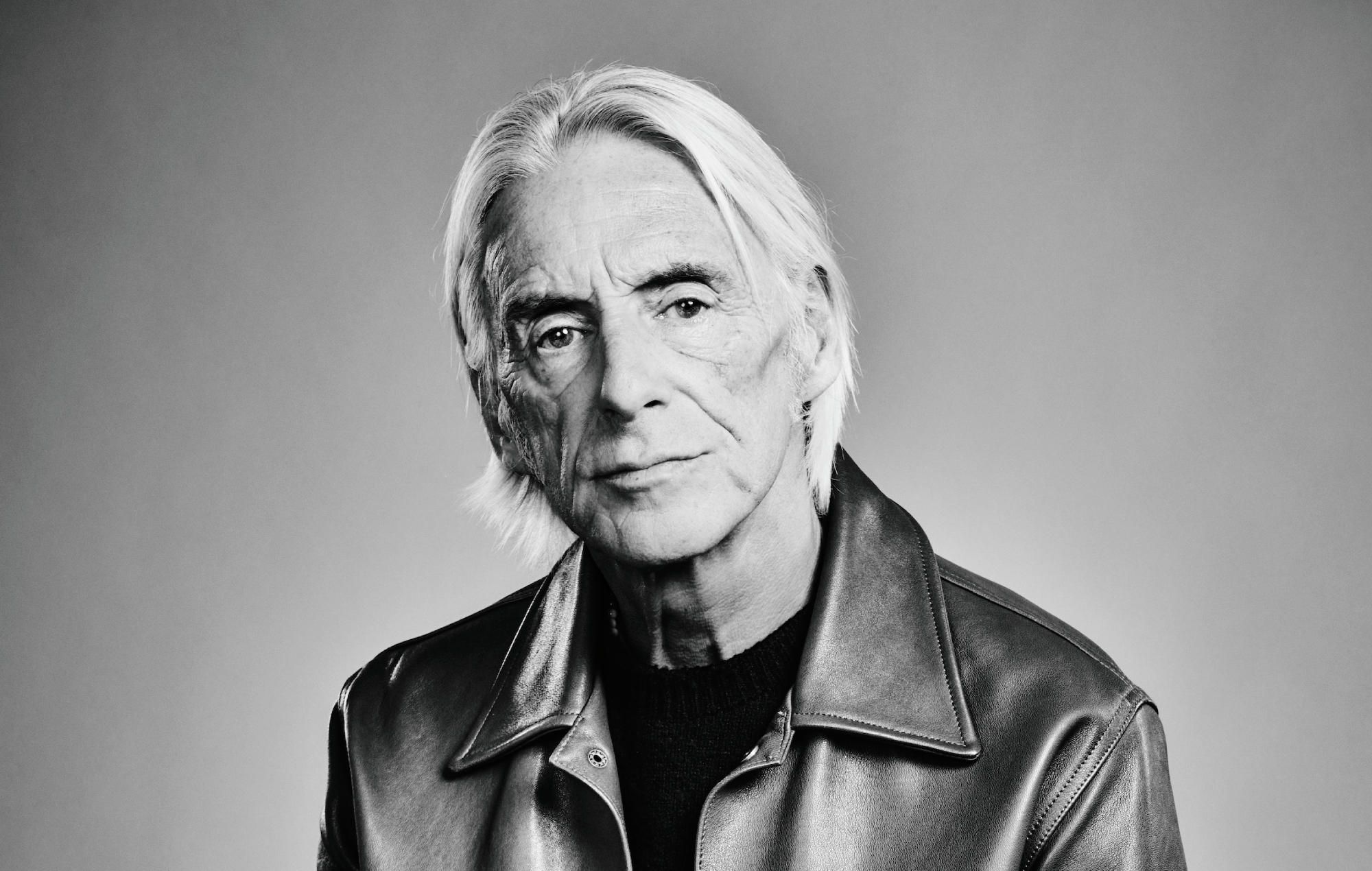
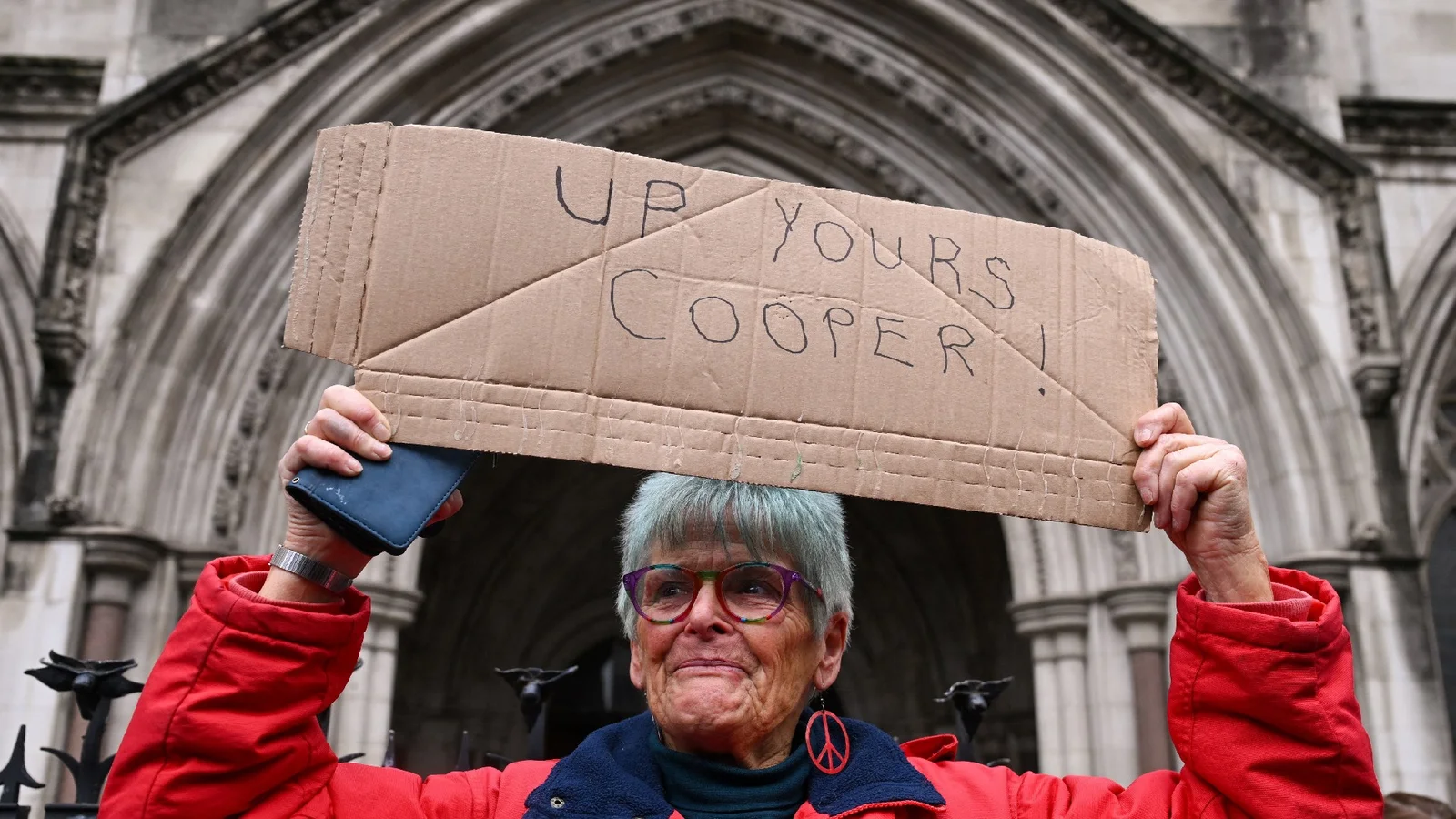
Paul Weller is suing his former accountants for discrimination after they ceased working with him due to his public criticism of Israel's actions in Gaza, claiming their decision was based on his political beliefs and constitutes unlawful discrimination. Weller, a vocal supporter of Palestine, plans to donate any damages to Gaza humanitarian efforts, highlighting broader issues of silencing artists supporting Palestinian rights.
Turkish police detained four cartoonists after a viral cartoon depicting religious figures sparked protests and condemnation from authorities, who labeled it a provocation and launched an investigation under laws against insulting religious values. The cartoon, published in LeMan magazine, was clarified by the magazine not to depict the Prophet Mohammed, but it still led to protests and police action in Istanbul.
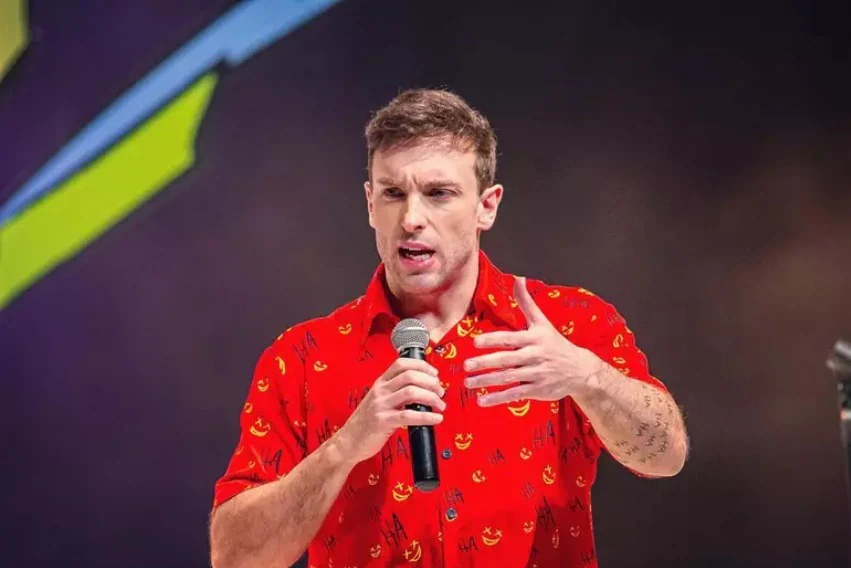
Brazilian comedian Leo Lins was sentenced to over 8 years in prison for making bigoted jokes about various groups, highlighting ongoing tensions between freedom of expression and anti-discrimination laws in Brazil. The case has sparked debate over the limits of comedy and free speech, with some viewing the ruling as a necessary measure against hate speech, while others see it as an infringement on civil liberties.
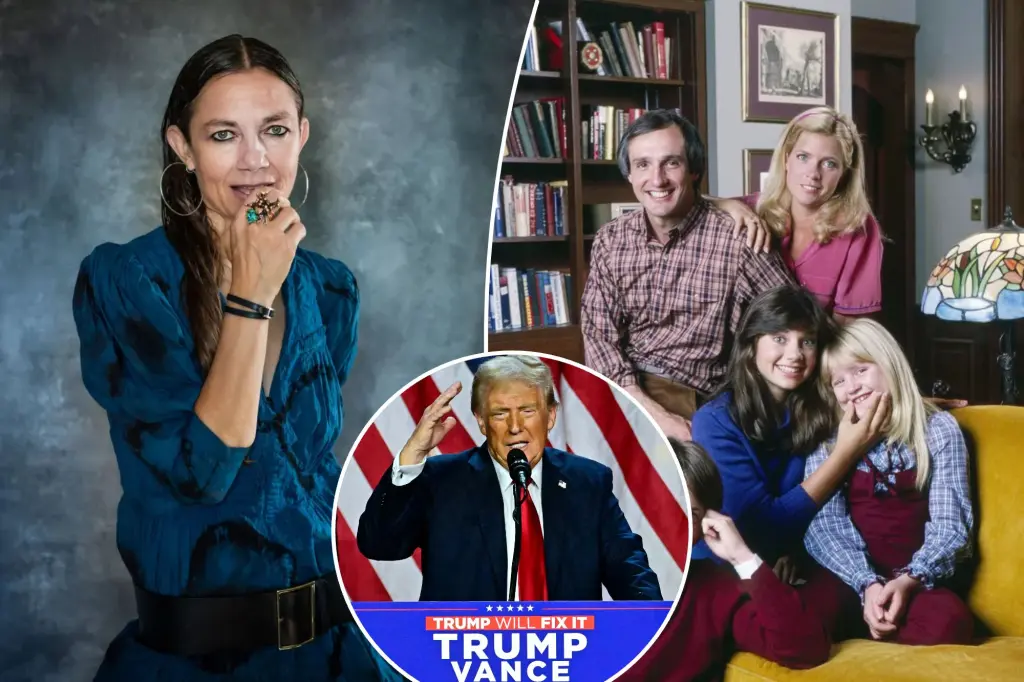
Justine Bateman, known for her role in 'Family Ties,' has spoken out about the social climate during the Biden administration, likening it to George Orwell's '1984' due to the pressure to conform to certain opinions on social media. Bateman expressed relief after Trump's election, despite backlash from peers, and emphasized the importance of free expression without fear of social ostracism. She advocates for open dialogue and rejects the notion of being labeled by political or social affiliations, focusing instead on individual freedom and character.
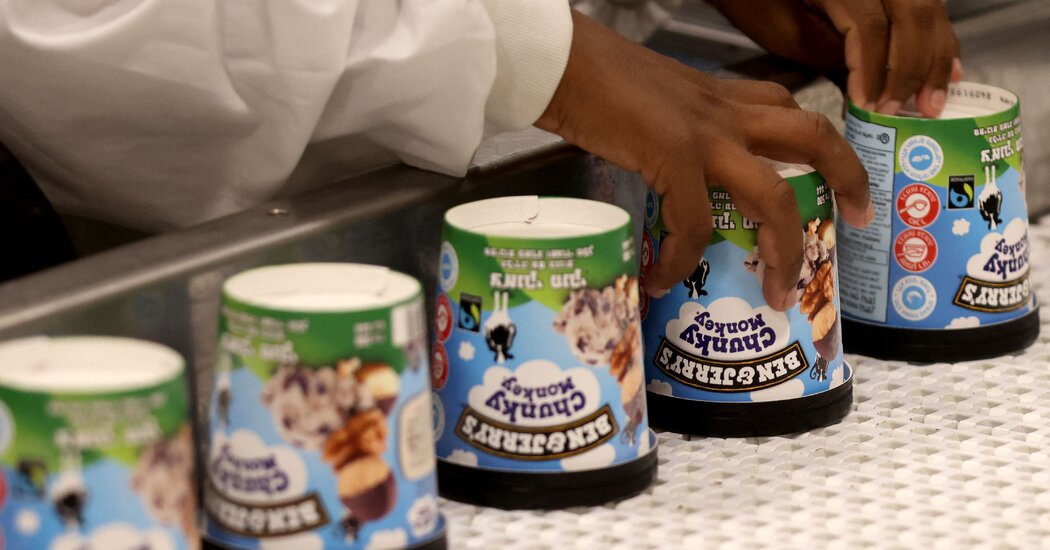
Ben & Jerry's has accused its parent company, Unilever, of attempting to silence its stance on the Gaza conflict. The ice cream brand, known for its social activism, claims that Unilever is trying to prevent it from expressing its views on the situation in Gaza, raising concerns about corporate governance and freedom of speech within the company.
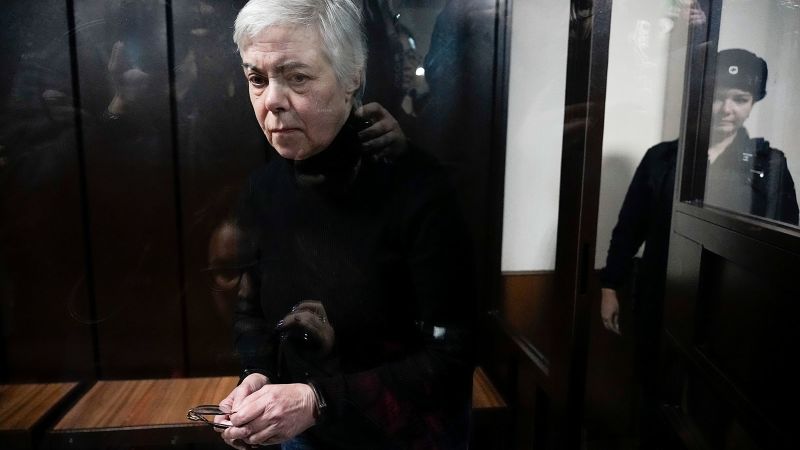
Dr. Nadezhda Buyanova, a 68-year-old pediatrician, was sentenced to 5.5 years in prison in Russia for allegedly spreading false information about the Russian military after criticizing the war in Ukraine. The case, which has drawn significant public attention and outcry, highlights the Kremlin's ongoing crackdown on dissent. Buyanova, who denies the accusations, was reported by a patient's mother, leading to a high-profile trial despite a lack of evidence. Her conviction is part of broader efforts to suppress criticism of Russia's actions in Ukraine.
A Russian pediatrician, Nadezhda Buyanova, has been sentenced to five-and-a-half years in a penal colony for allegedly making negative remarks about the Russian military's involvement in Ukraine. The case, based on accusations from a patient's mother, highlights Russia's stringent laws against spreading false information about the armed forces, which have been used to suppress dissent since the invasion of Ukraine. Buyanova denies the allegations, and her harsh sentence has shocked supporters and raised concerns about increasing repression in Russia.
A Russian court sentenced 68-year-old Moscow pediatrician Nadezhda Buyanova to five and a half years in prison for allegedly criticizing Russian soldiers in Ukraine, following accusations by a patient's mother. The case, lacking solid evidence and based on testimony from the mother and her child, highlights the intensifying repression in Russia against dissenters of the Ukraine war. Human rights groups have condemned the verdict, with Memorial listing Buyanova as a political prisoner. The case underscores the climate of fear and denunciation in Russia, reminiscent of Stalin-era repressions.
Jacob Hersant, a self-described Nazi, has become the first person in Australia to be jailed for performing an outlawed Nazi salute, receiving a one-month prison sentence in Victoria. The salute, performed outside a court, was outlawed shortly before the incident. Hersant's lawyer plans to appeal, arguing the act was nonviolent and protected by political communication rights. The court, however, deemed the sentence appropriate due to Hersant's promotion of Nazi ideology and white supremacy.
Elon Musk's social media platform X has updated its policies to formally allow consensual adult content, labeling it as a legitimate form of artistic expression. The new guidelines, which replace the former Sensitive Media and Violent Speech policies, restrict exposure to graphic material for children and users who opt out. The platform continues to prohibit content promoting exploitation, nonconsent, and harm to minors. This change formalizes a tolerant stance towards adult content that existed before Musk's acquisition of Twitter.