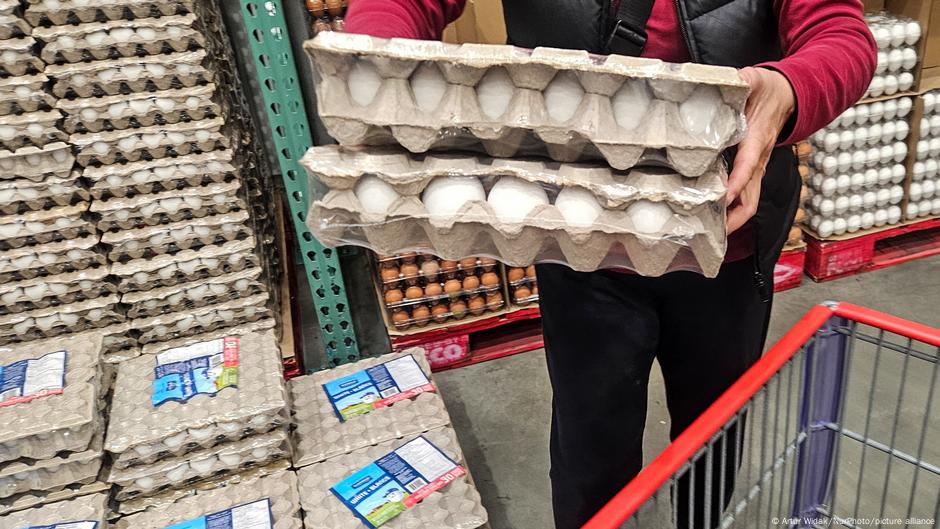
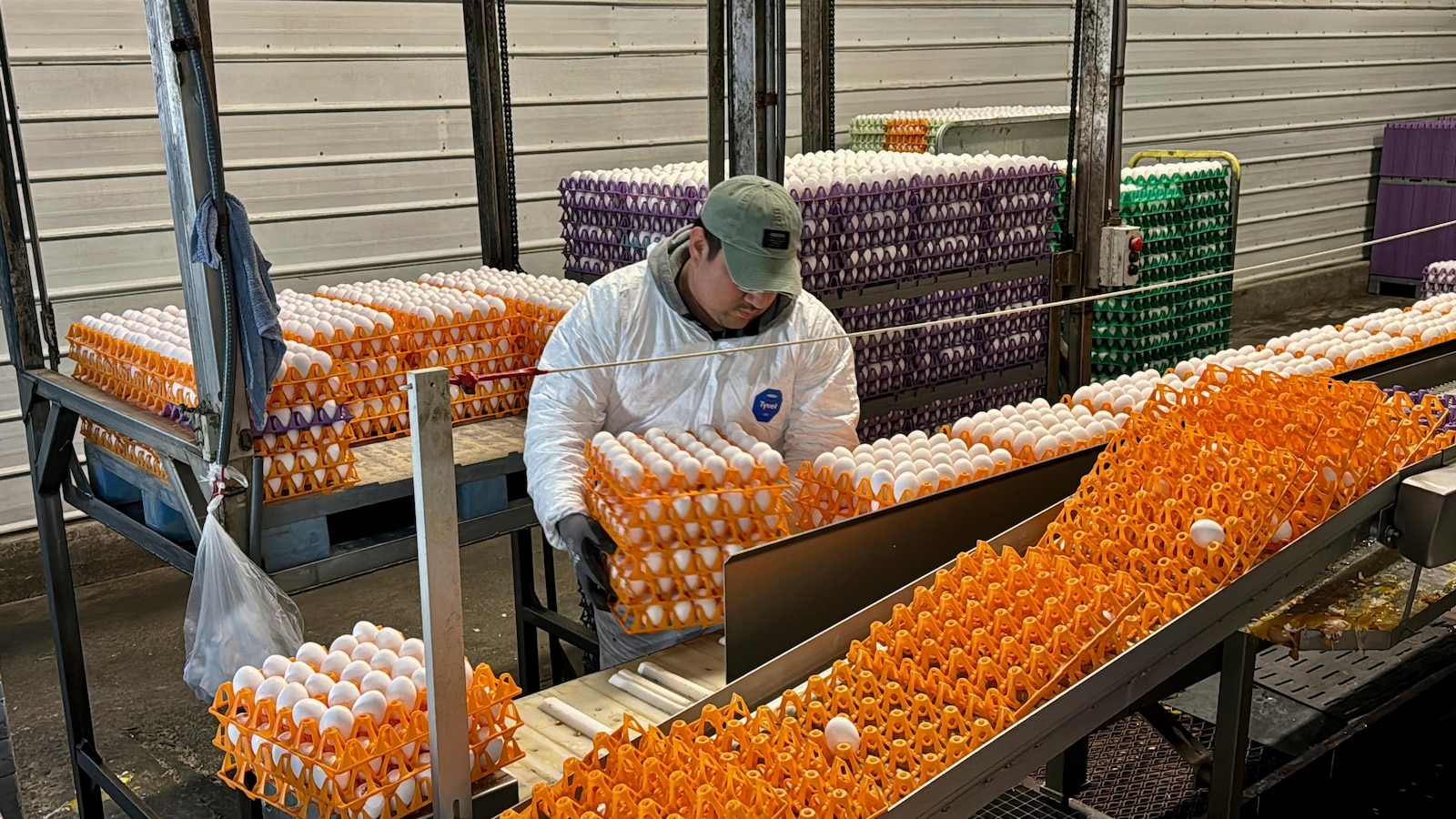
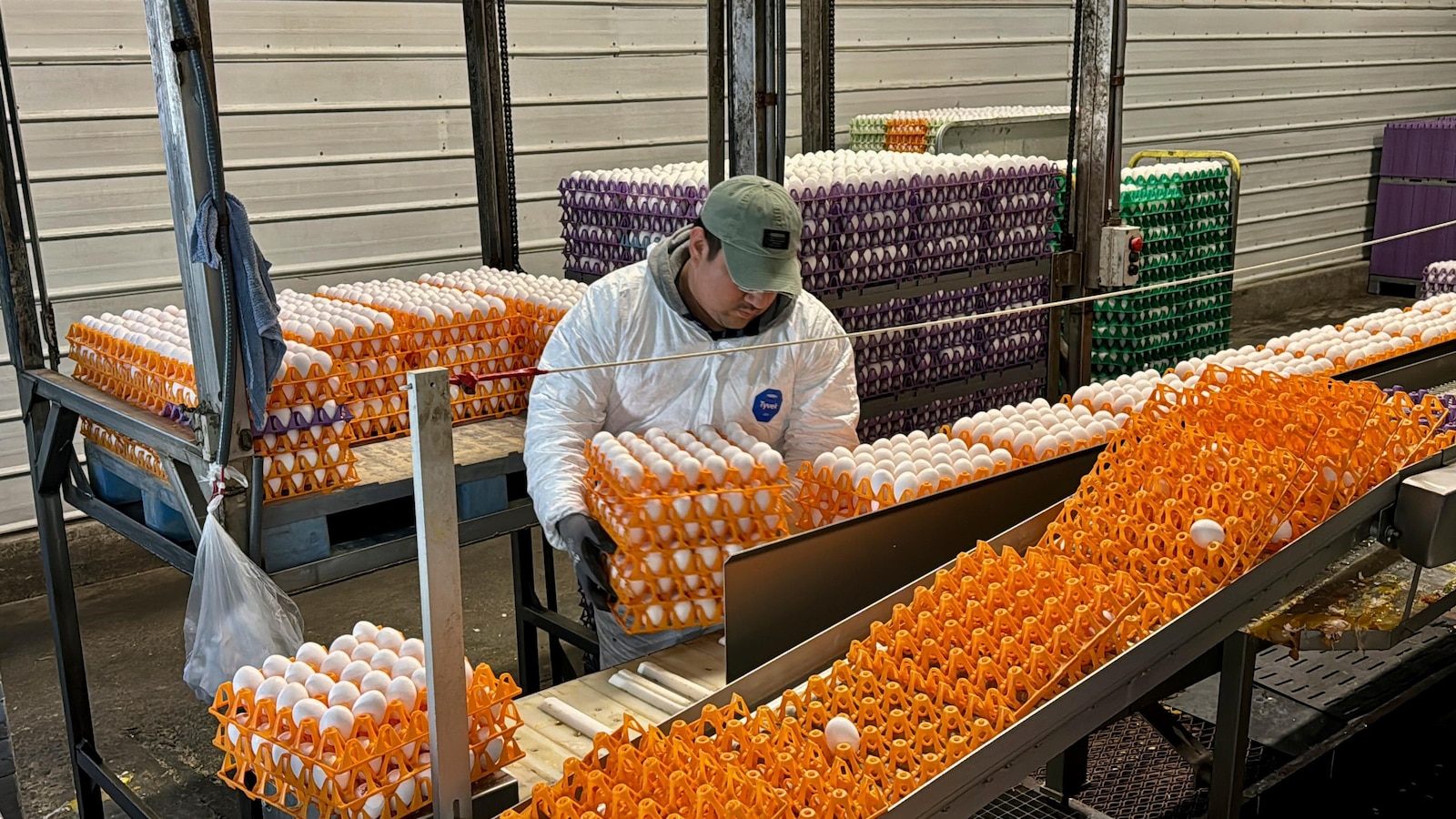
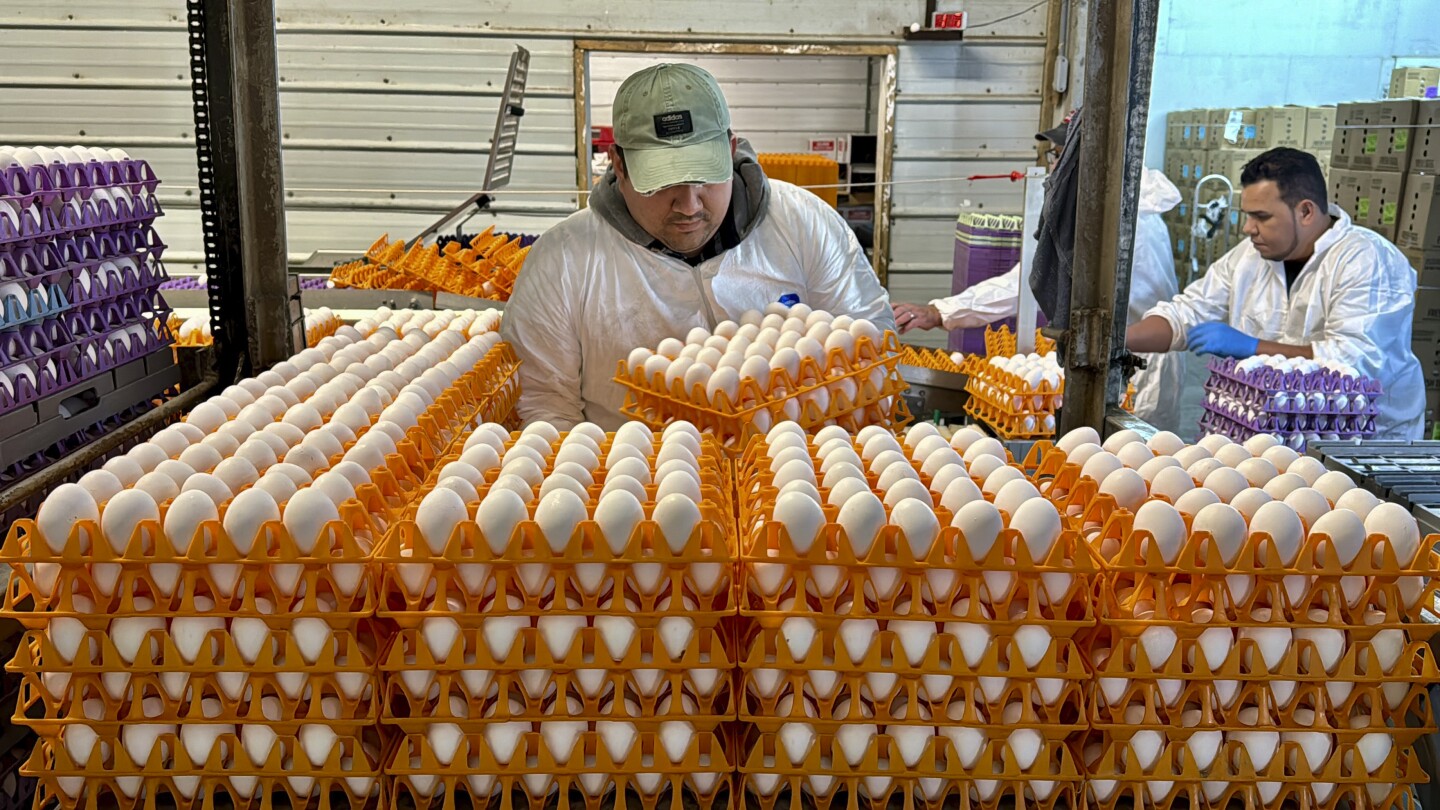
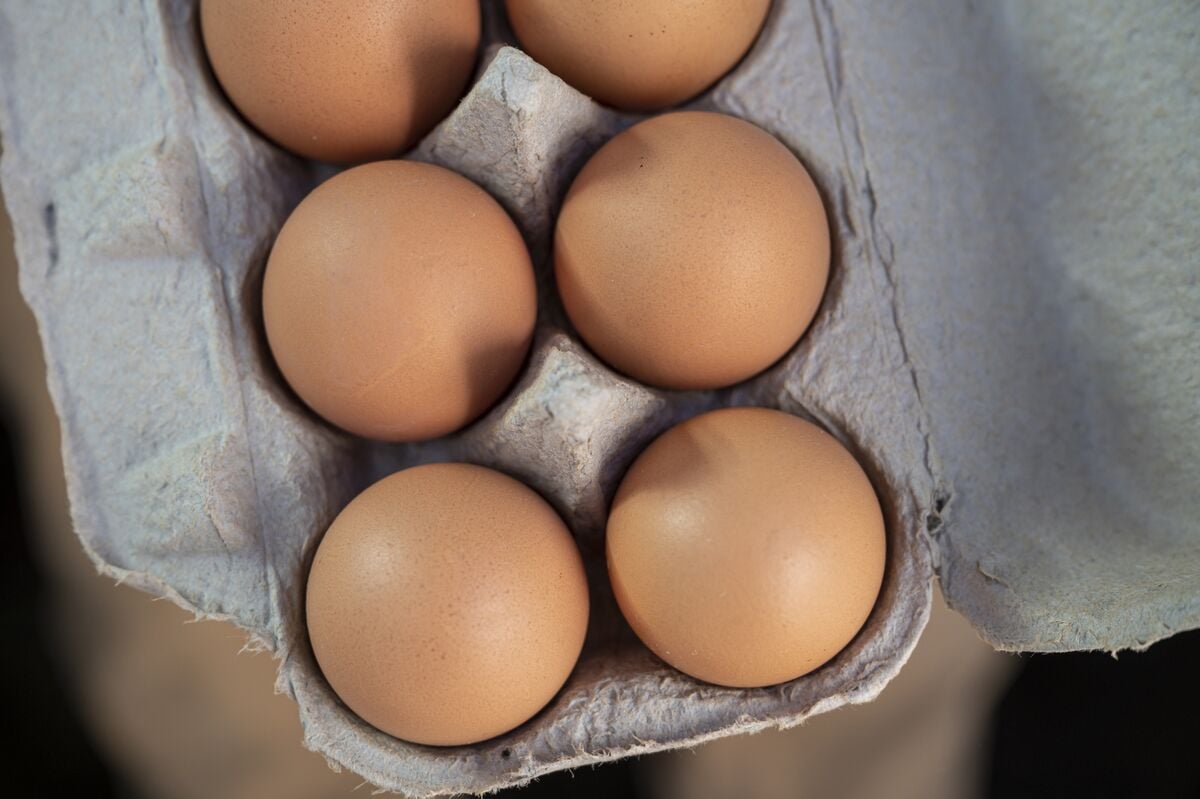
The Trump administration sued California over its egg farm regulations, claiming they contribute to rising egg prices and violate federal laws by imposing unnecessary standards that affect egg prices nationwide, amidst ongoing concerns about inflation and bird flu impacts.
Waffle House has removed its 50-cent surcharge on dishes containing eggs, which was implemented in February due to soaring egg prices caused by a bird flu epidemic that reduced supply. The surcharge was officially lifted as of June 2, and egg prices have since decreased but remain higher than last year.
Waffle House has removed its 50-cent egg surcharge amid falling egg prices, which have decreased significantly from their peak earlier this year, reflecting broader improvements in the U.S. egg market and economy.
A major US egg farm, Hickman's Egg Ranch in Arizona, has lost 90% of its chickens due to a bird flu outbreak, highlighting ongoing risks of endemic avian influenza in the US and its impact on the poultry industry and egg prices.
As the holiday season approaches, concerns about bird flu affecting humans through turkeys are rising. The outbreak has also led to increased egg prices, impacting holiday meals. Additionally, weather conditions play a significant role in the spread and impact of bird flu.
Egg prices are soaring globally due to avian flu outbreaks, high demand, and increased costs for farmers, with prices in the US averaging $2.99 per dozen in February. Factors such as feed price hikes, COVID-related disruptions, and the war in Ukraine have contributed to the increase. Government regulations and the transition to cage-free facilities have also impacted prices. While prices are expected to decrease around 2.8% in the US this year, they are unlikely to return to pre-COVID levels.
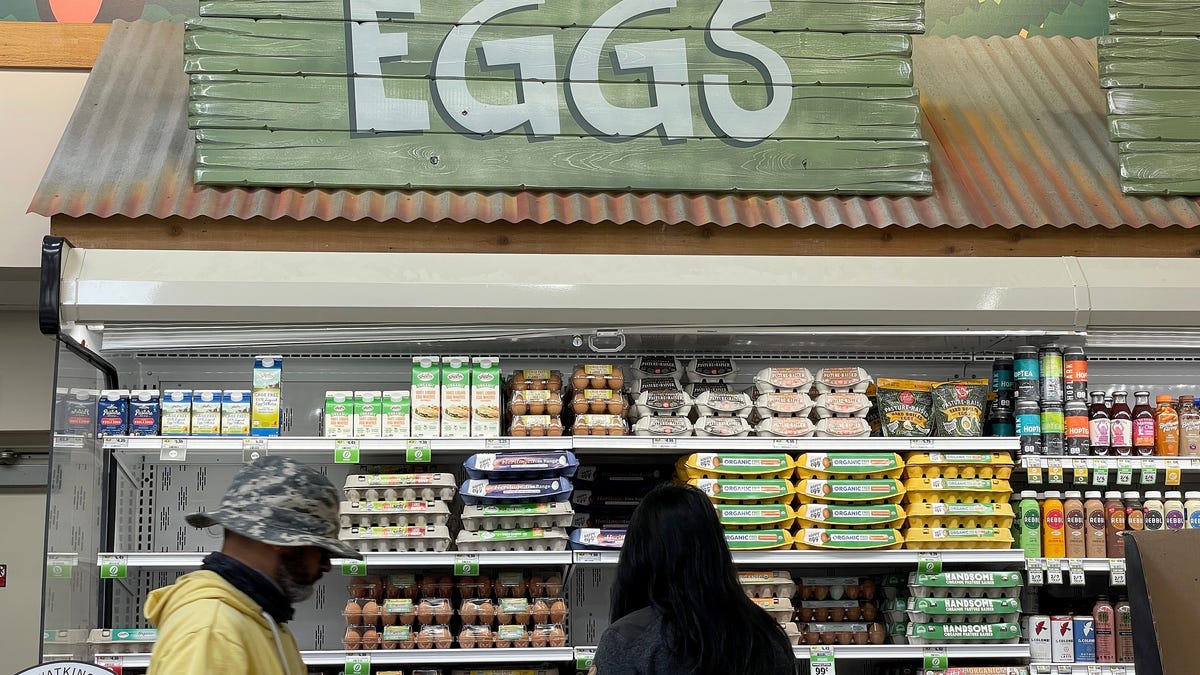
Egg prices are still high this Easter, with a dozen eggs averaging around $3, down from last year's record but still more than double pre-pandemic costs. Some consumers are considering alternatives to dyeing eggs due to the expense, while others plan to continue the tradition despite the high prices. The cost of eggs is a significant factor for many, with 35% of surveyed consumers citing high prices as a deterrent. Despite the expense, some argue that eggs still provide good value compared to other food items, and their nutritional benefits make them a worthwhile purchase. The recent surge in egg prices is attributed to avian flu outbreaks, leading to fluctuations in costs over the past year.
Egg prices remain near historic highs globally due to avian flu outbreaks, high demand, and rising costs for farmers. Disease, high demand, and inflation have contributed to the elevated prices, with avian flu causing significant poultry deaths worldwide. Factors such as weather, COVID-related disruptions, and the war in Ukraine have also impacted feed prices for farmers. While prices are expected to decrease in the U.S., the holiday demand for eggs will ease heading into summer, and improving biosecurity measures should help mitigate the impact of avian flu.
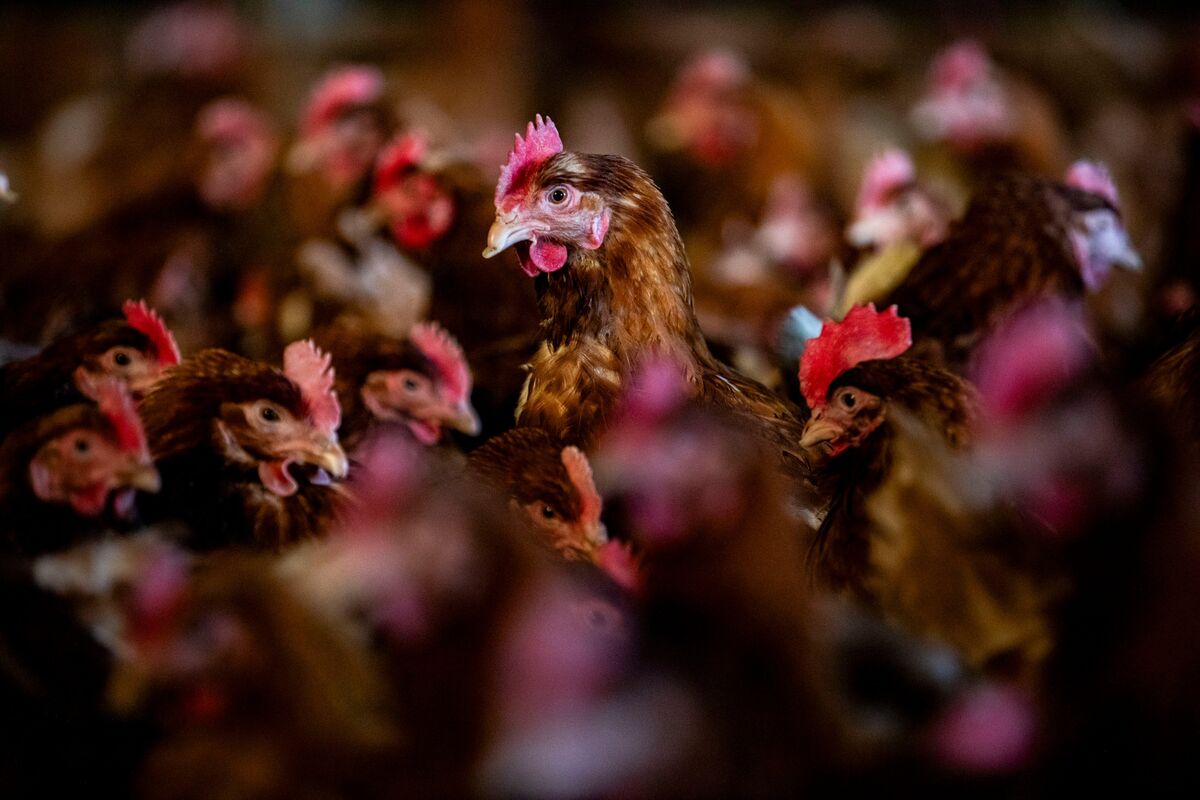
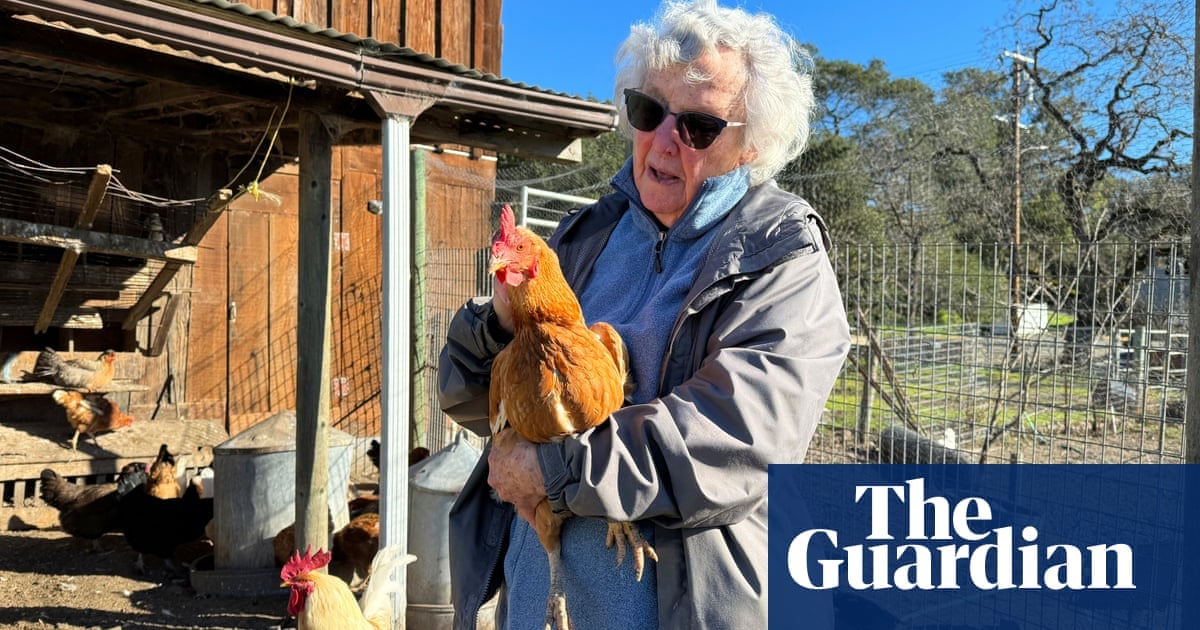
An avian flu outbreak has forced US egg farmers in California to cull millions of birds, causing economic devastation and a spike in egg prices. The highly contagious virus, spread by migratory birds, has led to the destruction of over 1 million birds in Sonoma and Merced counties. Experts attribute the outbreak to climate change disrupting wild bird migration patterns. The poultry industry faces an existential threat, with concerns about backyard flocks spreading the virus to commercial farms. Farmers are implementing strict biosecurity measures, while affected farms are working to recover and rebuild their flocks.
Avian flu outbreaks have devastated poultry farms in California, leading to the slaughter of over 1 million birds in Sonoma and Merced counties. The highly contagious virus, spread by migratory birds, has prompted strict biosecurity measures and a state of emergency declaration in Sonoma County. The outbreaks have caused a spike in egg prices and raised concerns about the virus spreading to backyard flocks. Despite the challenges, affected farmers are working to recover and rebuild their flocks.
Avian flu outbreaks have devastated poultry farms in California, with nearly a million birds slaughtered in Sonoma County and Merced County due to the highly contagious virus. The disease has led to economic losses for farmers and caused a spike in egg prices. Experts attribute the outbreaks to migratory birds spreading the virus, and climate change is increasing the risk of such incidents. Strict biosecurity measures are being implemented, and concerns are raised about backyard chickens potentially spreading the flu to commercial farms. The poultry industry faces a long road to recovery as farms work to rebuild their flocks and mitigate the impact of the outbreaks.
Avian flu outbreaks have devastated poultry farms in California, leading to the slaughter of over 1 million birds in Sonoma and Merced counties. The highly contagious virus, spread by migratory birds, has prompted strict biosecurity measures and caused a spike in egg prices. Experts attribute the outbreak to climate change and warn of the risk to both commercial and backyard flocks. Despite the devastation, farmers like Mike Weber of Sunrise Farms are working to recover and protect their remaining flocks.
Avian flu outbreaks have devastated poultry farms in California, with nearly a million birds being destroyed in Sonoma County alone. The highly contagious virus has also affected Merced County, prompting strict biosecurity measures and indoor confinement for poultry. The outbreaks have led to a spike in egg prices and raised concerns about the virus spreading from backyard flocks to commercial farms. Experts attribute the increased risk of outbreaks to climate change and changing migratory patterns of wild birds. Despite the challenges, affected farms are working to recover and rebuild their flocks.
Egg prices are rising again due to the latest outbreak of bird flu, leading to a phenomenon dubbed "Eggflation." This increase in egg prices is likely to impact consumers and contribute to overall inflation in the food sector.
Egg prices are expected to increase as the top US producer, Cal-Maine Foods, experiences its first-ever outbreak of deadly avian influenza. The company's facility in Kansas tested positive for highly pathogenic bird flu, affecting around 1.6% of its flock, or 684,000 egg-laying hens. Cal-Maine shares surged by as much as 9.9% in response to the news.