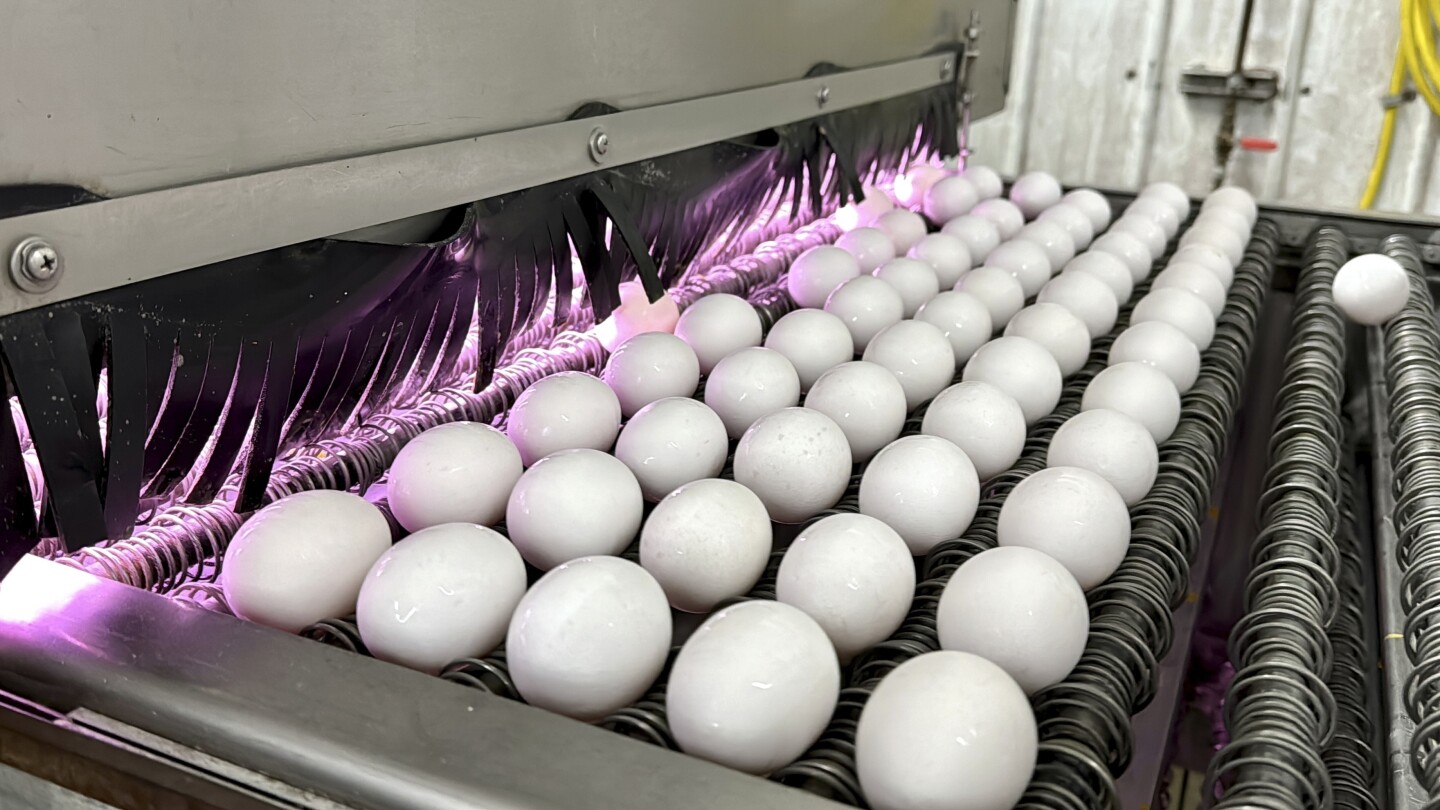
Egg prices remain near historic highs globally due to avian flu outbreaks, high demand, and rising costs for farmers. Disease, high demand, and inflation have contributed to the elevated prices, with avian flu causing significant poultry deaths worldwide. Factors such as weather, COVID-related disruptions, and the war in Ukraine have also impacted feed prices for farmers. While prices are expected to decrease in the U.S., the holiday demand for eggs will ease heading into summer, and improving biosecurity measures should help mitigate the impact of avian flu.
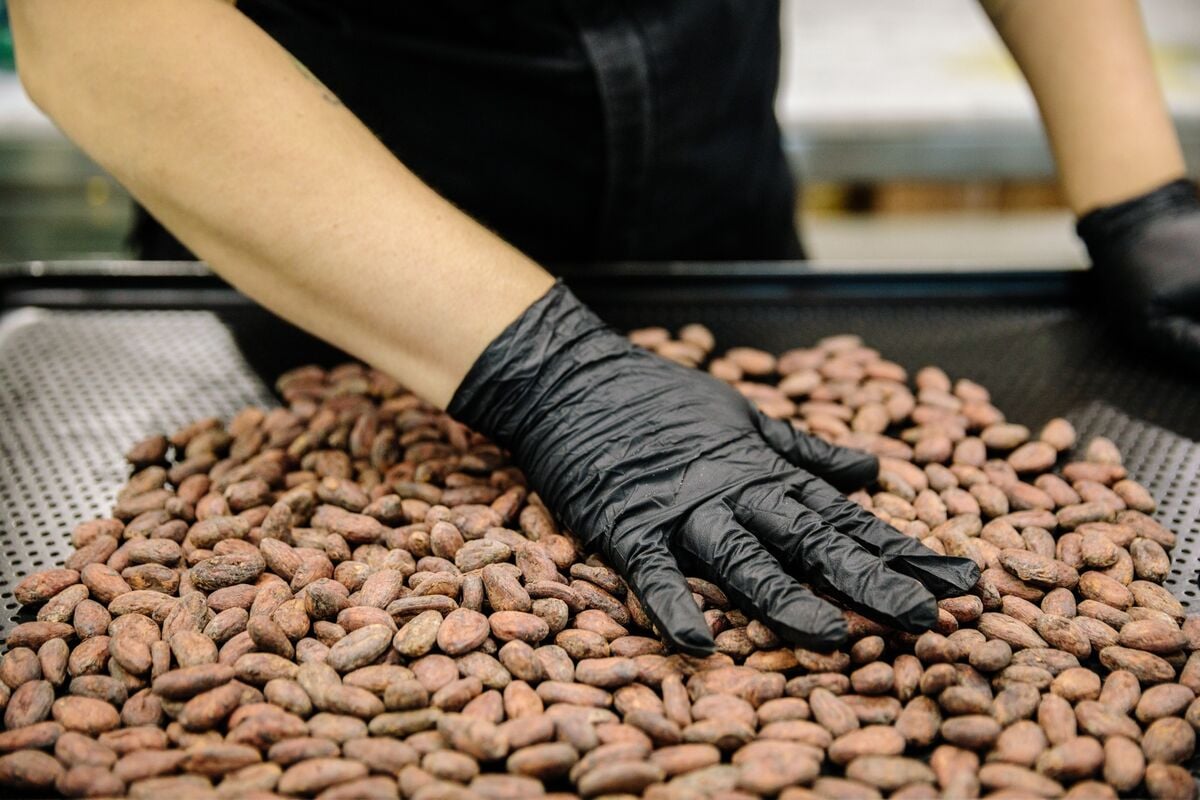
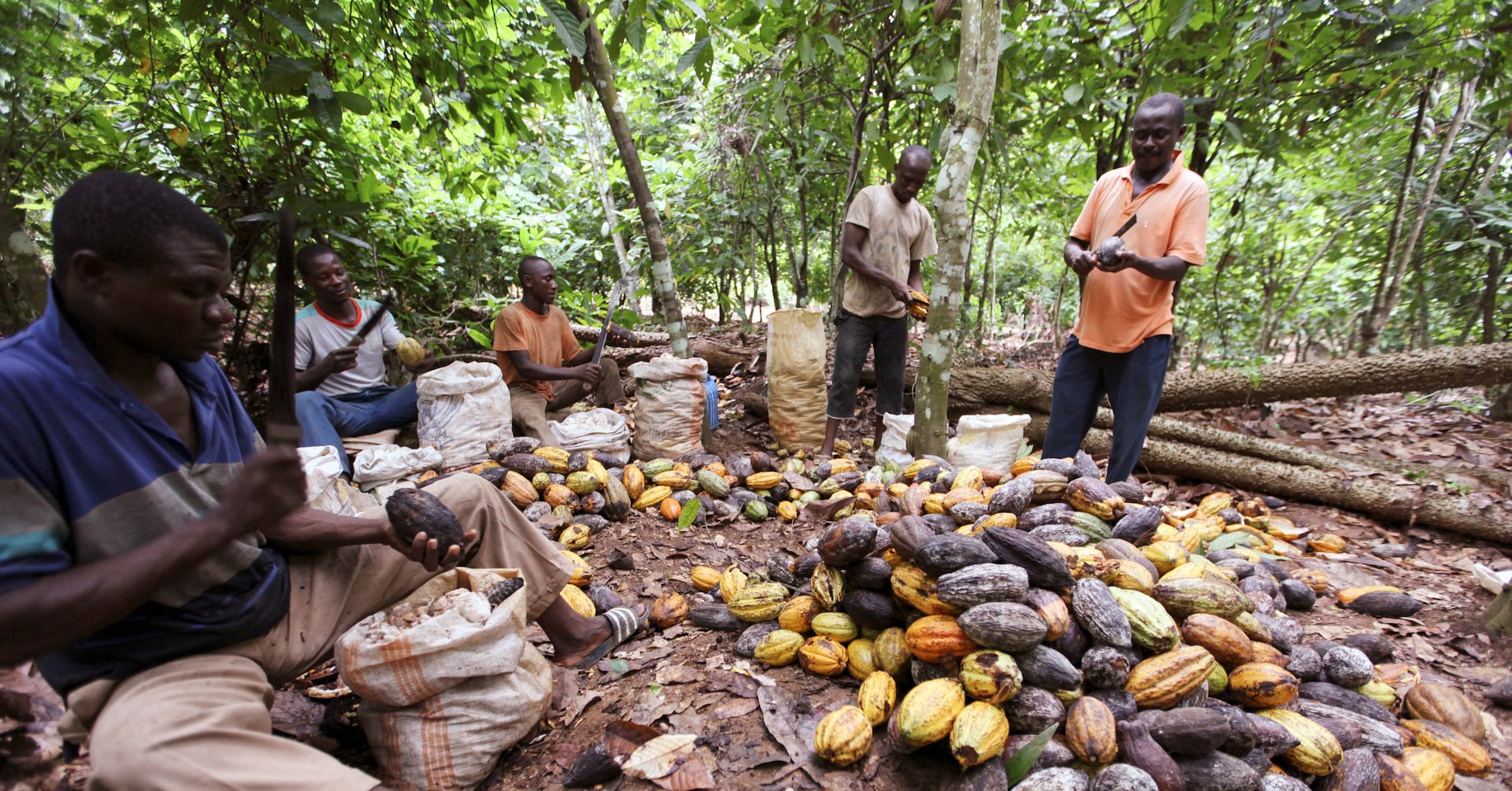
Cocoa prices have surged past $9,000 a ton for the first time ever due to a supply shortage in the market, with futures climbing about 50% in March and more than doubling this year. Poor harvests in West African cocoa-growing regions, caused by bad weather and crop disease, have led to the industry being in a bind, which will likely result in higher chocolate costs throughout the year.
Major African cocoa plants in Ivory Coast and Ghana have stopped or cut processing due to the inability to afford buying beans, leading to a global chocolate price surge. With cocoa prices doubling over the last year and a fourth year of poor harvests expected, consumers are likely to pay more for chocolate. The market faces a deficit, with processors struggling to buy beans and supply less butter at higher prices to chocolate-makers. This disruption has led to a breakdown in the established cocoa trade mechanism, causing a shortage of beans for local processors and global traders.
Deere & Co. has reduced its annual profit outlook due to falling crop prices, impacting farmers' ability to purchase equipment. The company's net income for the fiscal year is now expected to be between $7.5 billion and $7.75 billion, down from its initial outlook. Deere's shares fell as much as 5.5% following the announcement. The company cited weakening agricultural demand in Europe as a primary driver for the updated outlook and is counting on product advancements, such as AI-powered crop sprayers and autonomous tractors, to attract customers.
Deere & Co cut its 2024 profit forecast due to farmers' reluctance to make big equipment purchases amid high borrowing rates and falling crop prices, leading to a 5.4% drop in its shares. The company expects net income for fiscal 2024 to be $7.50 billion to $7.75 billion, below analysts' predictions. Demand for farm equipment is anticipated to be weaker in Central and Eastern Europe due to ongoing conflict in Ukraine and extreme weather conditions impacting crop yields. Deere plans to manage inventory levels and cut equipment production in 2024 while operating margins contracted due to lower sales of large agriculture equipment.
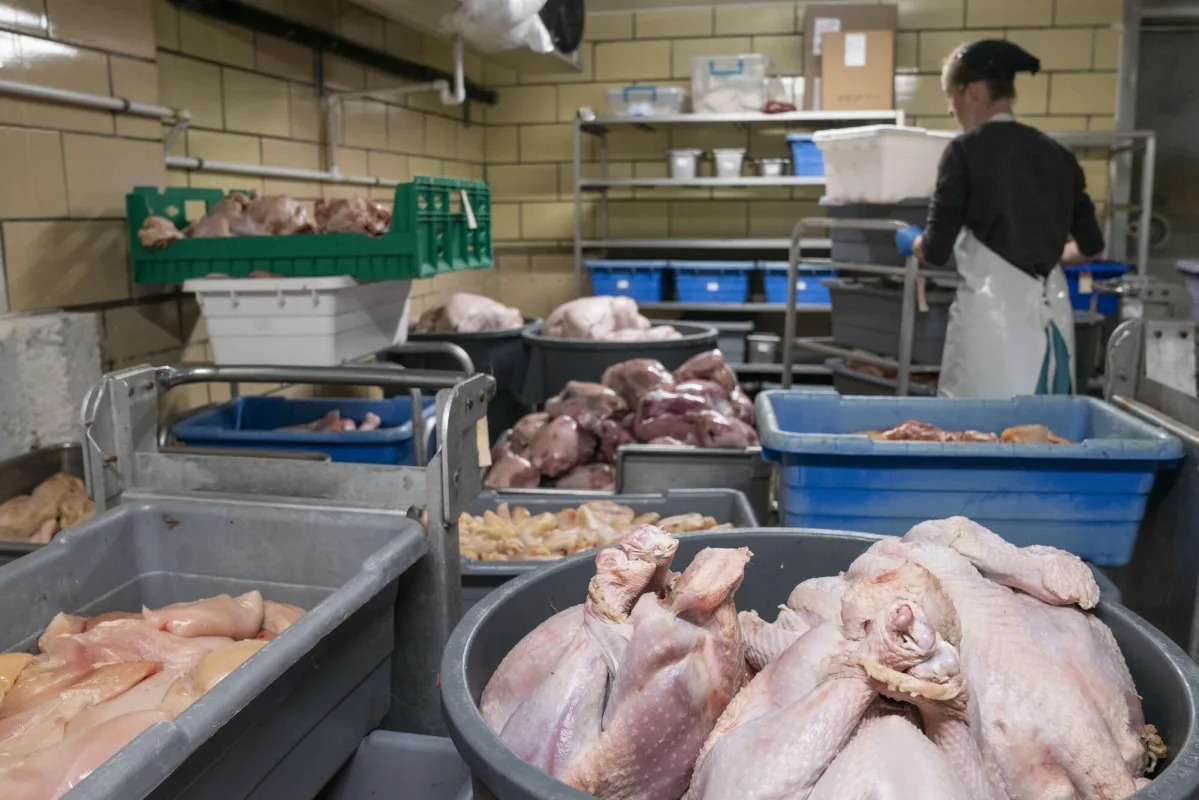
The emerging renewable fuel industry is expected to lower meat prices in the US by reducing the cost of animal feed, particularly soymeal, which is a byproduct of soybean processing. This will lead to increased meat production and ultimately result in lower prices at the grocery store, providing relief to inflation-fatigued households. However, it may take months or even years for these cost savings to reach consumers, and other factors such as corn availability, labor, logistical disruptions, and consumer demand also influence meat prices. Meatpackers are expected to benefit from lower input costs, and the surplus meat produced may be exported.