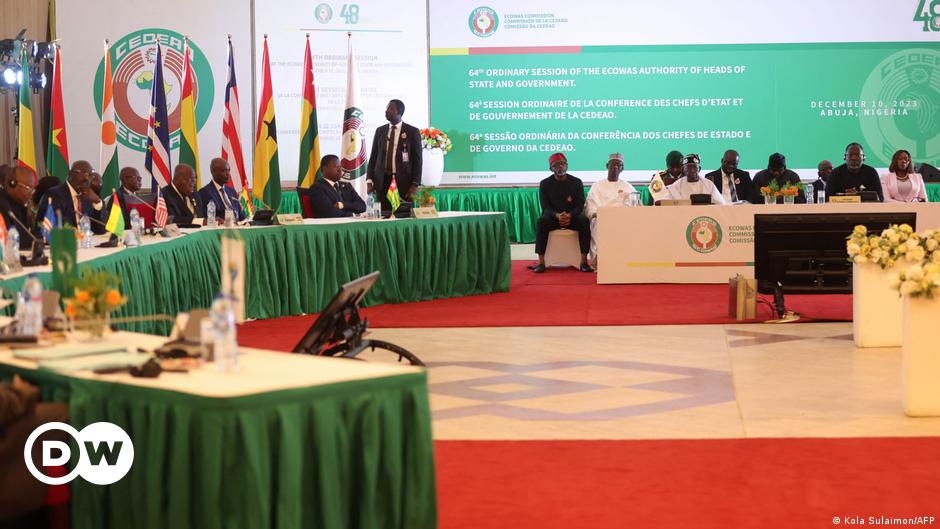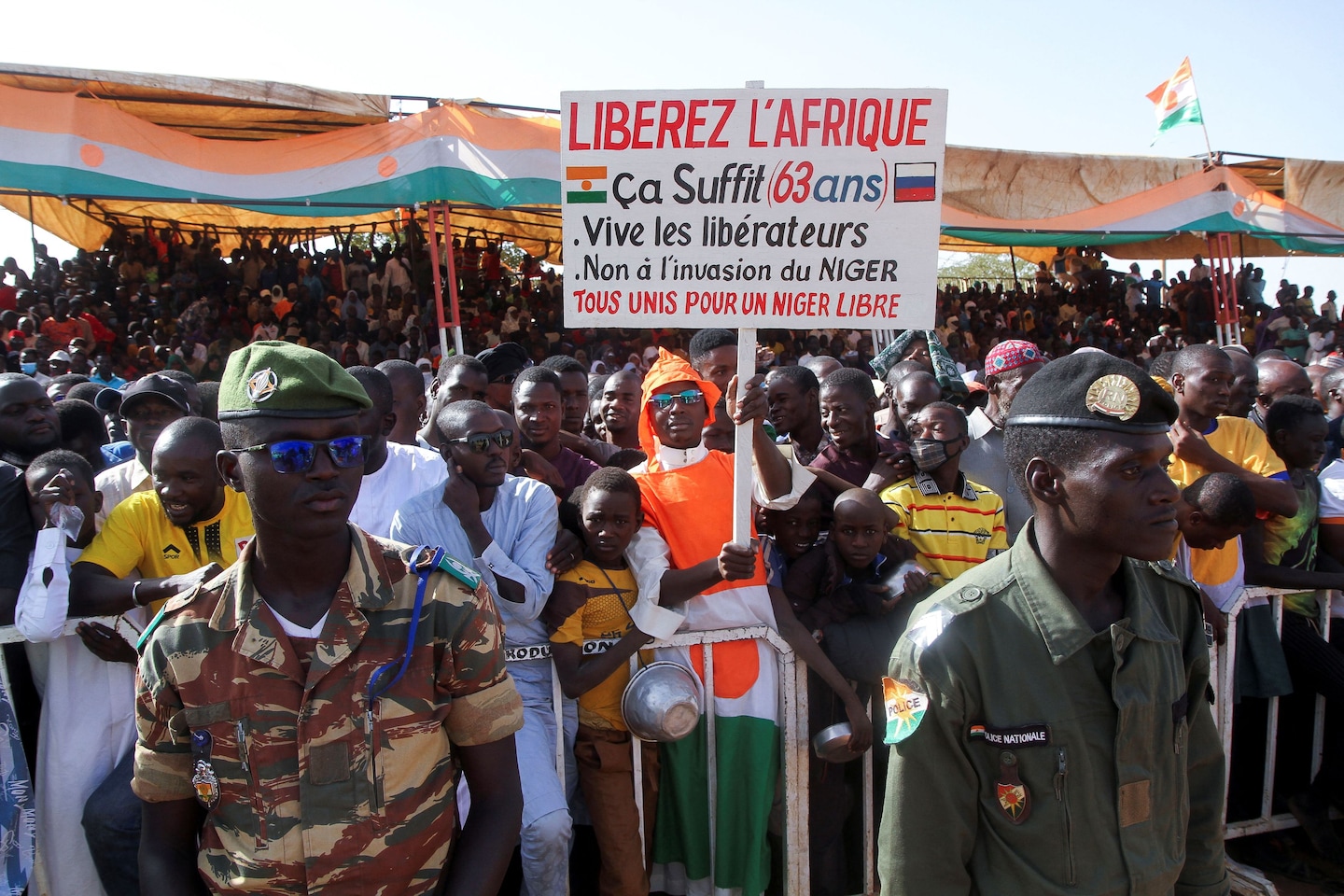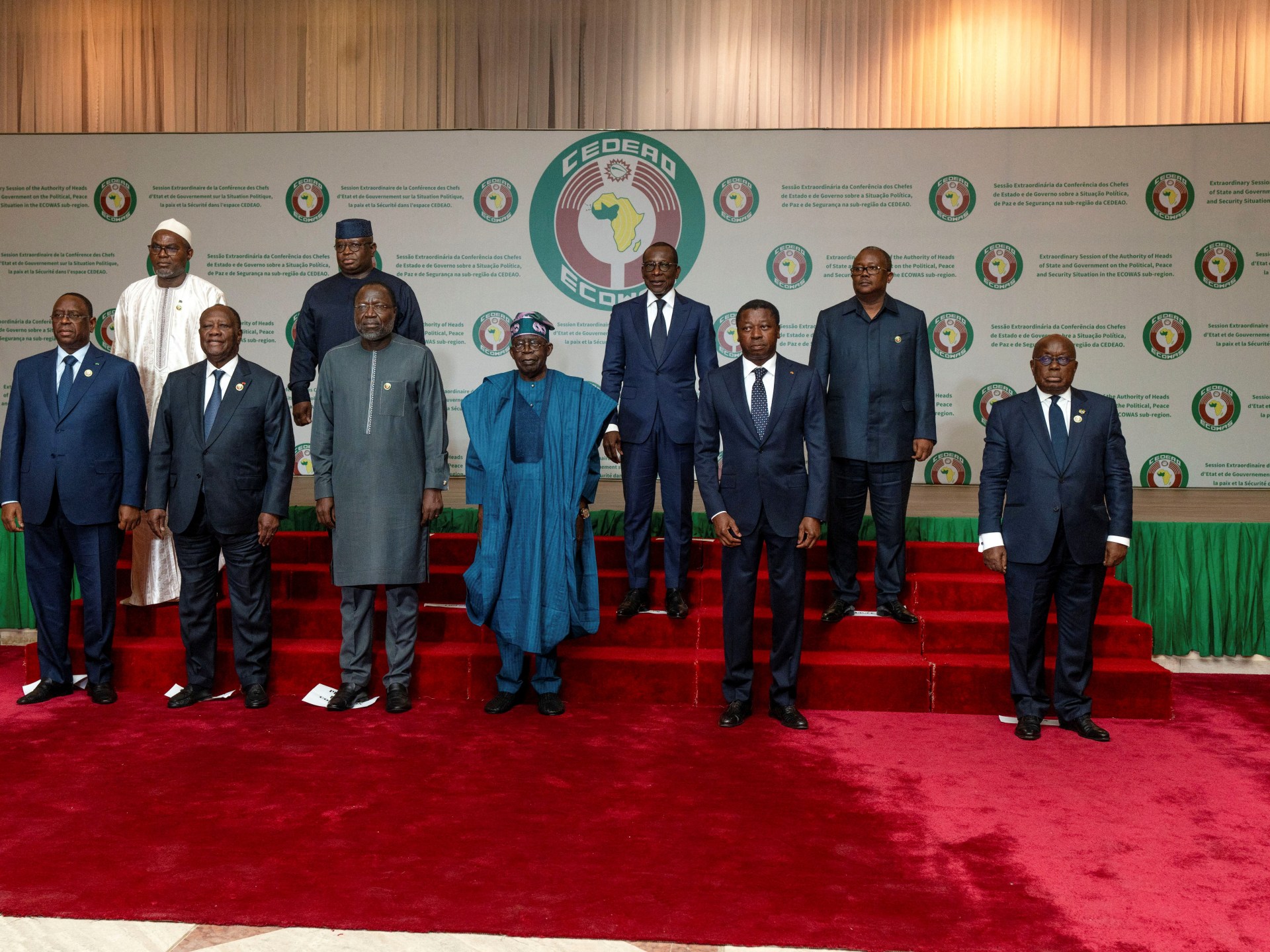
The Economic Community of West African States (ECOWAS) has lifted most sanctions imposed on Niger following last year's coup, citing humanitarian grounds to ease suffering. The bloc also urged Niger, Mali, and Burkina Faso to reconsider their decision to permanently withdraw from ECOWAS, emphasizing the need for dialogue and constitutional order in the region. The lifting of sanctions is seen as a gesture of appeasement as ECOWAS attempts to prevent further fragmentation and coups in West Africa.
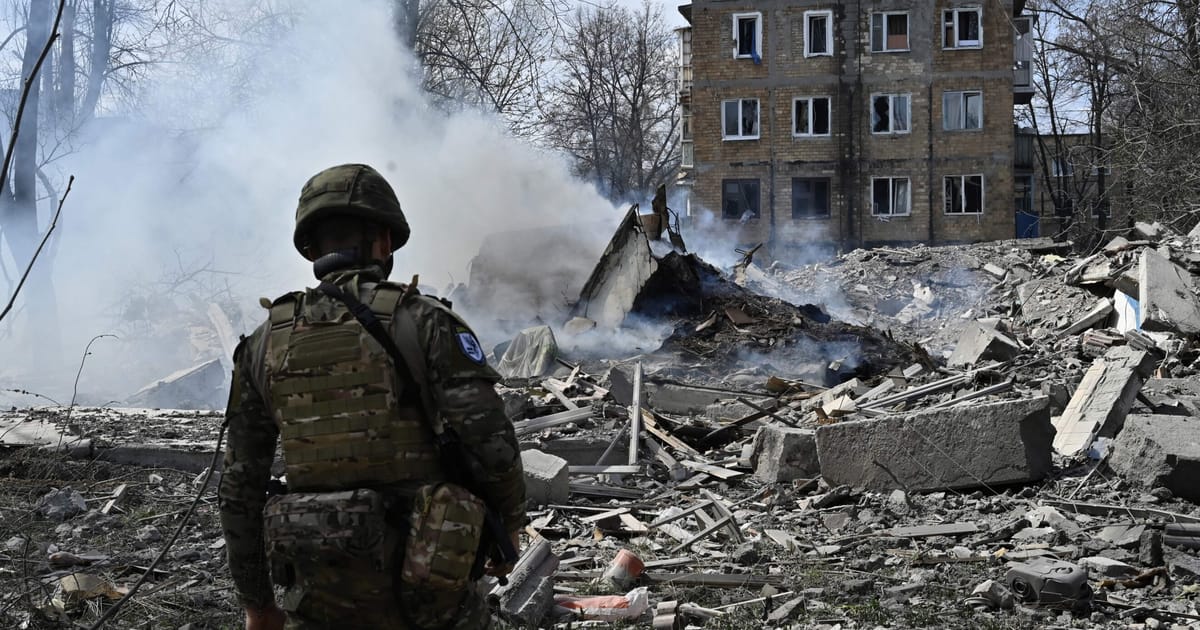
Russia takes full control of Avdiivka amid Ukrainian complaints of an ammo shortage, while Trump's remarks about encouraging Russia to attack NATO allies who don't pay up are condemned by the White House as "appalling and unhinged." Additionally, Niger, Mali, and Burkina Faso have left the ECOWAS bloc due to tensions, a Russian fuel export terminal near St. Petersburg suspends operations after a suspected drone attack from Kyiv, and Queen Margrethe II of Denmark announces a surprise abdication in her New Year's address.
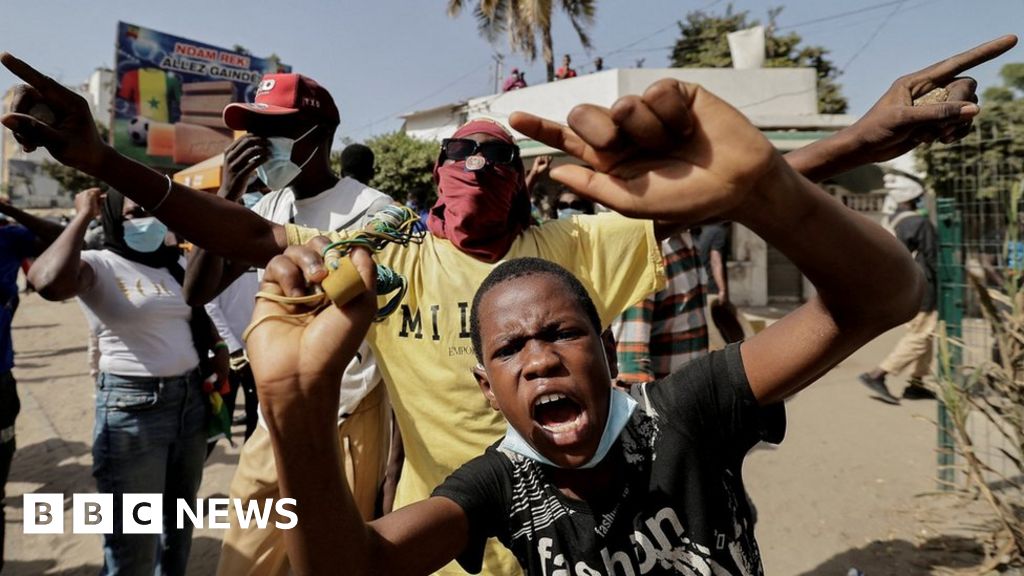
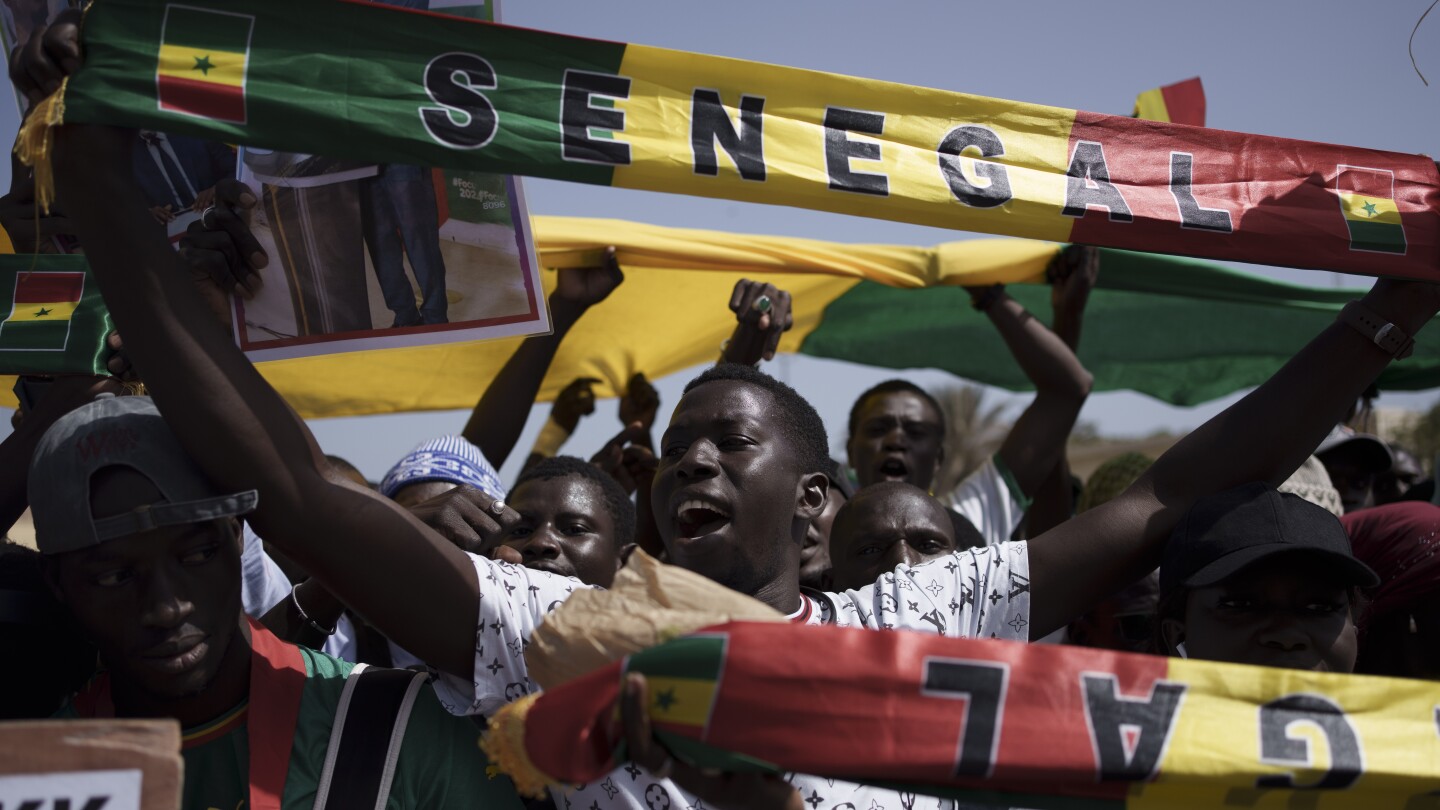
Violent protests have erupted in Senegal after the postponement of presidential elections, leading to clashes across the country and the first reported fatality. President Macky Sall's decision to delay the elections has sparked accusations of a "constitutional coup" from opposition leaders, with widespread concerns about the country's democratic reputation. The protests in Dakar and other areas have resulted in clashes with security forces, and the West African regional bloc Ecowas has called for urgent steps to restore the electoral calendar in line with the constitution.
Ecowas, the West African regional bloc, is facing a crisis as its unity and political cohesion are tested by multiple challenges, including military juntas withdrawing from the bloc, Senegal's president postponing the presidential election, and accusations of double standards in addressing constitutional manipulation by civilian leaders. Ecowas is struggling to exert pressure on military regimes and maintain regional unity, while facing criticism for its response to democratic governance standards. The bloc's ability to defend common democratic principles is being questioned, particularly in light of the crisis in Senegal, which could have significant implications for the region.
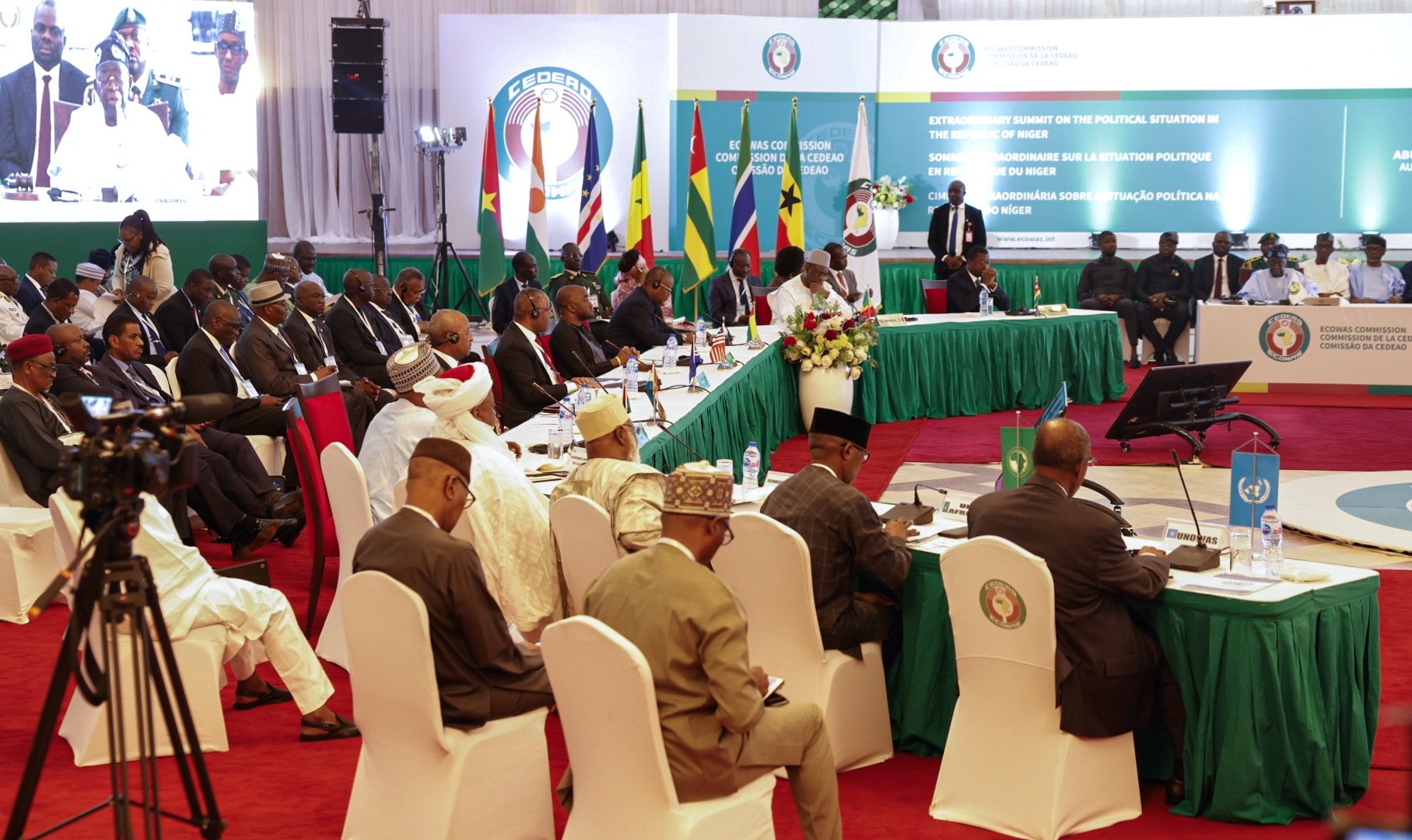
The President of the ECOWAS Commission criticized Mali, Burkina Faso, and Niger for their hasty decision to withdraw from the West African bloc, stating that it did not consider the implications on their citizens. The Extra-ordinary Session of the Mediation and Security Council at Ministerial Level was held to discuss these decisions, with concerns raised about the threats to peace and political stability in the region. The Chairman of the MSC emphasized the importance of finding solutions while upholding democratic governance and the rights of the people, highlighting the strength of the community in addressing shared challenges.
ECOWAS is holding emergency talks to address the political crisis in Senegal and the withdrawal of Burkina Faso, Mali, and Niger from the bloc. President Macky Sall's decision to delay elections in Senegal has sparked protests, and the bloc's ability to influence member states is being questioned. ECOWAS has warned Senegal against jeopardizing peace and stability and has the power to impose trade sanctions, but experts emphasize the importance of mediation and backchannel diplomacy in resolving the crisis.
The West African bloc, ECOWAS, has urged Senegal to reverse its decision to delay the presidential election by 10 months, citing concerns about the country's democratic stability. President Macky Sall postponed the Feb. 25 vote due to an electoral dispute, prompting outrage and condemnation from opposition leaders and the international community. The United Nations human rights office also expressed concern, emphasizing the importance of broad-based consultations in any decision to postpone elections. The crisis in Senegal comes at a time when the West African bloc is facing challenges in retaining its members and is being criticized for its handling of political situations in member nations.
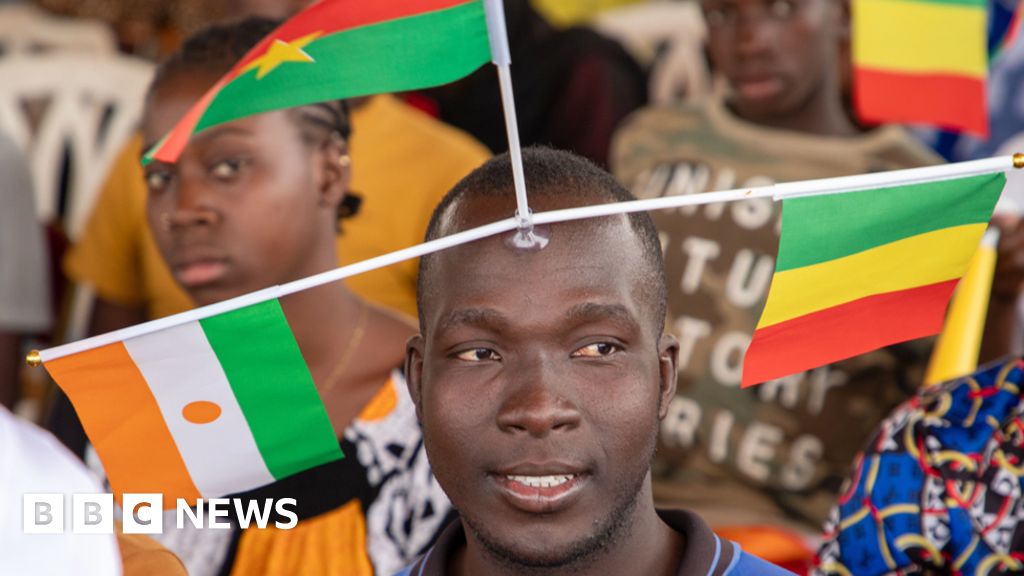
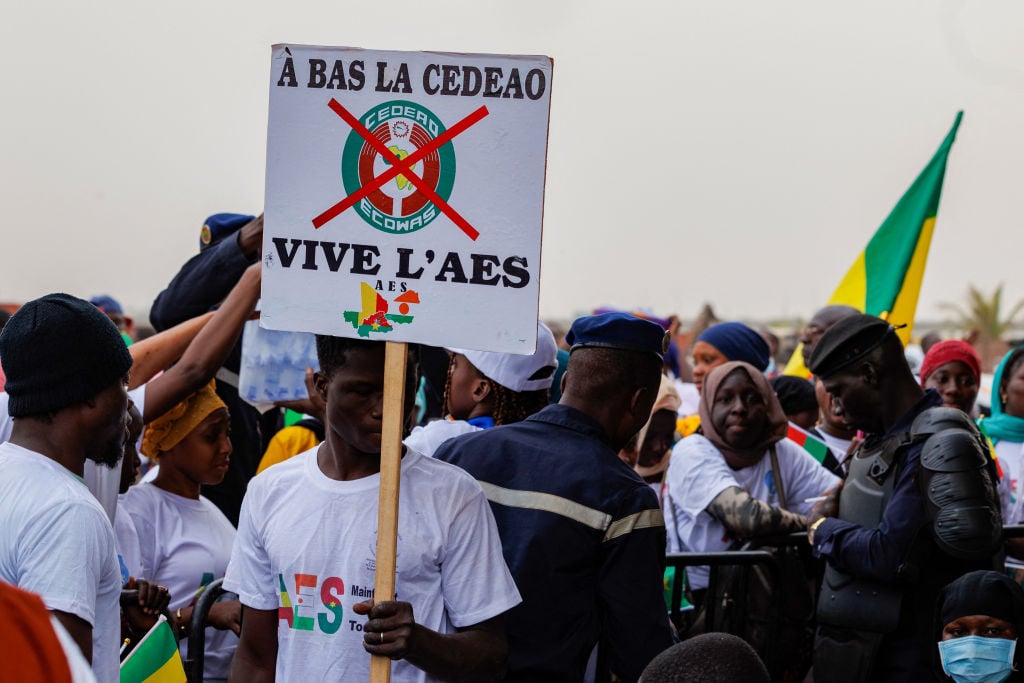
Three West African countries, Mali, Burkina Faso, and Niger, have announced their withdrawal from ECOWAS, citing lack of support in fighting terrorism and economic sanctions imposed by France and its African allies. The move reflects a broader assertion of sovereignty against French neocolonial influence, with the countries forming a security pact and seeking economic and monetary integration outside of ECOWAS. The future durability of ECOWAS is uncertain, as the organization faces challenges in economic integration and lacks political legitimacy. The recent military takeovers in these countries are seen as a response to French influence, and the new authorities are seeking to renegotiate their role in managing migration in exchange for development aid.
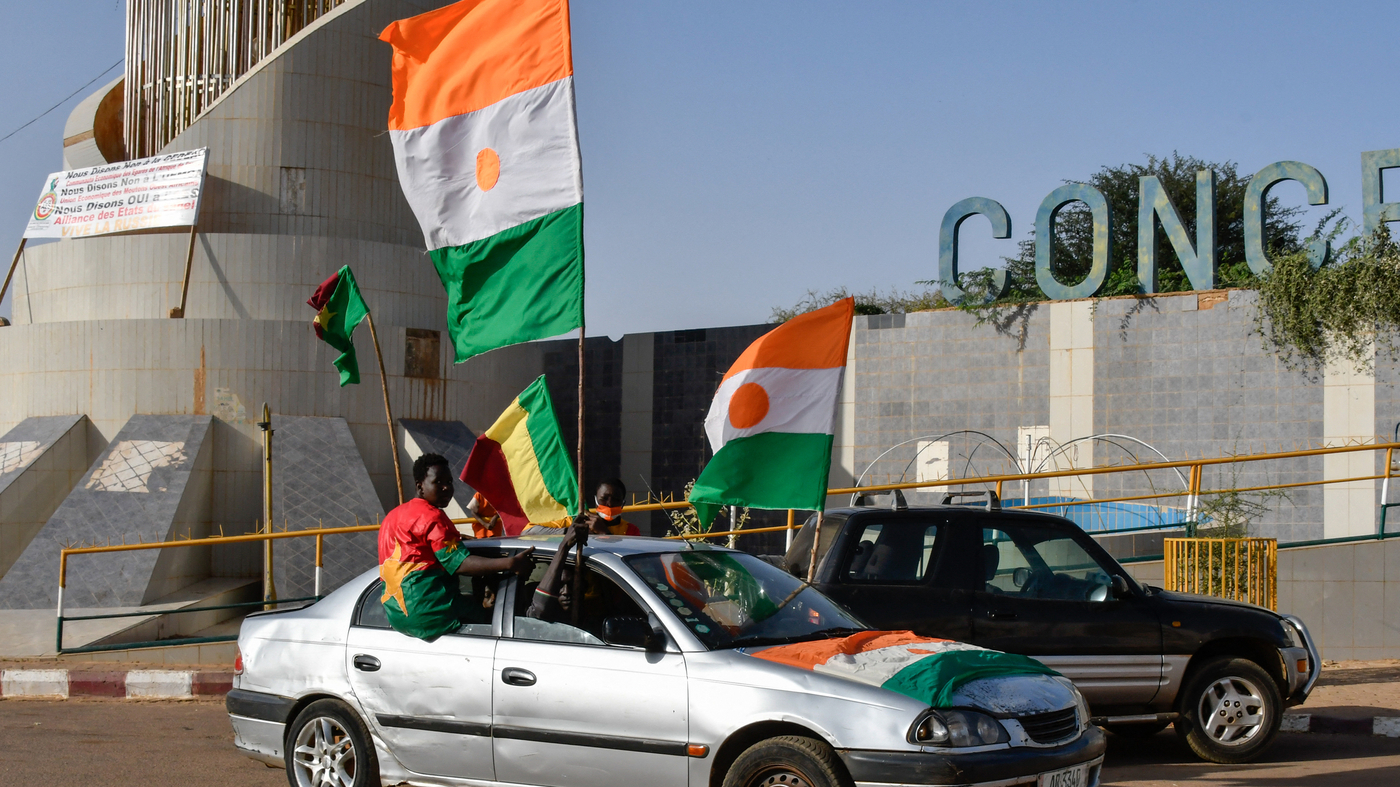
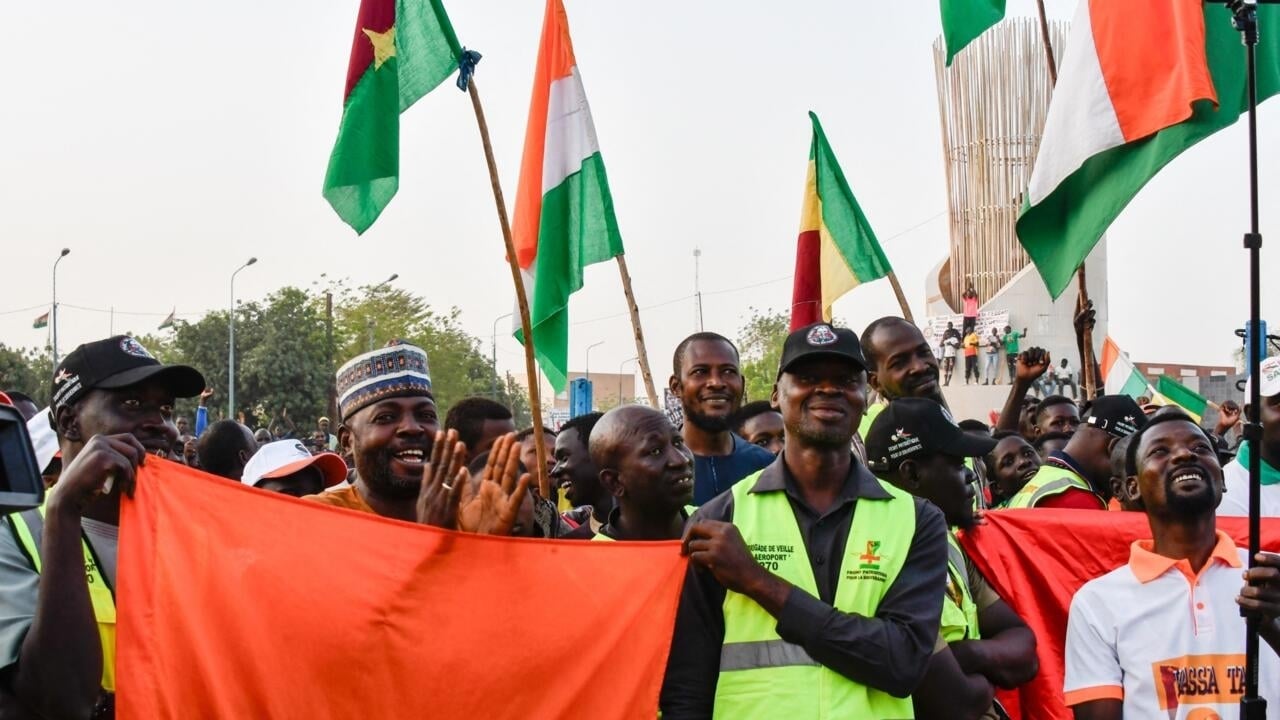
Three West African countries, Niger, Mali, and Burkina Faso, have left the Economic Community of West African States (ECOWAS) in a move likened to "Brexit," following a series of military coups and political instability. The decision has led to a regional crisis, with the countries facing sanctions and diplomatic pressure from ECOWAS, France, and the US. The split has raised concerns about the economic impact on the region and has sparked scrutiny of Nigeria's leadership within the bloc. The departure also reflects a shift in alliances, with the military regimes forming closer ties with Russia, while facing challenges in containing insecurity and maintaining economic stability.
Mali and Burkina Faso have formally notified the Economic Community of West African States (ECOWAS) of their intention to withdraw from the regional bloc, with Niger expected to follow suit. The military regimes in these countries have accused ECOWAS of threatening their sovereignty, leading to their decision to withdraw. ECOWAS, which has imposed sanctions on the three countries following military coups, is awaiting formal notification and stated that withdrawal cannot take effect for at least a year. Nigeria, a regional powerhouse and host of ECOWAS, expressed sadness over the departure of the three countries and emphasized the importance of due process and commitment to protecting the rights and welfare of all citizens of member states.
Nigeria rebukes Mali, Burkina Faso, and Niger for leaving Ecowas, accusing their military rulers of denying their people the right to make fundamental choices. The three countries had been suspended from Ecowas after recent coups and have strengthened ties to Russia, forming a mutual defence pact called the Alliance of Sahel States. They criticize Ecowas for failing to help tackle jihadist violence and accuse the organization of being influenced by external powers. Nigeria, the largest Ecowas member, remains willing to engage with the departing countries, while Russia seeks to forge new alliances in Africa amidst condemnation for its actions in Ukraine.
Mali, Burkina Faso, and Niger have withdrawn from the West African bloc ECOWAS, accusing it of imposing "inhumane" sanctions to reverse coups in their nations. The juntas of the three countries alleged that ECOWAS has moved away from its founding principles and become a threat to its member states. ECOWAS stated that it was not notified of the decision to withdraw and remains committed to finding a negotiated solution to the political impasse. This move comes amid deepening political tension in West Africa and as the three nations have formed a security alliance and turned to Russia for support after severing military ties with France and other European nations.
Mali, Burkina Faso, and Niger have announced their immediate withdrawal from the Economic Community of West African States (ECOWAS), citing the organization's failure to assist them in combating terrorism and insecurity. The three countries, currently led by military juntas, were founding members of ECOWAS but have been suspended following coups. Tensions between the juntas and ECOWAS have escalated, with the countries forming their own Alliance of Sahel States. ECOWAS expressed commitment to finding a negotiated solution to the political impasse and demanded a transition toward civilian rule in the coup-hit nations.
Mali, Niger, and Burkina Faso have announced their withdrawal from the Economic Community of West African States (ECOWAS), citing the bloc's failure to support their fight against terrorism and insecurity. The three countries, all plagued by Islamist insurgencies, accused ECOWAS of bowing to foreign powers and criticized the sanctions imposed on them as "illegitimate, inhumane, and irresponsible." This move deepens the rift between their military juntas and other West African states, escalating tensions following a series of military coups in the region.
Niger, Mali, and Burkina Faso have announced their withdrawal from the Economic Community of West African States (Ecowas), citing the bloc's failure to address jihadist violence and accusing it of being influenced by foreign powers. The junta-led countries, which had already been suspended from Ecowas, have strengthened ties to Russia and formed a mutual defense pact called The Alliance of Sahel States. The military leaders in these countries have expressed a desire to restore security before organizing elections, with Niger's military leaders seeking up to three years for a transition back to civilian rule. Ecowas, while expressing commitment to finding a negotiated solution, has called on the countries to return to civilian rule and has not yet received formal notification of their withdrawal.