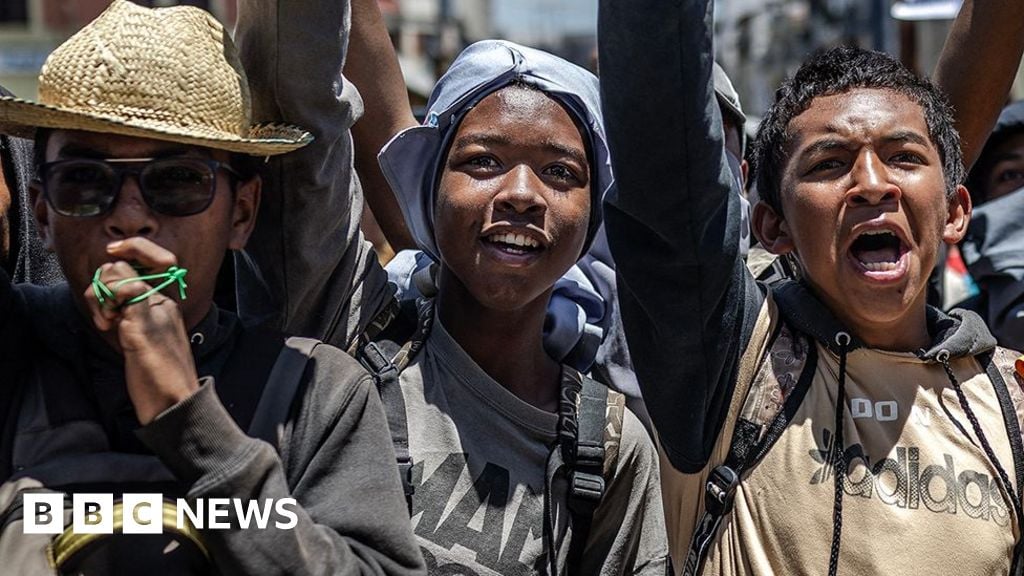
2025 has been a tumultuous year for African politics, marked by coups, contested elections, protests, and a perceived decline in governance and democratic space, driven by economic dissatisfaction and youth demands, with regional and global influences shaping the continent's uncertain political future.
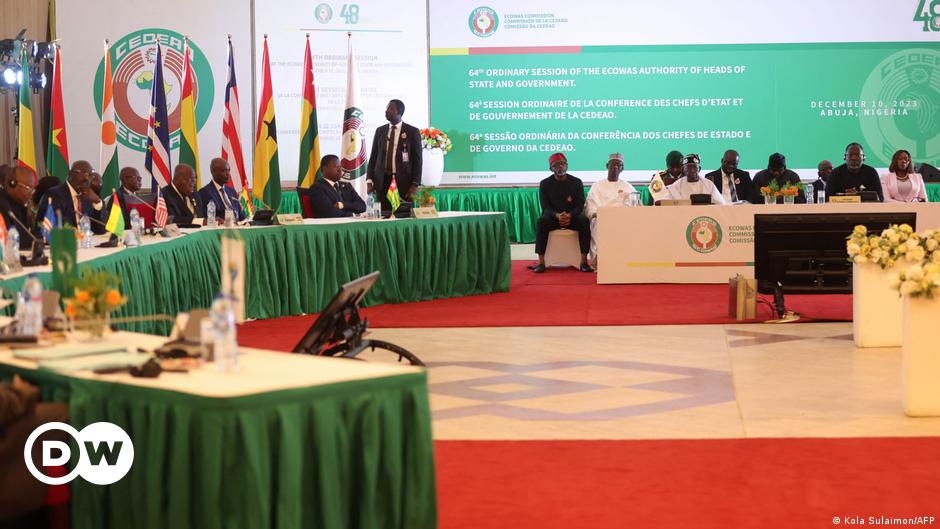
Mali, Burkina Faso, and Niger have withdrawn from the West African bloc ECOWAS, accusing it of imposing "inhumane" sanctions to reverse coups in their nations. The juntas of the three countries alleged that ECOWAS has moved away from its founding principles and become a threat to its member states. ECOWAS stated that it was not notified of the decision to withdraw and remains committed to finding a negotiated solution to the political impasse. This move comes amid deepening political tension in West Africa and as the three nations have formed a security alliance and turned to Russia for support after severing military ties with France and other European nations.
Mali, Burkina Faso, and Niger have announced their immediate withdrawal from the Economic Community of West African States (ECOWAS), citing the organization's failure to assist them in combating terrorism and insecurity. The three countries, currently led by military juntas, were founding members of ECOWAS but have been suspended following coups. Tensions between the juntas and ECOWAS have escalated, with the countries forming their own Alliance of Sahel States. ECOWAS expressed commitment to finding a negotiated solution to the political impasse and demanded a transition toward civilian rule in the coup-hit nations.
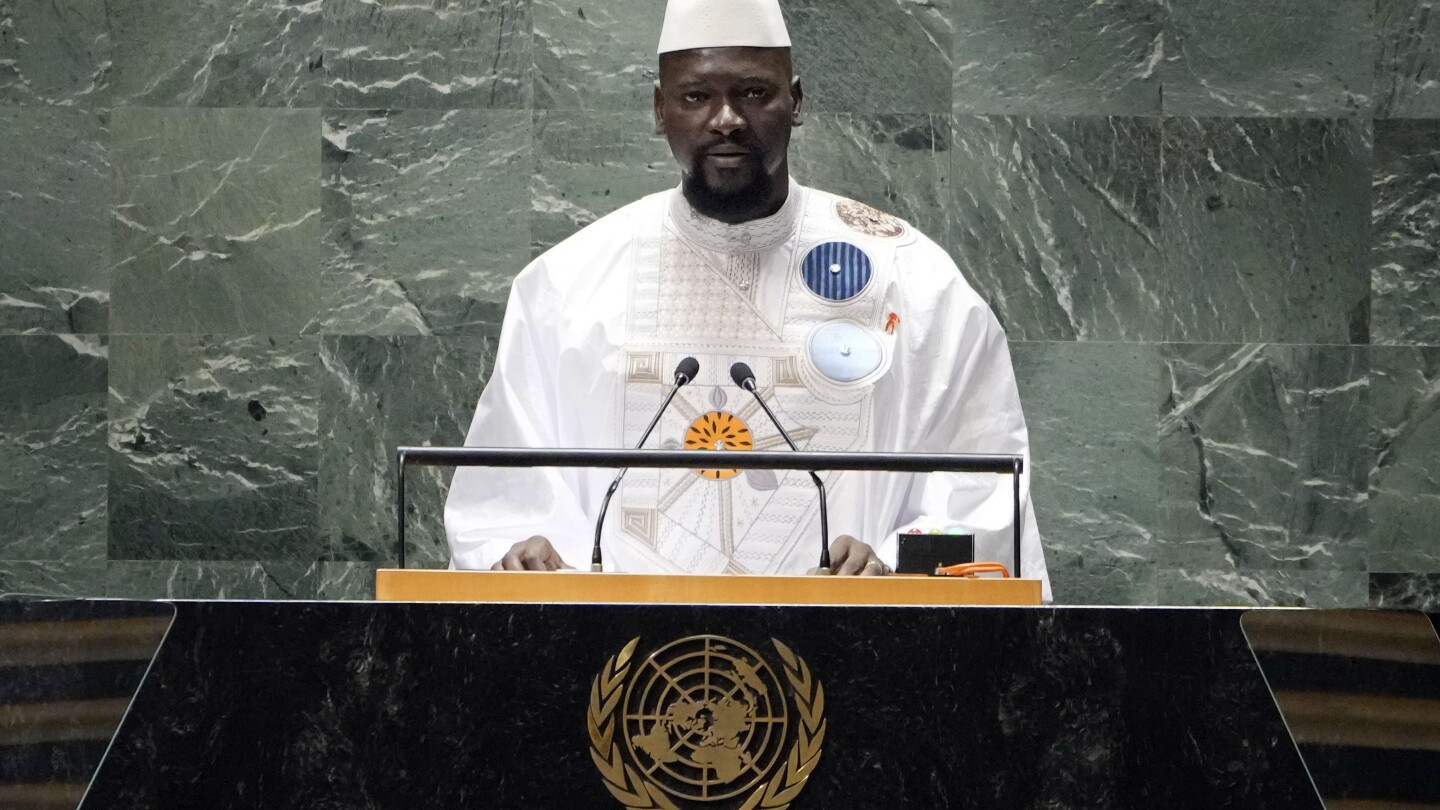
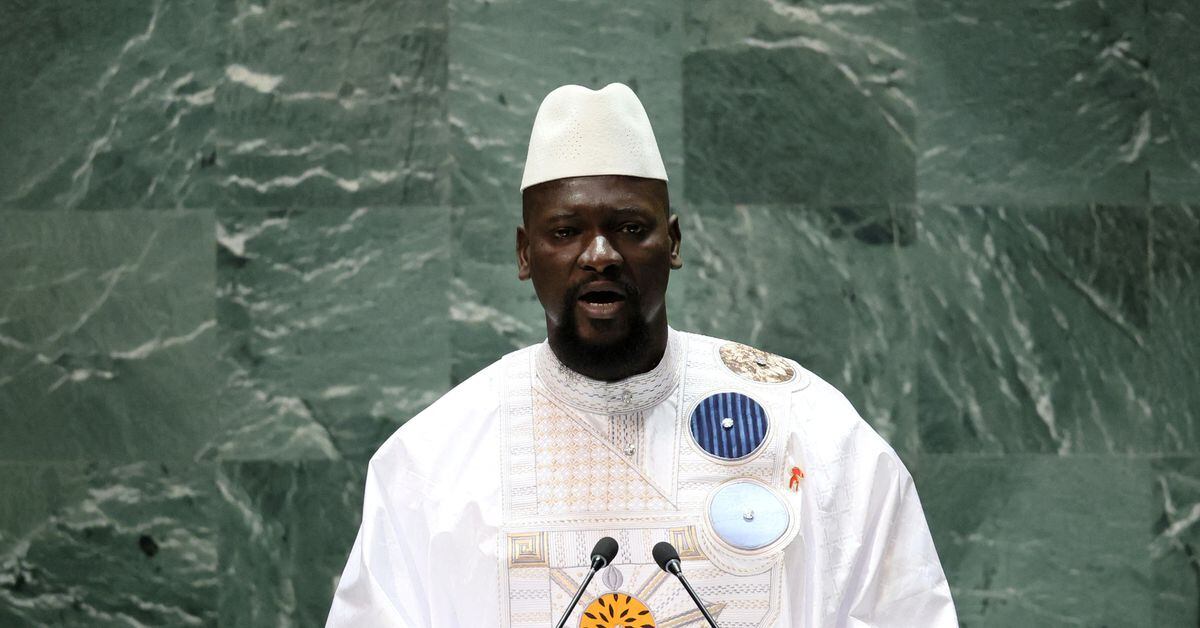
Guinea's interim President Mamadi Doumbouya defended the recent coups in Africa, stating that they were attempts by militaries to save their countries from presidents' broken promises. He accused some African leaders of clinging to power by manipulating constitutions and rebuffed the West's attempts to intervene in Africa's political challenges. However, concerns remain about the effectiveness of military takeovers in addressing the underlying issues.
Guinea's military leader, Mamady Doumbouya, criticized the Western model of democracy during his address at the U.N. General Assembly, stating that it does not work for Africa, as evidenced by the recent wave of coups in the region. Doumbouya argued that Africa should be allowed to design its own models of governance and called for an end to condescension and racism towards the continent. Western powers, including the U.S. and France, have condemned the coups and urged the restoration of democracy. Doumbouya's government proposed a two-year transition to elections but has made little progress in organizing a vote.
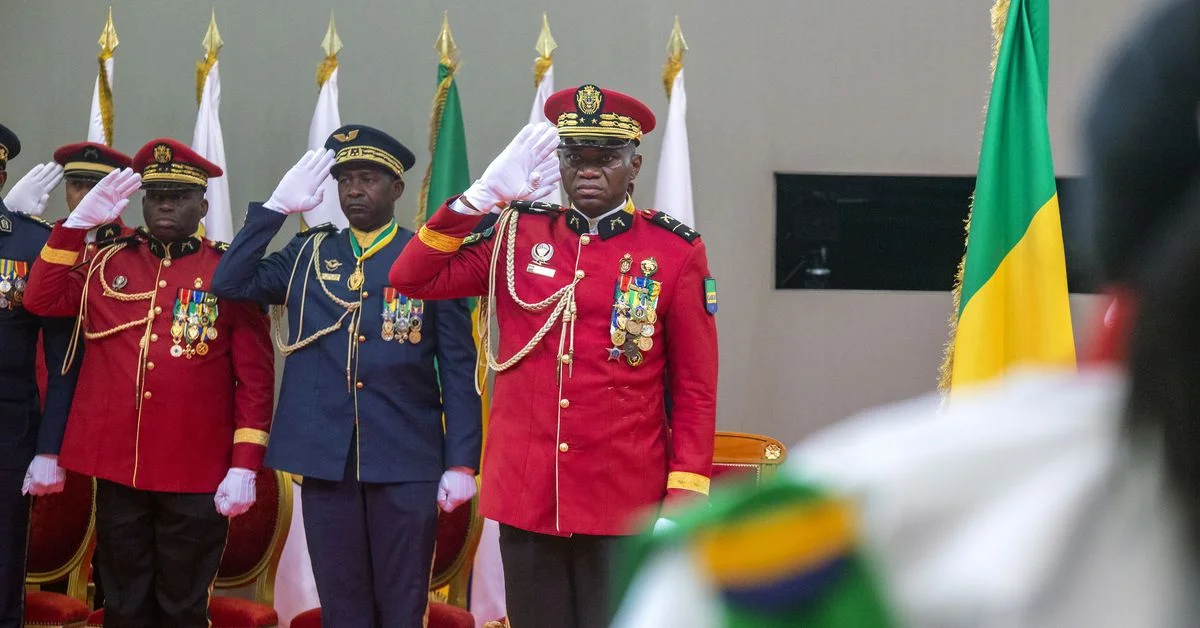
Recent coups in Africa, such as in Gabon, Niger, Burkina Faso, and Mali, highlight the diverse factors driving these undemocratic transitions of power, including history, foreign intervention, economics, and politicization of the military. While some coups are driven by security threats or a desire for democratic reforms, others, like Gabon's, are continuity coups that maintain the ruling elite's control over resources. Precedent plays a significant role in coup attempts, and regions with a history of coups are more likely to experience future attempts. Coups are part of a broader global trend away from democracy, with autogolpes and erosion of democratic institutions also occurring. The struggle for influence between the West and authoritarian governments like Russia and China further complicates the situation. Polarization and lack of sustained investment in institutions contribute to democratic failure, particularly in countries dependent on foreign aid.
EU foreign and defense ministers met in Spain to discuss the wave of coups in western African countries, highlighting the EU's waning influence and policy failures in the Sahel region. The military coup in Niger poses a fundamental problem for the EU, as it is a key ally in countering militant Islamist groups. The EU agreed to set up a legal framework to sanction those involved in the coup, but remains in "listening mode" regarding possible military intervention by the Economic Community of West African States (ECOWAS). The EU must reflect on its next steps as it faces anti-French sentiment, the expansion of Russian presence, and the need for continued investment in Africa. The question of whether France should stay in Niger is also being debated.
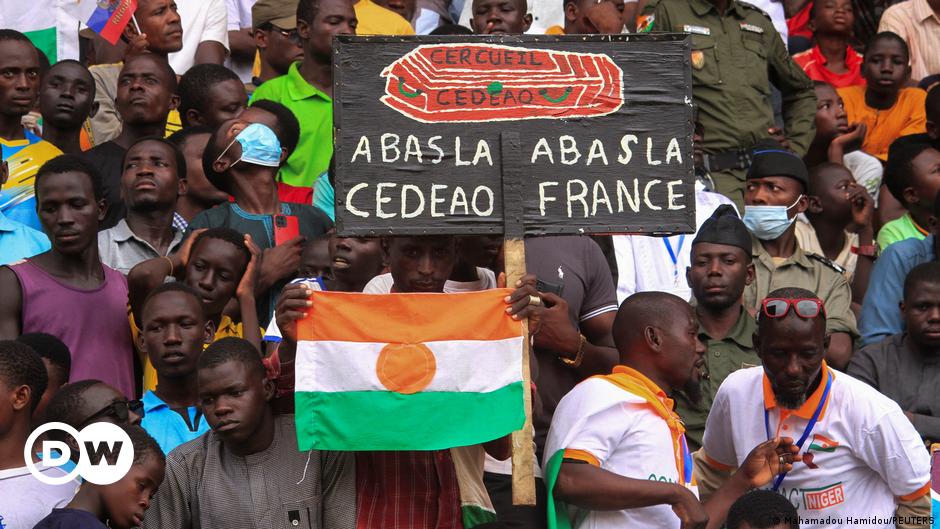
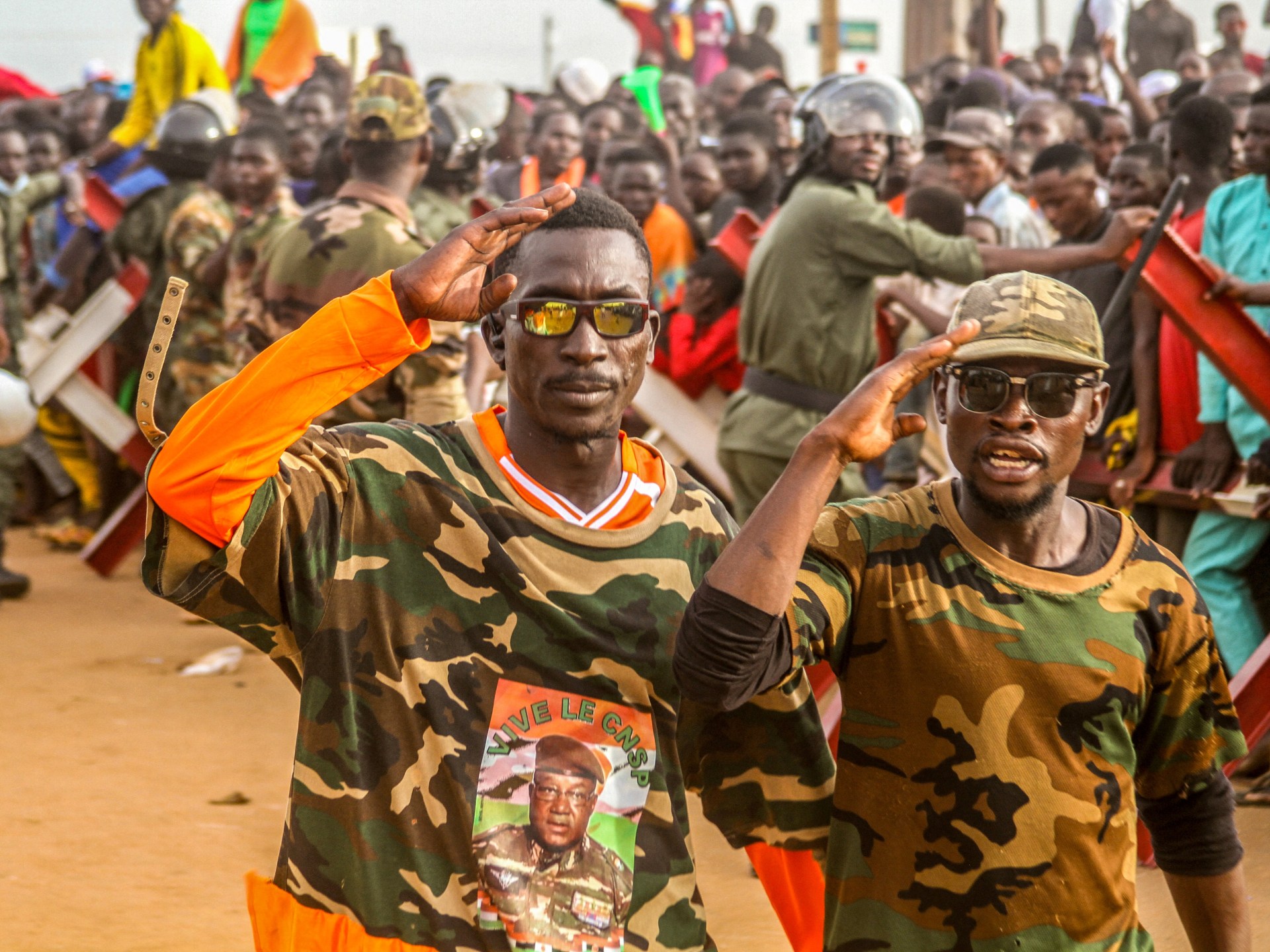
Coups have become increasingly popular in Africa, with 10 attempted coups occurring in West and Central Africa since 2020. Citizens in these countries have shown support for military takeovers, expressing frustration with civilian leaders who they feel do not represent their interests. The decline in the quality of living, rising costs of living, and economic challenges have made people question the benefits of democracy. Former French colonies have been particularly susceptible to coups, with anti-French rhetoric being used to gain popular support. However, experts caution against solely blaming external factors, emphasizing that the lack of democratic dividends and failure to improve citizens' lives have contributed to the acceptance of coups.