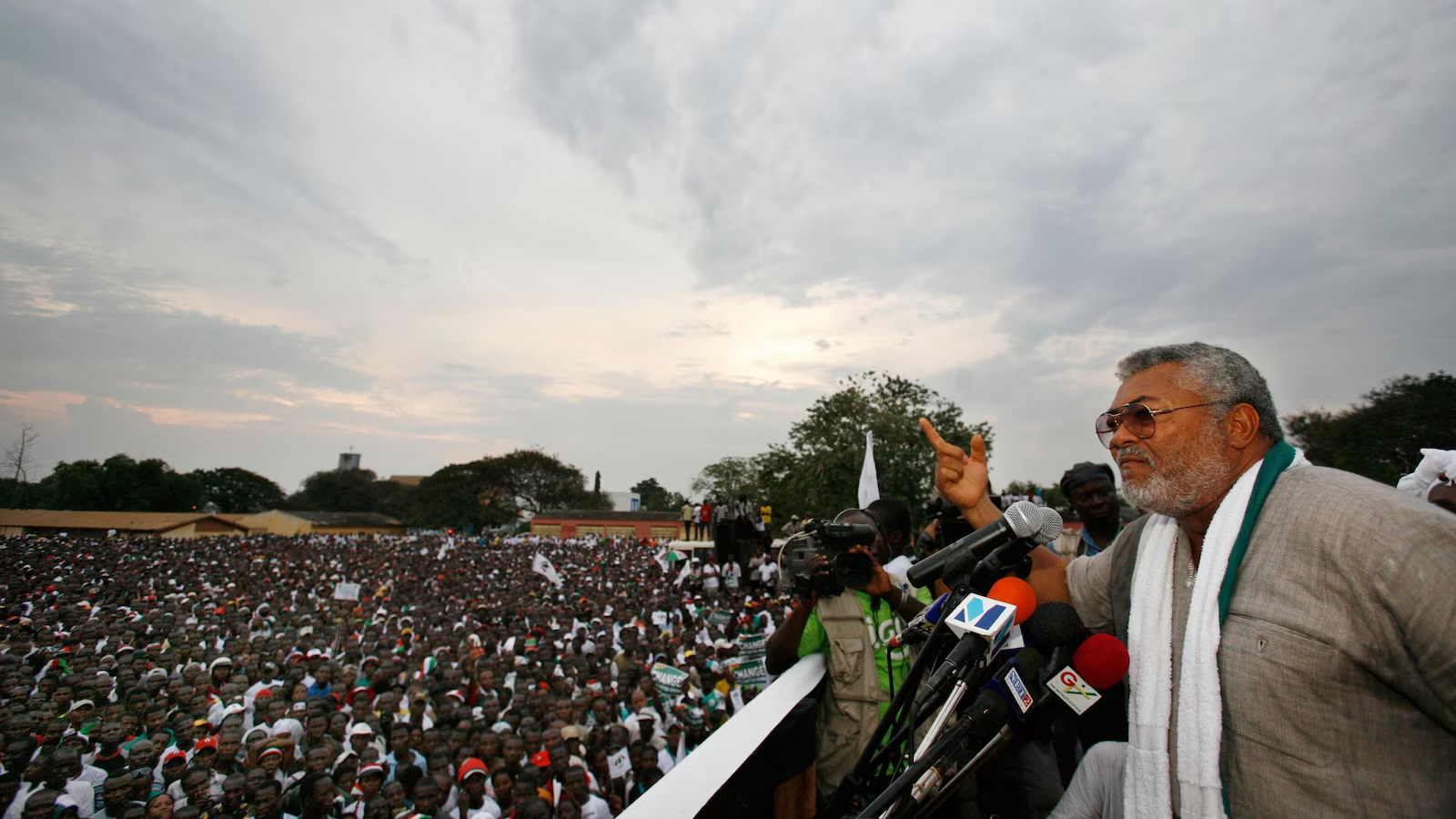
The article discusses the common trajectory of military leaders who have risen from the ranks to become heads of state through coups, highlighting examples from Madagascar, Myanmar, Uganda, Turkey, Ghana, and Chile, and illustrating how military power has historically translated into political authority.
Ecowas, the West African regional bloc, is facing a crisis as its unity and political cohesion are tested by multiple challenges, including military juntas withdrawing from the bloc, Senegal's president postponing the presidential election, and accusations of double standards in addressing constitutional manipulation by civilian leaders. Ecowas is struggling to exert pressure on military regimes and maintain regional unity, while facing criticism for its response to democratic governance standards. The bloc's ability to defend common democratic principles is being questioned, particularly in light of the crisis in Senegal, which could have significant implications for the region.
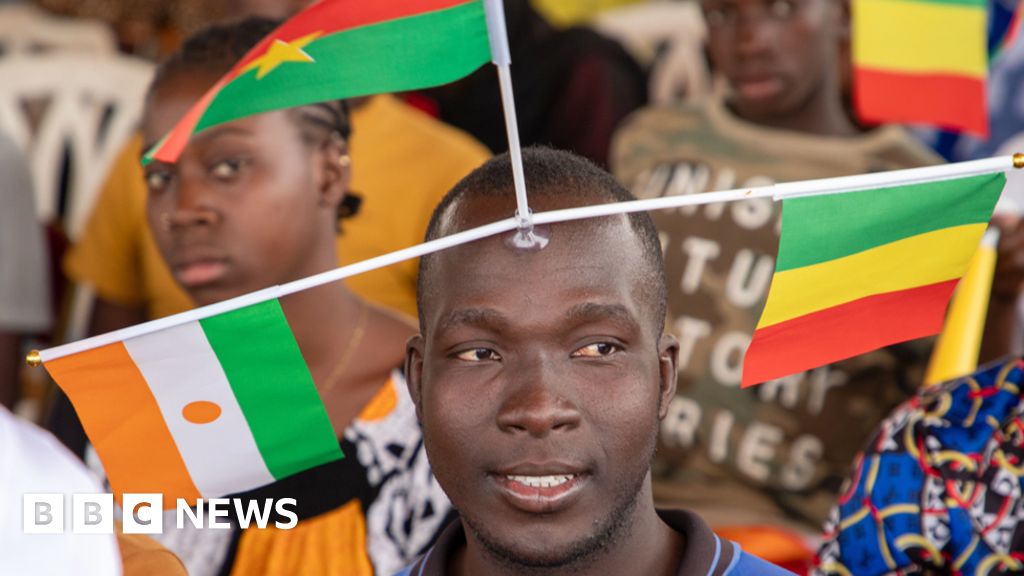
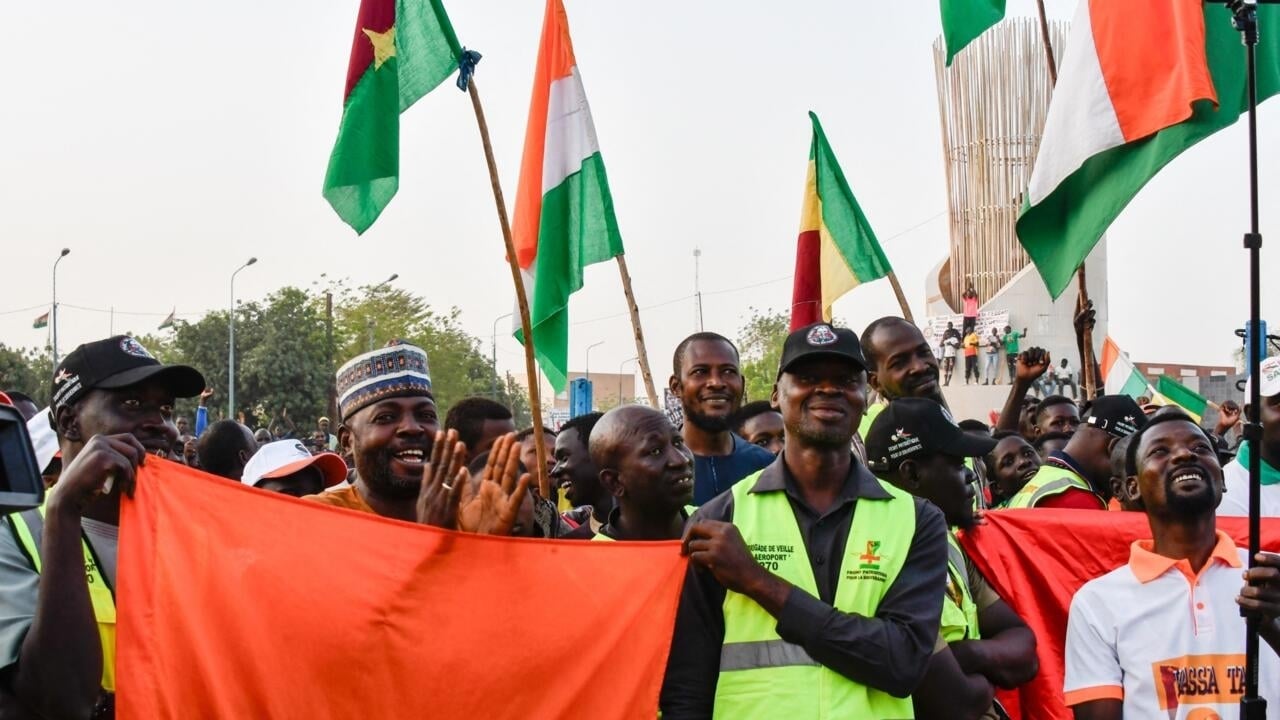
Mali and Burkina Faso have formally notified the Economic Community of West African States (ECOWAS) of their intention to withdraw from the regional bloc, with Niger expected to follow suit. The military regimes in these countries have accused ECOWAS of threatening their sovereignty, leading to their decision to withdraw. ECOWAS, which has imposed sanctions on the three countries following military coups, is awaiting formal notification and stated that withdrawal cannot take effect for at least a year. Nigeria, a regional powerhouse and host of ECOWAS, expressed sadness over the departure of the three countries and emphasized the importance of due process and commitment to protecting the rights and welfare of all citizens of member states.
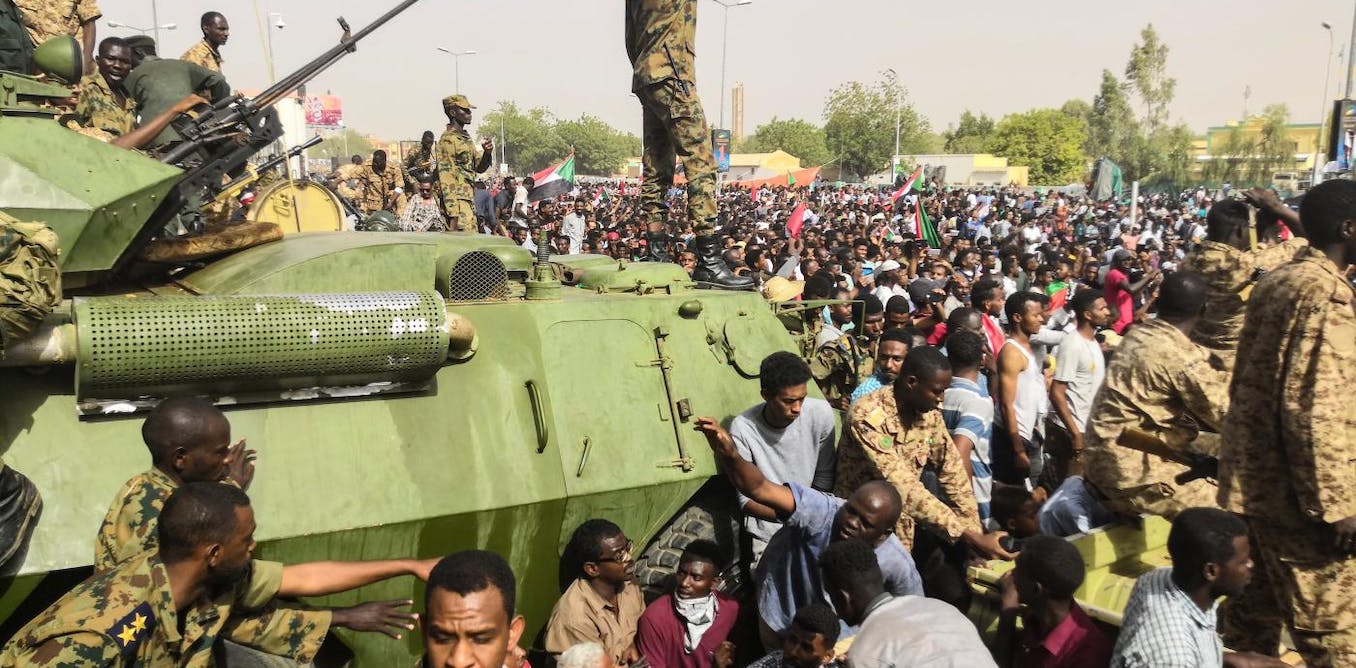
The support for military coups and military rule is on the rise in parts of Africa, with six African nations experiencing seven coups or attempted coups since August 2020. Researchers attribute this rise to factors such as mismanagement, corruption, economic crisis, state weakness, and the spread of extremist groups. However, what sets Africa apart is the public support for military rule and the growing acceptance of it as a form of government. A quantitative analysis using Afrobarometer survey data reveals that support for military rule has doubled from 11.6% to 22.3% since 2000. The study suggests that in sub-Saharan Africa, support for military rule is driven by dissatisfaction with institutional performance and economic management, while in North Africa, authoritarian personality plays a larger role. Higher levels of education are associated with higher levels of democratic endorsement. If political and economic solutions are not found, military coups in the region are likely to increase.