The EU has imposed sanctions on five individuals and four entities linked to Russia's shadow fleet and oil exports, aiming to weaken Russia's economic capacity to sustain its military actions in Ukraine, with measures including asset freezes and travel bans.
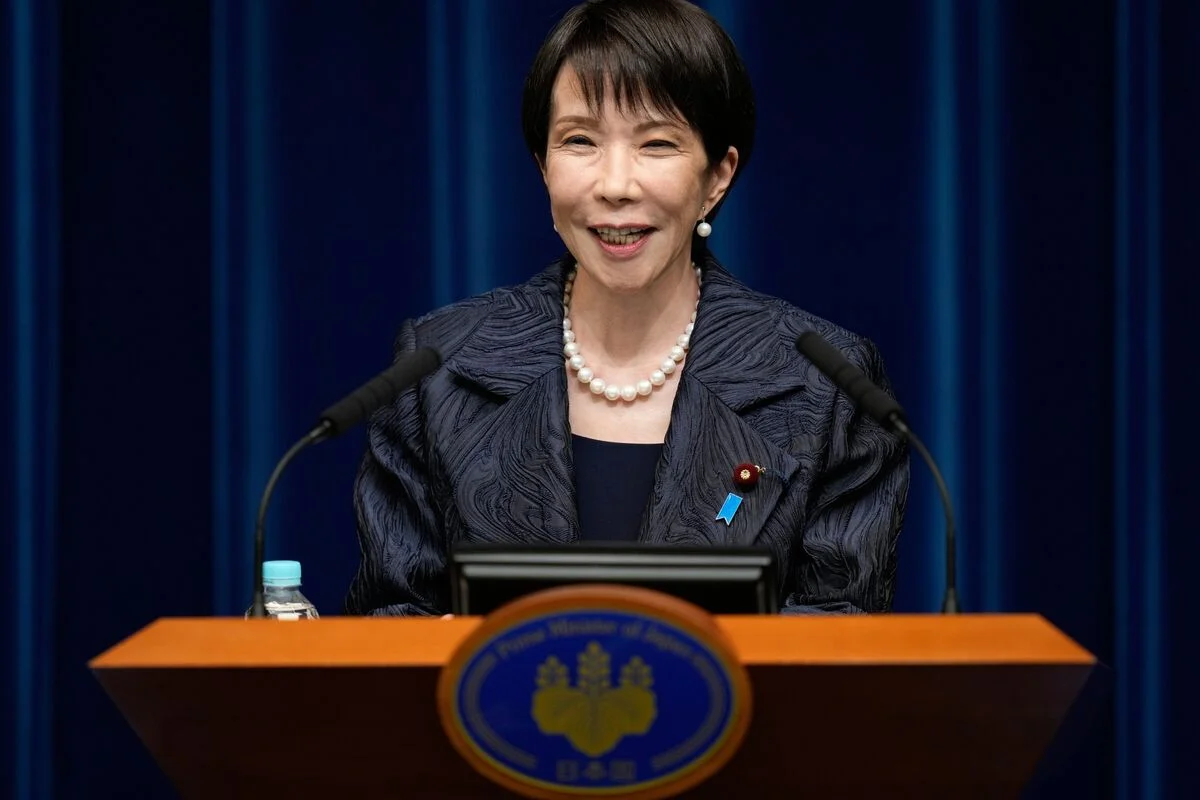
Japanese Prime Minister Sanae Takaichi has ordered a new economic package to combat inflation, including subsidies, regional grants, and support for small and medium-sized businesses, while also focusing on strengthening economic security and responding to US tariffs. The package aims to address rising living costs and inflation concerns through targeted measures and strategic investments, with a focus on responsible fiscal policy amid Japan's high public debt.
The EU is planning to impose sanctions on two Chinese banks for allegedly facilitating banned trade with Russia, marking a significant escalation in efforts to punish China for supporting Moscow's invasion of Ukraine and evading existing sanctions, amid diplomatic tensions and ongoing geopolitical strategies.
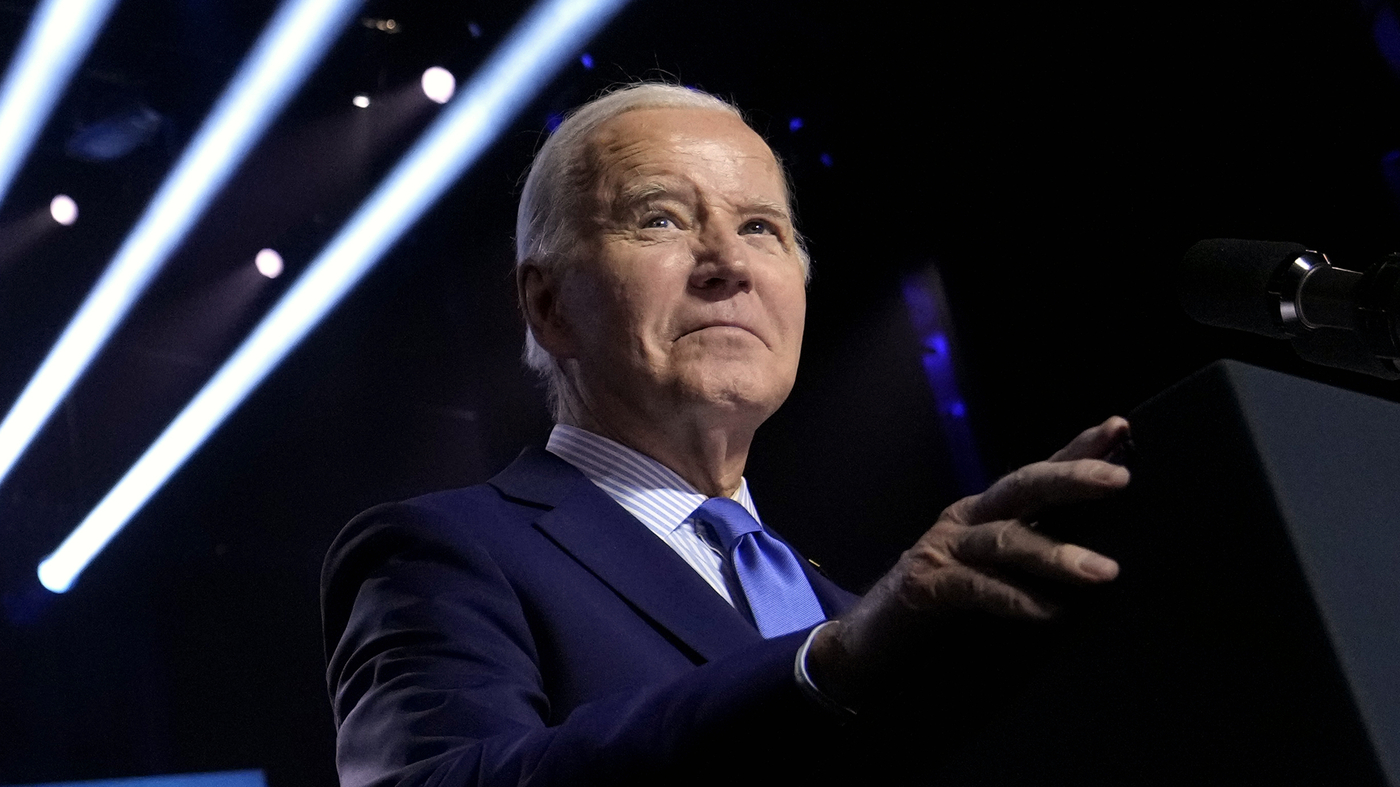
President Biden's approval ratings have been consistently below 50%, historically a bad sign for reelection. However, other factors such as consumer confidence, economic measures, and the "right direction/wrong track" polling question also play a role in predicting an incumbent's fate. While these indicators can provide insight, they are not foolproof and can be influenced by various external factors. As the 2024 election approaches, the interplay of these different factors will continue to shape the political landscape.
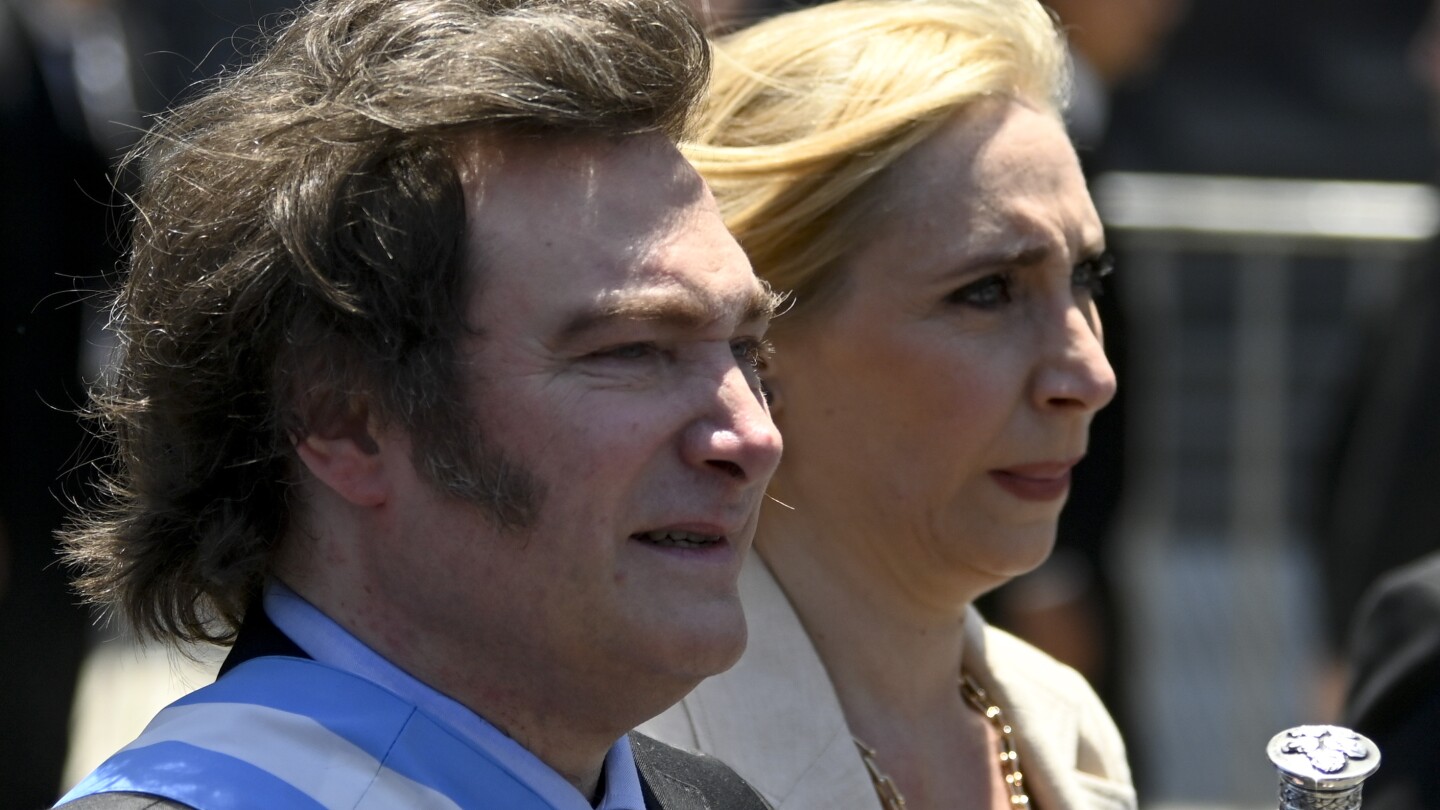
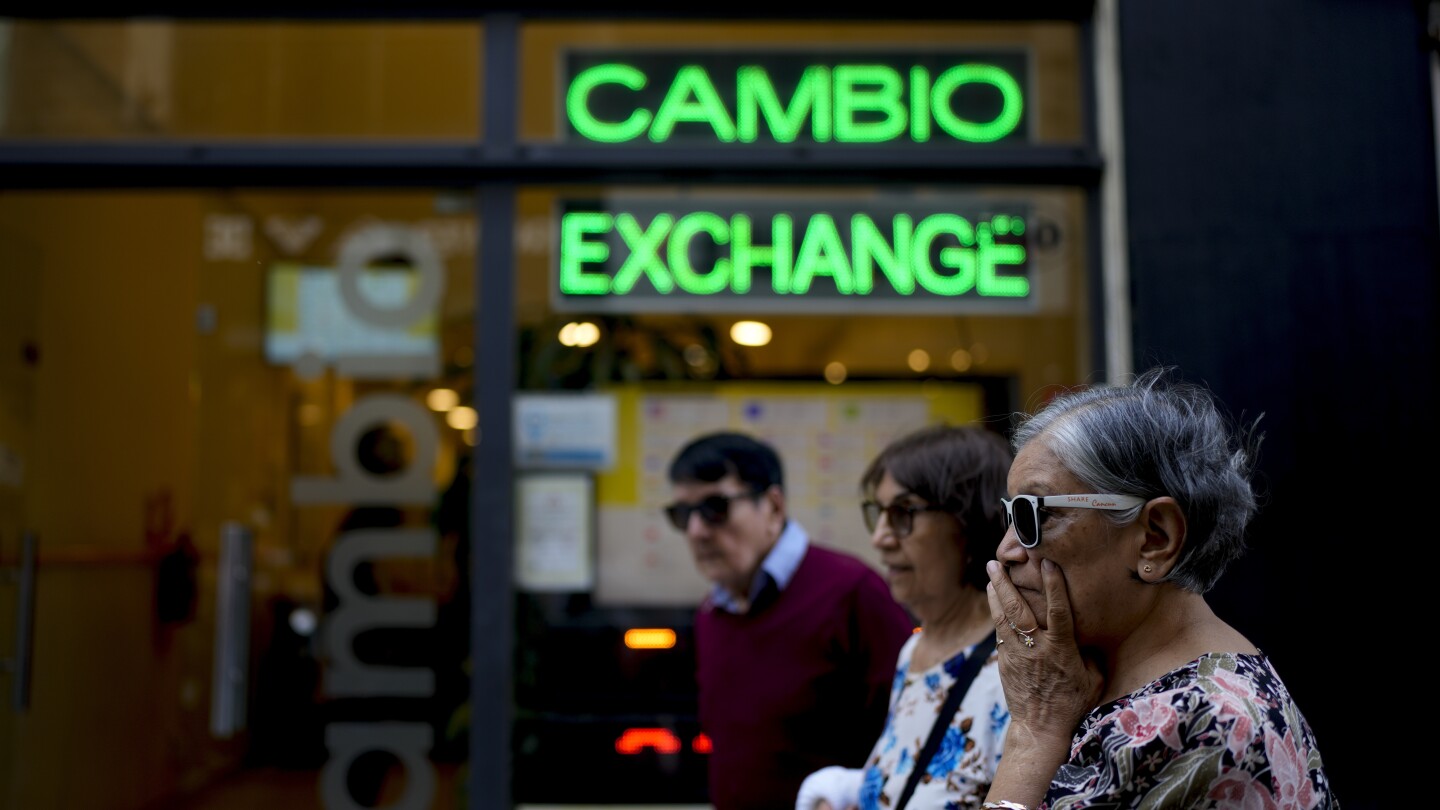
Argentine President Javier Milei's government has announced drastic economic measures, including a 50% devaluation of the peso, cuts to subsidies, and ministry closures, which have sparked anger among social and labor groups. Milei's security minister has presented a new protocol allowing federal forces to clear protesters blocking streets without a judicial order and bill them for the cost of mobilizing security forces. Some groups argue that the protocol criminalizes the right to protest, leading to a petition to the United Nations and the Inter-American Commission on Human Rights. The government has also warned that people who block streets could be removed from public assistance benefit lists. Protests are planned for Wednesday, coinciding with the 22nd anniversary of a protest against a previous economic crisis.
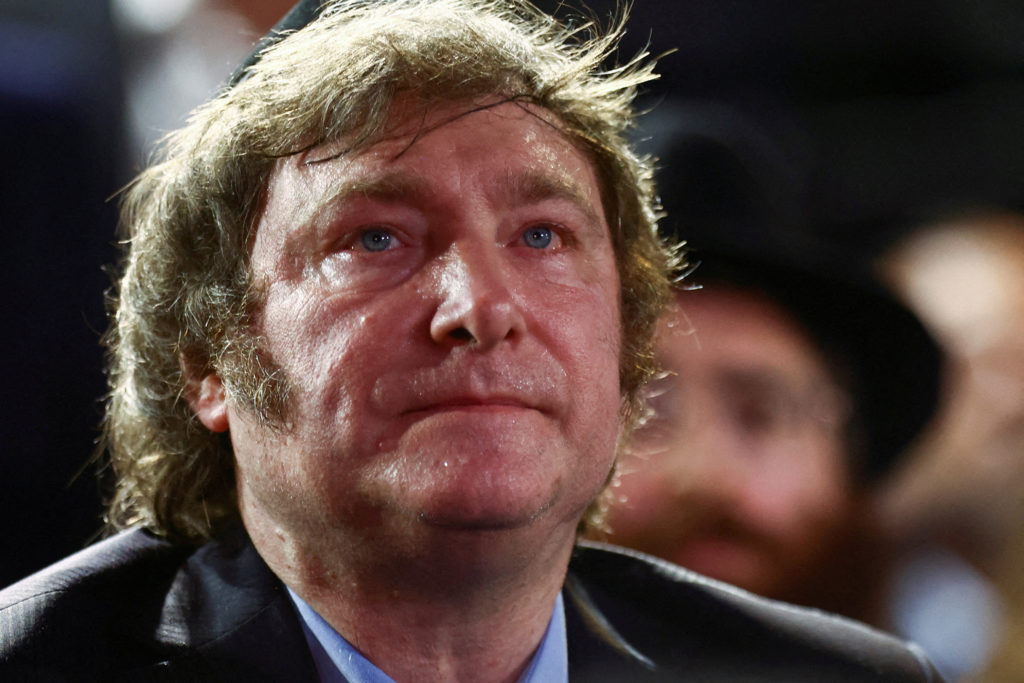
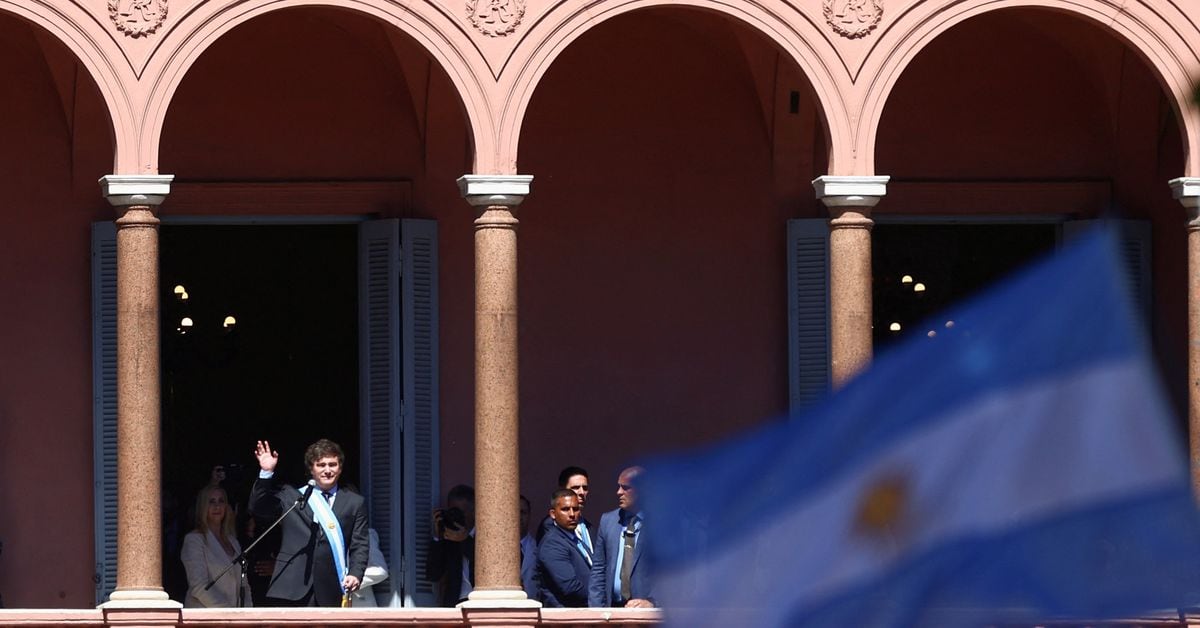
Argentina's new President Javier Milei has implemented shock economic measures, including a 50% devaluation of the currency, cuts to energy and transportation subsidies, and reductions in the size of the government. The country is facing high inflation, a plunging currency, and a significant fiscal deficit. The International Monetary Fund (IMF) has welcomed the measures, stating that they provide a good foundation for further discussions about Argentina's debt with the institution. However, there is opposition from social leaders and unions who fear the impact on the most vulnerable in society. Milei, a self-declared "anarcho-capitalist," rose to fame with his anti-establishment rhetoric and won the presidential election by a significant margin.
Argentina's new President Javier Milei has announced shock economic measures, including a 50% devaluation of the Argentine peso, cuts to energy and transportation subsidies, and reductions in the size of the government. The country is facing high inflation, a plunging currency, and significant debt. The International Monetary Fund (IMF) has welcomed the measures, stating that they provide a good foundation for further discussions about Argentina's debt. However, there is opposition to the measures, with critics warning of the impact on the most vulnerable in society. Milei, a self-declared "anarcho-capitalist," rose to fame with his anti-establishment rhetoric and promises to transform the nation.
Argentina's new government, led by President Javier Milei, will announce its economic measures on Tuesday in response to the country's severe economic crisis, with inflation nearing 200%. Economy Minister Luis Caputo will make the announcements, emphasizing the need for fiscal balance and an end to excessive spending. The government recognizes the urgency of addressing inflation, which is a major concern for the people.
The International Monetary Fund (IMF) has raised its growth forecast for China to 5.4% for 2023, citing better-than-expected third-quarter growth and recent policy announcements by Beijing. However, the IMF still expects growth to slow next year to 4.6% due to weakness in the property market and subdued external demand. The IMF also highlighted elevated financial stability risks in China, including lower capital buffers and growing asset quality risks. The Chinese government has taken steps to support the struggling real estate sector and local governments, while also increasing the budget deficit. The IMF welcomed these measures but emphasized the need to minimize economic costs and contain risks to macrofinancial stability.
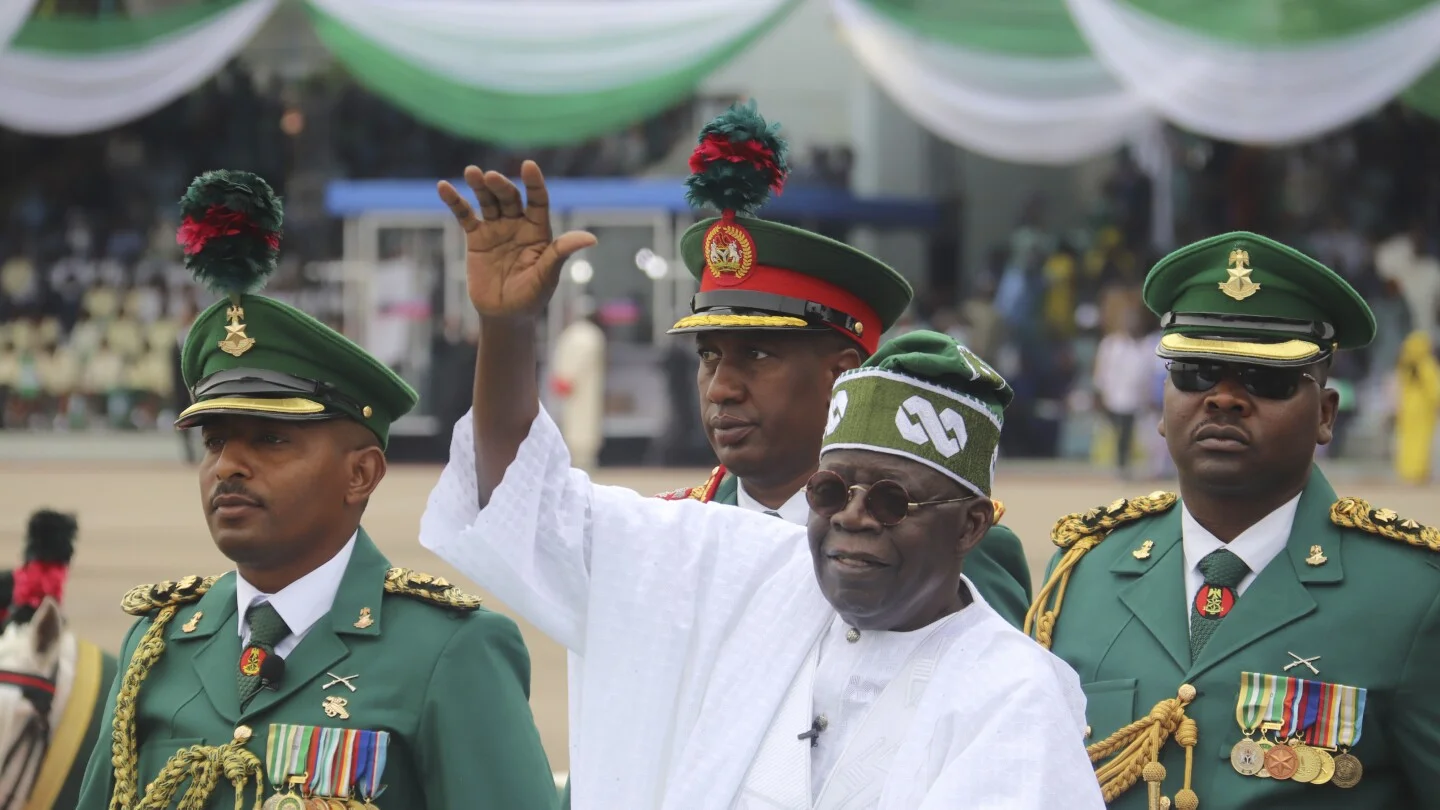
Nigerian President Bola Tinubu has announced economic measures to alleviate the growing hardship in the country, as labor unions threaten protests demanding more action. The government's decision to end gasoline subsidies has led to a sharp increase in gas prices, causing a spike in the cost of essential commodities. Tinubu acknowledged the government's slow response and promised incentives and credit facilities for businesses. The measures include providing credit to manufacturing companies, grants and loans to small businesses, releasing grains to stabilize food prices, and investing in agriculture. Labor unions are demanding improved social welfare programs, as many Nigerians struggle with inflation and poverty rates.
Nobel laureate Paul Krugman has said that the Federal Reserve may have already won its fight against inflation and is overly fixated on flawed price measures. Krugman cautioned that the Fed risked missing out on an "immaculate disinflation" scenario if it lifted interest rates too high. The Fed's chosen inflation gauge, the Personal Consumption Expenditures index, has been cooling at a slower rate than other measures, and Krugman said the central bank was using "kind of a one-eyed bearded man with a limp measure of inflation to suggest that we are not actually seeing improvement."