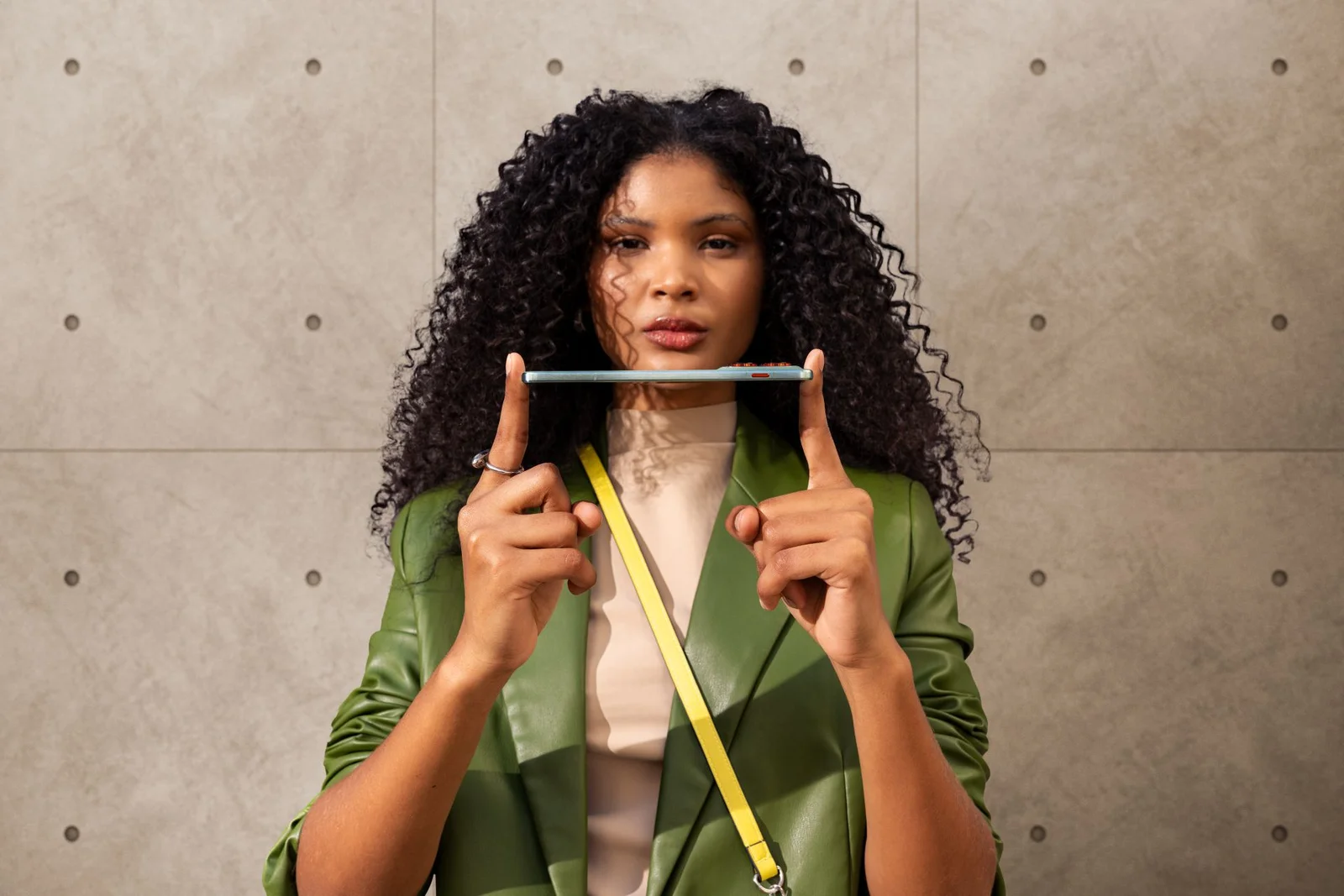
Motorola is launching the Razr Fold, a book-style foldable smartphone with a triple 50MP camera system and AI-infused software features, expected to release this summer, though pricing and detailed specifications remain undisclosed.

Motorola has teased a new book-style foldable phone called the Razr Fold, featuring a boundary-breaking camera system, ahead of its CES 2026 presentation, signaling a shift from their traditional flip phones to a more innovative foldable design.
Motorola has announced the new Edge 70, G57 Power, G57, and Moto Buds Bass, highlighting their ultra-thin design, advanced camera systems, impressive battery life, and durability features, with the Edge 70 being the thinnest in its category and equipped with a 50MP triple camera setup, while the G57 Power offers a massive 7000mAh battery. The devices also emphasize sustainability and innovative AI features, and the Moto Buds Bass deliver powerful sound with long-lasting performance.
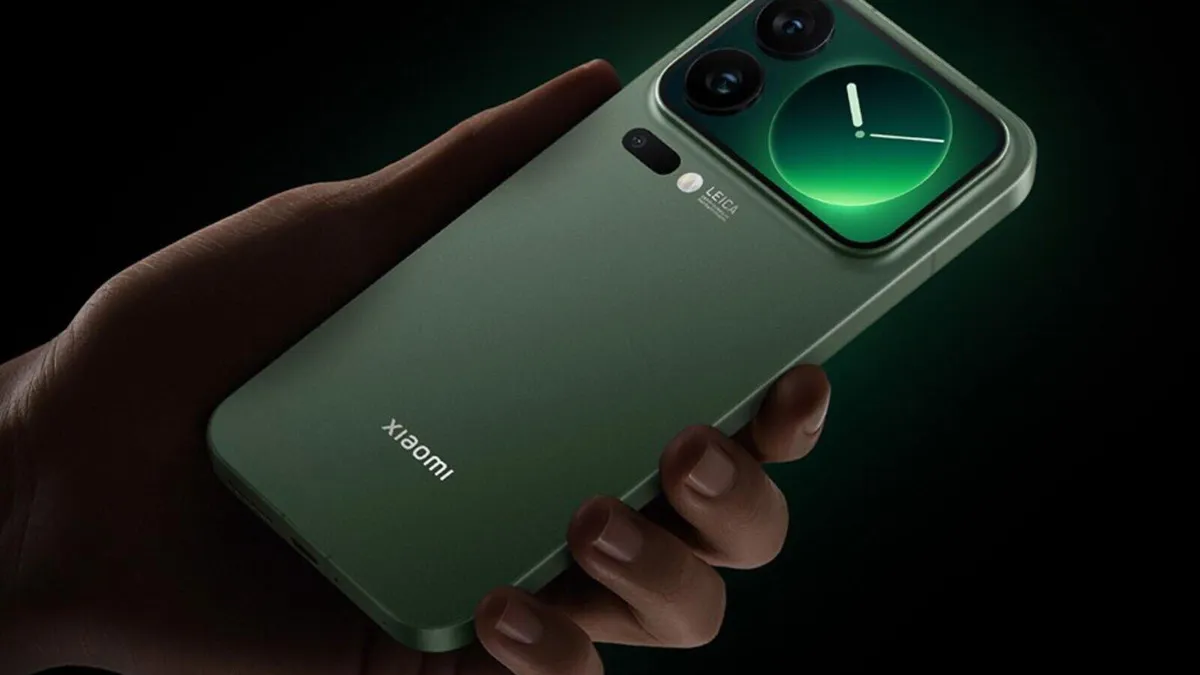
Xiaomi announced the 17 series featuring a unique rear display on Pro models, massive batteries up to 7,500mAh, and advanced camera setups, with prices starting around $630 and sales beginning September 27.
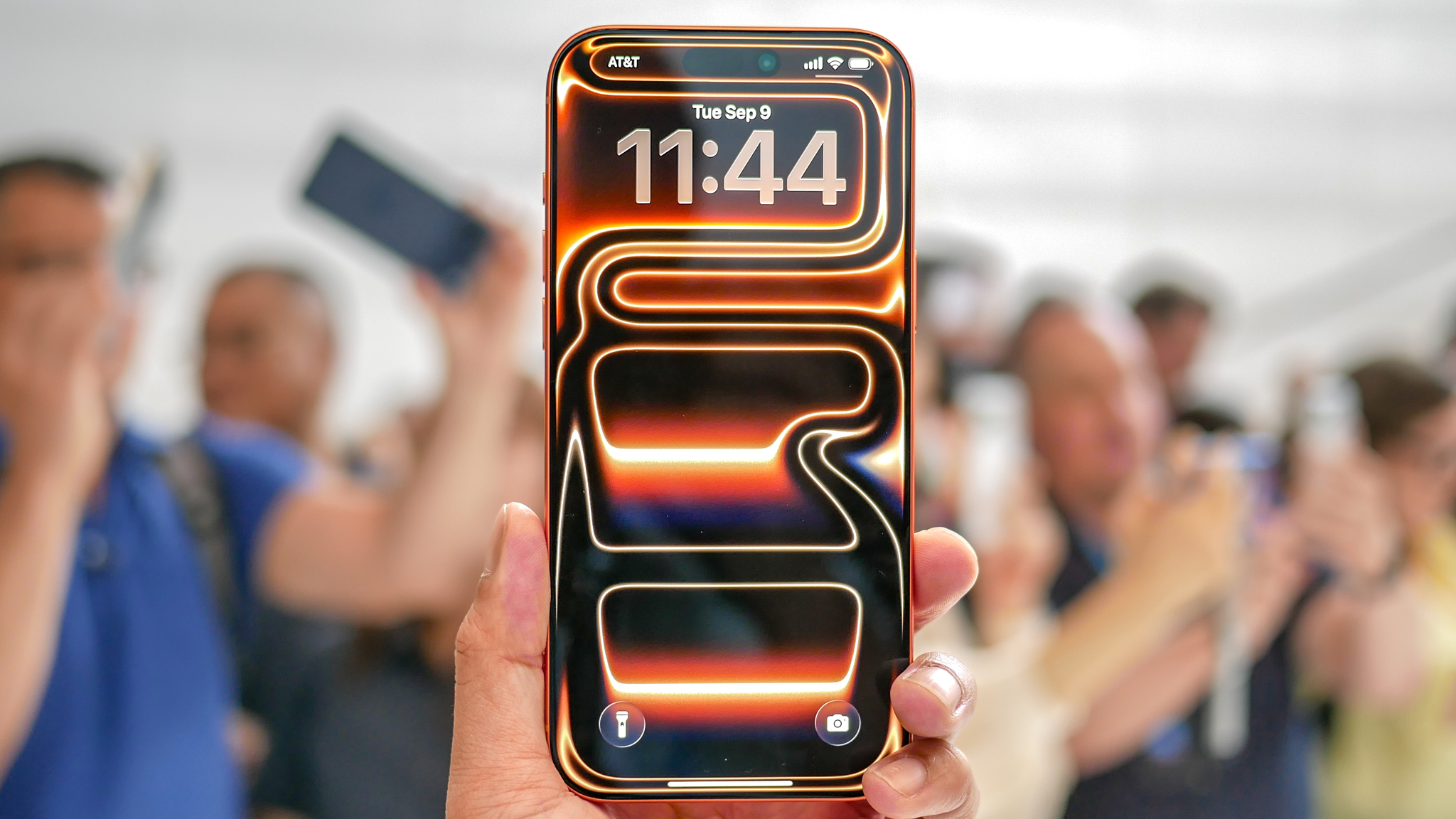
The article compares the iPhone 17 Pro Max and Google Pixel 10 Pro XL, highlighting their design, hardware, camera systems, and features. The iPhone offers a new aluminum unibody design, a powerful A19 Pro chip, and advanced camera capabilities, while the Pixel emphasizes AI features, practicality, and a versatile camera system with true optical zoom. Both phones are high-end flagship devices, with the choice depending on user preference for iOS or Android and specific feature priorities.
The Google Pixel 10 Pro XL offers modest upgrades over its predecessor, including a larger battery and new chipset, but retains the same camera system and similar design, making it a subtle update that may appeal to new buyers but not current Pixel 9 Pro XL owners.
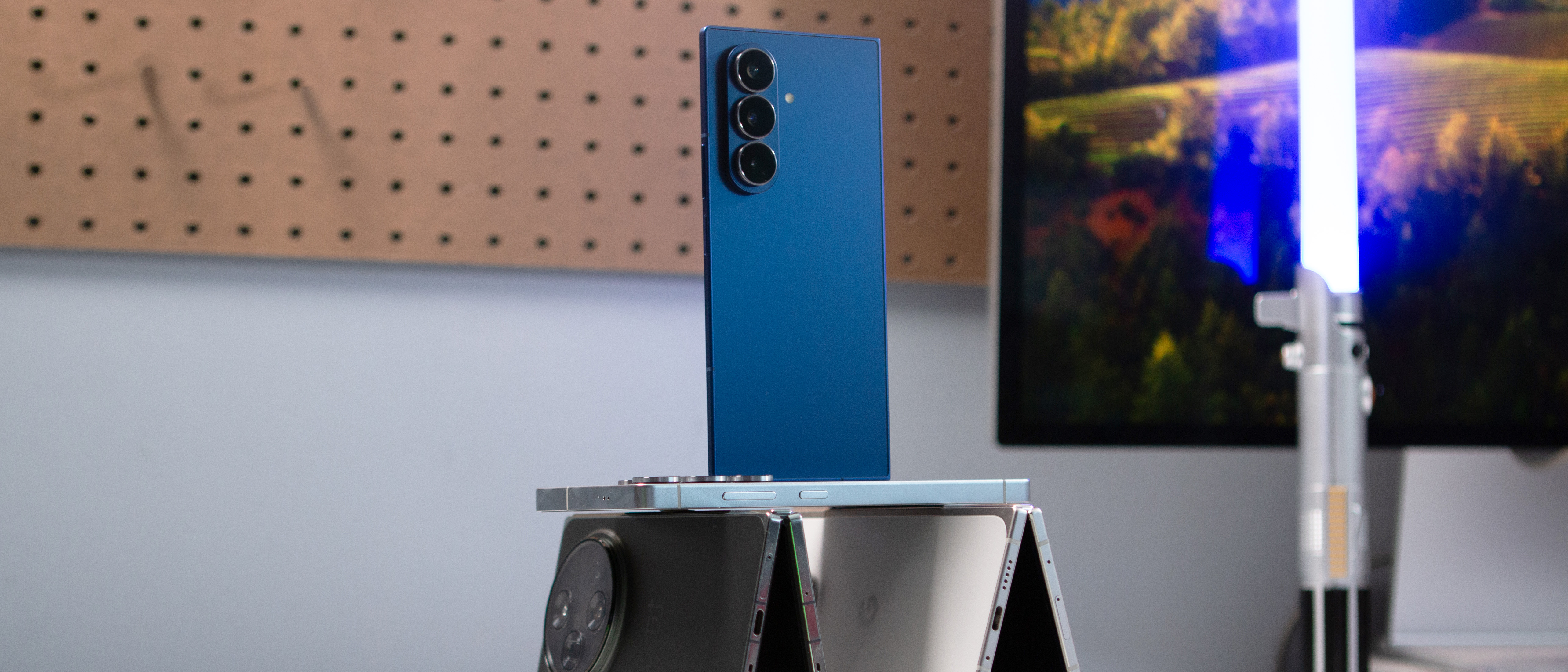
The Samsung Galaxy Z Fold 7 introduces a new, slim design with larger displays, a top-tier camera, and strong performance, but sacrifices include reduced battery size and no S Pen support. Despite some drawbacks, it is highly recommended as the best foldable phone in North America, offering a sleek, modern, and functional experience.
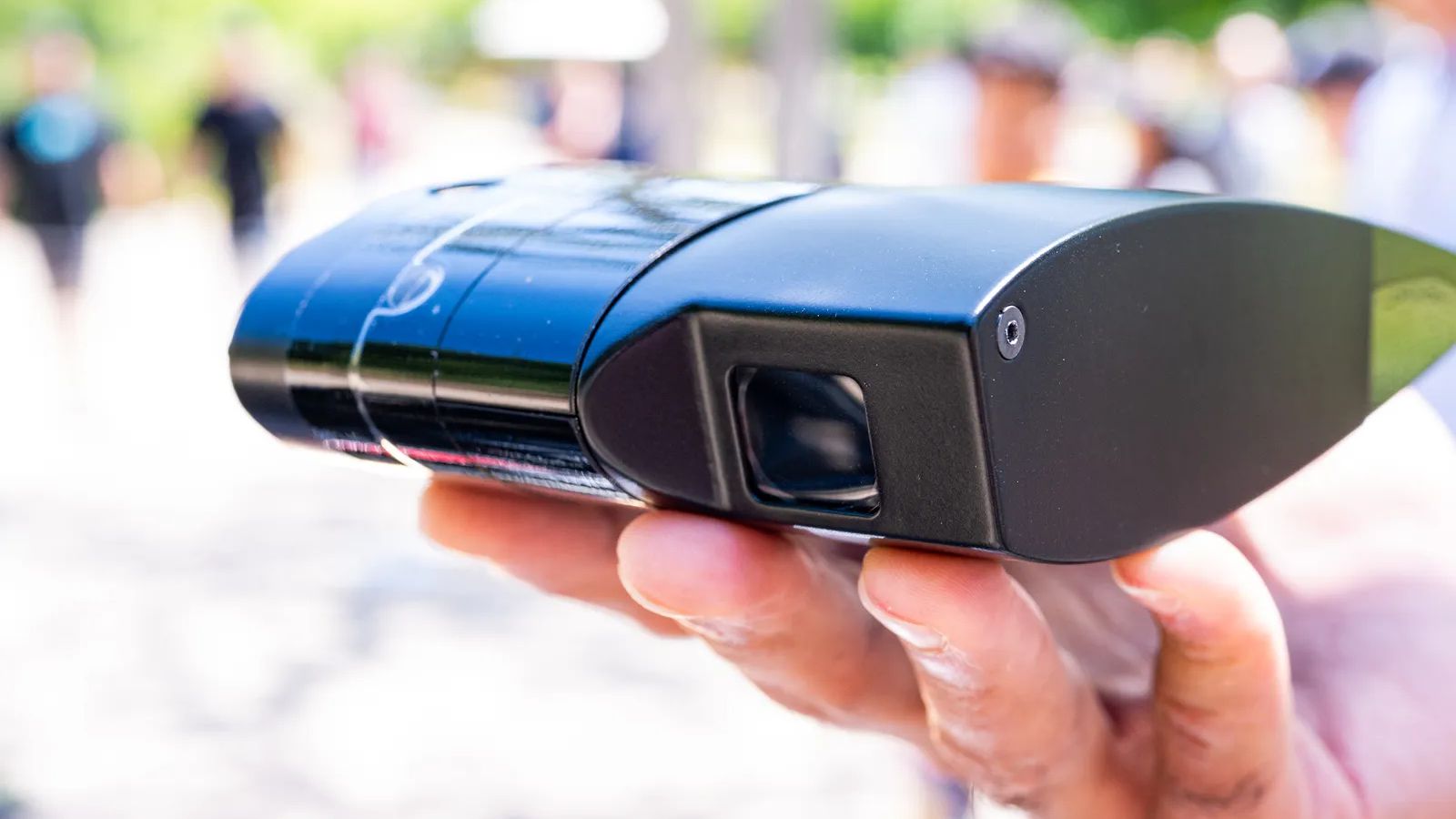
Apple developed a custom camera using iPhone parts to capture high-speed F1 racing footage for 'F1: The Movie,' featuring a bespoke module with a 48MP sensor, custom firmware, and integrated ND filter, designed to meet F1 regulations and film quality standards.
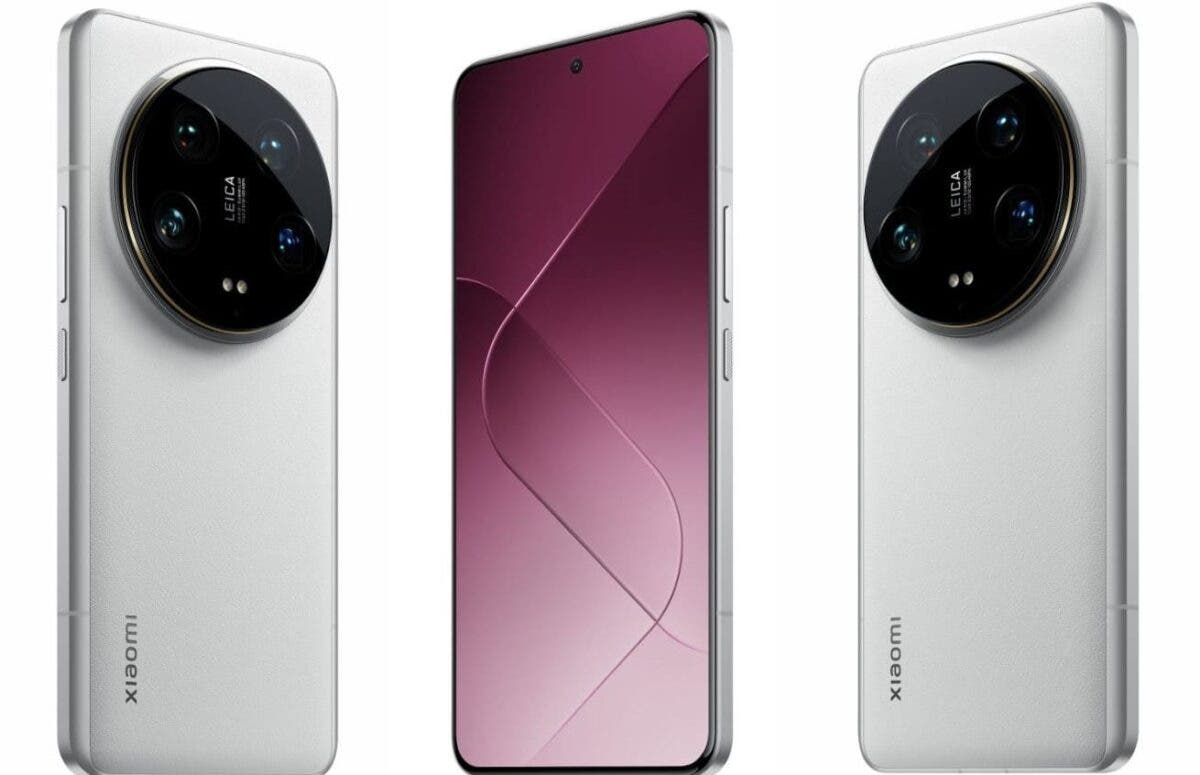
Xiaomi has unveiled the Xiaomi 14 Ultra with high-resolution renders showcasing its flat OLED display and intriguing camera system, hinting at 3.2x and 5x optical zoom capabilities and a potential 10x optical zoom. Pre-orders are already open in China with early bird incentives, but detailed specifications and pricing are yet to be announced, leaving pre-orders essentially "blind." The official launch on February 25th is expected to provide a complete picture of the phone's capabilities.
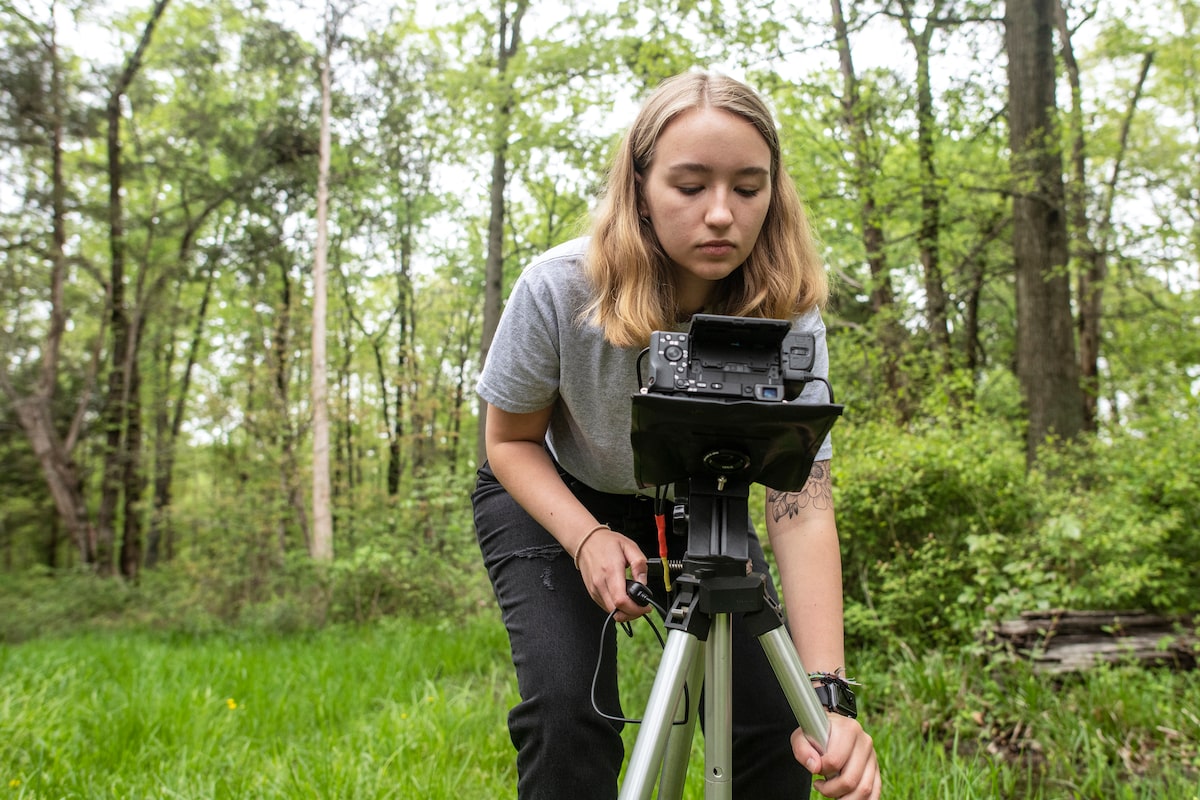
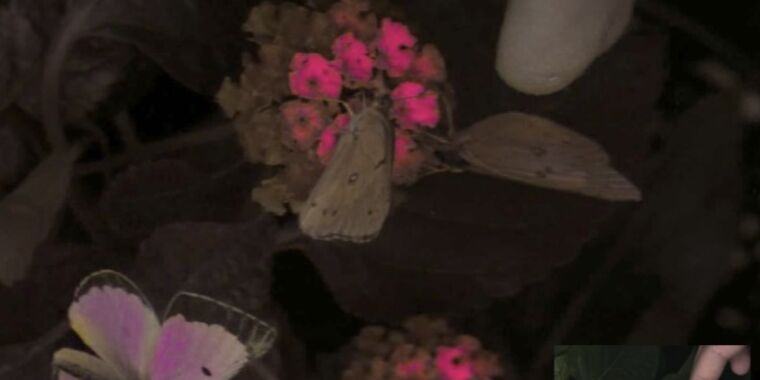
An international team of researchers has developed a video camera system that captures how various animals perceive color, providing insights into their vision systems. The camera system can reveal hidden cues guiding animals with different vision systems, such as bees not seeing red and birds having markings more visible in ultraviolet. By translating animal vision into the human visual range, the system allows for the study of scenarios where animals make decisions based on color, with potential applications in fields such as agriculture and window design.
A new camera system developed by researchers can accurately recreate how animals perceive colors, allowing for the study of dynamic behavioral displays and the impact of natural illumination on color perception. The system, which includes hardware and open-source software, was found to predict perceived colors with over 92% accuracy compared to traditional spectrophotometry methods. Lead researcher Vera Vasas highlighted the surprising brightness of the sky in UV colors when filming birds, emphasizing the different visual experiences of animals compared to humans.
A new camera system developed by researchers accurately replicates how various animals perceive colors, providing a groundbreaking tool for filmmakers and scientists to understand animal communication and navigation. By recording videos across four color channels and processing the footage to match the color perception of specific animals, this innovative approach captures the full complexity of visual signals in their natural context, including movement and varying light conditions. This advancement opens up new possibilities for studying animal behavior, communication, and evolution, revolutionizing our understanding of sensory ecology.
A new camera system developed by researchers at the University of Sussex and George Mason University can capture and process videos under natural lighting conditions, replicating animal vision based on known photoreceptor data. This innovation provides unprecedented insights into how animals perceive color, offering new avenues for scientific research and enabling filmmakers to create more accurate representations of animal vision. The system, constructed from readily available commercial cameras and open-source software, bridges the gap between human and animal perception, marking a significant advancement in the study of animal behavior and perception.
Scientists have developed a new camera system and open-source software to create stunning video clips that show the world as different animals see it, including the specific colors they perceive. The footage, published in the journal PLOS Biology, includes scenes from a garden environment, with colors accentuated or dulled based on the animal's vision being emulated. This method, which is 92% accurate, captures animal-perceived colors in motion and can provide valuable insights into how different species interact with their environment and respond to stimuli.
A new camera system and software package developed by an interdisciplinary team allows for the capture of animal-view videos with over 90 percent accuracy, providing a unique perspective on how animals perceive the world. By combining multispectral photography with new hardware and software designs, the system can accurately depict how colorful scenes would be perceived by various animals based on their photoreceptors. This innovative tool has the potential to advance research in sensory ecology and provide filmmakers with new ways to capture behavior in natural settings.