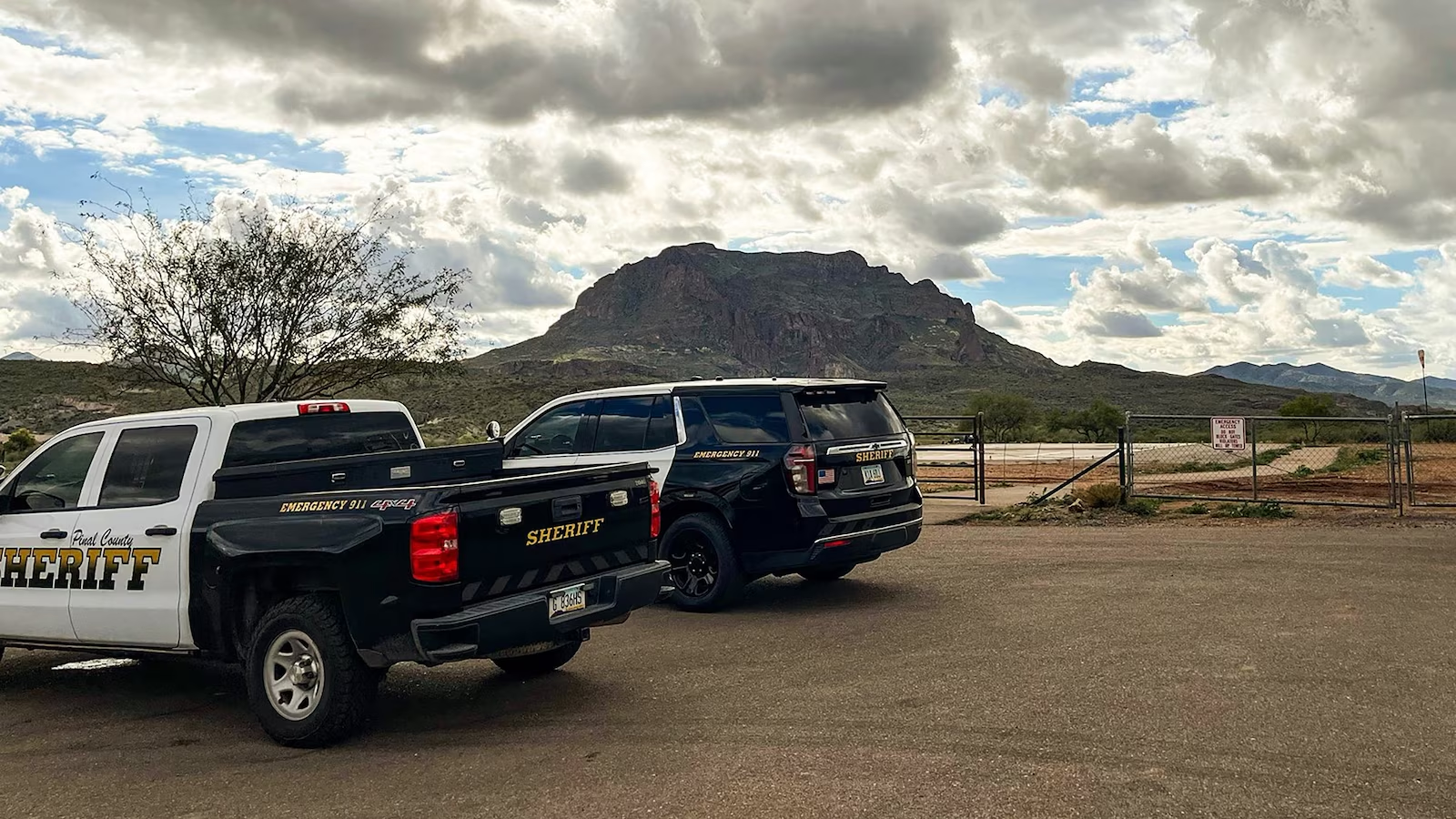
A private helicopter with four people on board crashed in the mountains near Phoenix, Arizona, with rescue crews working to access the remote site; injuries are unconfirmed, and authorities are investigating the incident.
A winter weather advisory and hazardous weather outlook have been issued for Colorado's mountains, with snow expected to accumulate through Friday and possibly into Sunday, affecting areas above 8,000 feet and near the Continental Divide.
Four hikers, including three men and one woman, were found dead after an avalanche in the Vardousia Mountains in central Greece, where they had gone missing on Christmas Day. The rescue operation was challenging due to difficult weather conditions and terrain, with efforts ongoing to recover the remaining bodies.
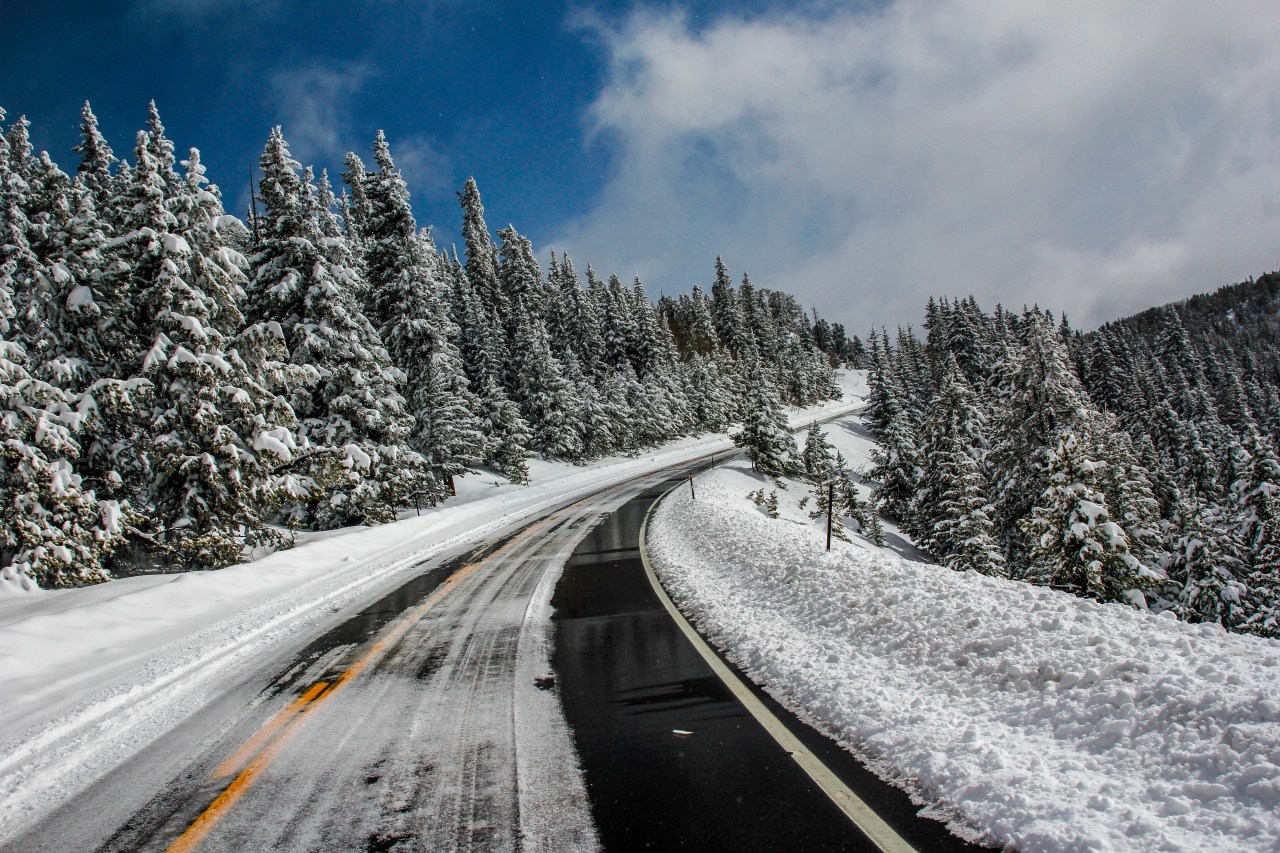
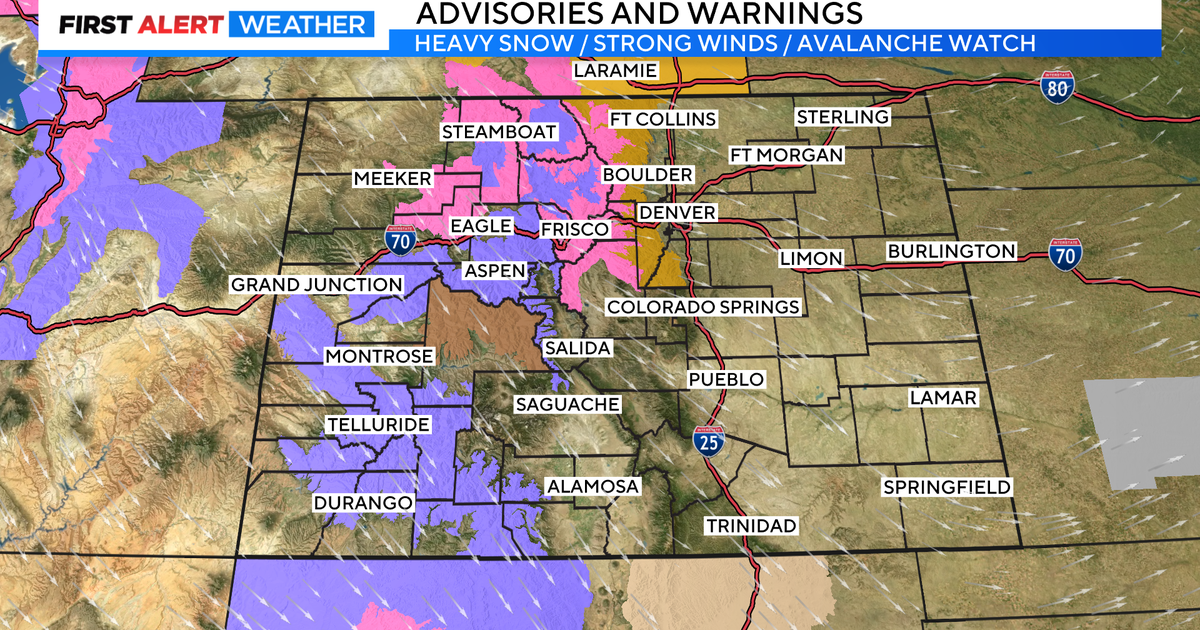
The National Weather Service has issued a winter storm warning and advisories for Colorado's mountains, with over a foot of snow expected in some areas and strong winds, making travel difficult or impossible, especially along the I-70 corridor and mountain passes.
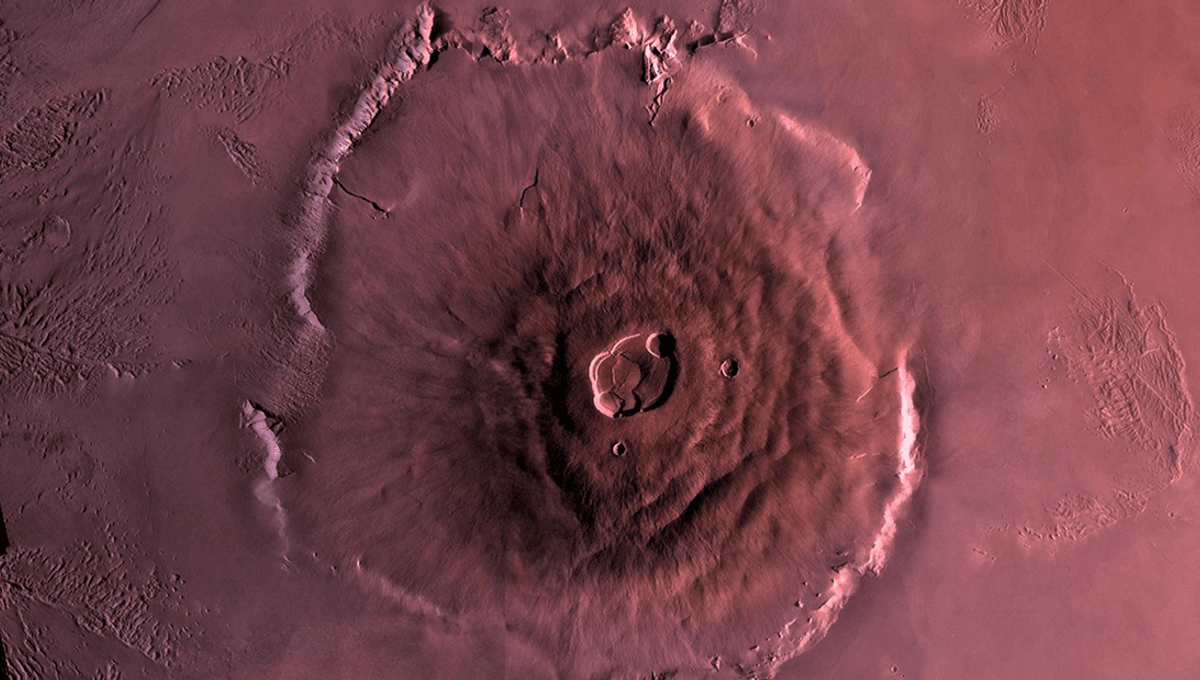
The tallest mountain in the Solar System is Olympus Mons on Mars, standing at 40 km high, surpassing Earth's Mount Everest, with other notable features including the equatorial ridge on Saturn's moon Iapetus. Olympus Mons is a massive shield volcano that may still be active and is a potential site for extraterrestrial life due to its water ice and heat sources.
Tadej Pogacar wins stage 3 of Volta a Catalunya with a solo attack, maintaining his dominance in the mountains. The other riders struggled to keep up, with Mikel Landa finishing second at 48 seconds behind Pogacar. The stage featured climbs including Port de Toses, Port de Canto, and Port Ainé, totaling nearly 4,000 meters of elevation gain.
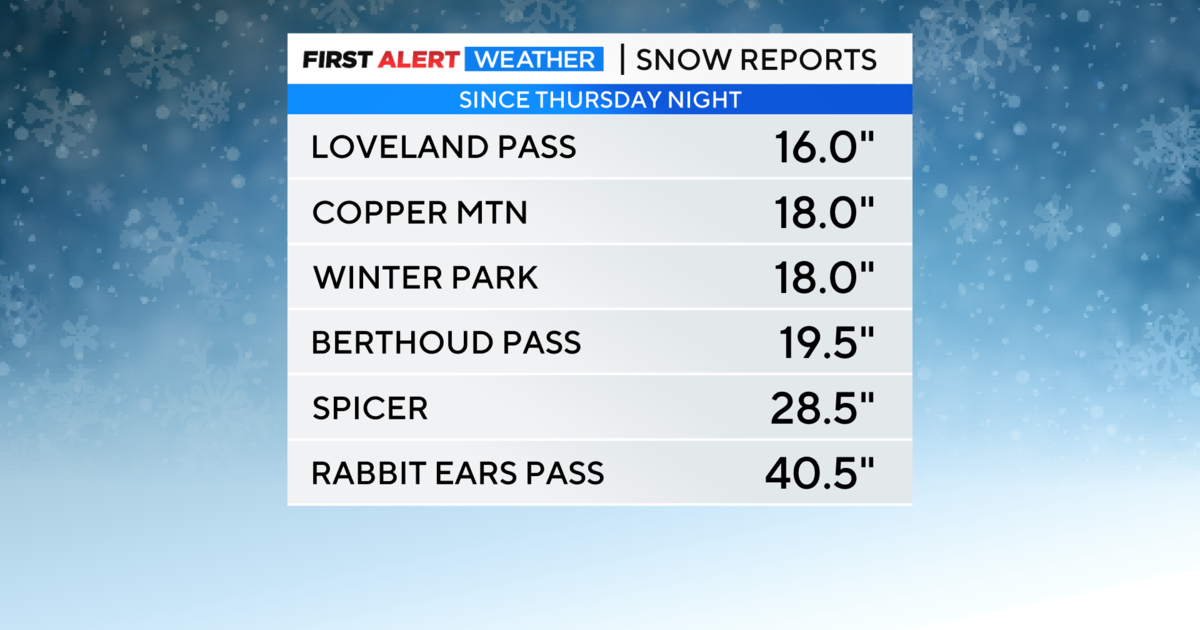
While the Denver metro area saw little to no snow, the mountains experienced heavy snow and high winds, leading to difficult travel conditions and road closures. Southeast Colorado faced high fire concerns due to dry and windy weather. Some mountain areas received over a foot of snow by Sunday evening, with chances for snow every day in the mountains in the upcoming week. The National Weather Service reported snow accumulation in various locations, and the Pinpoint Weather team will continue to provide updates on the forecast.
Atmospheric sciences professor Cliff Mass predicts massive amounts of snow in the mountains of Western Washington this week, with snowpack expected to rise significantly. While some lowland areas may see some snow, heavy accumulation is not expected due to relatively warm ground temperatures. Mass emphasizes that mountain areas will experience substantial snowfall, potentially causing travel disruptions, and advises listeners to prepare for wintry conditions.
Oregon's mountains are expected to receive massive amounts of snow, while the Willamette Valley's largest cities, including Portland, Salem, and Eugene, may see only rain with the possibility of 1-2 inches of snow in the Portland metro area. The snow level in the central and southern Willamette Valley is likely to stay around 1,000 feet, with potential for lower elevation snow in places like Mill City and Detroit. Additionally, smaller ski areas in Western Oregon are set to open this week due to the recent snowfall.
A winter storm in Colorado brought heavy snowfall to the high country, with some areas receiving over three feet of snow. The Denver metro area saw minimal snow, while the northern mountains experienced the heaviest accumulation. Hurricane force winds were also reported in the Front Range Foothills. Winter storm warnings and advisories are in place, with additional snowfall expected.
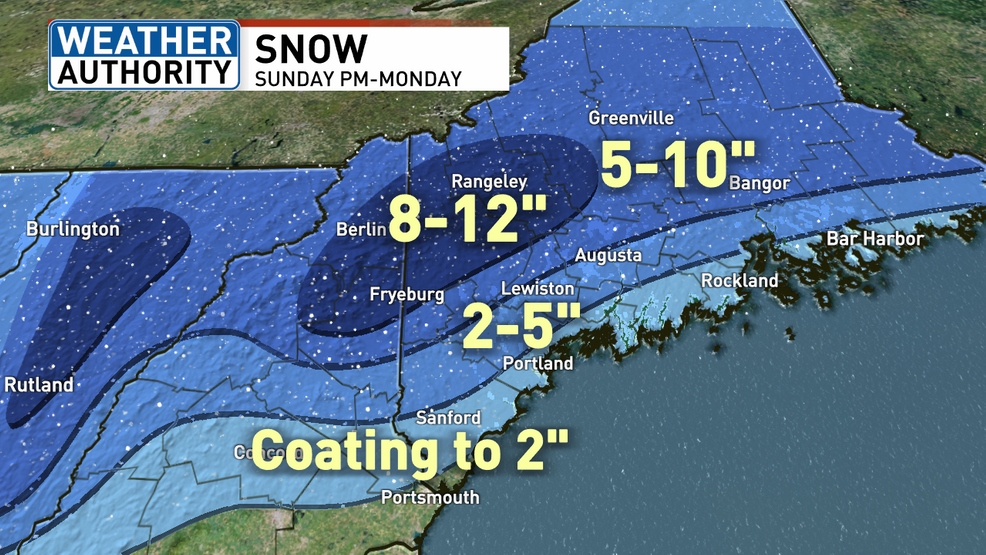
Winter storm watches have been posted inland as a winter storm is expected to impact the area from Sunday afternoon to Monday morning. Rain and snow will develop, starting as light rain before transitioning to snow for much of the state. The coastline will see the transition last, with accumulating snow expected overnight. Snow totals will range from a coating to 2 inches along the coast, 2-5 inches north of the coast, and 5-10 inches further north, with some parts of the mountains seeing up to a foot of snow. The snow will taper off on Monday morning, with snow showers continuing in the afternoon and night. The rest of the week will be mostly dry but cold, with temperatures in the 20s to low 30s and overnight lows in the single digits and teens.
Heavy snow and strong winds are expected in the mountains and foothills of Colorado over the weekend, with some areas potentially receiving 1 to 2 feet of snow. Winter Storm Warnings and Avalanche Watch have been issued, cautioning against travel in the backcountry. Sustained winds of 30 to 40 mph, with gusts up to 75 to 80 mph, are expected in the Northern Front Range Foothills.
A Jack Russell terrier named Finney survived for over 10 weeks in the Colorado mountains after her owner died of hypothermia. When the owner's body was found, Finney was still with him, though she had lost half her body weight. The dog's survival is attributed to her loyalty and ability to hunt small animals while avoiding predators. This marks the third time a dog has been found alive next to a hiker's body in recent years. Finney has been reunited with the owner's family.
Colorado is bracing for its first significant snowfall of the season, with up to 14 inches expected in the northern mountains and 3 to 10 inches in the central mountains. A winter weather advisory is in effect, warning of treacherous driving conditions above 9,000 feet. While the Denver metro area will mostly see rain, a rain-snow mix is possible in the foothills. A hard freeze is expected in Denver by Friday night, with temperatures dropping significantly.
Researchers suggest that if neutron stars have mountains or other deformations, their rotation would generate gravitational waves. These waves could provide insights into the interior structure and diversity of neutron stars. The authors draw parallels between the mountain features observed on worlds like Mercury and Enceladus and propose that the distribution and scale of mountains on neutron stars could be determined by their crust and interior interactions. Detecting these gravitational waves could place an upper bound on the rotation speed of neutron stars and help us understand their geology and composition.