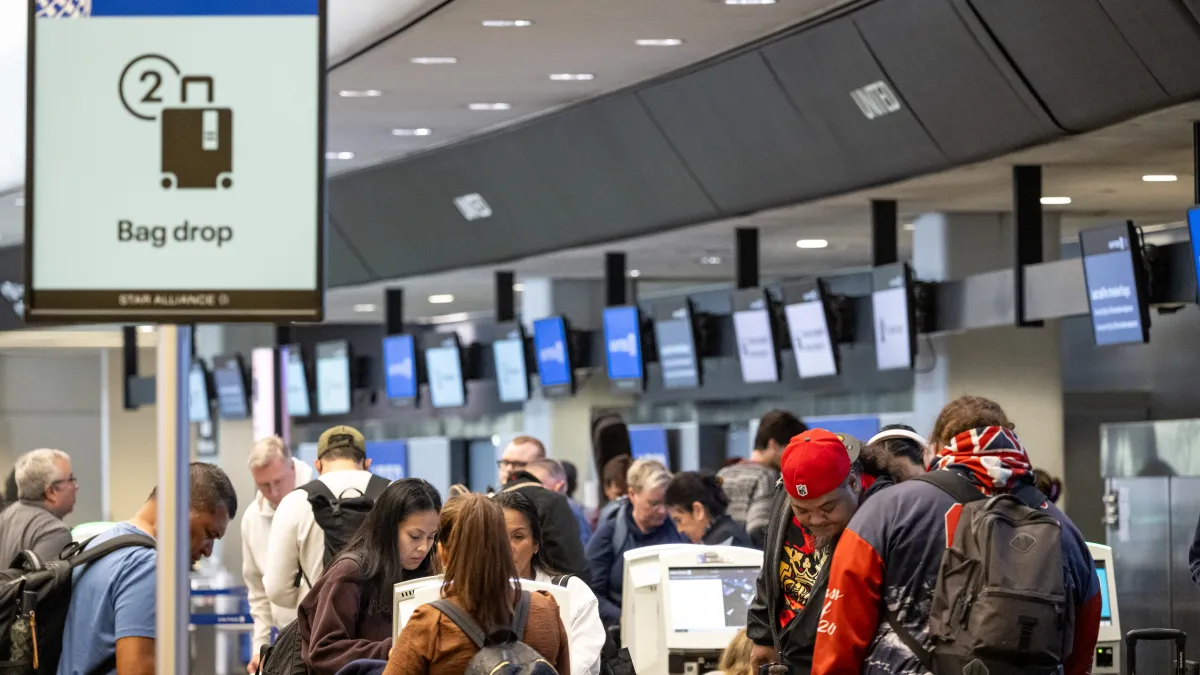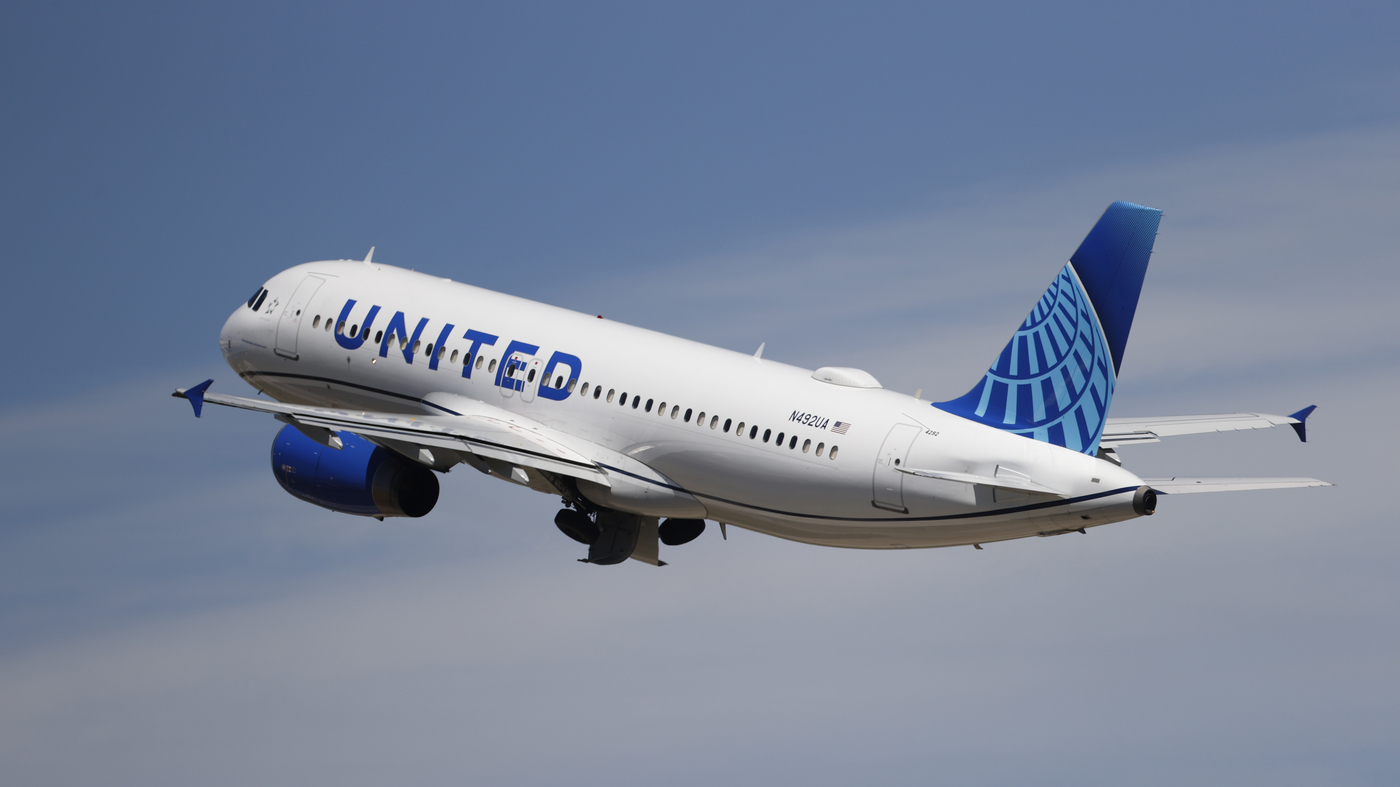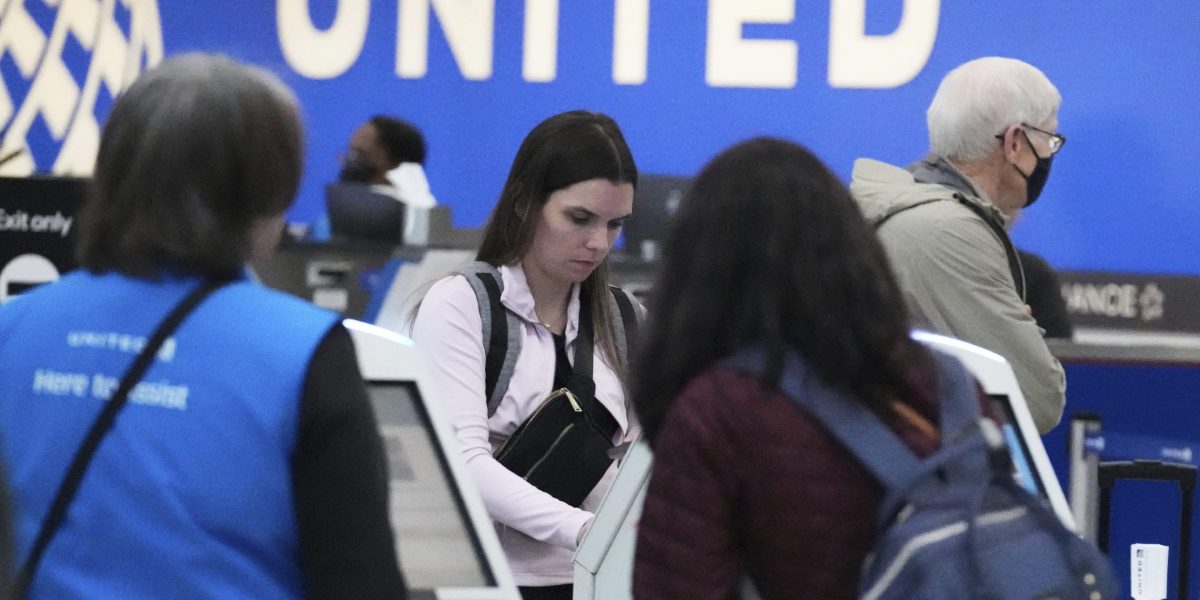
United Airlines is moving its domestic check-in cutoff time to 45 minutes before departure for travelers with only carry-on bags, aligning with the check-in time for those checking luggage, to improve consistency and efficiency across its operations starting June 3.
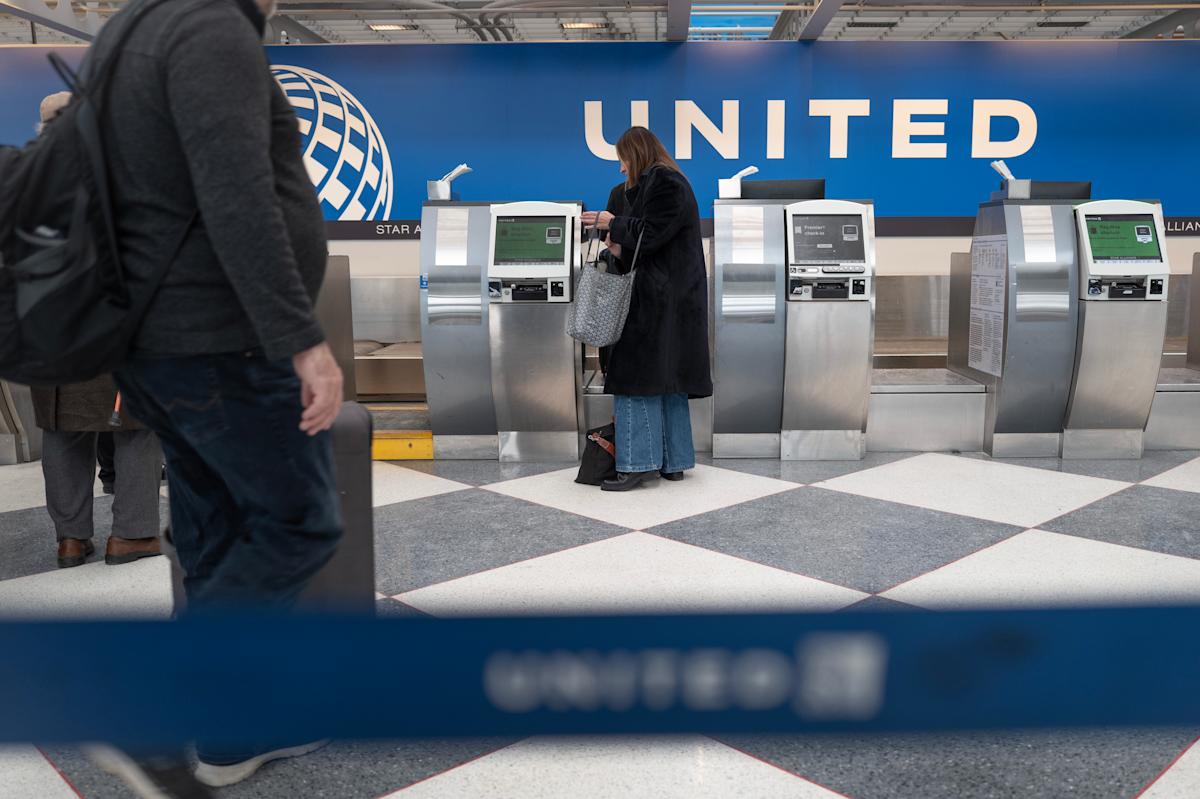
Starting June 3, United Airlines will require domestic passengers to check in at least 45 minutes before departure, aligning with other airlines and the airline's baggage policies, with stricter rules for international flights. Passengers who fail to check in on time risk denied boarding or canceled reservations, emphasizing the importance of timely check-in to avoid travel disruptions.
United Airlines is adjusting its check-in cutoff times for domestic flights from 30 to 45 minutes starting June 3, aligning with baggage policies and industry standards, to improve consistency and customer experience.
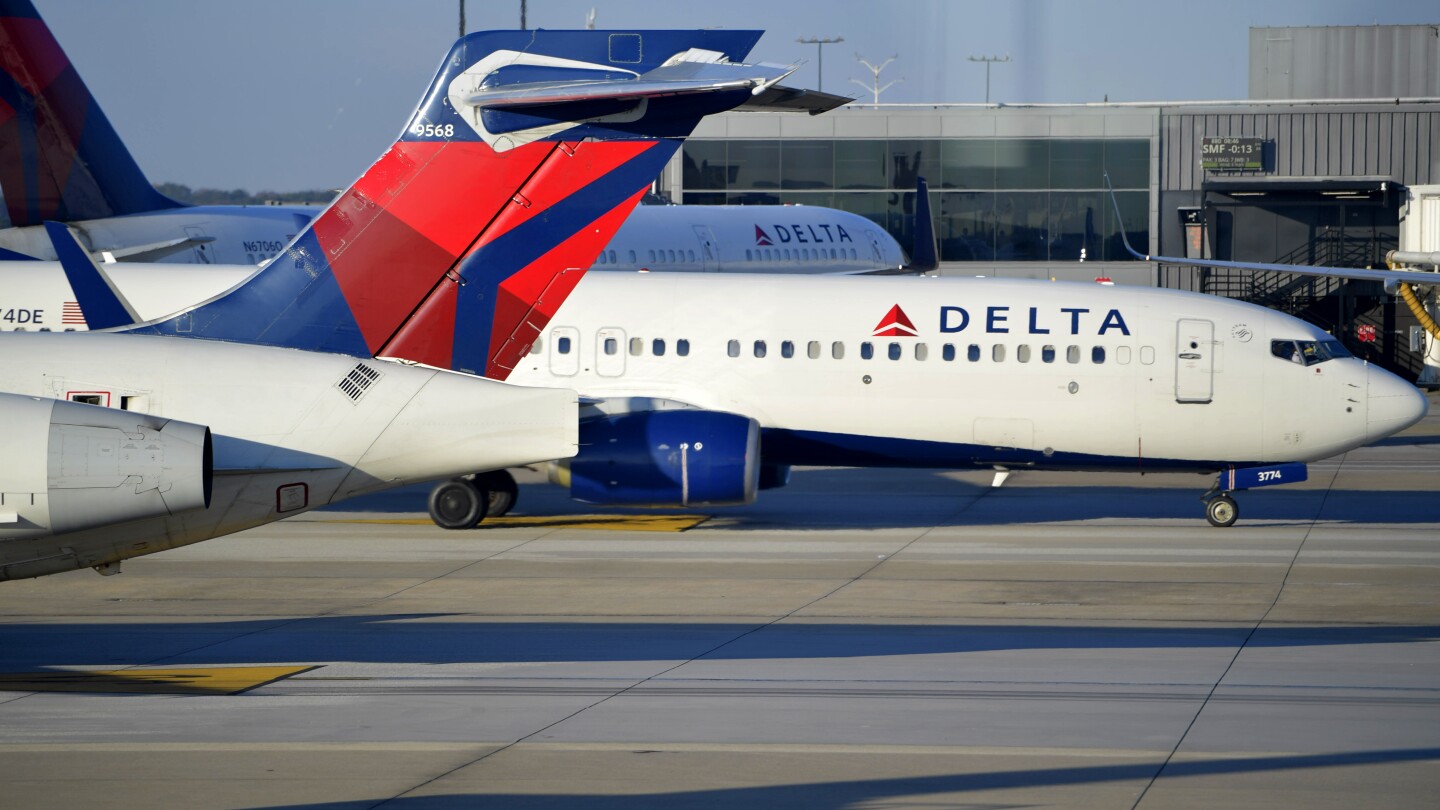
Delta Airlines has increased its first checked bag fee for domestic flights by 17%, bringing the total to $35, while the fee for a second bag has risen to $45. This move follows similar increases by American Airlines and United Airlines, and is attributed to rising industry costs. Bag fees have become a significant source of revenue for airlines, with U.S. airlines collectively earning $6.8 billion from checked-bag fees in 2022.
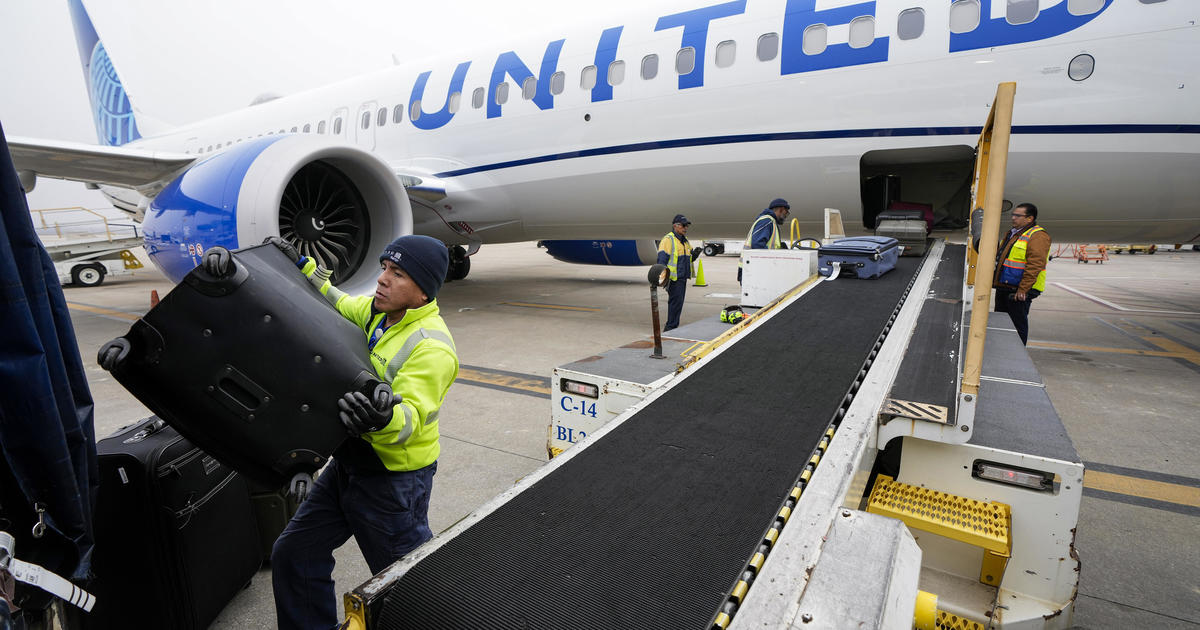
United Airlines is increasing checked bag fees for domestic flights in North America, with the cost for the first checked bag rising to $40 and the second to $45 if paid in advance online. The new policy, effective for tickets purchased on or after February 24, also offers savings for passengers who pay in advance. Other airlines, including American, Alaska, and JetBlue, have also raised their bag fees recently, contributing to the significant revenue generated by airlines from baggage fees. United is also updating its mainline aircraft with larger overhead bins to accommodate more carry-on bags.
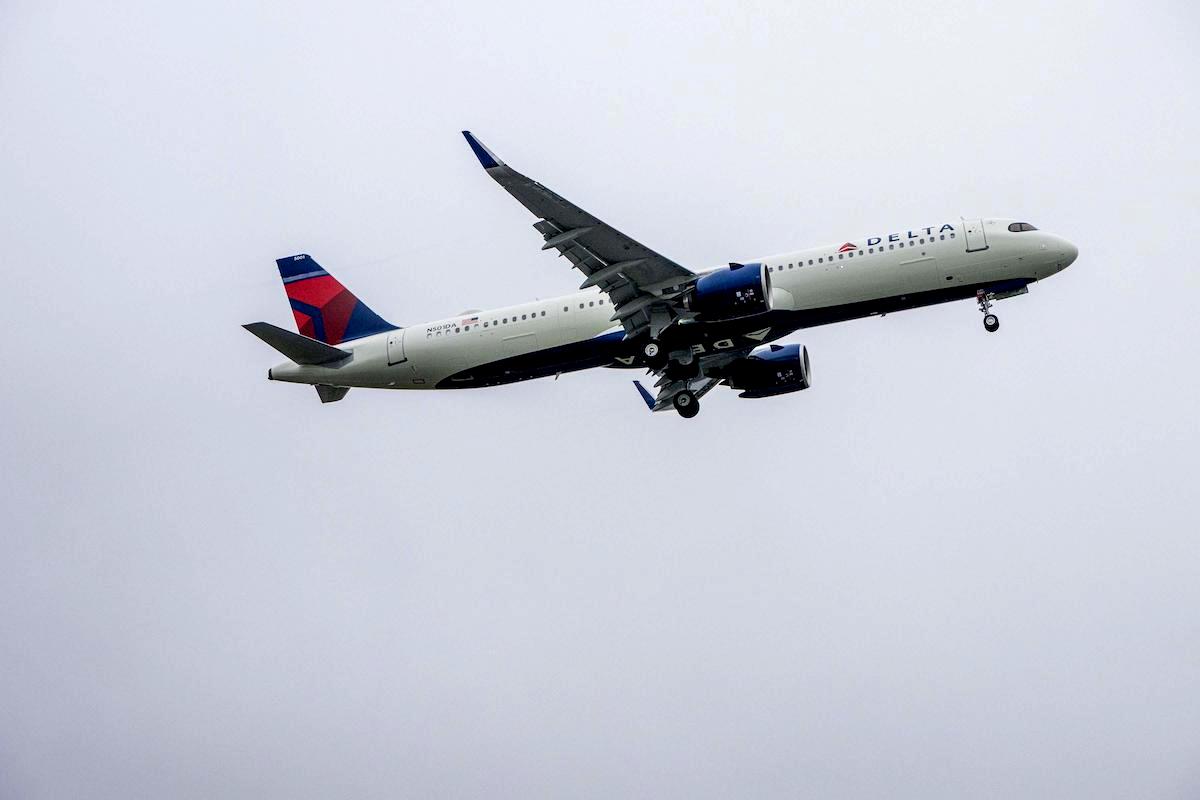
Delta is adding a new daily, year-round flight between Seattle and Miami starting December 21, 2024, using an Airbus A321neo. This will be Delta’s longest domestic flight within the lower 48 United States and will bring the total peak-day departures from Miami to 38. The move comes as the Seattle to Miami market becomes increasingly competitive, with American and Alaska already serving the route. Delta's decision is seen as a strategic move to tap into demand between Seattle and Miami, as well as to connect with LATAM's network, despite facing challenges in terms of connectivity compared to its competitors.
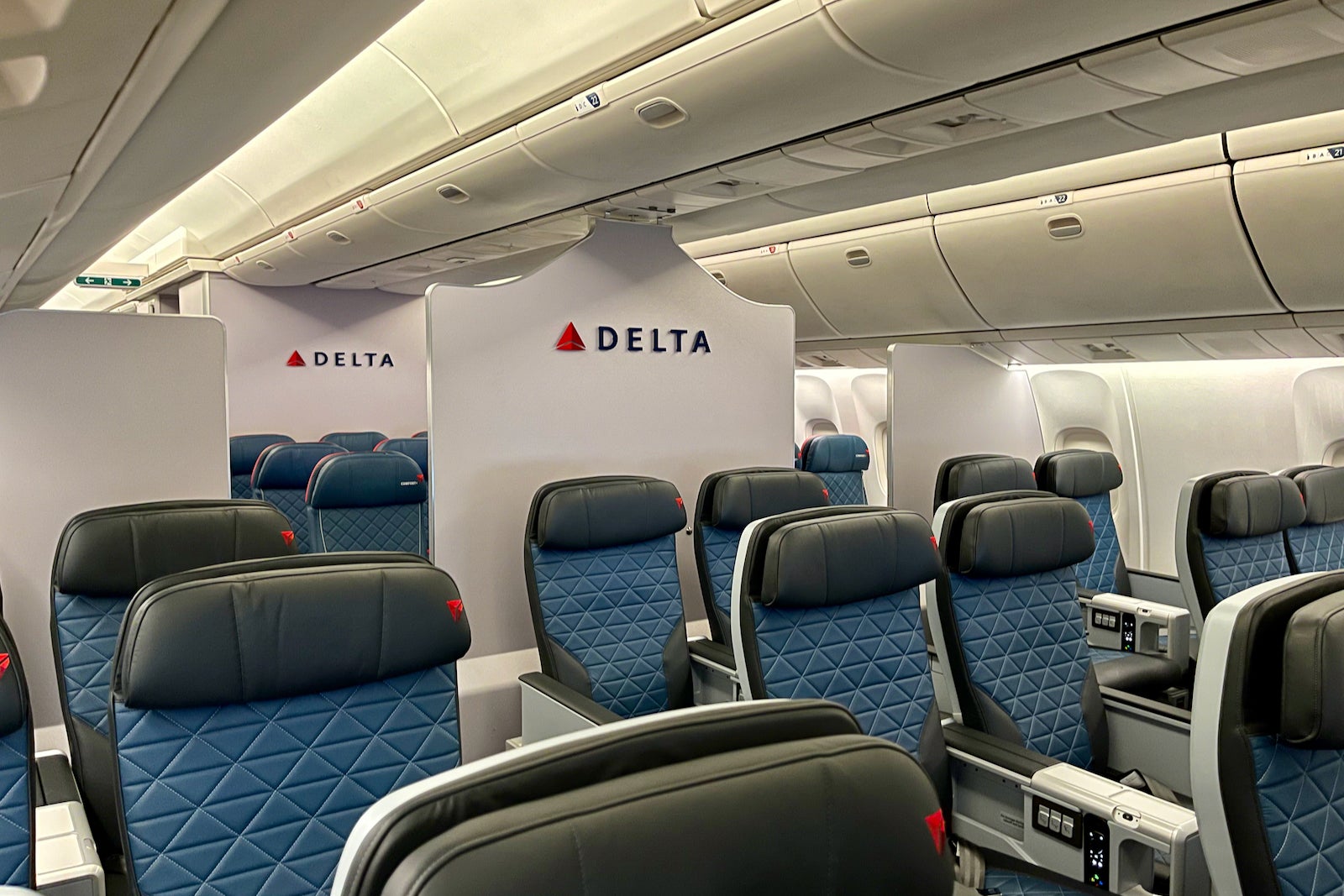
Delta Air Lines is expanding its domestic network by adding a new long-haul service between Boston and Honolulu, as well as a new transcontinental route from Miami to Seattle. The Boston-to-Honolulu route will operate seasonally with a newly retrofitted Boeing 767-300ER, making it Delta's longest domestic route. Delta will also increase its presence in Hawaii with additional daily nonstop flights and resume service from Atlanta to Maui. In Miami, the airline will add year-round daily service to Seattle as part of its strategic growth in the region.
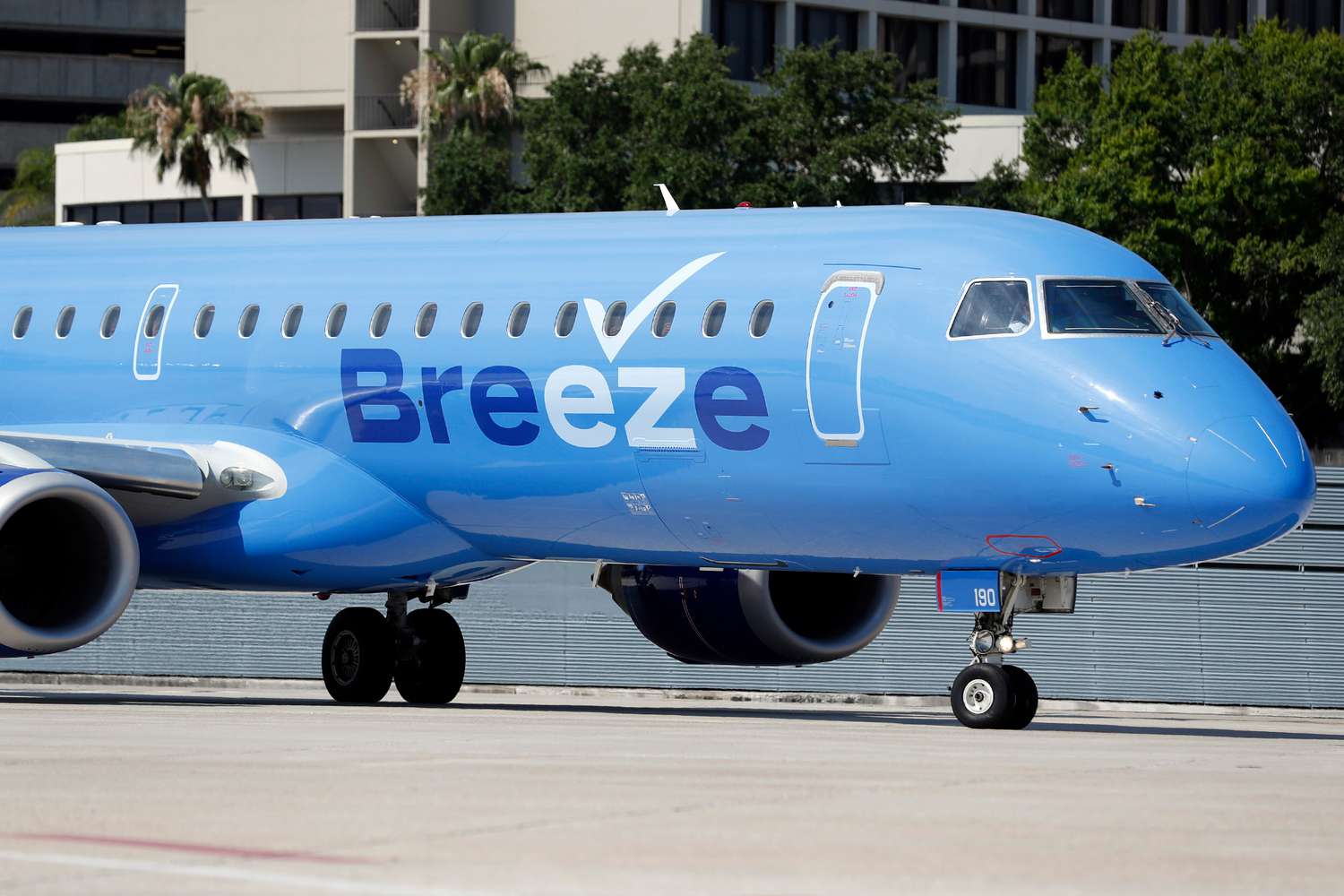
Breeze Airways is expanding its route network with 11 new seasonal flights, including nonstop routes between Greenville and five existing hubs. To celebrate, the airline is offering one-way fares as low as $39 for these new routes, available for booking until January 29. The expansion includes inaugural services between Mobile and Orlando in April, and Denver to Providence in May, with plans for additional routes during the summer season. Breeze will operate these flights using its Airbus A220-300 aircraft, featuring a first-class "Ascent" cabin.
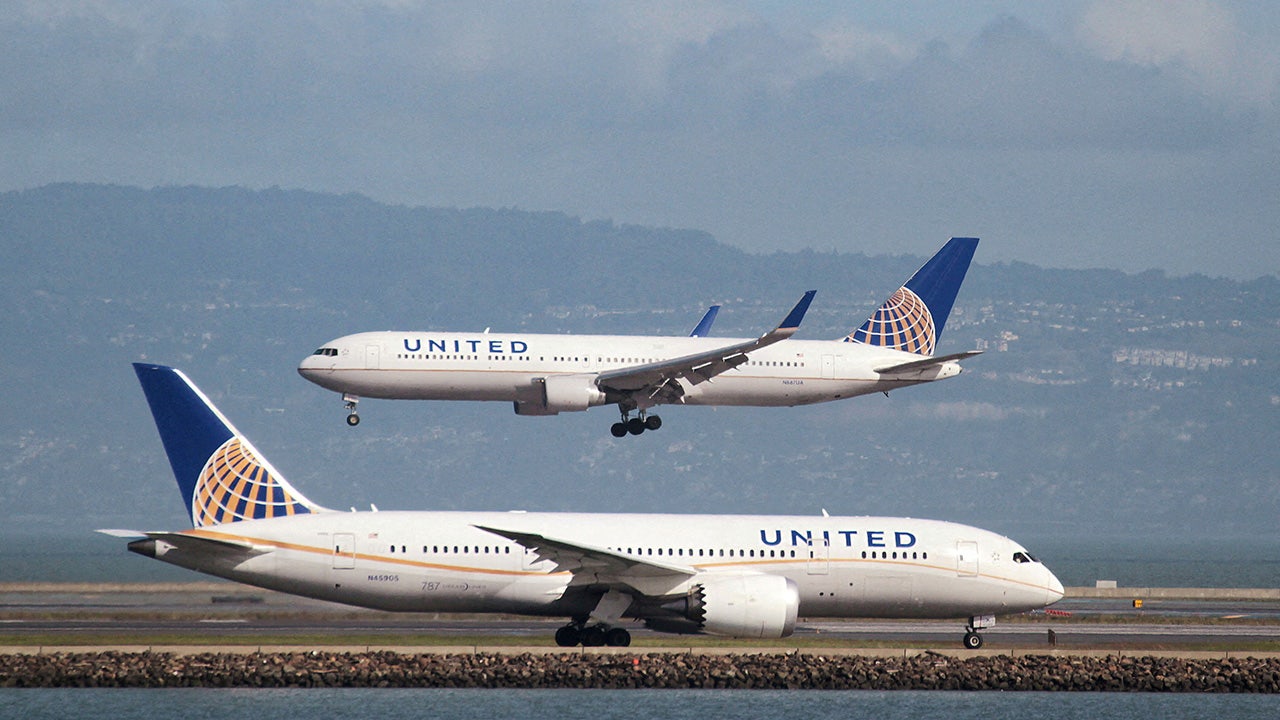
United Airlines will implement a new boarding policy starting October 26, prioritizing economy class passengers with window seats, followed by those with middle seats, and then aisle seats. This change aims to reduce boarding times by up to two minutes. Pre-boarding groups and boarding groups one through three will remain unchanged. Group four will be for passengers with middle seats, and group five for those with aisle seats. The revised policy applies to U.S. domestic flights and select international destinations. United Airlines tested the new policy at five airports and found it to be faster.
United Airlines plans to implement a new boarding process called WILMA (window-middle-aisle), where economy passengers with window seats will board before those with middle and aisle seats, in an effort to reduce boarding time. This change is expected to save up to two minutes per flight and will be implemented on all domestic and some international flights starting October 26. United Airlines had previously used this seating process before 2017 but had to condense middle and aisle seat passengers into one group due to restrictions. The new process aims to improve efficiency and is being tested at select locations.
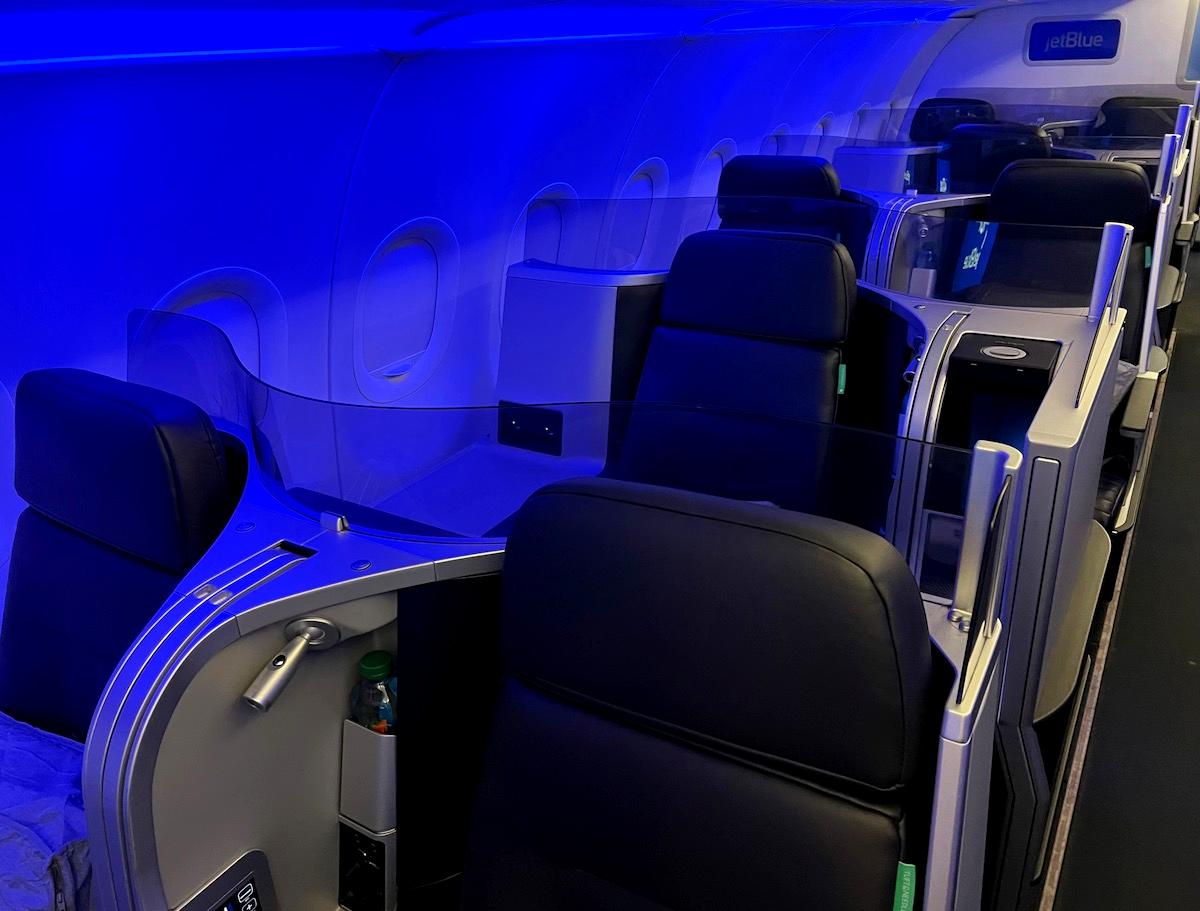
JetBlue's Mint business class cabin continues to impress with its comfortable seats, including "throne" seats with doors for added privacy. The cabin feels fresh and the seats have been reupholstered, offering improved padding. The in-flight service stands out with restaurant-quality food, friendly and attentive flight attendants, and attention to detail. The entertainment options are varied, including DIRECTV and a library of movies and TV shows, and Wi-Fi is free for all passengers. Overall, JetBlue Mint provides a great flying experience domestically, especially considering the value for money.
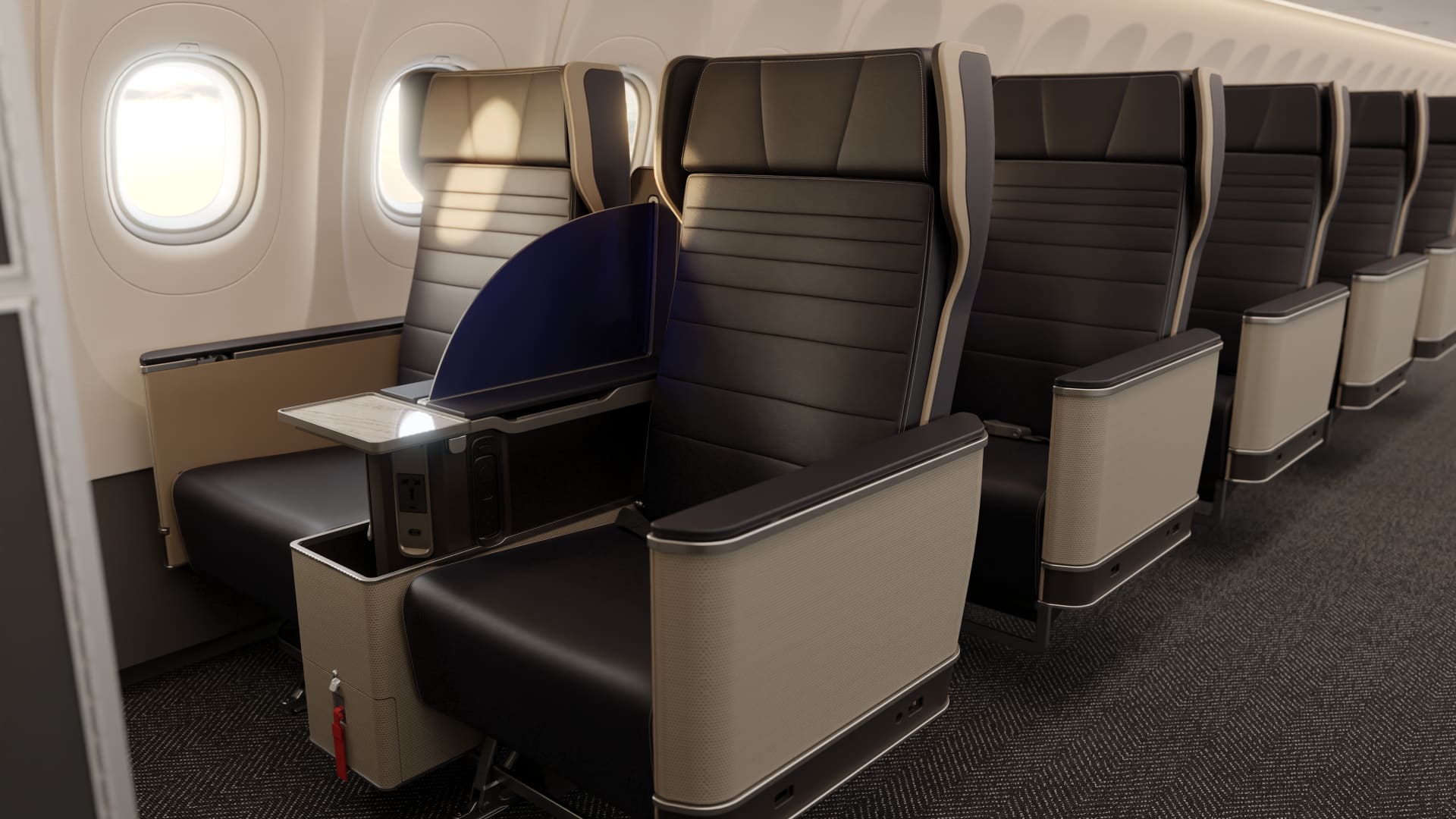
United Airlines has unveiled its first new first-class seat in nearly a decade, featuring improved technology such as armrest wireless charging stations and winged headrests. The seats will have an 11-by-19-inch barrier between them and will be arranged in a two-by-two configuration. United, along with other airlines like Delta and JetBlue, has been upgrading its premium cabin offerings to attract high-paying passengers. However, supply chain delays have hindered these efforts. The new first-class seats will be introduced on a Boeing 737 this month and are expected to be installed on 200 narrow-body aircraft by 2026.
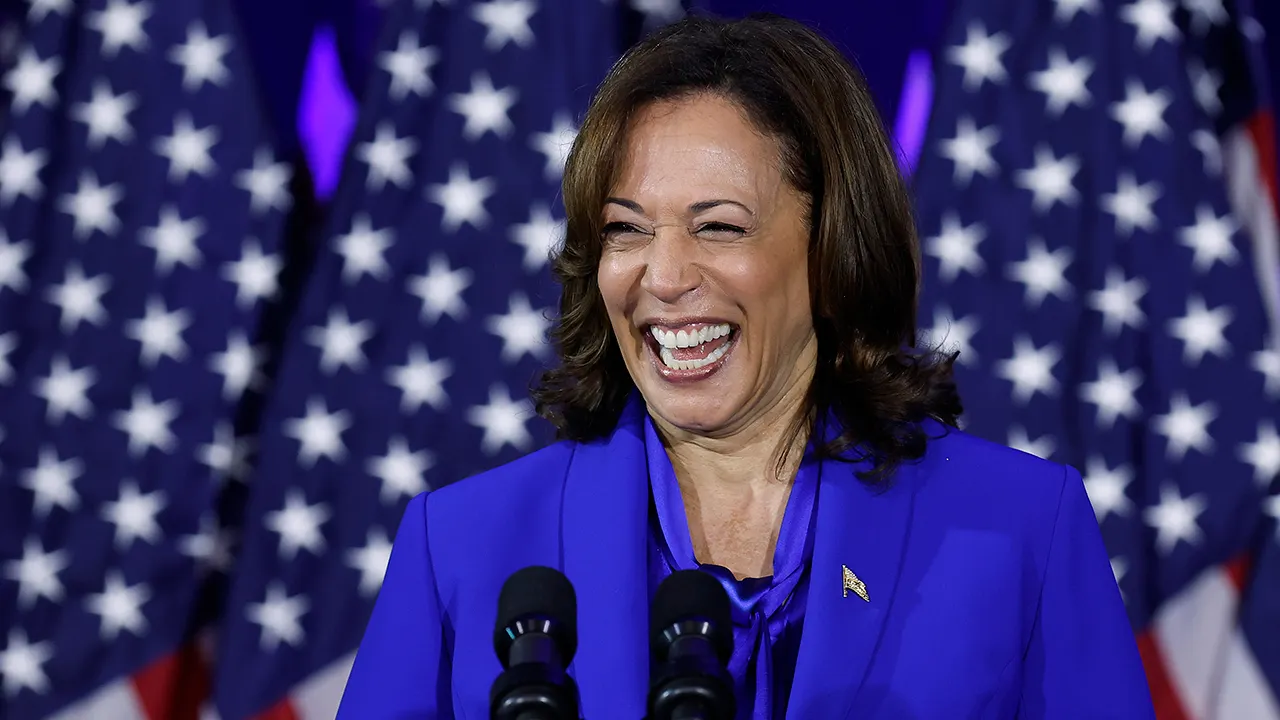
Twitter users criticize Vice President Kamala Harris for prioritizing the issue of airplane restroom inequity while the southern border crisis and rising prices remain unresolved. Many users questioned the feasibility and potential cost implications of remodeling American aircraft, while others expressed disbelief and sarcasm towards Harris' comments.
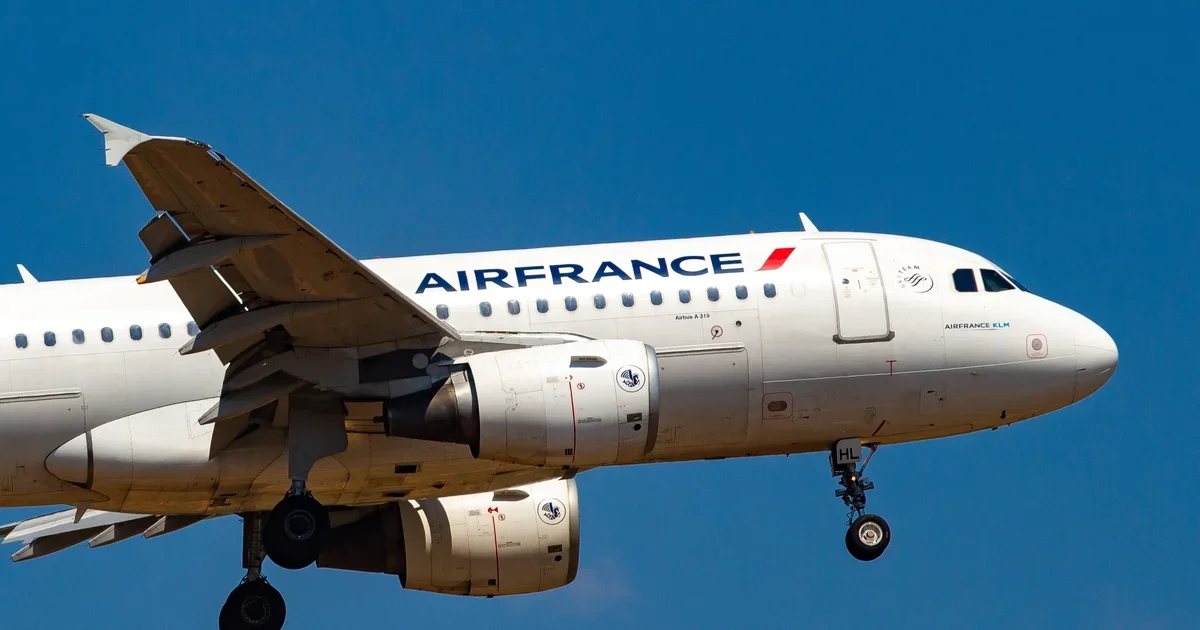
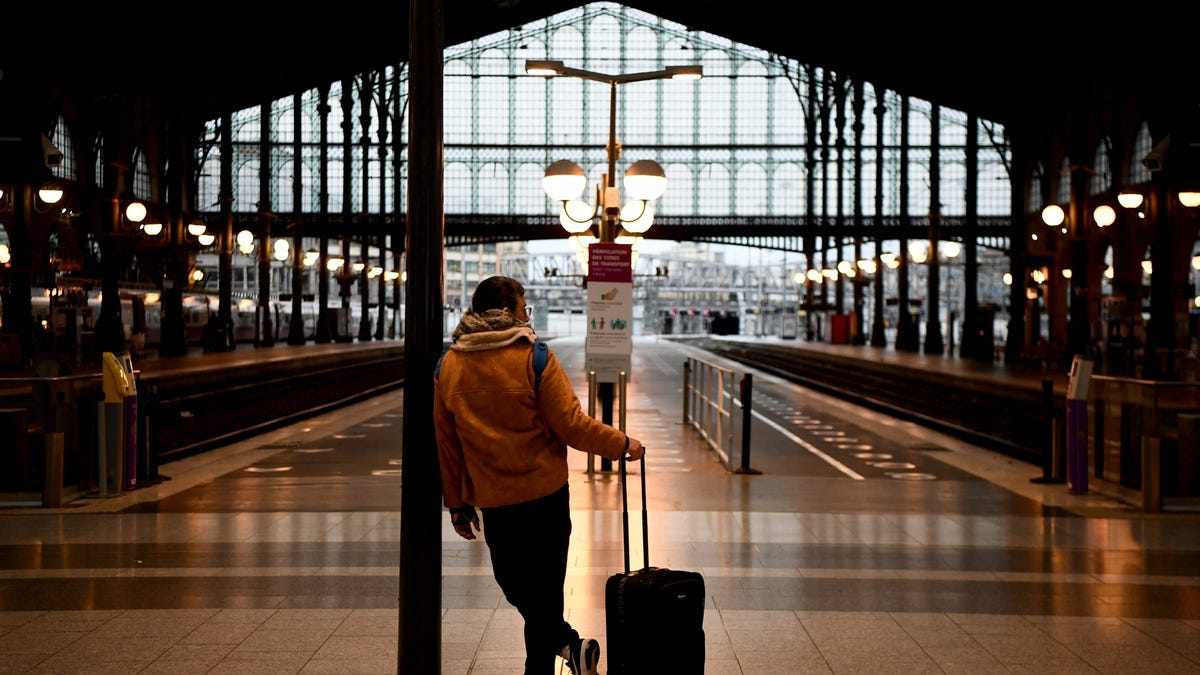
France has passed a law banning some domestic flights and encouraging travelers to take the train instead, with flights that can be replaced by a train journey of under two-and-a-half hours to be scrapped. Critics say the ban will have a negligible effect on carbon emissions, and there are a number of caveats that severely limit its scope. An exception in the ban allows flights with a transfer to continue to operate, and that has led to some convoluted routes that take much longer than a direct flight or a train — and mean even more harmful emissions in takeoff and landing.
France has banned short domestic flights when there is an alternative high-speed rail service available, as part of the country's commitment to decarbonize transport. The ban applies to flights where the train journey takes less than two and a half hours, and currently affects only three routes. The move has been criticized for its limited impact, as the banned routes represent only 3% of France's mainland domestic flight emissions. However, the ban is part of a larger effort to improve transport infrastructure and reduce emissions.