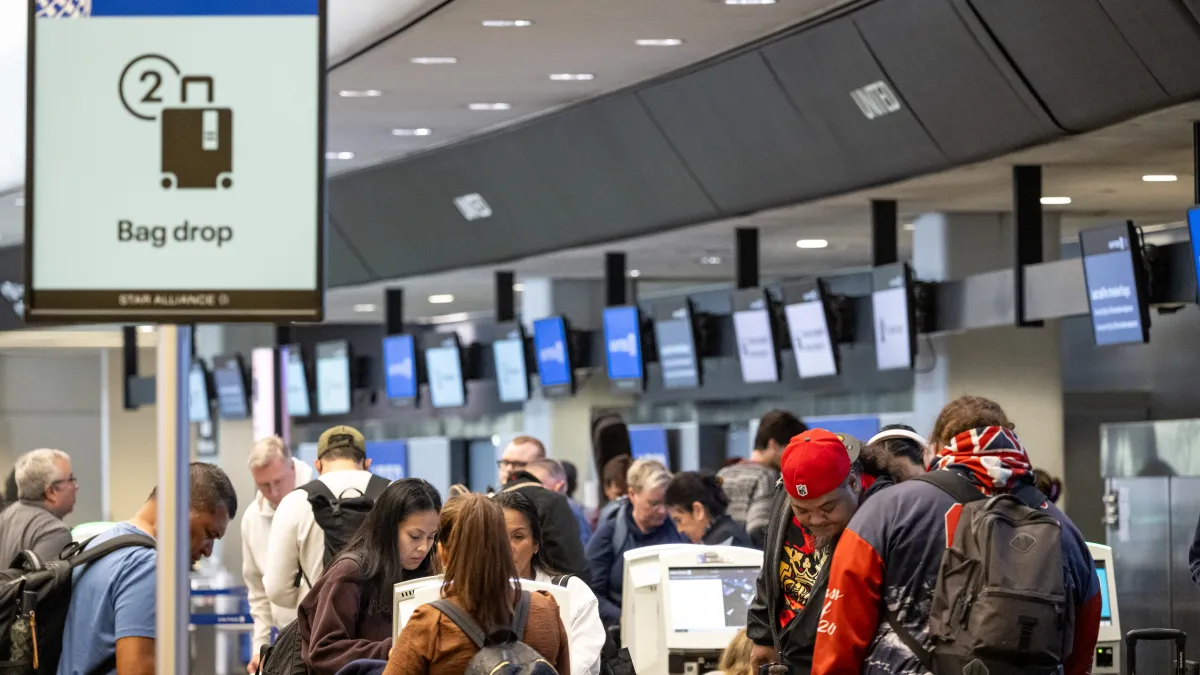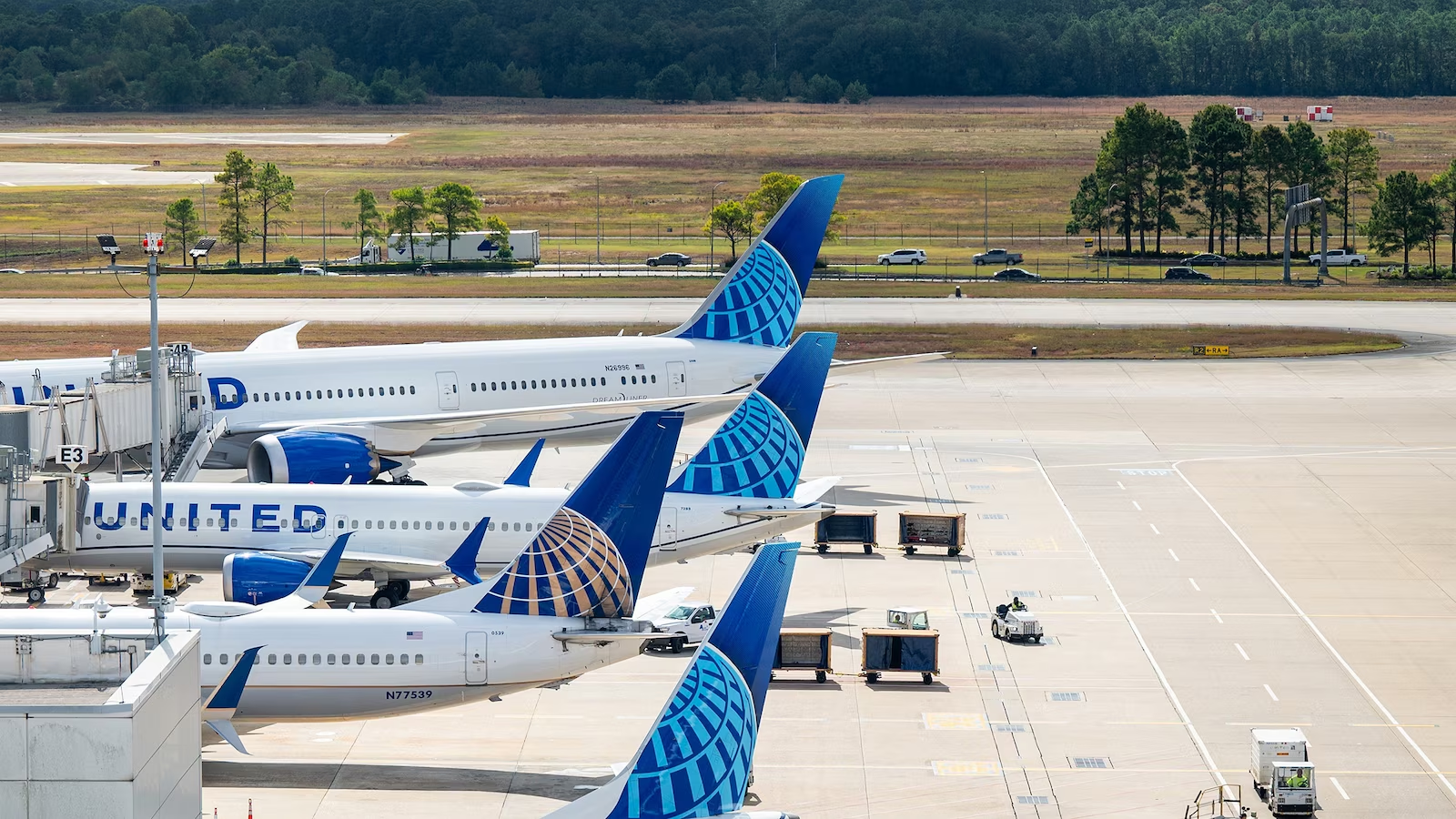
The FAA's 10% flight reduction due to the government shutdown will impact over 40 major U.S. airports, causing widespread cancellations and delays, especially affecting regional and less full flights. Airlines are offering waivers and refunds, but travelers should expect longer wait times, potential rebooking issues, and expensive last-minute tickets. International flights are less affected, and travelers are advised to check their credit card protections and airline policies for compensation options.
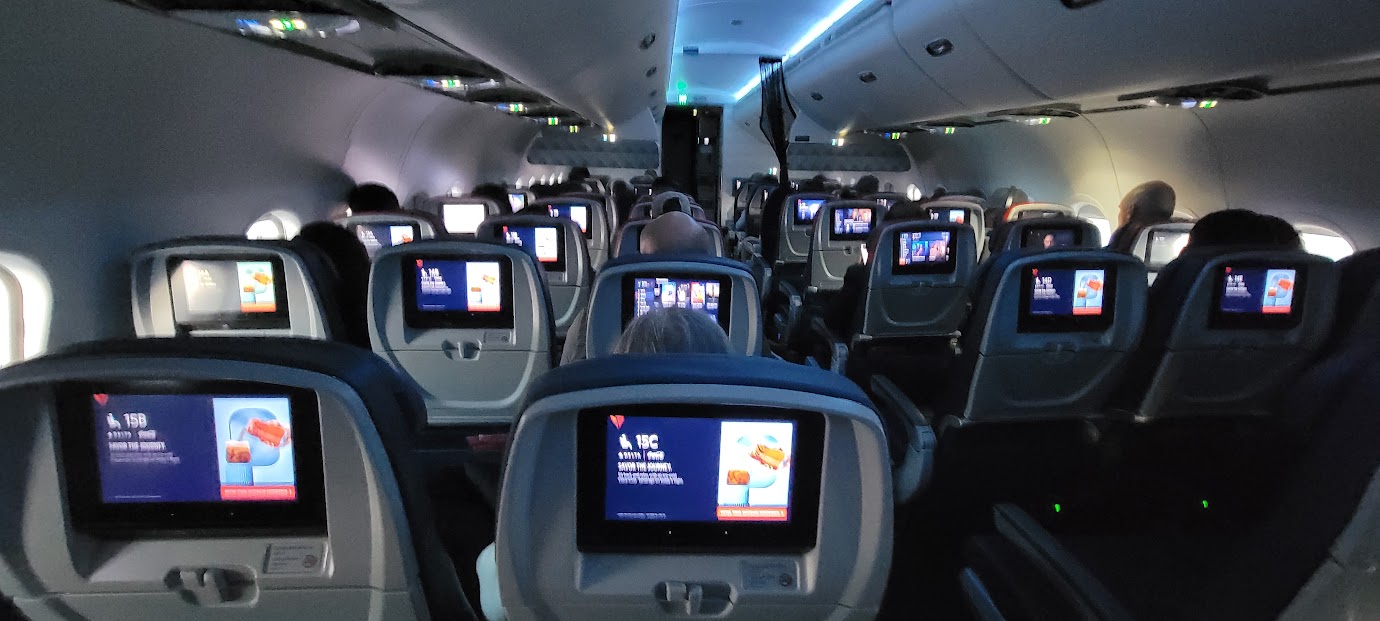
A passenger on a delayed Delta flight experienced a disruptive video call, highlighting the absurdity of the U.S. ban on in-flight voice calls, which is based on outdated regulations. Many airlines worldwide permit such calls without issues, and allowing them could improve passenger safety and convenience, especially during irregular operations, while policies could be implemented to manage disturbances.
Southwest Airlines is implementing a new policy requiring plus-sized passengers to purchase an extra seat in advance, starting January 27, as part of broader changes including assigned seating and the end of free checked bags, which has faced criticism for potentially worsening the flying experience and impacting customer loyalty.
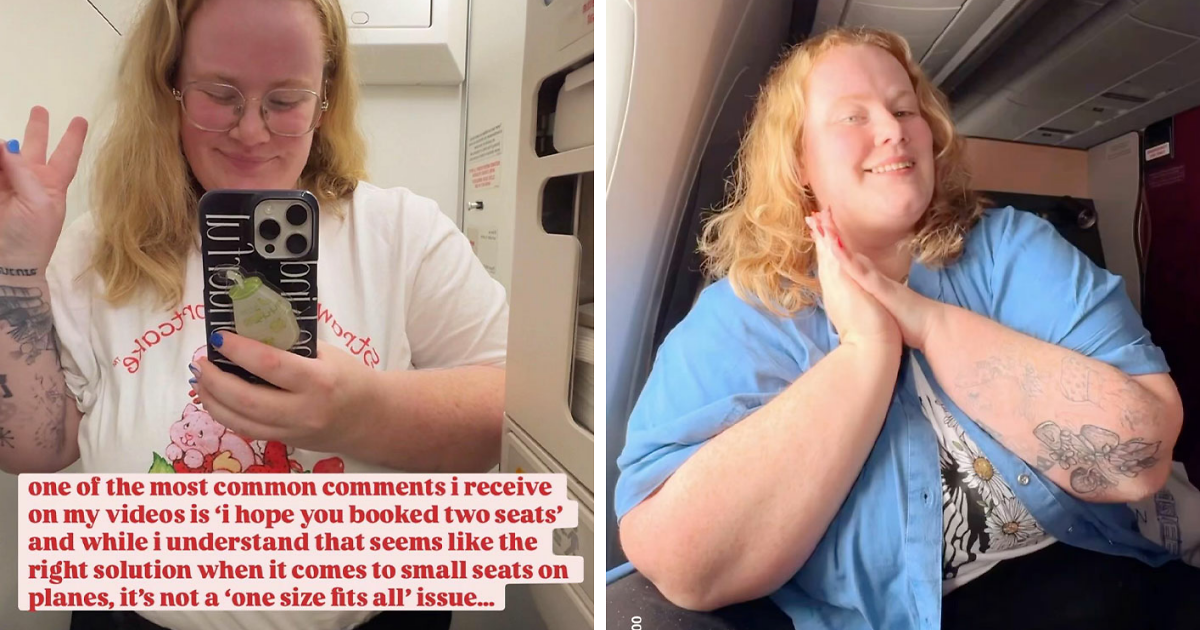
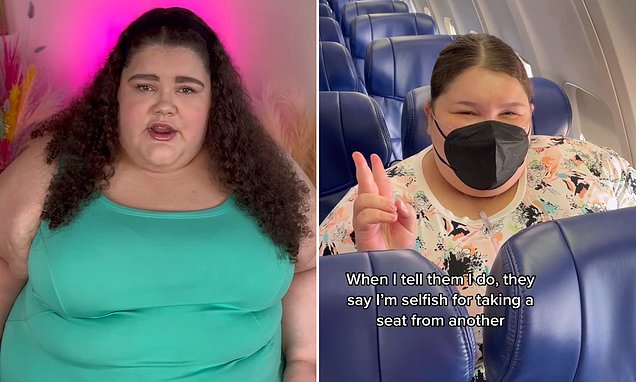
Kirsty Leanne, a plus-sized travel influencer, explains why she doesn't always book two airline seats, citing cost and practicality, which sparks debate about passenger space and airline policies. Critics argue it's about respecting others' space, while Leanne emphasizes her personal circumstances. The discussion highlights ongoing issues around airline seating and passenger rights.
Southwest Airlines will introduce assigned seating and a new eight-group boarding process starting January 2026, replacing its traditional single-file line. Boarding priority will be based on fare class, elite status, credit card ownership, and additional options like purchasing priority boarding. The change aligns Southwest with industry standards, with the key to early boarding being the purchase or upgrade to extra legroom seats, especially since the airline no longer offers a first-class cabin. The new system aims to streamline boarding while still rewarding higher-paying and elite customers.
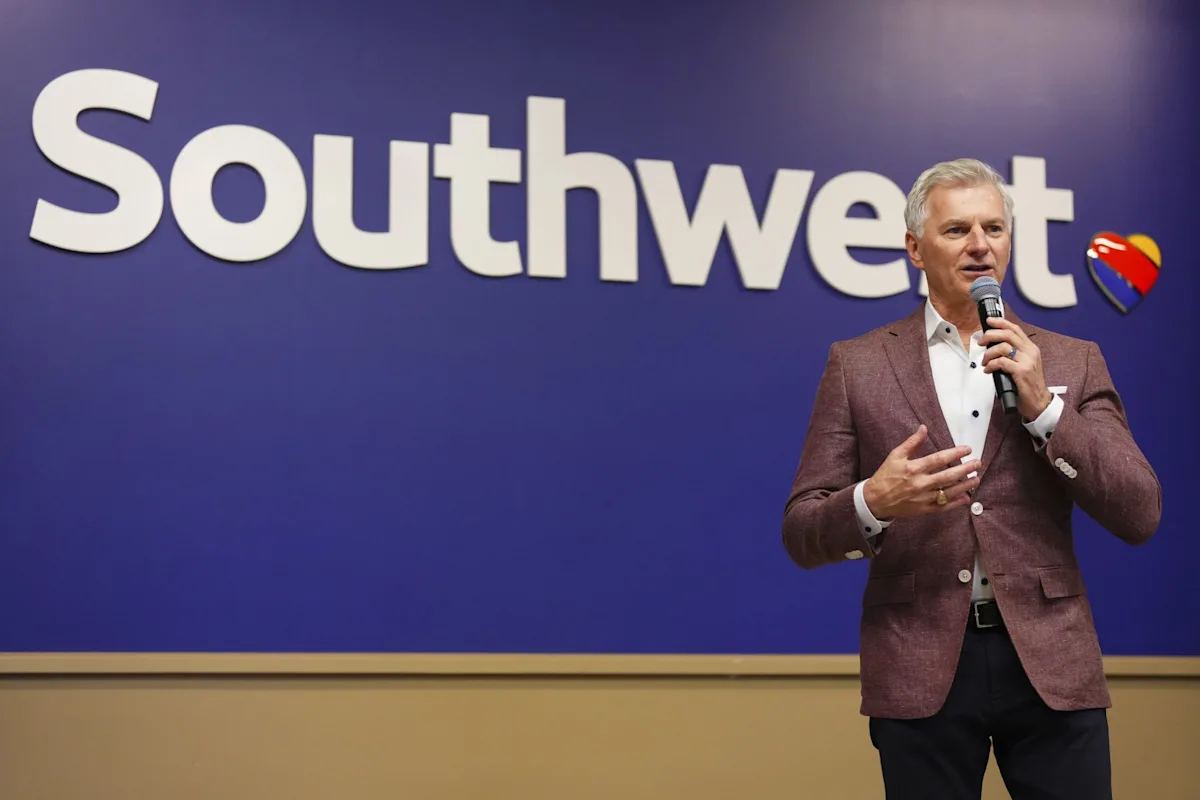
Southwest Airlines CEO Bob Jordan shares his personal flying habits, discusses recent policy changes like ending open seating and charging for premium seats, and reflects on advice from cofounder Herb Kelleher, emphasizing the importance of change for airline success.
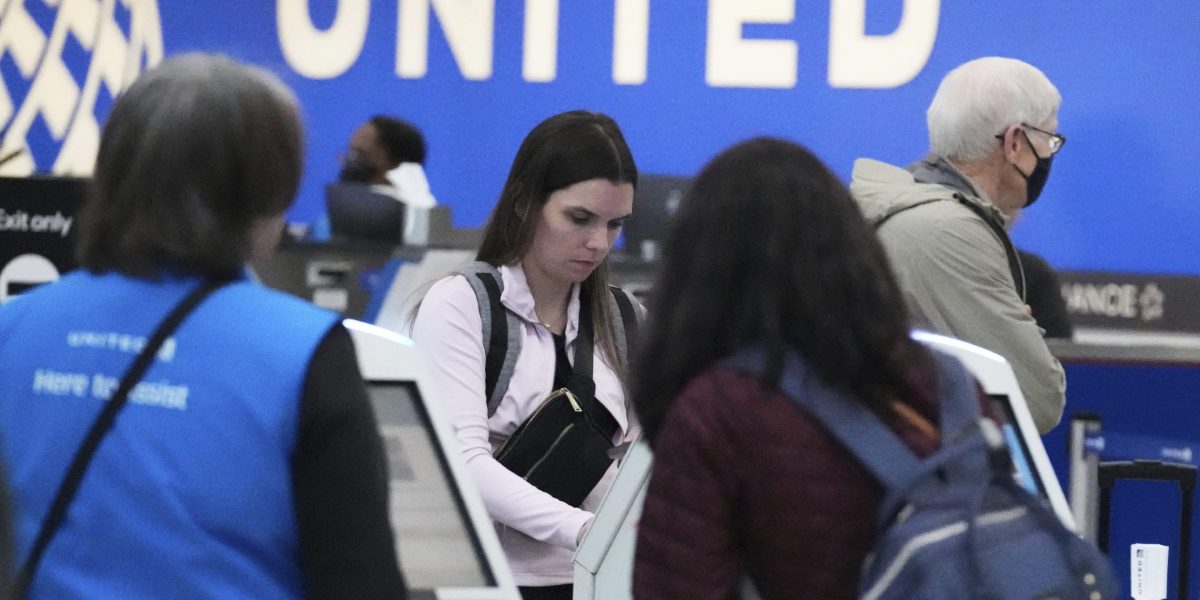
United Airlines is moving its domestic check-in cutoff time to 45 minutes before departure for travelers with only carry-on bags, aligning with the check-in time for those checking luggage, to improve consistency and efficiency across its operations starting June 3.
United Airlines is adjusting its check-in cutoff times for domestic flights from 30 to 45 minutes starting June 3, aligning with baggage policies and industry standards, to improve consistency and customer experience.
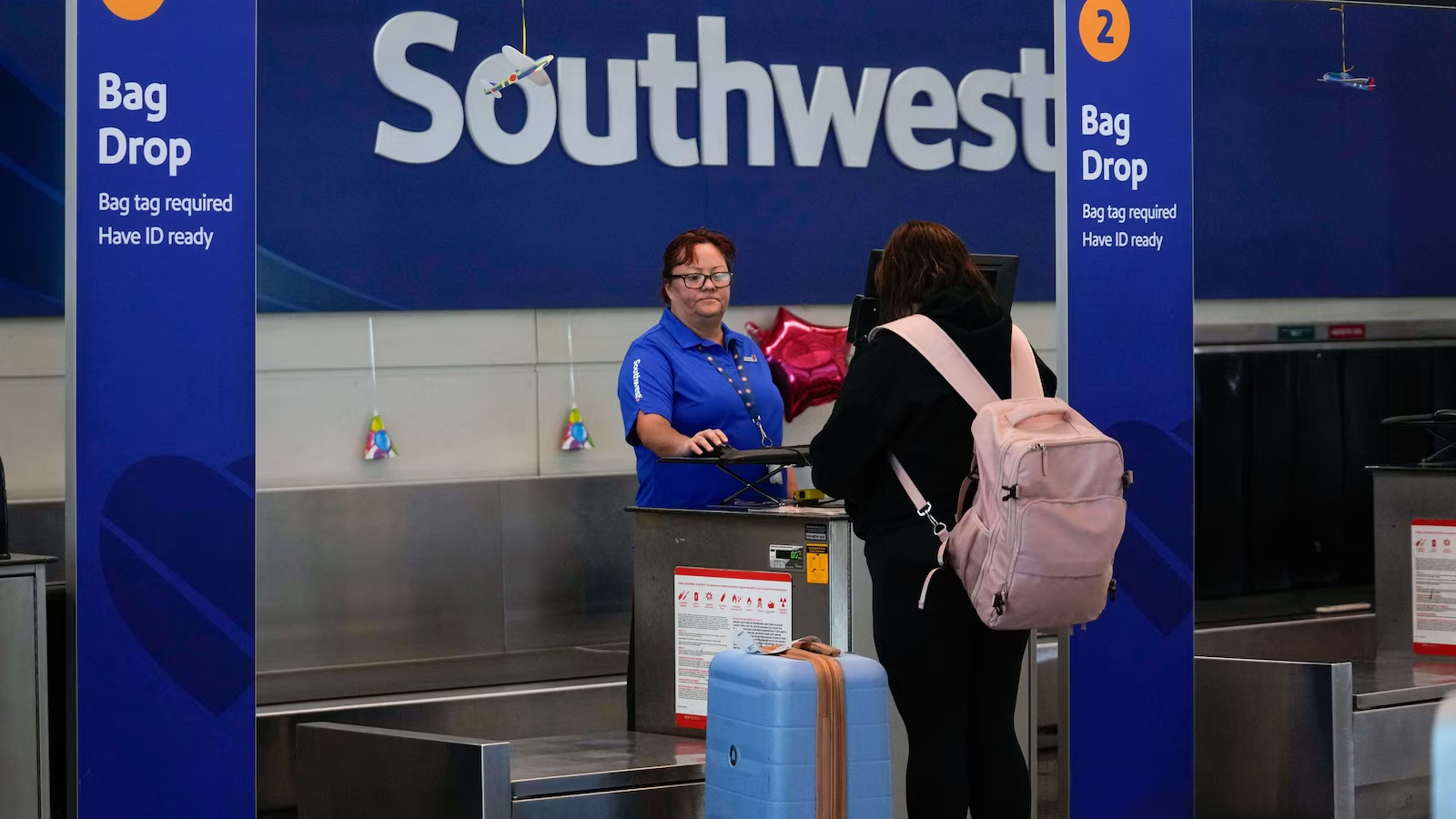
Southwest Airlines will start charging $35 for the first checked bag and $45 for the second starting May 28, aligning with industry standards, with free checked bags available only to certain loyalty program members and on specific fare classes, marking the end of their previous free baggage policy.
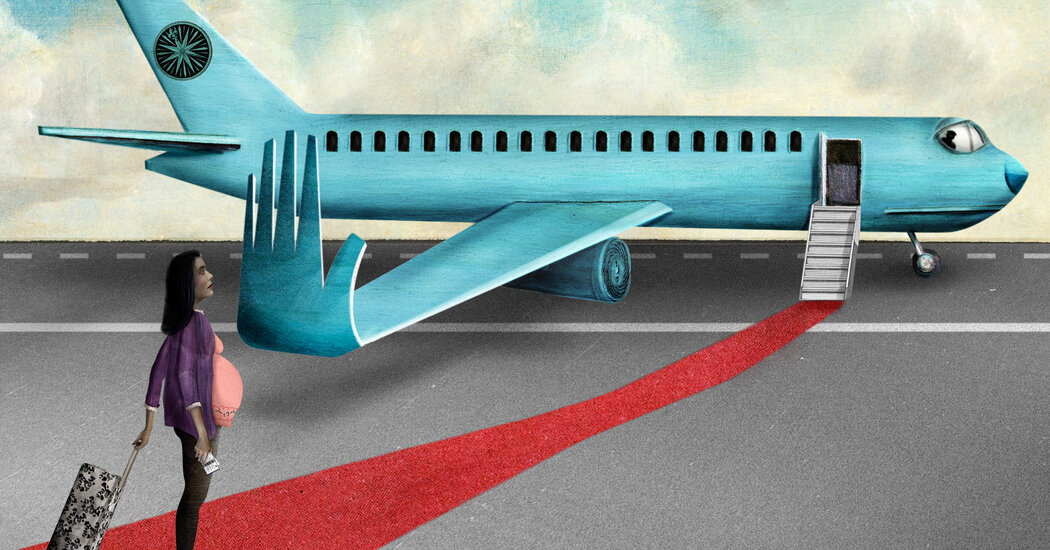
The article discusses the rights of pregnant women when it comes to airline travel, highlighting the policies that airlines may have regarding pregnant passengers and what legal protections are in place. It emphasizes the importance of understanding these rights to avoid being denied boarding and suggests reviewing airline policies and consulting with healthcare providers before traveling.
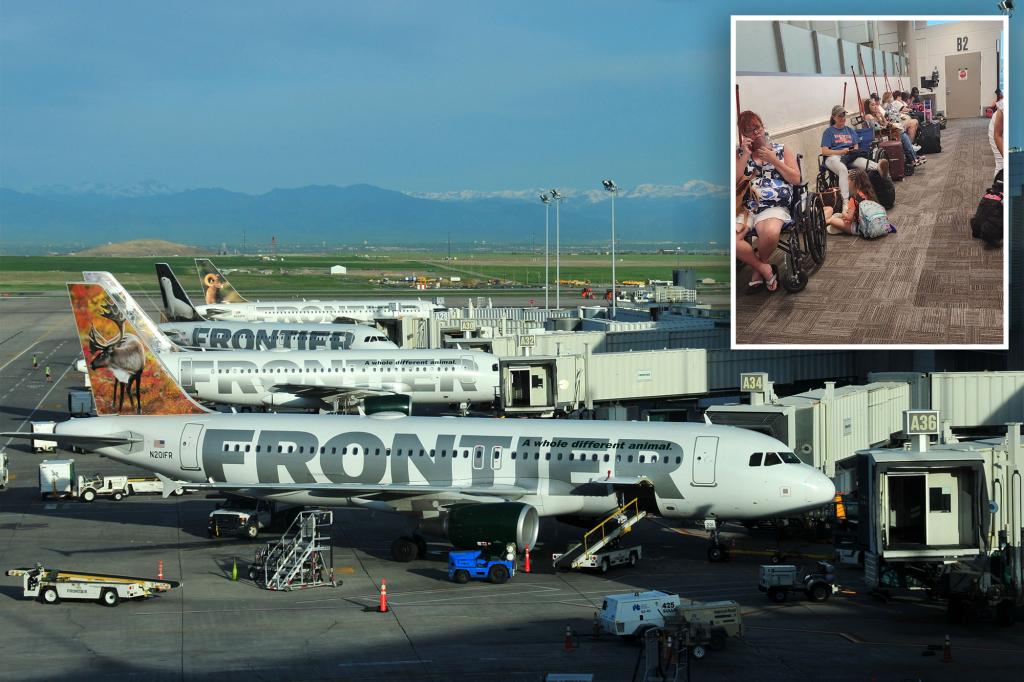
Frontier Airlines is facing widespread abuse of its wheelchair service, with many passengers using it to skip lines and secure priority boarding despite not needing assistance. CEO Barry Biffle highlighted the issue, noting that it costs the airline $30-$35 per request and can cause delays for other travelers. The Air Carrier Access Act mandates non-discriminatory service for disabled passengers, complicating enforcement. Similar issues have been reported by other airlines like Southwest, with social media and platforms like TikTok exacerbating the problem by promoting such "travel hacks."
Frontier Airlines CEO Barry Biffle calls for stricter measures to prevent the abuse of airport wheelchair services, citing significant misuse that leads to increased costs and delays for those genuinely in need. He suggests penalties similar to those for parking in handicapped spaces to deter fraudulent use.
Airline dress code policies have come under scrutiny after several incidents of passengers being singled out or denied boarding for their fashion choices, leading to public criticism and legal action. The ambiguity and subjectivity of airline policies, combined with shifting cultural norms and geographic variations, have resulted in discrepancies and potential discrimination. While some airlines have specific dress code guidelines, the interpretation of terms like "appropriately" and "offensive" remains subjective, leading to potential conflicts between passengers and airline staff. Ultimately, passengers who feel unfairly treated can file complaints, but there are no guarantees of compensation or refunds, and out-of-pocket expenses resulting from denied boarding due to attire are unlikely to be covered by travel insurance.
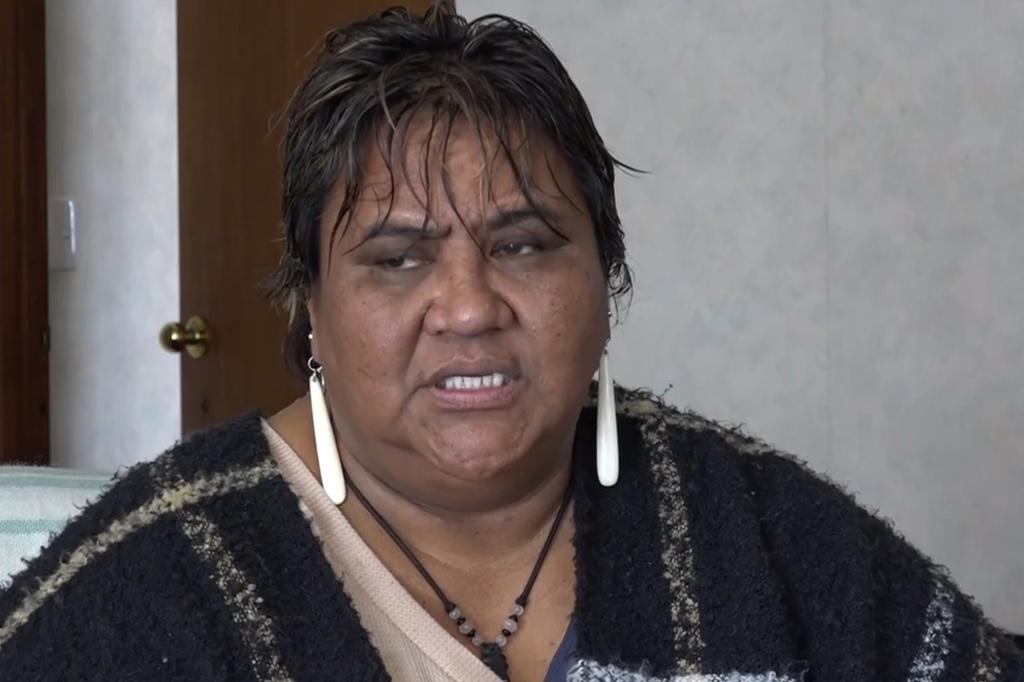
Angel Harding and a friend were allegedly removed from an Air New Zealand flight due to their size, with a flight attendant claiming it was "an inconvenience." Harding described feeling humiliated and in pain after the incident, which she believes was due to discrimination. The airline has since apologized and covered their expenses, but Harding plans to seek compensation for the trauma endured. This incident highlights the lack of specific laws regarding plus-sized passengers in New Zealand and the varying policies across airlines globally.
Plus-size travel influencer Jaelynn Chaney, who previously demanded airlines refund overweight passengers for extra seats, is now calling on hotels to make accommodations for larger guests. In a video, Chaney requested spacious elevators and hallways, raised toilet seats, handheld shower heads, handrails on pools, sturdy chairs, stronger beds, size-inclusive bathrobes, and plus-size friendly towels. While some supported her demands, others criticized the feasibility and cost of implementing these changes. Chaney aims to make the travel industry more inclusive and has previously highlighted discrimination and discomfort experienced by plus-size travelers. She also believes airlines should have uniform policies to protect the rights and dignity of all passengers, regardless of size.