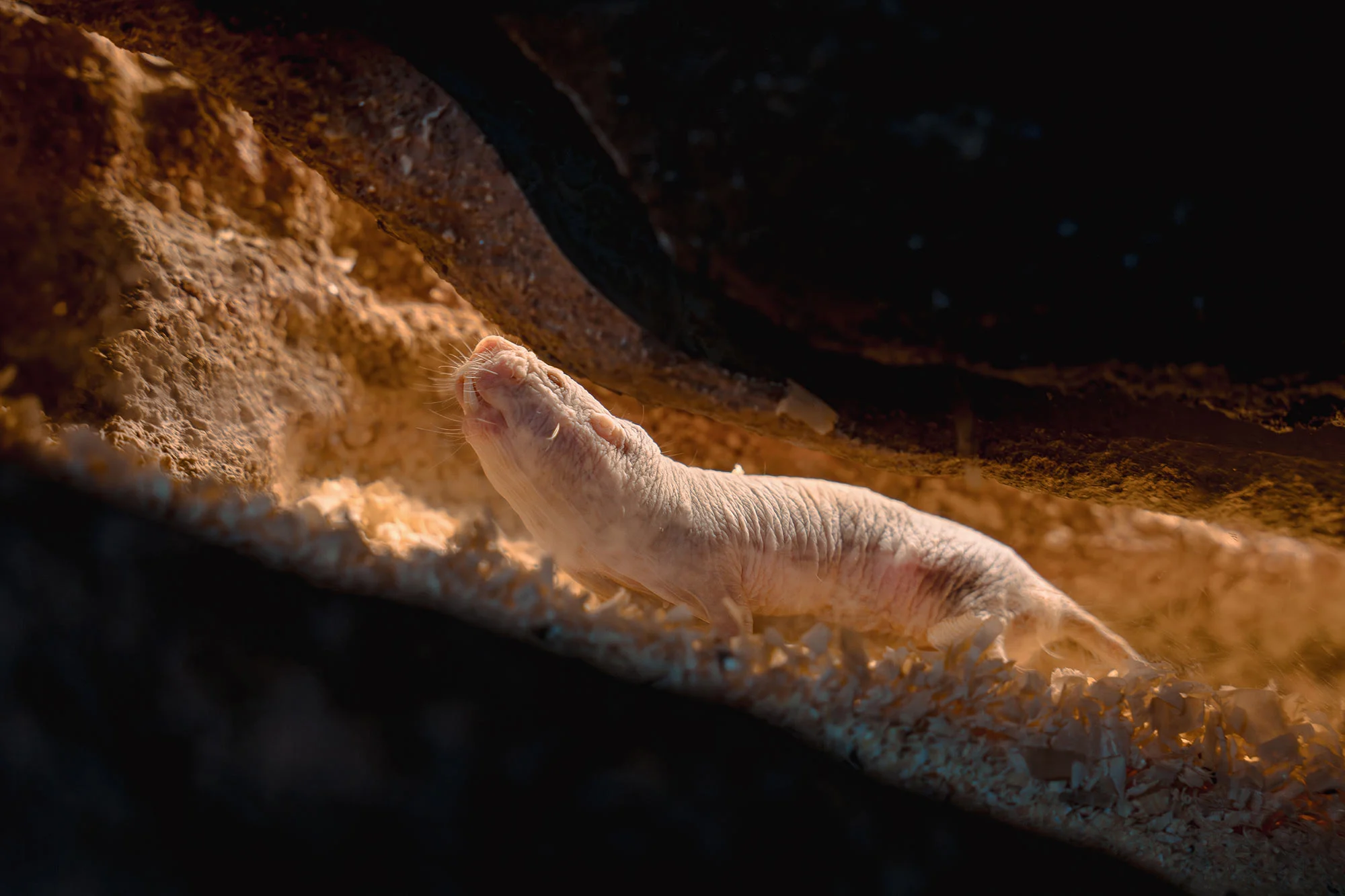
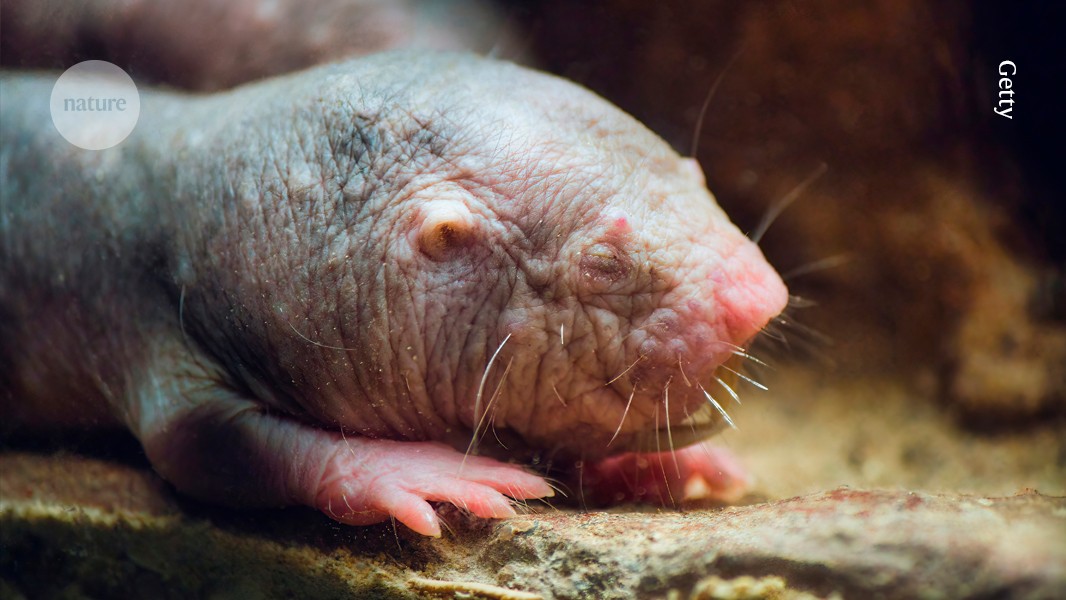
Scientists discovered that four amino acid changes in the cGAS enzyme of naked mole-rats enhance DNA repair, potentially explaining their extraordinary lifespan, which is nearly ten times longer than similar species. These molecular tweaks may improve genome stability and delay aging, offering insights into longevity mechanisms.
Researchers discovered that four specific genetic tweaks to the cGAS enzyme in naked mole rats enhance their DNA repair capabilities, potentially explaining their unusually long lifespan of nearly 30 years and offering insights into aging processes.
Inhibiting the cGAS enzyme, which is part of the innate immune system, can help neurons become more resilient to the build-up of tau fibrils, a hallmark of Alzheimer's disease and frontotemporal dementia. This finding may lead to the development of new therapies to deter or delay cognitive decline in these neurodegenerative disorders. The cGAS enzyme triggers the sustained release of the immune system protein type I interferon, which decreases the activity of a protein called MEF2C, a molecular switch that provides neurons with the blueprint to function normally and resist cognitive decline. By inhibiting the antiviral response, researchers were able to turn the switch on to instruct normal neuronal function, even in brains loaded with tau bundles.