The speech commemorates America's 250th anniversary by emphasizing the importance of revitalizing U.S. capital markets through regulatory reforms focused on transparency, scalability, and reducing regulatory burdens, aiming to foster innovation, economic growth, and individual agency, while reflecting on the nation's founding principles and history of financial innovation.
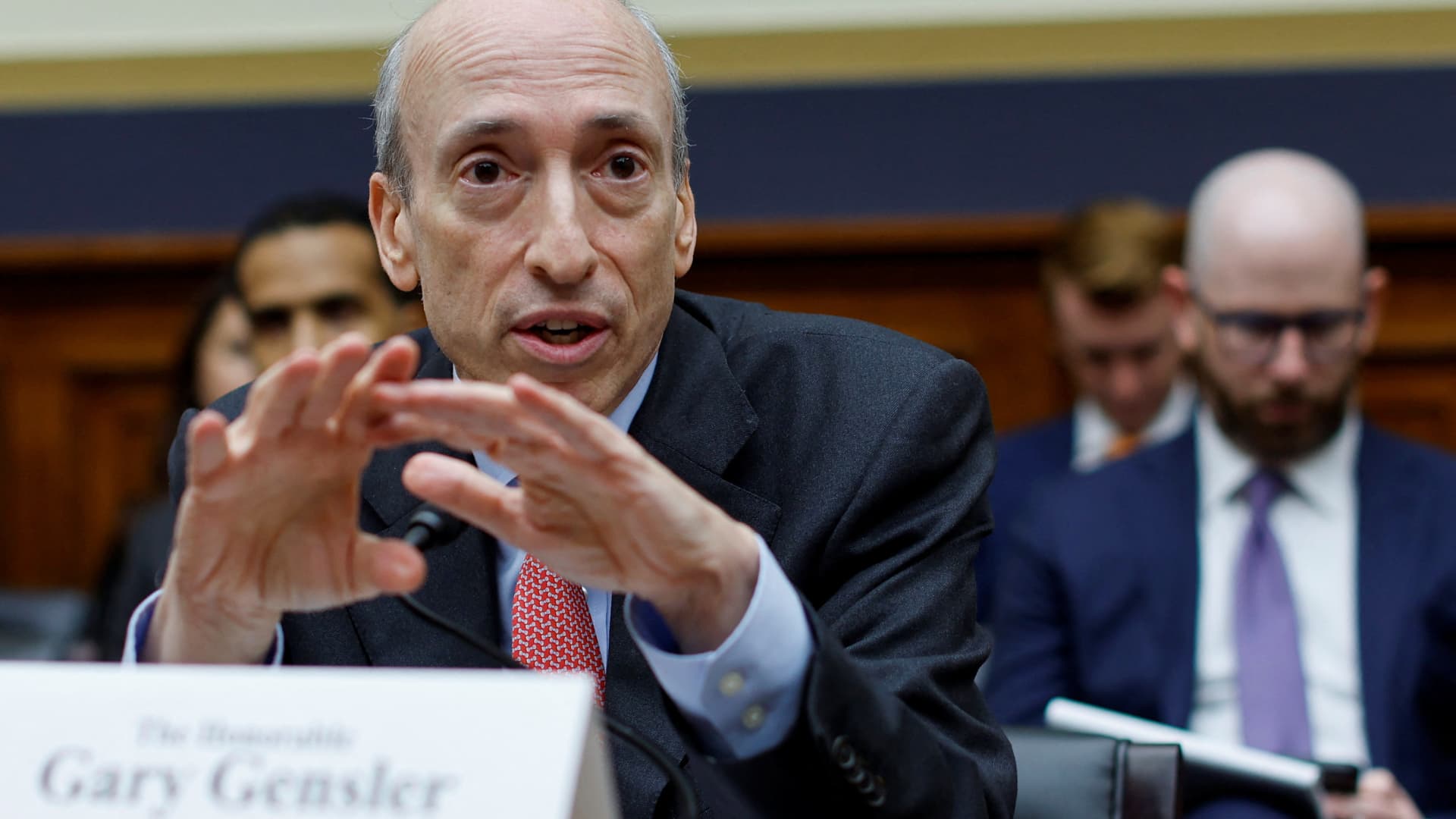
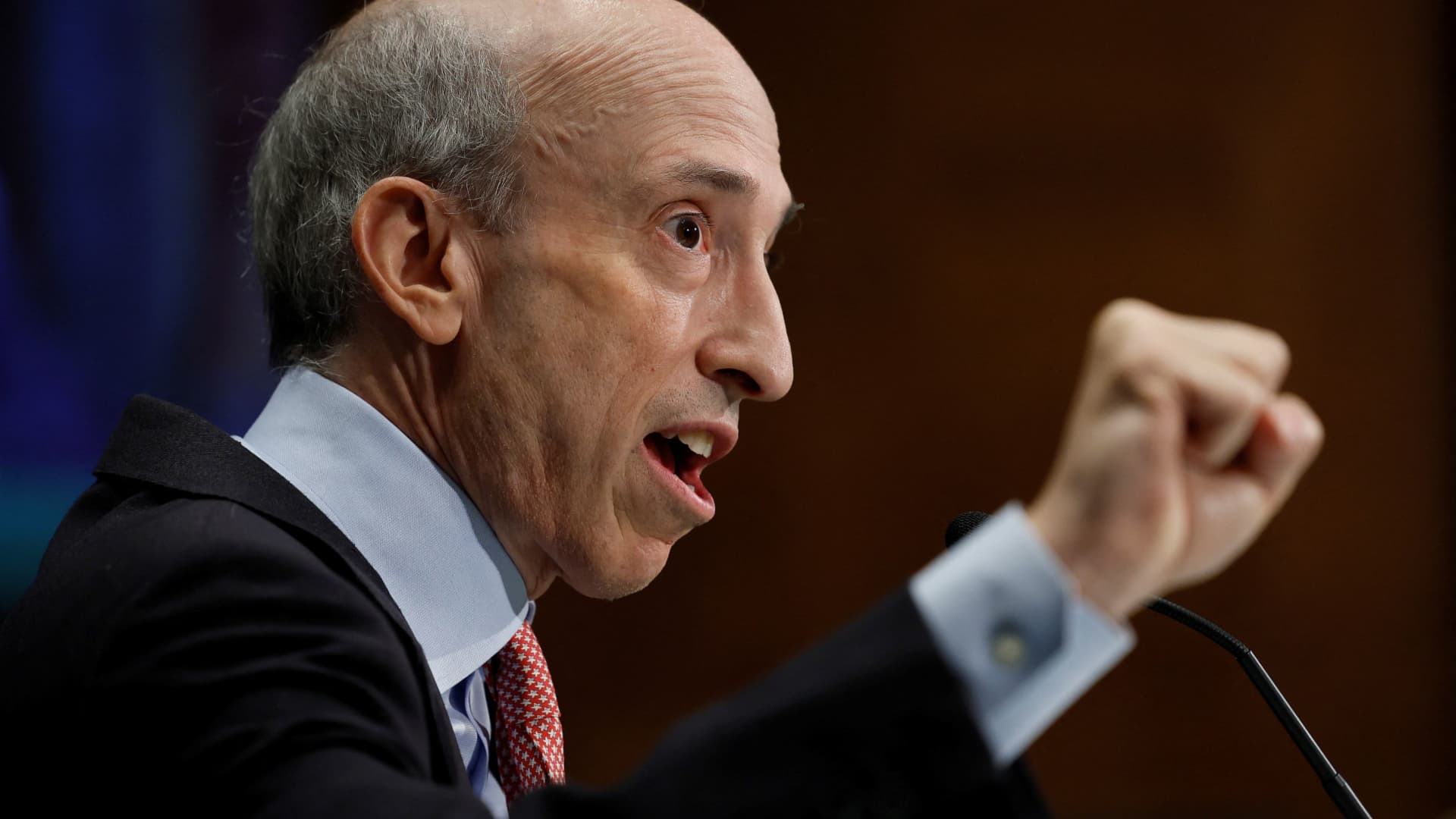
SEC Chair Gary Gensler, speaking at a securities regulation conference, reflected on his tenure, highlighting achievements in disclosure rules and market structure reforms. He defended his approach to crypto regulation, emphasizing the need for registration and oversight to prevent investor harm. While not announcing his resignation, Gensler expressed pride in his service and the SEC's role in protecting financial markets.
Starting from December 18, publicly-owned companies in the U.S. must comply with new SEC rules requiring them to disclose "material" cyber incidents within 96 hours. The regulation aims to increase visibility into cybersecurity governance and provide consistent disclosure for investors. Breached organizations must describe the incident's nature, scope, timing, and material impact, but are not required to disclose ongoing remediation efforts. Smaller companies have a 180-day extension, and larger organizations can delay disclosure if it poses a risk to national security or public safety. Non-compliance can result in financial penalties, legal liabilities, reputational damage, loss of investor confidence, and regulatory scrutiny. Some companies have expressed concerns about the short reporting window and the SEC's definition of "material incidents." Hackers have already abused the new rules by filing an SEC complaint against a victim for failing to report a breach.
A consortium of industry groups representing private equity and hedge funds has filed a lawsuit against the Securities and Exchange Commission (SEC) to block new rules that would require disclosure of quarterly performance, fees, and expenses. The rules would also ban preferential treatment agreements between funds and specific investors unless they are made available to all investors. The industry groups argue that the SEC has overstepped its authority and that the rules will harm investors, fund managers, and markets. SEC Chair Gary Gensler maintains that the rules are necessary to protect investors and highlights the growing importance of the private fund industry in the U.S. economy.
The SEC has adopted new rules that will require public companies to disclose more information about stock buybacks than ever before, including a daily log of share repurchase activity, a description of the rationale behind each buyback, and more details about company stock trading agreements with their directors and officers. The new rules will begin to apply when U.S. corporations report earnings for the fourth quarter of 2023. The changes reflect a bigger debate nationwide about share buybacks, which typically increase the value of a company's shares by reducing the total number of shares in the market.
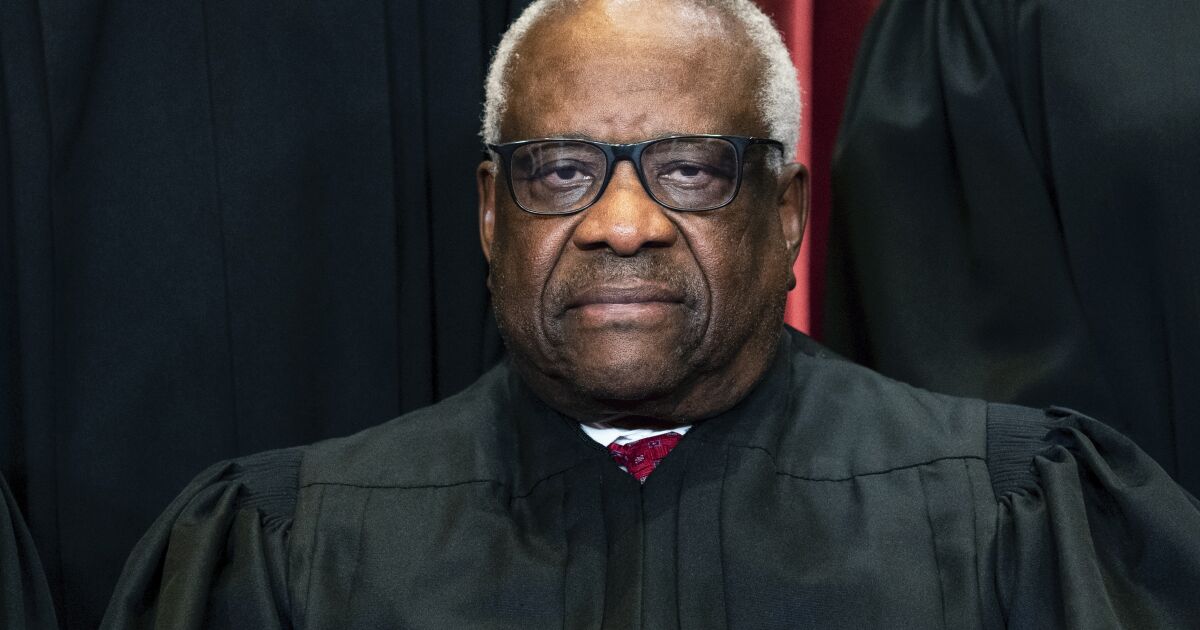
Justice Clarence Thomas will begin to disclose the value of free trips he accepts from Harlan Crow, a wealthy Texas real estate developer and prominent Republican donor. Thomas and his wife have enjoyed several lavish and undisclosed trips paid for by Crow, including a 2019 visit to Indonesia that would have cost the couple $500,000. Thomas' acceptance of such gifts and failure to disclose them has cast renewed scrutiny on whether judges, particularly on the Supreme Court, should face tougher regulations.