President Trump issued an executive order targeting defense contractors, restricting stock buybacks and corporate profits during underperformance, and proposing caps on executive pay, aiming to improve defense production and accountability, though experts highlight ambiguities and implementation challenges.
Microsoft, part of the 'Magnificent Seven' stocks, pays the highest dividends among S&P 500 companies due to its strong, diversified business model and consistent dividend growth, making it an attractive long-term growth and income stock despite its low current yield of 0.7%.
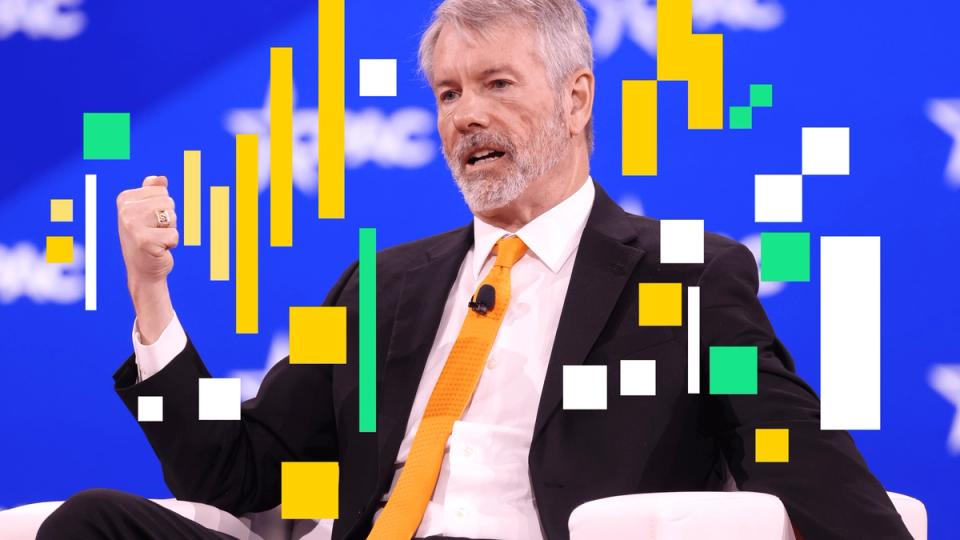
Strategy's executive chairman Michael Saylor hinted at a potential announcement involving bitcoin purchases or sales through a change in his usual Sunday X post, sparking speculation about the company's future plans amid its declining stock price and financial strategies.
Apple and Google are set to achieve record-breaking stock buybacks, reaching a combined valuation of a trillion dollars, highlighting their significant financial strength and market influence.
Berkshire Hathaway's Q2 earnings showed strong profit excluding currency effects, no stock buybacks indicating a cautious stance, high cash reserves of $344 billion, and continued net stock sales, with key divisions performing well despite some setbacks. The company’s valuation has contracted, and Buffett’s future leadership remains a focus.
Major US banks like JPMorgan Chase, Bank of America, and Wells Fargo have increased dividends and announced stock buybacks after passing the Federal Reserve's annual stress test, indicating strong financial health and capacity to reward shareholders.
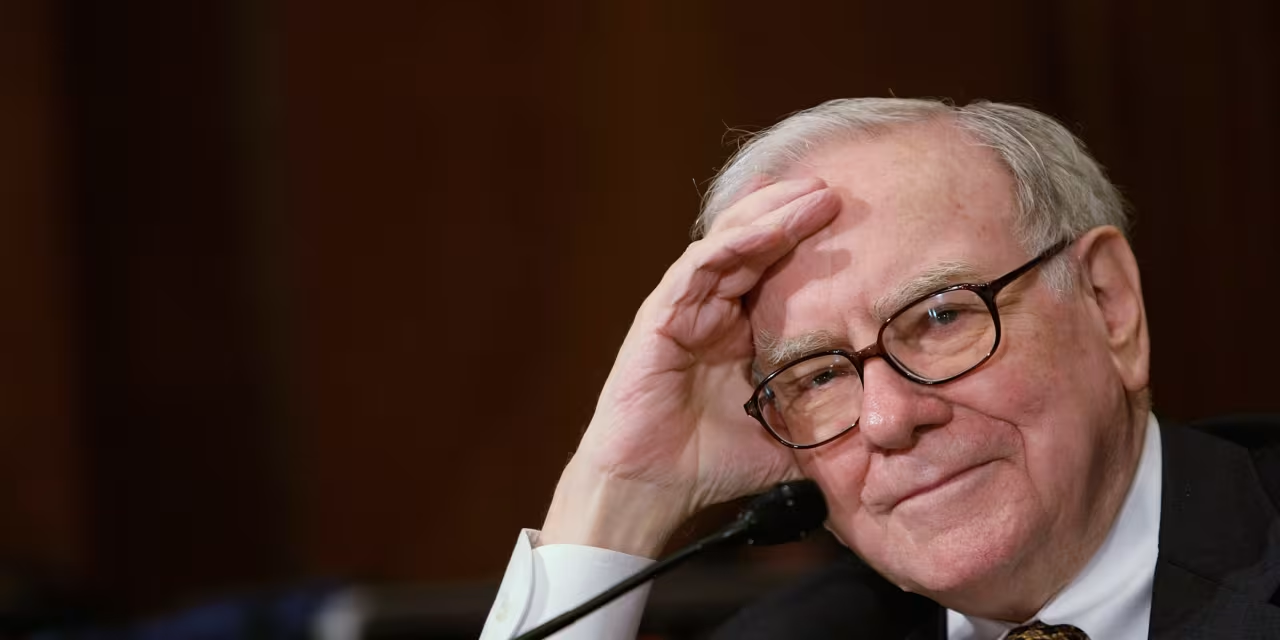
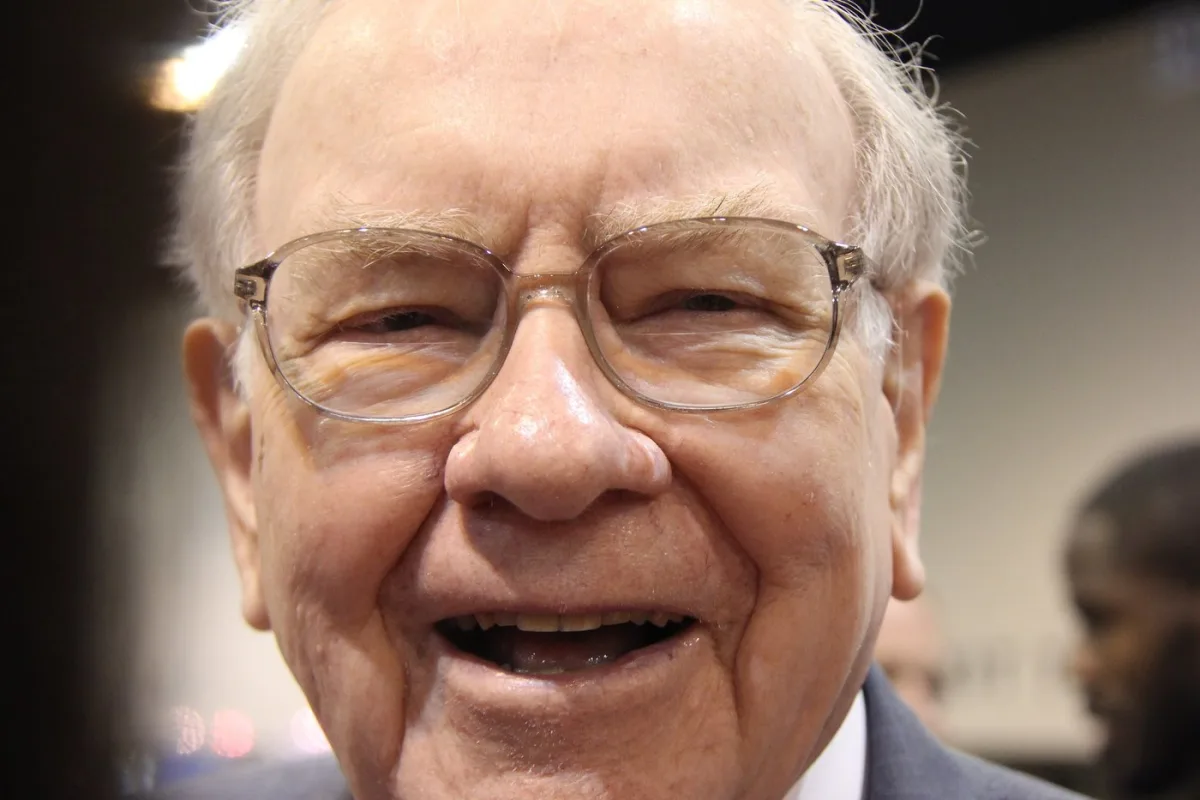
Warren Buffett, CEO of Berkshire Hathaway, has invested $91 billion in two key stocks since 2018, focusing heavily on repurchasing shares of his own company. This move, totaling nearly $78 billion, was facilitated by a change in buyback rules in 2018, allowing for more flexibility. Despite being a net seller of stocks recently, Buffett's significant buybacks indicate his confidence in Berkshire Hathaway's value.
Lululemon's stock surged over 10% in after-hours trading after the company raised its full-year profit outlook and increased its stock repurchase program by $1 billion. Despite concerns over slowing sales growth and competition from brands like Alo and Vuori, Lululemon's Q1 revenue and earnings per share slightly exceeded Wall Street estimates. Analysts remain cautious about the company's future performance, particularly in the U.S. market.
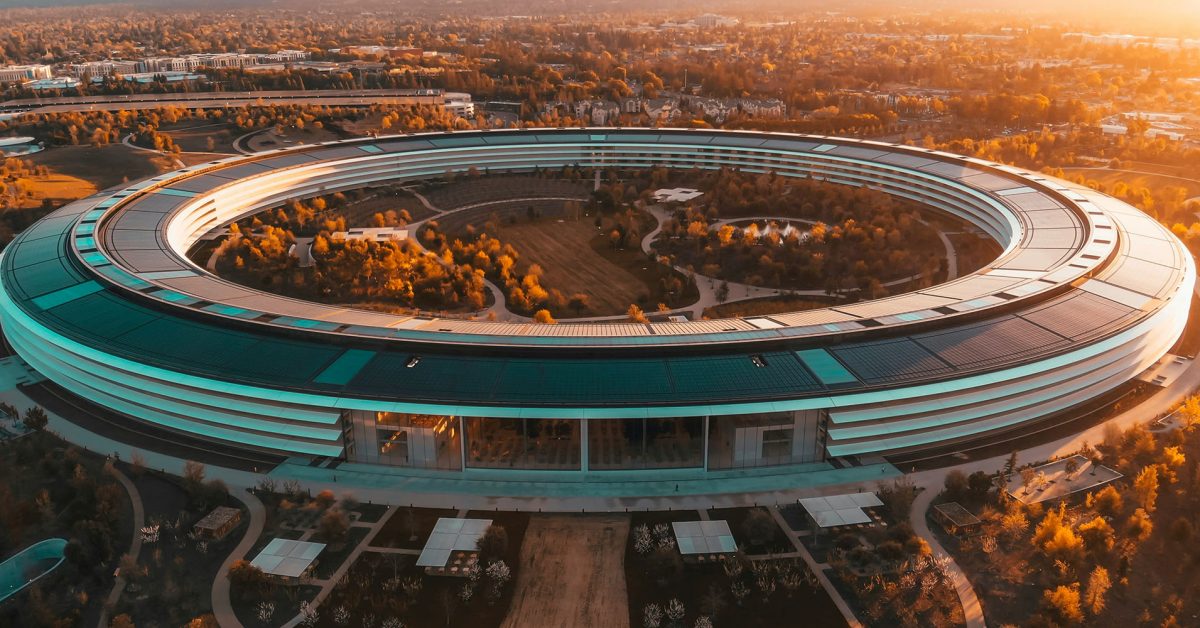
The DOJ's antitrust lawsuit against Apple compares the company's R&D spend to its stock buybacks, suggesting the latter as evidence of lack of competition. However, stock buybacks are a common practice and indicate confidence in the company's future. Apple's lower R&D spend is due to its focused product development strategy, unlike Google's broader approach. While Apple faces antitrust questions, its allocation of funds for stock buybacks versus R&D is not a valid point of contention.
GE Aerospace, the aviation division of General Electric, forecasts operating profits to reach $10 billion by 2028 and plans to initiate a share buyback program and issue dividends to investors. This positive outlook has led to a 4% increase in the company's stock value. The resumption of dividend payments signals a promising turnaround for GE, which has been restructuring its business units, with the Aerospace division set to be spun off on April 2.
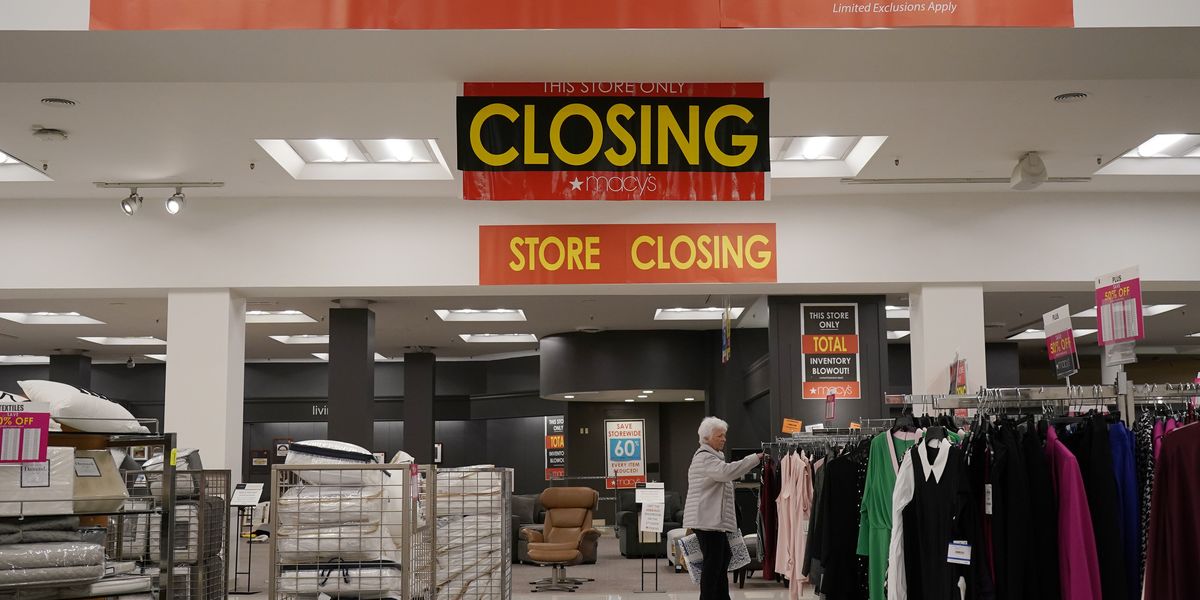
Macy's announced the closure of 150 stores and the layoff of over 2,300 workers, blaming economic pressures from online competition and discount stores. Labor expert Les Leopold criticized the company's prioritization of stock buybacks over investing in its workforce, arguing that this decision led to the layoffs. He called for action to address the issue of mass layoffs and job loss, noting the silence of both political parties on the matter.
Cigna and Humana have abandoned their $140 billion merger plan, which would have created a healthcare conglomerate to compete with UnitedHealth Group. The deal fell through due to disagreements over price and financial terms. Cigna is now focusing on smaller acquisitions and planning $10 billion of stock buybacks. Despite the failed merger, Cigna remains open to the idea of combining with Humana in the future.
US health insurer Cigna has abandoned its plans to acquire fellow insurer Humana, citing disagreements over price and financial terms. The deal, which could have created a $140 billion industry giant, has been scrapped, and Cigna will now focus on smaller acquisitions. Despite the current administration's tough stance on mergers, Cigna believed the deal could have been achieved from a regulatory perspective. Instead, Cigna plans to carry out $10 billion in stock buybacks.
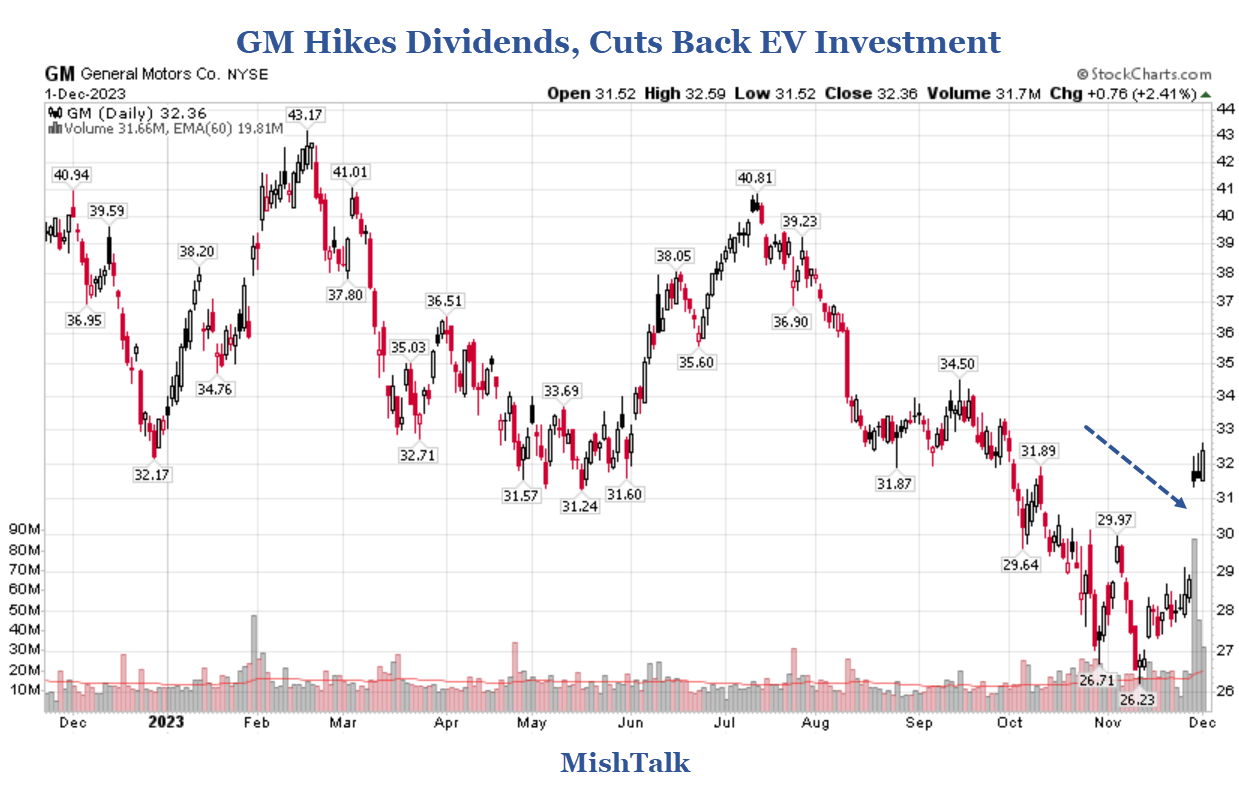
General Motors (GM) is planning a $10 billion stock buyback, its largest in recent memory, to boost its share price. The company will fund this buyback by reallocating capital previously earmarked for electric vehicle (EV) and autonomous vehicle development. GM recently delayed the opening of an electric truck factory and scaled back its EV production goals. Similarly, Ford has paused and scaled back a proposed EV facility in Michigan. The Biden administration's new rules on EV subsidies leave room for U.S. companies to work with Chinese partners, causing criticism from Senator Joe Manchin. The lack of clarity in defining a "foreign entity of concern" and the reliance on China in the EV industry are causing delays and uncertainty.
Auto workers are preparing for a major strike over inadequate pay and job security, while the Big Three automakers (General Motors, Ford, and Stellantis) have authorized $5 billion in stock buybacks in the past year, benefiting shareholders instead of workers. The automakers have reported $21 billion in profits in the first half of 2023 but claim poverty when it comes to wage increases. The United Auto Workers (UAW) has proposed automatic payments to workers when buybacks or dividends are authorized, but the companies have responded with concessionary proposals. The rise in stock buybacks has been linked to the decline of organized labor, and experts argue that labor unions should focus on influencing resource allocation and corporate governance to address this issue.