Coca-Cola plans to lay off 75 employees at its headquarters in 2026 as part of a broader restructuring initiative aimed at adapting to changing consumer preferences and investing in growth areas like AI, with further layoffs expected in phases.
Wendy's plans to close approximately 300 stores nationwide starting in late 2025, including some in Ohio, as part of a strategy to improve brand performance and address underperforming locations. The closures will begin in the fourth quarter of this year, but specific locations have not been announced.
Amazon has put New World into maintenance mode not because it was a failure, but because the company's goal was never sustainable success; instead, they aimed for a massive hit to establish dominance in gaming, which it failed to achieve, leading to the game's shutdown despite its potential and dedicated player base.
Target is cutting 1,800 jobs, including 1,000 layoffs and 800 unfilled positions, as part of a major restructuring effort to address declining sales and streamline operations amid economic challenges and internal complexity, with COO Michael Fiddelke set to become CEO in 2026.
Target plans to eliminate 1,800 jobs, mainly at its HQ, as part of a restructuring to streamline operations and improve decision-making, coinciding with a leadership change and efforts to address recent sales challenges.
Walmart has paused hiring H-1B visa holders in response to increased visa fees announced by the Trump administration, which aims to protect American jobs and curb visa abuse. The move reflects broader impacts of U.S. immigration policies on corporate hiring practices, especially for skilled foreign workers, though exceptions may be made in some cases.
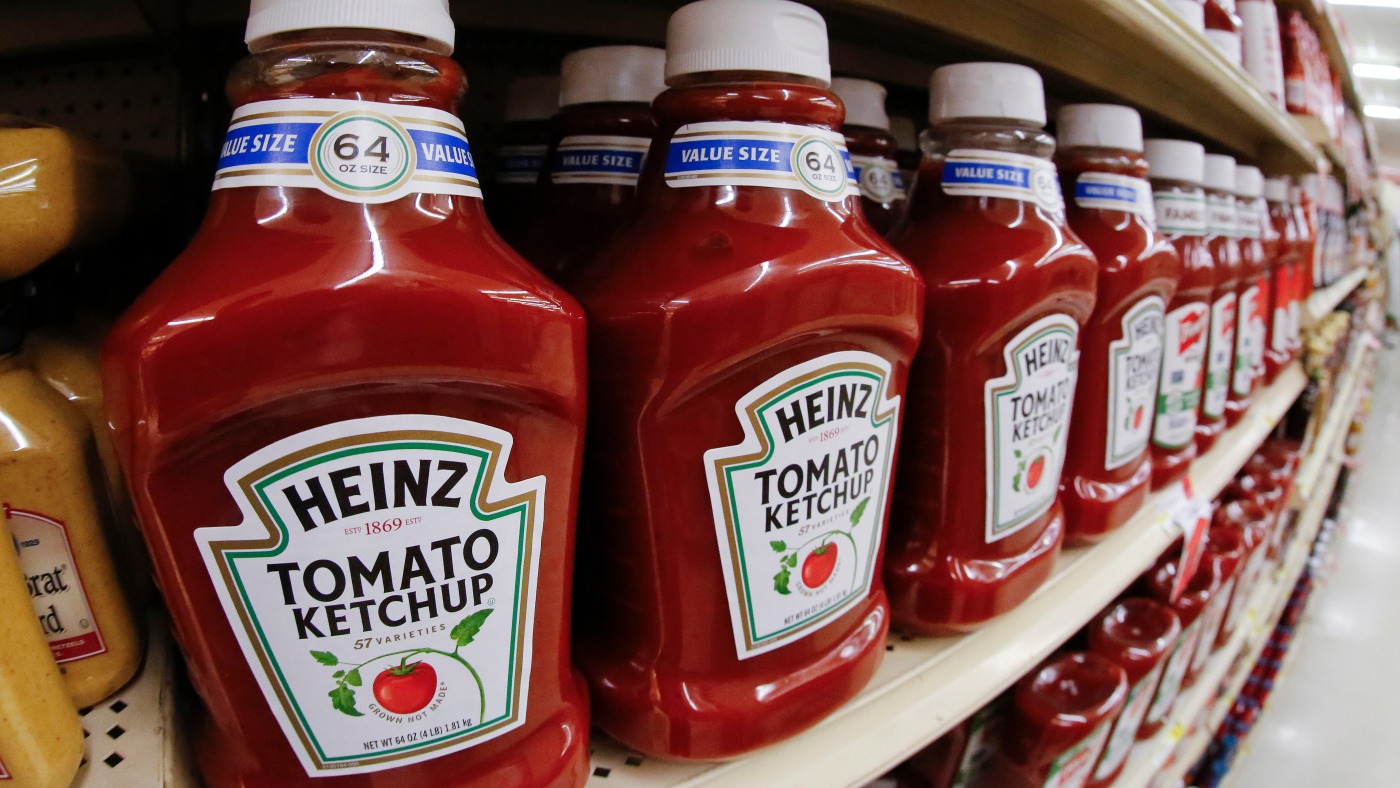
Kraft Heinz is splitting into two separate companies to better focus on different product categories, after a decade of challenges following its 2015 merger, which faced financial setbacks and strategic difficulties.
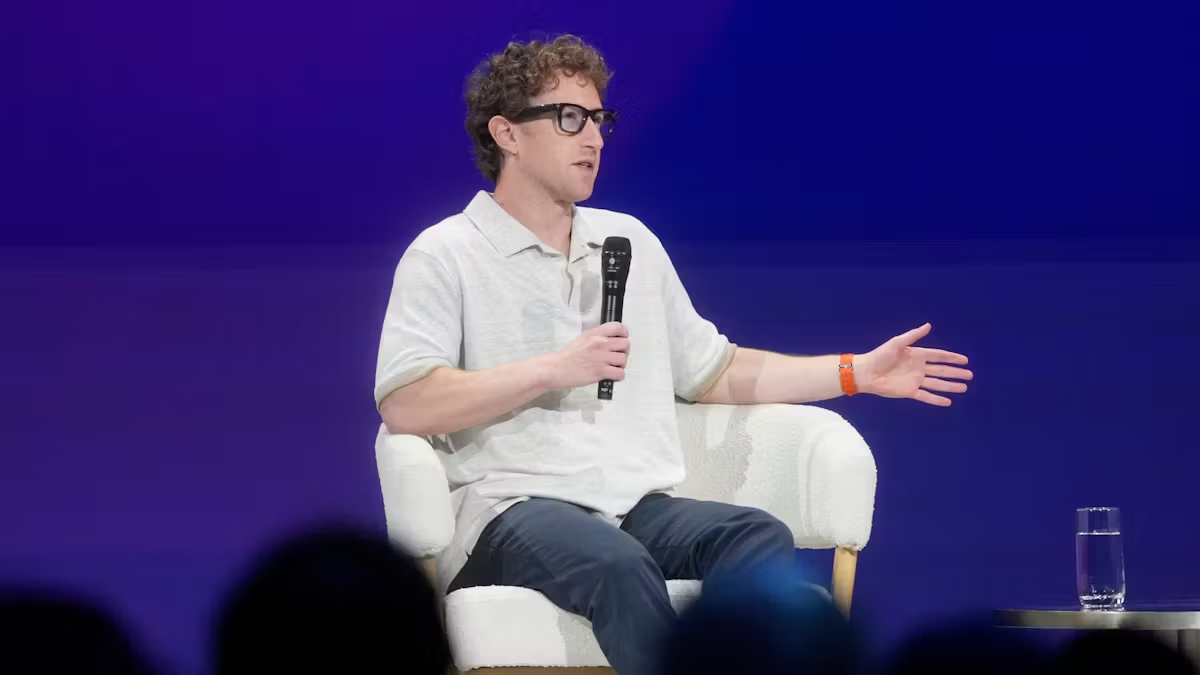
Meta is planning its fourth restructuring of AI efforts within six months, reflecting ongoing strategic adjustments in its artificial intelligence initiatives.
Many companies are investing heavily in AI, expecting high returns, but are often doing so without integrating AI into a broader data and process foundation, which may hinder ROI. Despite projections of AI spending reaching $632 billion by 2028, there is a growing debate on whether to pause or rethink AI investments for better strategic alignment.
Disney is phasing out Hulu's standalone app and integrating it into Disney+ to strengthen its streaming ecosystem, following a deal to buy out NBCUniversal's stake. This move reflects Disney's broader strategy to centralize its brands, compete more aggressively with Netflix, and ensure its properties dominate the streaming landscape, including plans to merge Hulu with live TV services and enhance ESPN's sports offerings. The industry is shifting towards more territorial, brand-centric streaming services, with major players consolidating their content and technology to secure their market positions.
Glencore has decided to keep its stock listing in London after a review, citing insufficient value in moving to the US despite potential benefits, amid its recent financial losses and strategic considerations. The company remains committed to the London market, with future review possibilities, and highlights the complexities of cross-border listings and their implications.
Intel plans to cut its workforce by approximately 33% by the end of 2025, reducing staff from around 109,000 to 75,000, as part of a broader effort to lower operating expenses and streamline operations, including halting expansion projects and consolidating manufacturing efforts.
Intel plans to cut its workforce by about 15% to around 75,000 by the end of 2025 as part of a broader restructuring effort to improve efficiency and organizational effectiveness, following similar moves by other tech giants like Microsoft and Google.
Kraft Heinz is considering a potential breakup as part of its strategic review, aiming to explore options to enhance shareholder value and streamline operations.
Microsoft is laying off 9,000 employees, mainly in its Xbox division, as part of a strategic shift towards AI and cloud services, despite the company's claims of strong performance and success in gaming. The layoffs are framed as necessary for future growth, but critics see them as a move to reallocate resources to AI investments, raising questions about the company's priorities and transparency.