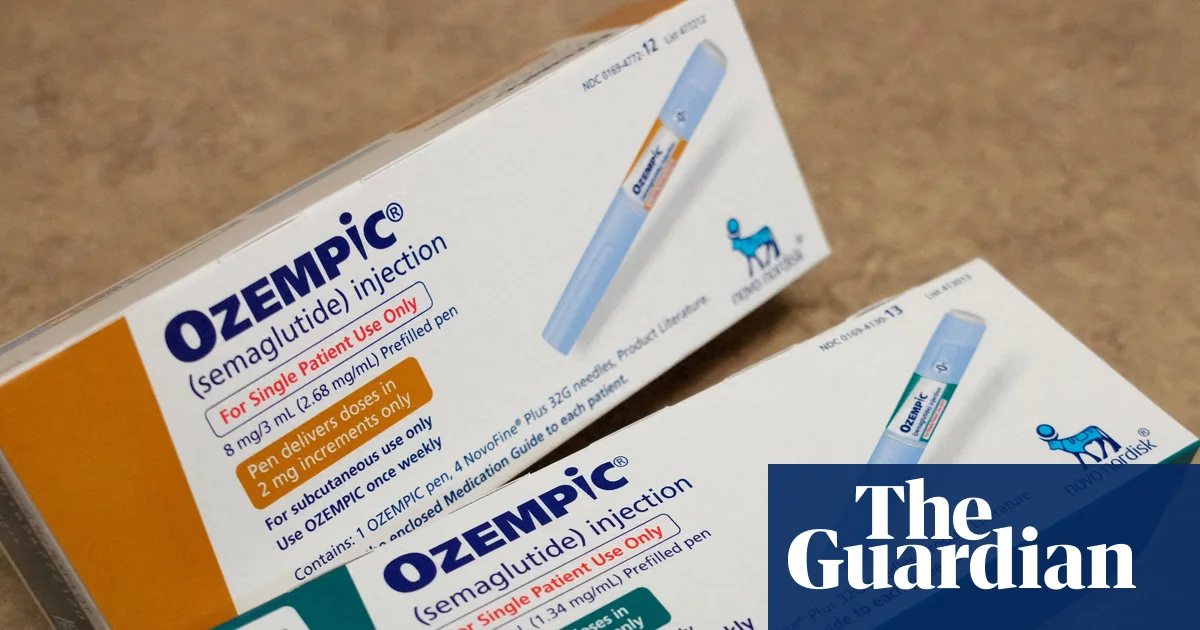
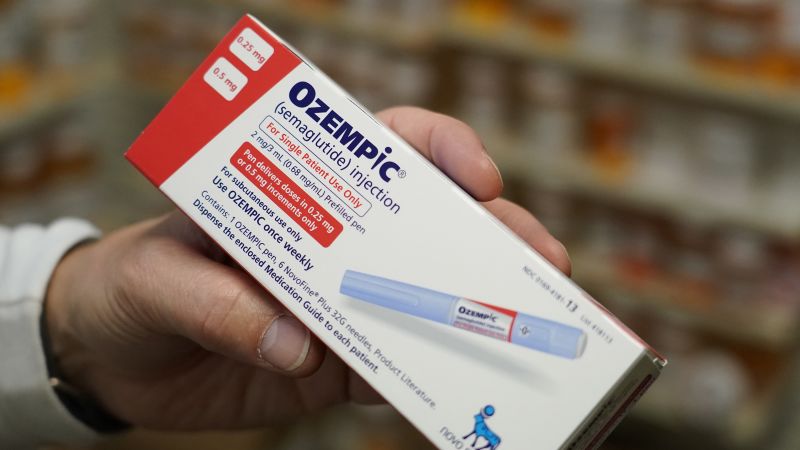
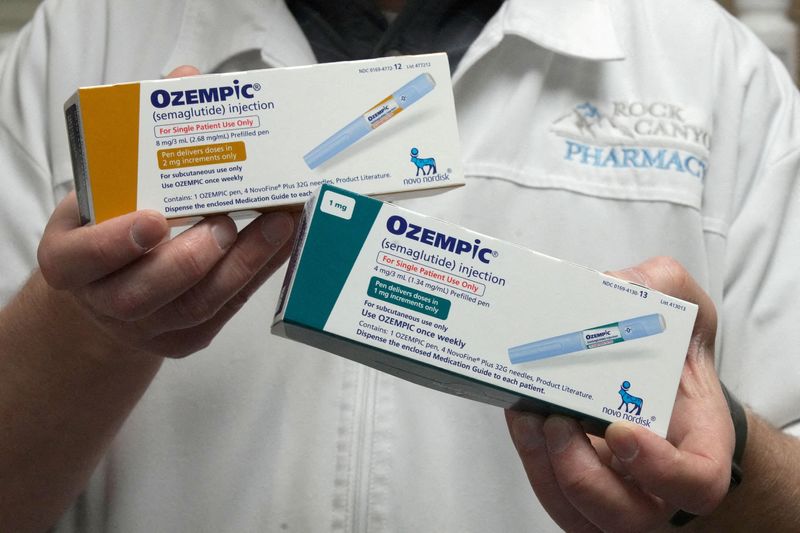
Sales of Novo Nordisk’s key diabetes and obesity drugs, including Ozempic, have sharply slowed due to increased competition and US tariffs, leading the company to cut costs and focus on commercial strategies amid a significant decline in market value and sales growth forecasts.
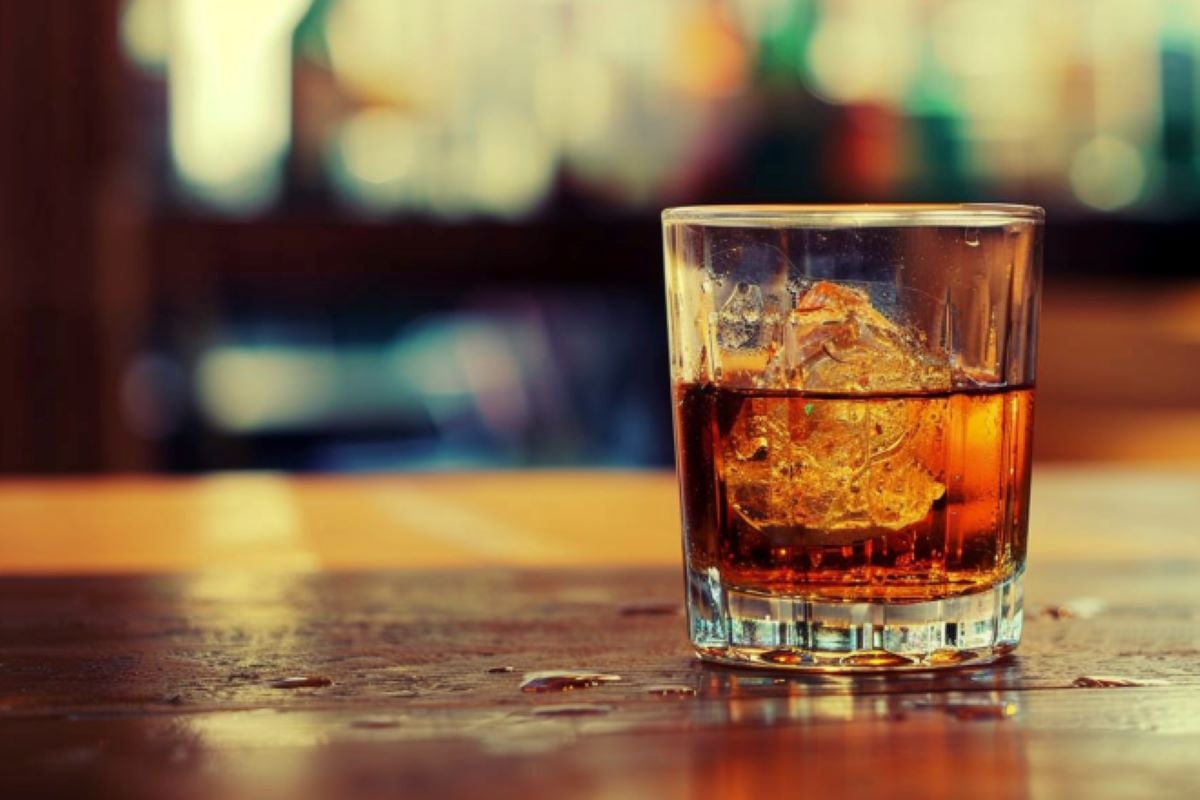
A study by Case Western Reserve University found that diabetes drugs Wegovy and Ozempic, which contain semaglutide, significantly reduce the risk and recurrence of alcohol-use disorder by 50%-56%. This discovery suggests a potential new treatment for AUD, though further clinical trials are needed to confirm these findings.
A large study involving over 145,000 patients prescribed GLP-1 medications like Ozempic and Wegovy found no substantial increase in the risk of developing thyroid cancer. The research, published in BMJ, compared the incidence of thyroid cancer among patients taking GLP-1 drugs and those taking other diabetes medications over an average of four years. While the study couldn't rule out a small increase in risk, it provided strong support that GLP-1 analogues are not significantly associated with an elevated risk of thyroid cancer, contradicting some previous findings.
Medicare spending on Ozempic and similar diabetes drugs has skyrocketed to $5.7 billion in 2022, up from $57 million in 2018, leading to concerns about potential costs for both the federal government and Medicare enrollees. The pricey medications, including Mounjaro and Rybelsus, have gained popularity for treating diabetes and weight loss, but Medicare is not allowed to cover drugs for weight loss. The KFF analysis found that the combination of high demand and prices for these treatments is likely to place significant pressure on Medicare spending, Part D plan costs, and premiums for Part D coverage. While coverage of these drugs could reduce other healthcare spending, their current prices would likely cost the federal government more than they would save, according to a Congressional Budget Office analysis.
Eli Lilly projects a 20% increase in sales this year, attributing the growth to the strong performance of its diabetes and obesity drugs. The pharmaceutical company anticipates significant revenue from these medications, reflecting the ongoing demand for treatments in these therapeutic areas.
Novo Nordisk reports its highest annual profit in decades, driven by strong sales of diabetes and obesity drugs like Ozempic and Wegovy. The company is increasing supplies of Wegovy in the US to address shortages, with plans to gradually ramp up supply through 2024. Demand for their GLP-1 drugs has been high, leading to an FDA shortage designation and the emergence of specialized pharmacies making copies of the drug. Novo's annual profit in 2023 reached 83.7 billion Danish kroner, marking its largest annual net profit since 1989, with Ozempic accounting for 41% of total sales and Wegovy bringing in about $4.5 billion in sales.
Boy George admits to using the diabetes drug Mounjaro to maintain weight loss after a tummy tuck surgery, revealing struggles with weight and appetite control in his new autobiography "Karma." He also underwent a tummy tuck and hair transplants, calling the plastic surgery the "most painful thing" he's ever done. George's candid admissions come amid a growing trend of celebrities turning to diabetes drugs for weight loss, with Oprah Winfrey also confessing to using medication for weight loss and speaking out against shaming.
Despite a significant increase in its share price driven by strong sales of its diabetes drug Mounjaro and potential regulatory approval for Alzheimer's treatment donanemab, Eli Lilly is facing challenges in the long term. The hype around weight-loss drugs is declining, and competitors' drugs are showing higher weight-loss rates. This could negatively impact sales of Eli Lilly's diabetes medicines. The company's high valuation compared to competitors and its lowered earnings guidance for 2023 also raise concerns. As a result, the article recommends an "underperform" rating for Eli Lilly.
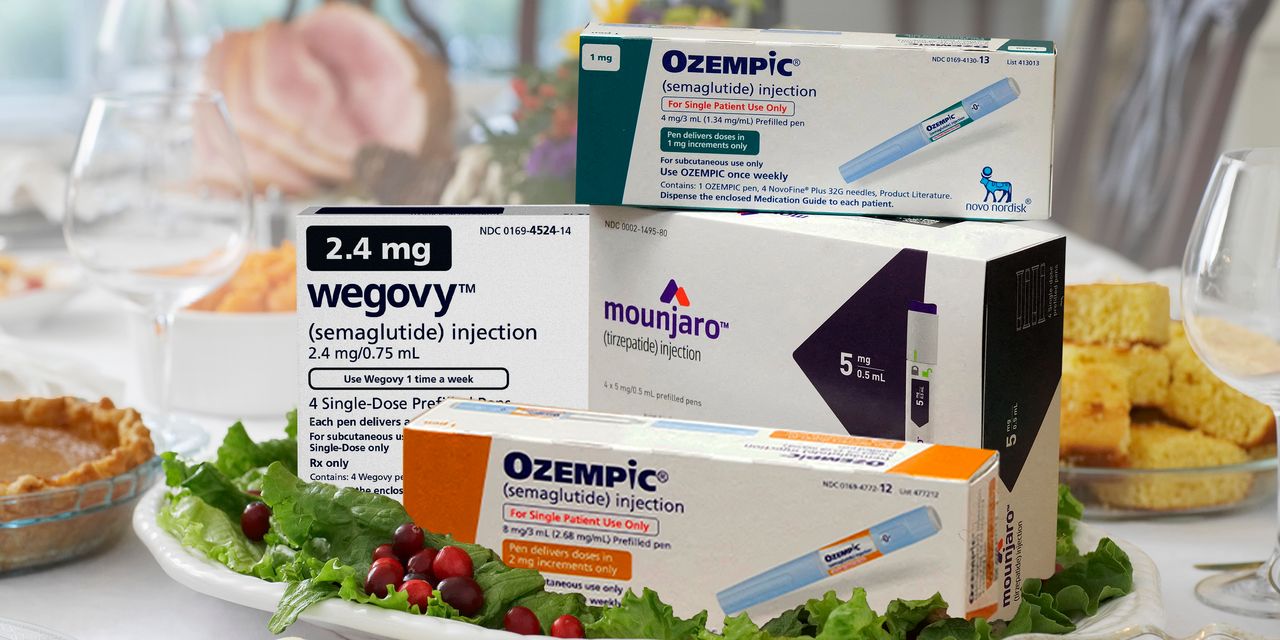
As Thanksgiving approaches, the conversation around Ozempic and other weight-loss and diabetes drugs intensifies. People taking these medications express concerns about being the center of attention during the holiday meal. While they look forward to eating smaller portions, some are apprehensive about indulging in their favorite alcoholic beverages.
The demand for injectable diabetes drugs like Ozempic and Wegovy for weight loss has led to a shortage, prompting specialized compounding pharmacies to create their own versions. However, an unregulated market has emerged online, with over two dozen websites selling semaglutide, the active ingredient in these drugs, directly to consumers without the need for doctors or pharmacies. Entrepreneurs are trying to profit from this unregulated market, creating a Wild West scenario for off-brand Ozempic.
Drugmakers in the U.S. have spent nearly $500 million on advertising for obesity and diabetes treatments during the first seven months of this year, a 20% increase from the same period last year. The surge in ad spending is driven by the popularity of Novo Nordisk's diabetes drug Ozempic and weight loss drug Wegovy, both of which have seen high demand for their ability to aid weight loss. These drugs, along with other GLP-1 treatments, mimic a gut hormone to suppress appetite. The top four advertised drugs were Ozempic, Wegovy, Rybelsus, and Jardiance, accounting for three-quarters of total ad spending.
Novo Nordisk, the Danish drugmaker, briefly surpassed LVMH as Europe's most valuable listed company, ending the French luxury group's 2.5-year reign. Novo Nordisk's success is attributed to the high demand for its diabetes and weight-loss drugs, Ozempic and Wegovy. The company's shares have reached record highs, rising approximately 17% since the announcement of Wegovy's cardiovascular benefits. Novo Nordisk's market capitalization stood at around $424.7 billion, while LVMH's market cap was $420.1 billion. Novo Nordisk's strategy in the obesity drug market has garnered investor appreciation, with the weight loss drug market projected to reach $100 billion in annual sales within a decade.
The American Society of Anesthesiologists (ASA) has advised patients taking diabetes and weight loss drugs such as Novo Nordisk's Ozempic and Wegovy or Eli Lilly's Mounjaro to temporarily stop taking them before elective surgery due to potential complications. Anecdotal reports suggest an increased risk of vomiting and aspiration of food into the lungs during anesthesia or sedation. The drugs, known as GLP-1 receptor agonists, delay stomach emptying and reduce hunger, making them popular for weight loss. Patients experiencing gastric side effects while on these drugs are more likely to have residual food in their stomach. The ASA recommends skipping treatment on the day of surgery for daily users and stopping treatment a week before surgery for weekly users. Further research is needed to assess the risks of these treatments during surgery.
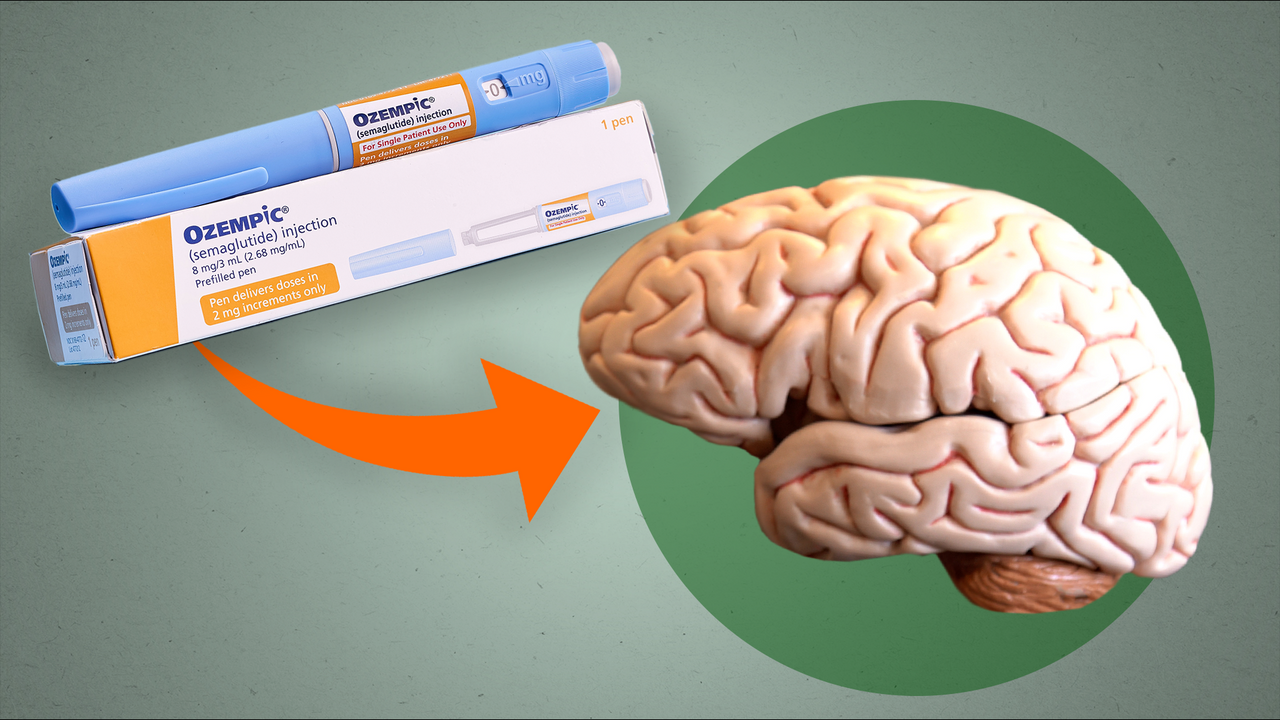
Diabetes drugs like Ozempic are showing promise as an alternative treatment for addiction and behavioral issues, in addition to aiding weight loss. The science behind how these drugs work could potentially change the field of psychiatry.
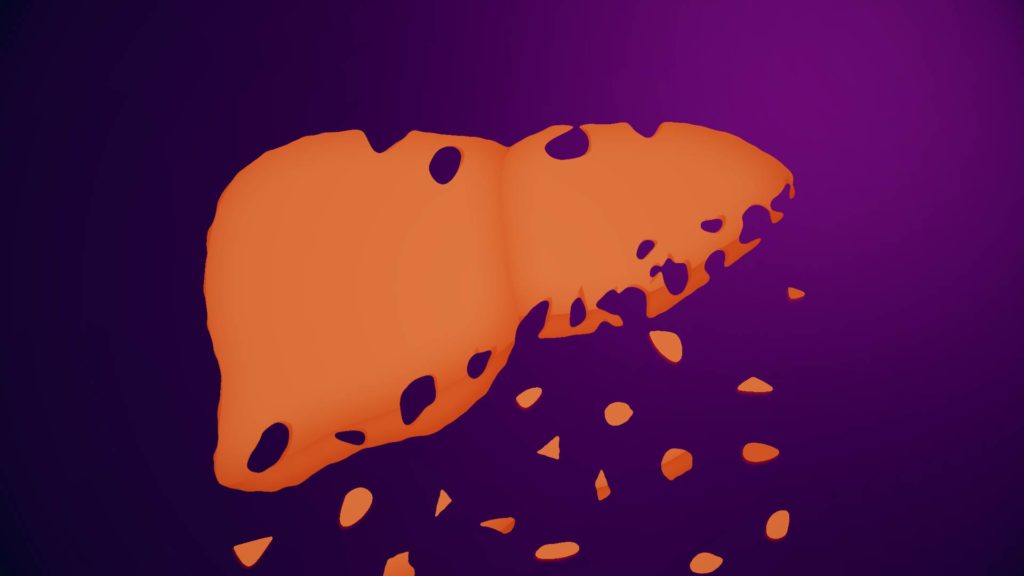
The American Diabetes Association recommends that all adults with type 2 diabetes or prediabetes should be screened for nonalcoholic fatty liver disease, which can lead to serious liver damage. GLP-1 treatments, such as Ozempic and Mounjaro, are singled out as an option doctors could consider, as they have been shown to lower blood sugar and cut weight. However, there are no approved medications for the disease, and there is still limited data on the efficacy of GLP-1s in fatty liver disease.