Kelly Stafford revealed on her podcast that she disciplined her daughter by making her walk home from school due to disrespectful behavior, highlighting the challenges of parenting and behavioral issues within her family.
A recent study suggests a potential link between higher prenatal fluoride levels and behavioral issues in children at 3 years old, prompting experts to call for a reevaluation of fluoride consumption during pregnancy. While some researchers believe it's a warning sign, others caution that the study has limitations and does not warrant pregnant women to stop drinking tap water. Fluoride is added to water supplies in the U.S. to prevent dental cavities, and the debate on its safety continues, with ongoing lawsuits and conflicting research findings from different countries.
A West Virginia bill that would have allowed teachers to remove kindergarten and elementary school students from the classroom for severe misbehavior failed to pass after legislators missed a midnight Sunday deadline. The bill aimed to address school discipline and behavioral issues among children with trauma and adverse experiences at home, but faced opposition due to concerns about disproportionate impact on foster children, children with disabilities, and minority students. Lawmakers expressed frustration with addressing only the symptoms of societal problems and not the root causes.
The Food and Drug Administration (FDA) is facing pressure to take action on the synthetic food coloring, red No. 3, after California became the first state to ban it. Public health advocates are urging the FDA to remove the dye from the food supply nationwide, citing studies linking synthetic food dyes to behavioral issues in children. Consumer advocacy groups have filed a petition with the FDA to ban red No. 3, and the recent action in California is expected to increase the likelihood of the petition being granted. The FDA is currently reviewing the petition and assessing the available data on the dye's safety.
Resistance training, specifically the contraction of specific muscles against an external resistance, has been found to delay the onset of Alzheimer's disease and reduce Alzheimer's-associated behavioral issues, according to a study conducted on transgenic mice. The study demonstrated a decrease in the formation of beta-amyloid plaques, a key feature of Alzheimer's, and normalized stress hormone levels in mice that underwent resistance exercise training. The findings suggest that resistance training could serve as a cost-effective therapeutic option for Alzheimer's patients.
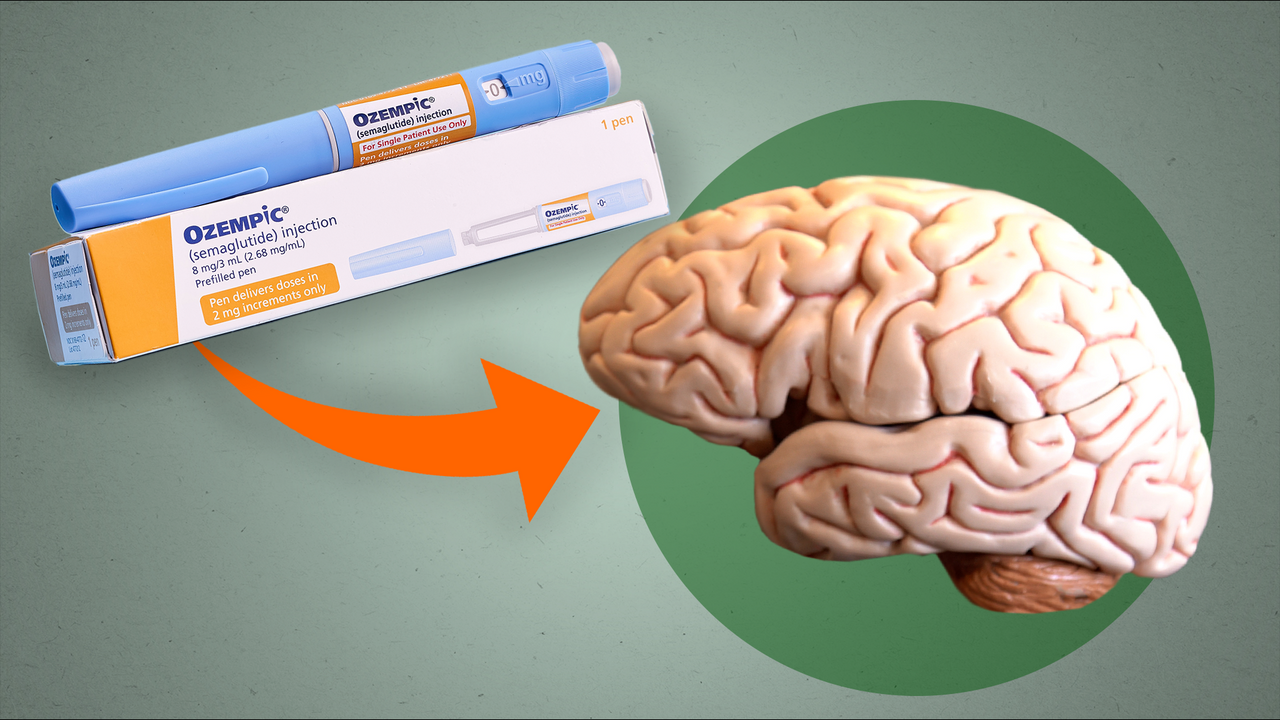
Diabetes drugs like Ozempic are showing promise as an alternative treatment for addiction and behavioral issues, in addition to aiding weight loss. The science behind how these drugs work could potentially change the field of psychiatry.