The National Guard was deployed near Chicago on Trump's orders despite local opposition, as Trump called for the jailing of Chicago Mayor Brandon Johnson and Illinois Governor JB Pritzker, both opponents of his immigration policies. The deployment and political tensions highlight ongoing conflicts over federal authority and local governance amid protests and legal challenges.
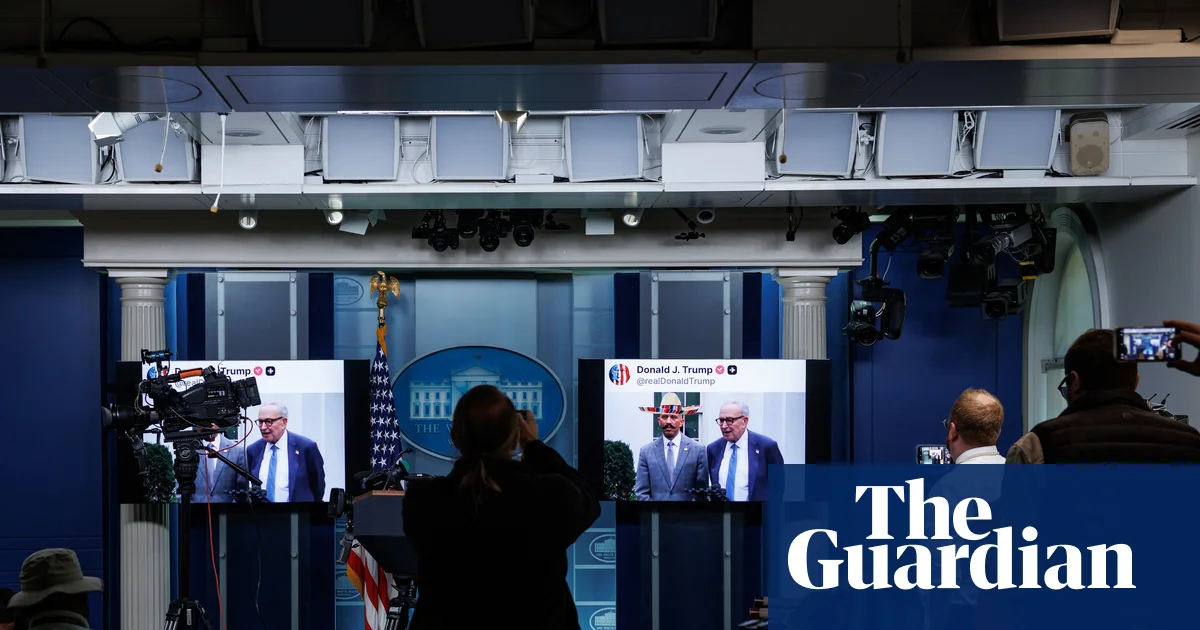
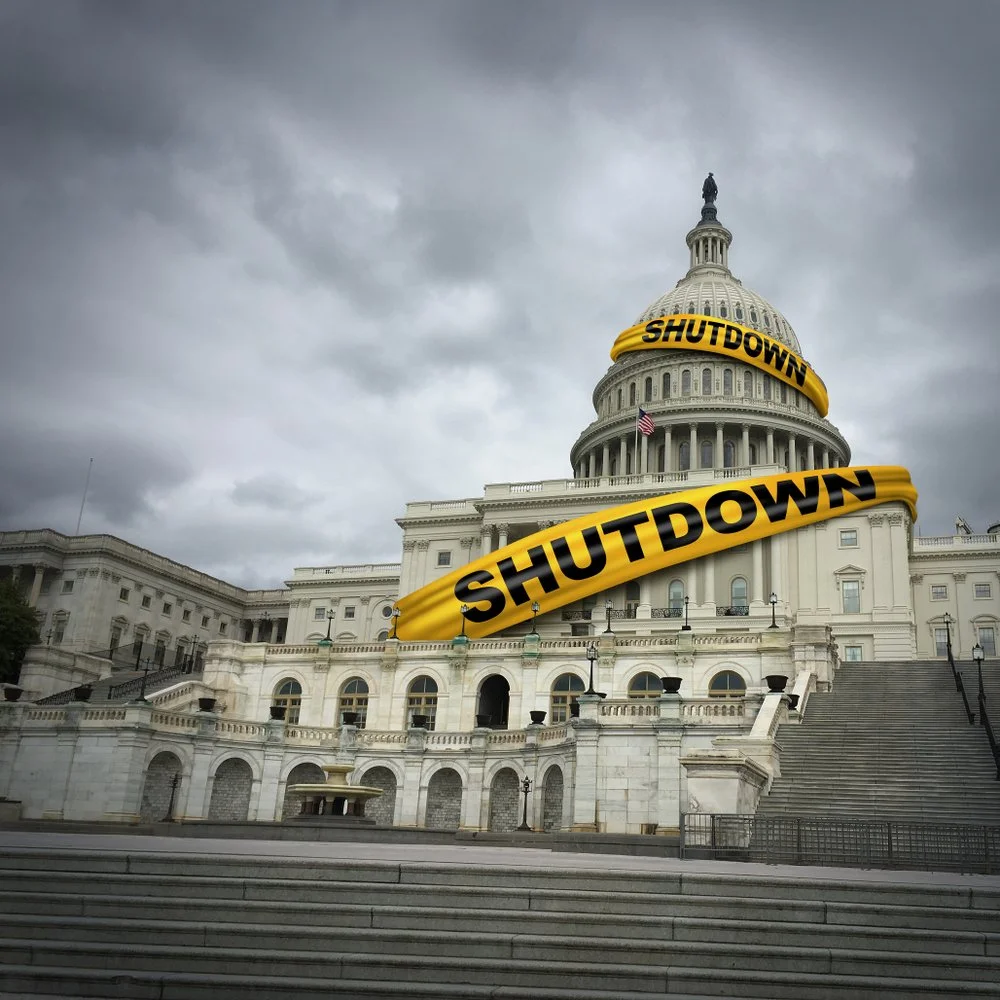
The White House played racist deepfake videos mocking Democratic leaders on loop during a government shutdown, featuring fabricated audio and images to falsely portray Democrats as supporting illegal immigration benefits and promoting racist conspiracy theories, which was condemned as racist by Democrats.
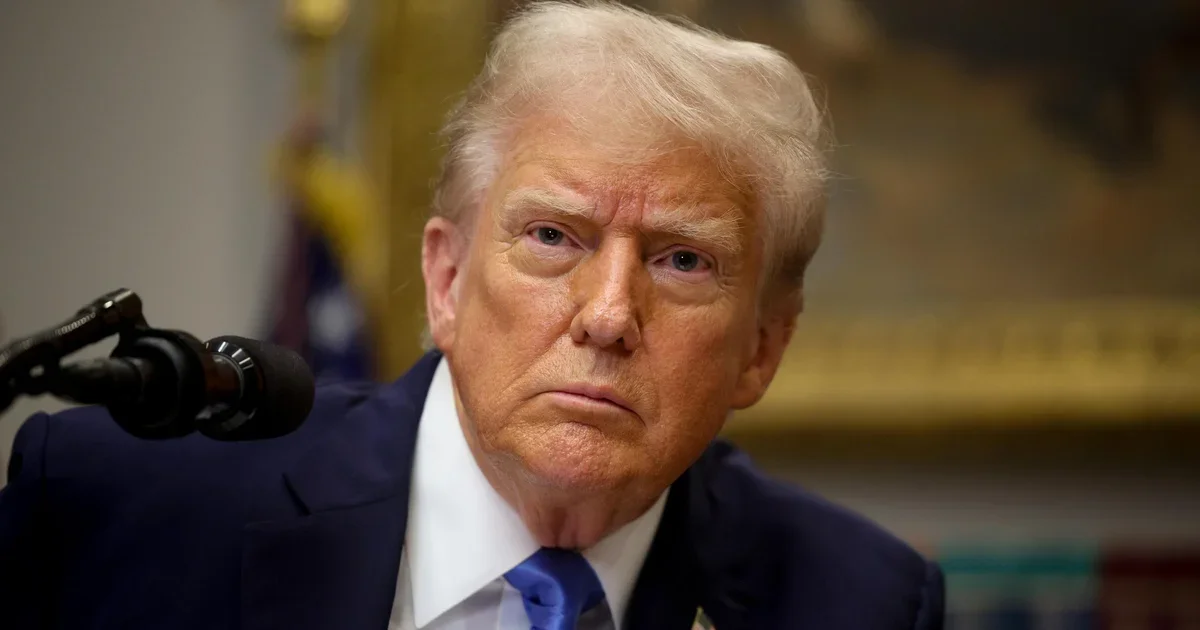
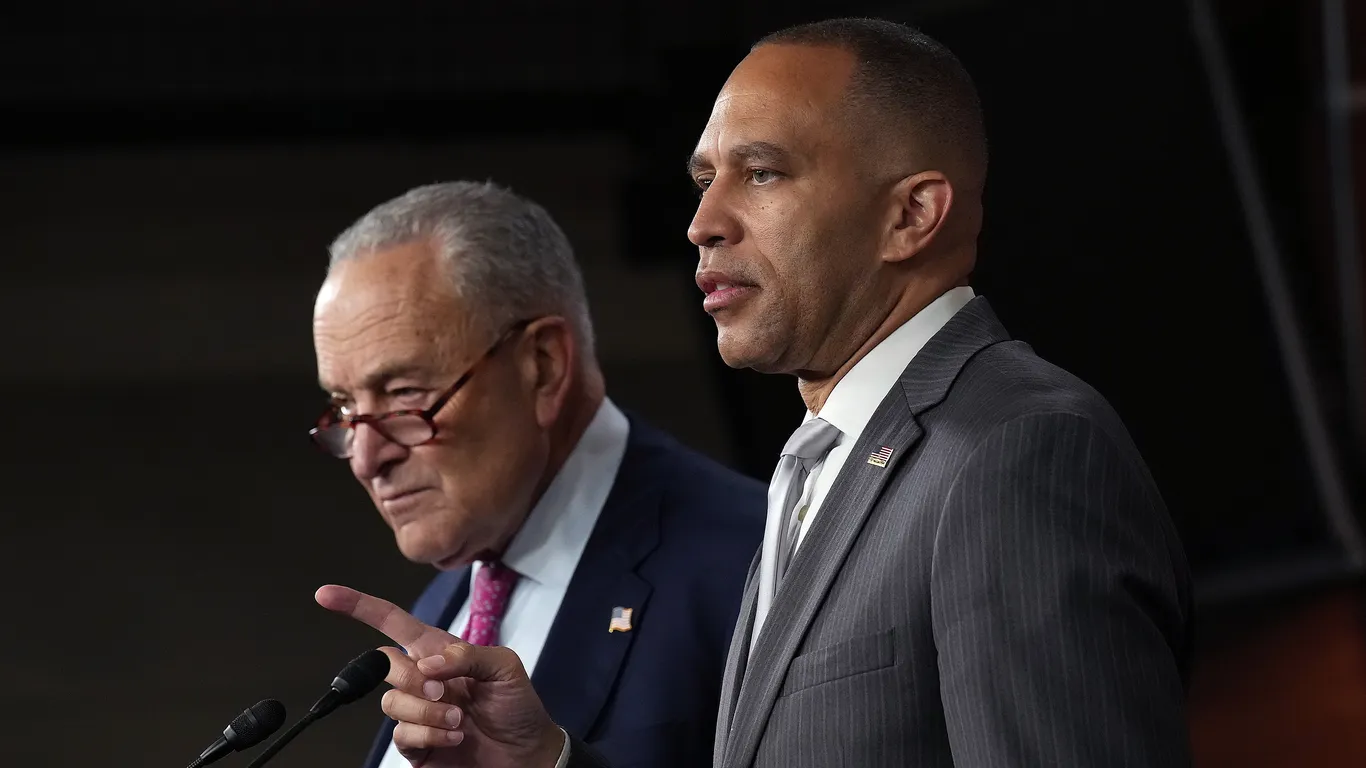
President Trump canceled a meeting with Democratic leaders as prospects for avoiding a government shutdown dim, with disagreements over ACA tax credits and other issues. The House and Senate are also debating funding bills for FY 2026, with efforts to hold formal conferences, while federal employee groups advocate for protections in any continuing resolution.
President Trump canceled a scheduled meeting with Democratic leaders Schumer and Jeffries over disagreements on government funding, as the October 1 shutdown deadline approaches, with tensions rising over proposed funding extensions and policy disputes.
President Trump plans to meet with Democratic congressional leaders Schumer and Jeffries to discuss avoiding a government shutdown as the September 30 deadline approaches, amid ongoing standoff over funding measures and Democratic demands to reverse Medicaid cuts.
North Carolina Republican lawmakers have passed a bill to reduce the powers of the incoming Democratic governor and attorney general, shifting the authority to appoint members of the state's election board to the Republican-held state auditor's office. The legislation, which also includes changes to voting procedures and limits the attorney general's legal autonomy, was passed quickly before the GOP loses its veto-proof supermajority. The bill now awaits the signature of Democratic Governor Roy Cooper, who has expressed concerns about its impact on election administration.
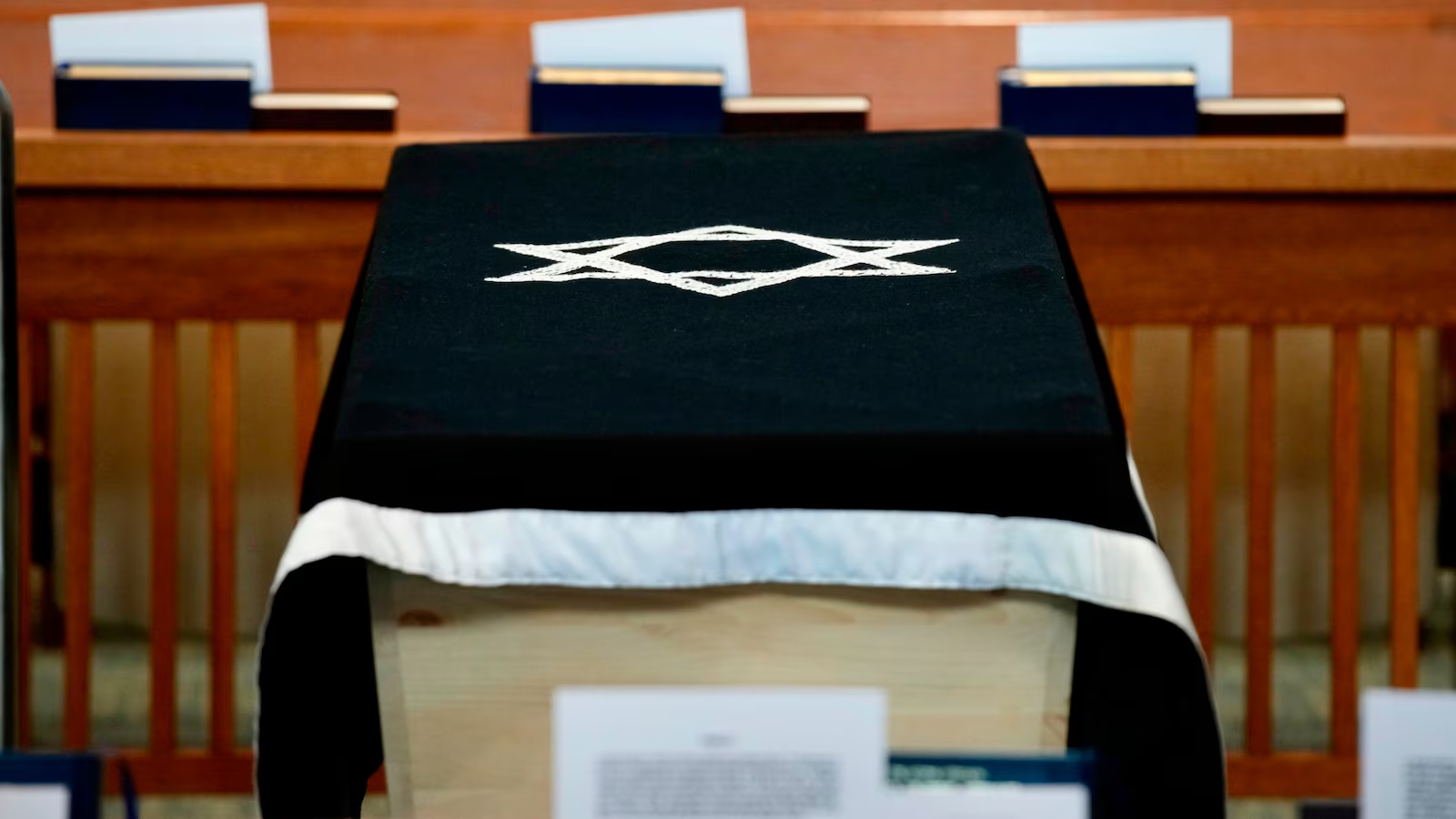
Democratic leaders including Al Gore, Chris Murphy, Richard Blumenthal, and Ned Lamont honored the life and legacy of former Sen. Joe Lieberman at his funeral, praising his integrity, bipartisan approach, and calming presence in politics. Lieberman, who died at 82, was remembered as a "mensch" and a mentor to young politicians. Despite political differences, Gore emphasized their enduring friendship, while Lamont highlighted Lieberman's advocacy for civil rights and consumer rights. Lieberman's stepson described his integrity as a magnetic field, drawing in allies and inviting dialogue and compromise.
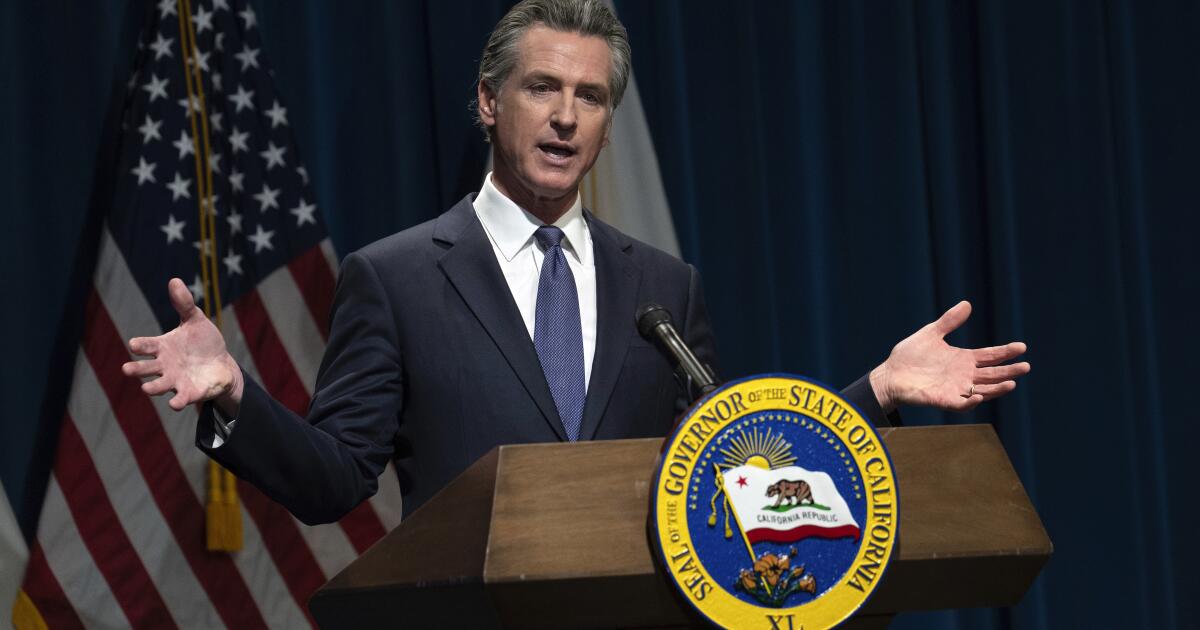
California faces a budget deficit of at least $38 billion, prompting Gov. Newsom and Democratic leaders to announce plans to begin reducing the shortfall in April, although they have yet to agree on specific cuts or a clear plan. Pressure is mounting on Democrats as they grapple with the looming fiscal crisis, with the Senate proposing $17 billion in early cuts and the Assembly seeking more time for deliberation. The lack of consensus and details in the announcement reflects the challenge of addressing what could be the state's largest fiscal deficit, forcing lawmakers to make difficult choices affecting millions of Californians.
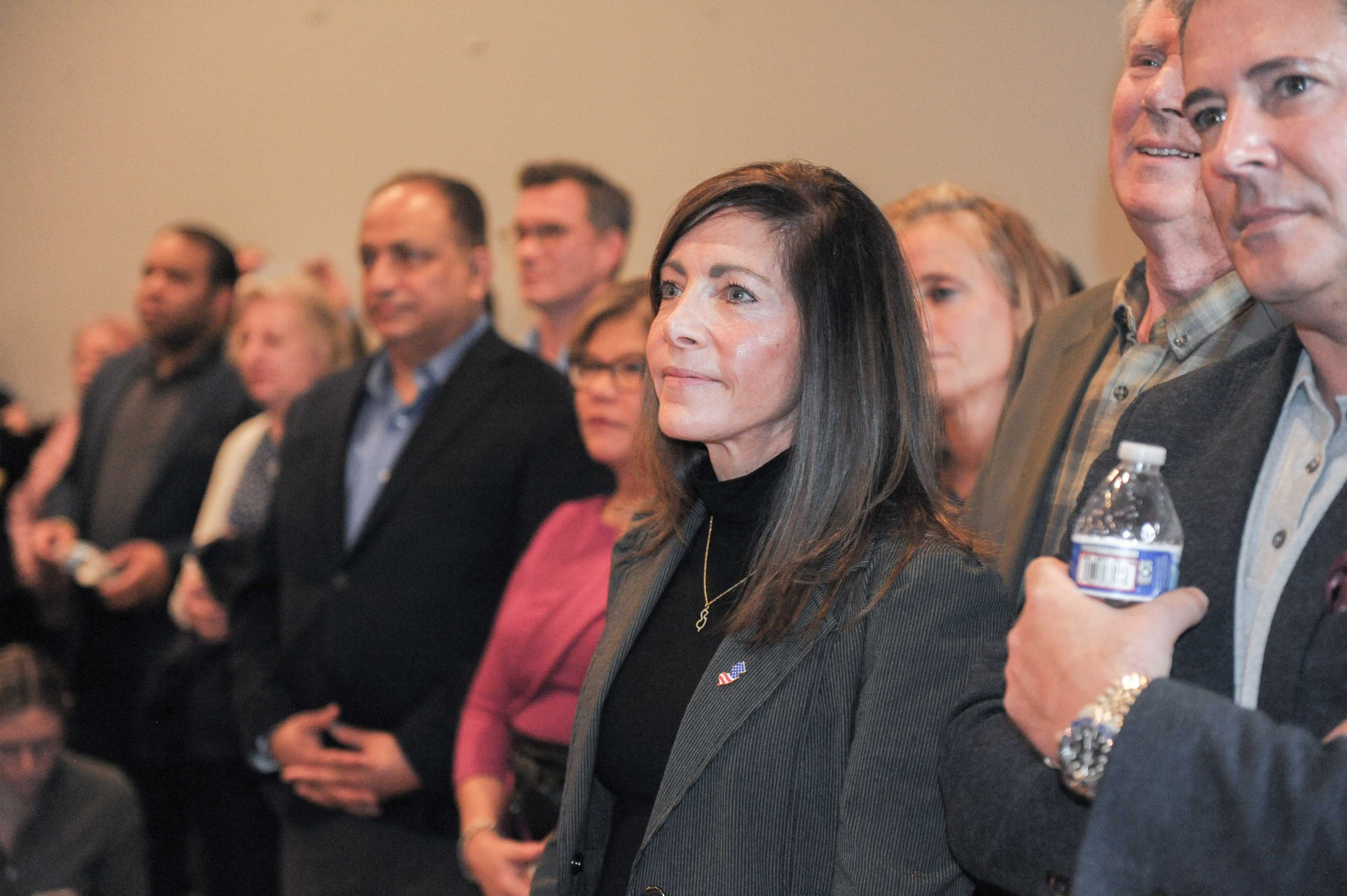
Monmouth County Democratic leaders offered U.S. Senate candidates Tammy Murphy and Andy Kim a shared line deal to avoid a convention fight, but Murphy, confident in her ability to win, rejected it, leading to Kim's decisive victory. The offer aimed to prevent a civil war between the two candidates, but Murphy's refusal has sparked Monday morning quarterbacking. Murphy's acceptance could have risked opening the door for similar deals in other counties.
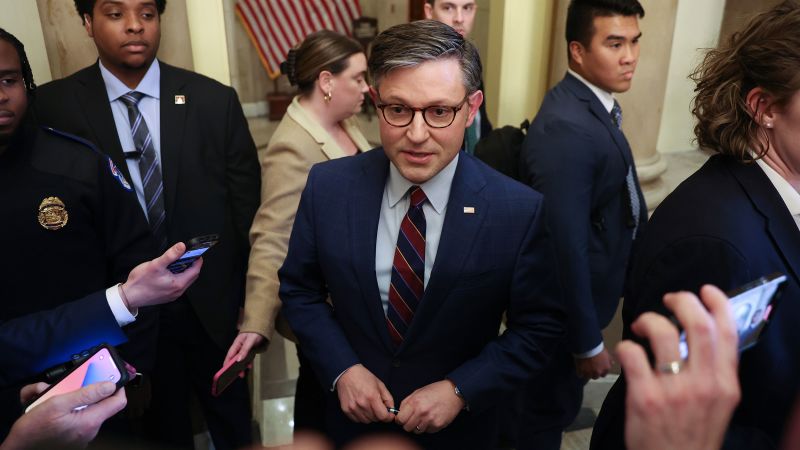
House GOP's standalone $17.6 billion aid package for Israel is on the brink of collapse as both Republicans and Democratic leaders oppose it, with President Joe Biden issuing a veto threat and resistance from the conservative House Freedom Caucus forcing a two-thirds majority vote. The bill also faces challenges in a larger national security package and bipartisan negotiations, prompting criticism from House Republicans for being excluded from talks.
The influx of migrants in Chicago has created a conflict between the city's commitment to welcoming immigrants and the needs of its historically underserved Black community. While Democratic leaders initially pledged support for new arrivals, the strain on resources and lack of federal intervention has caused tension. The city and state are facing economic challenges in providing shelter and services for the growing population, leading to backlash from the Black community. Calls for resource allocation and addressing long-standing issues such as underemployment and lack of affordable housing have intensified. The Biden administration is urged to take action and provide federal support to manage the migrant crisis and address the needs of both newcomers and Chicago's residents.