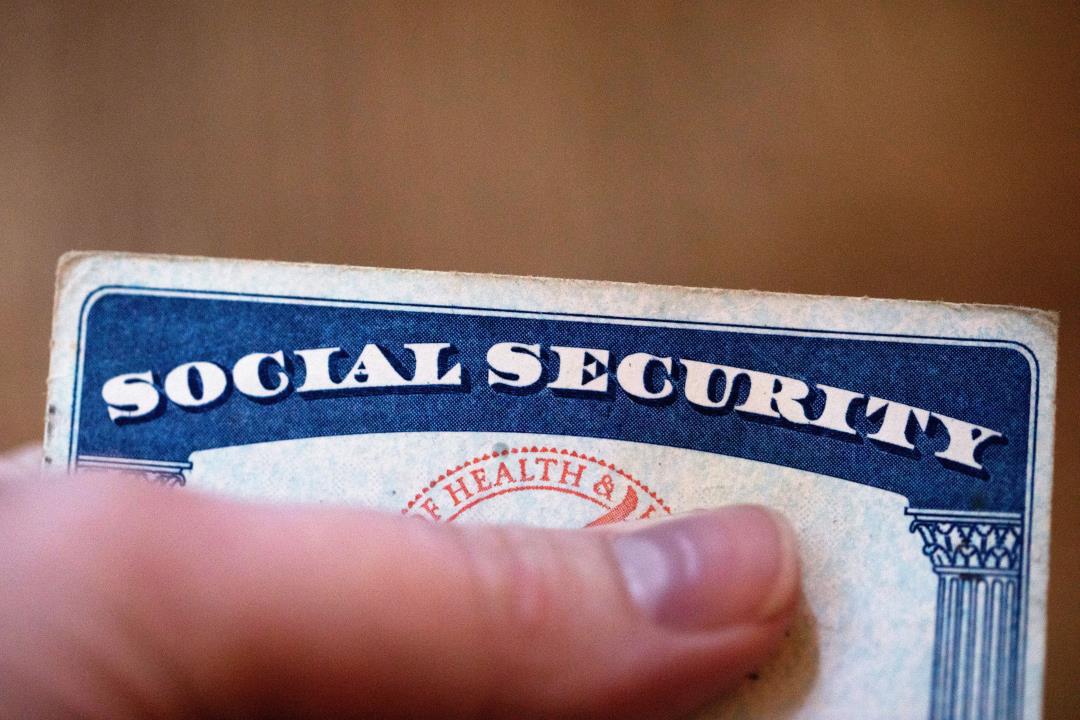
Social Security's trust fund is projected to be depleted by 2033, risking significant benefit cuts unless Congress takes action. The issue stems from demographic shifts and a declining ratio of workers to retirees, creating a political challenge as solutions like tax hikes, benefit cuts, or funding from general revenues face opposition. While the problem is urgent, current political will suggests that some form of the program will persist, but the path to sustainability remains contentious and uncertain.

The Trump administration is seeking an emergency stay to block a court order that requires the USDA to use emergency funds to pay full SNAP benefits amid a government shutdown and funding shortfalls, with legal arguments focusing on congressional intent and budget authority.
Kemi Badenoch revealed that the Conservative Party nearly ran out of money following their worst election defeat, but she managed to stabilize the party's finances and set a new policy agenda. She discussed her leadership challenges, the party's internal dynamics, and her views on political opponents like Reform UK and Nigel Farage.
The US Senate remains deadlocked over legislation to end the government shutdown, with no bipartisan support for proposed bills, as President Trump threatens to target Democratic-led states with cuts, while Democrats demand policy concessions in exchange for funding.
Marineland in Canada faces the potential euthanasia of 30 beluga whales if it does not receive emergency funding from the government, as the park struggles financially and has been denied permission to export the whales to China. The park's request was rejected amid ongoing scrutiny over animal treatment and legal restrictions on keeping whales in captivity.
The ongoing US government shutdown has led to the closure and limited operation of many national parks, causing confusion among visitors and raising safety concerns due to reduced staffing and potential vandalism, with some states managing to keep parks open through local funding and donations.
The US government shutdown continues as a Republican stopgap funding bill fails in the Senate, with ongoing partisan disputes and no immediate resolution in sight, while the White House holds a press briefing and takes measures like freezing NYC infrastructure funds.
The White House has instructed federal agencies to prepare for mass layoffs if the government shuts down on October 1 due to funding exhaustion, with plans to fire employees working on unfunded programs and to minimize staffing once funding resumes.
President Trump canceled a scheduled meeting with Democratic leaders Schumer and Jeffries over disagreements on government funding, as the October 1 shutdown deadline approaches, with tensions rising over proposed funding extensions and policy disputes.
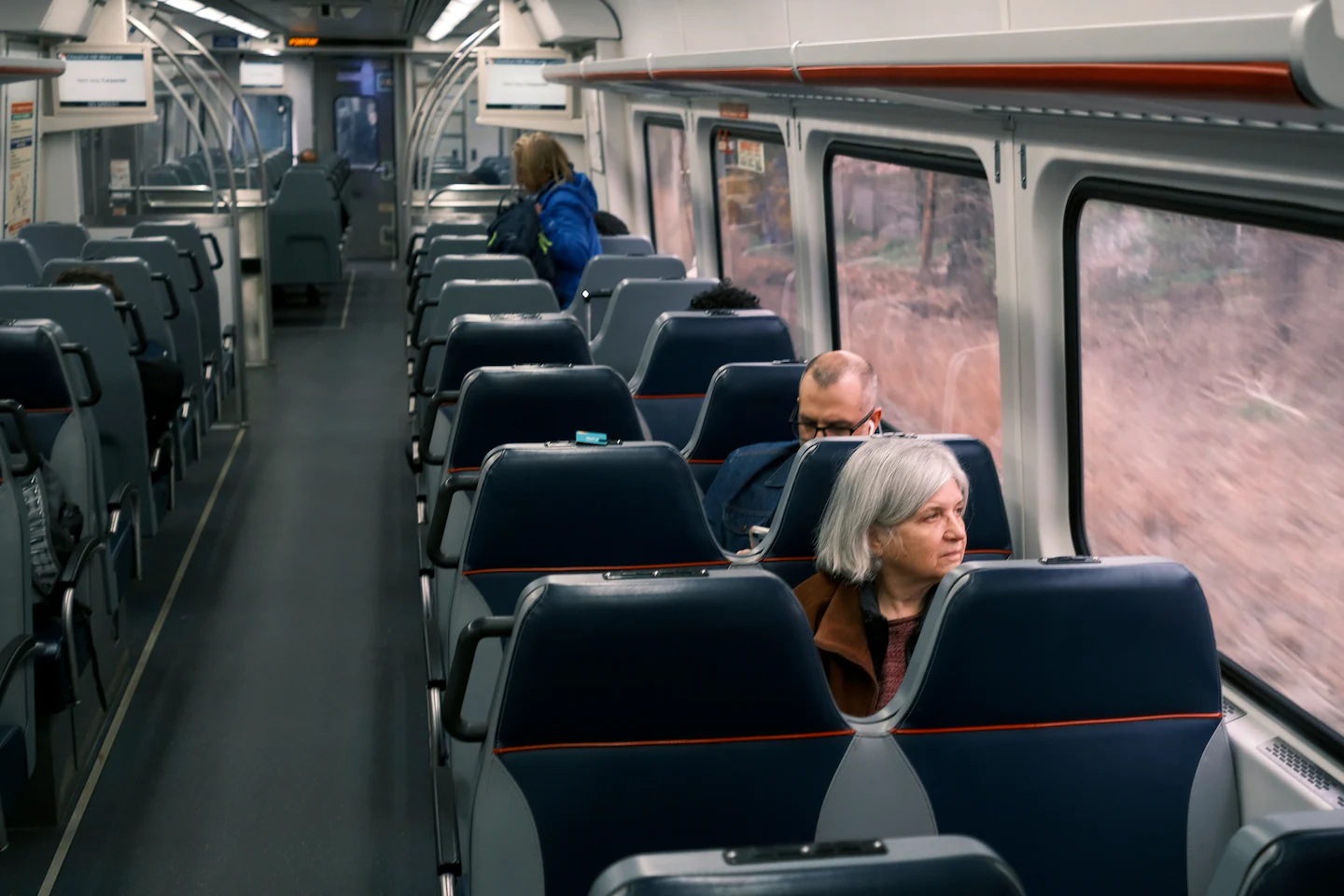
Philadelphia's public transit system faces a significant decline due to unresolved funding issues, potentially leading to a 'death spiral' that could serve as a warning for other cities.
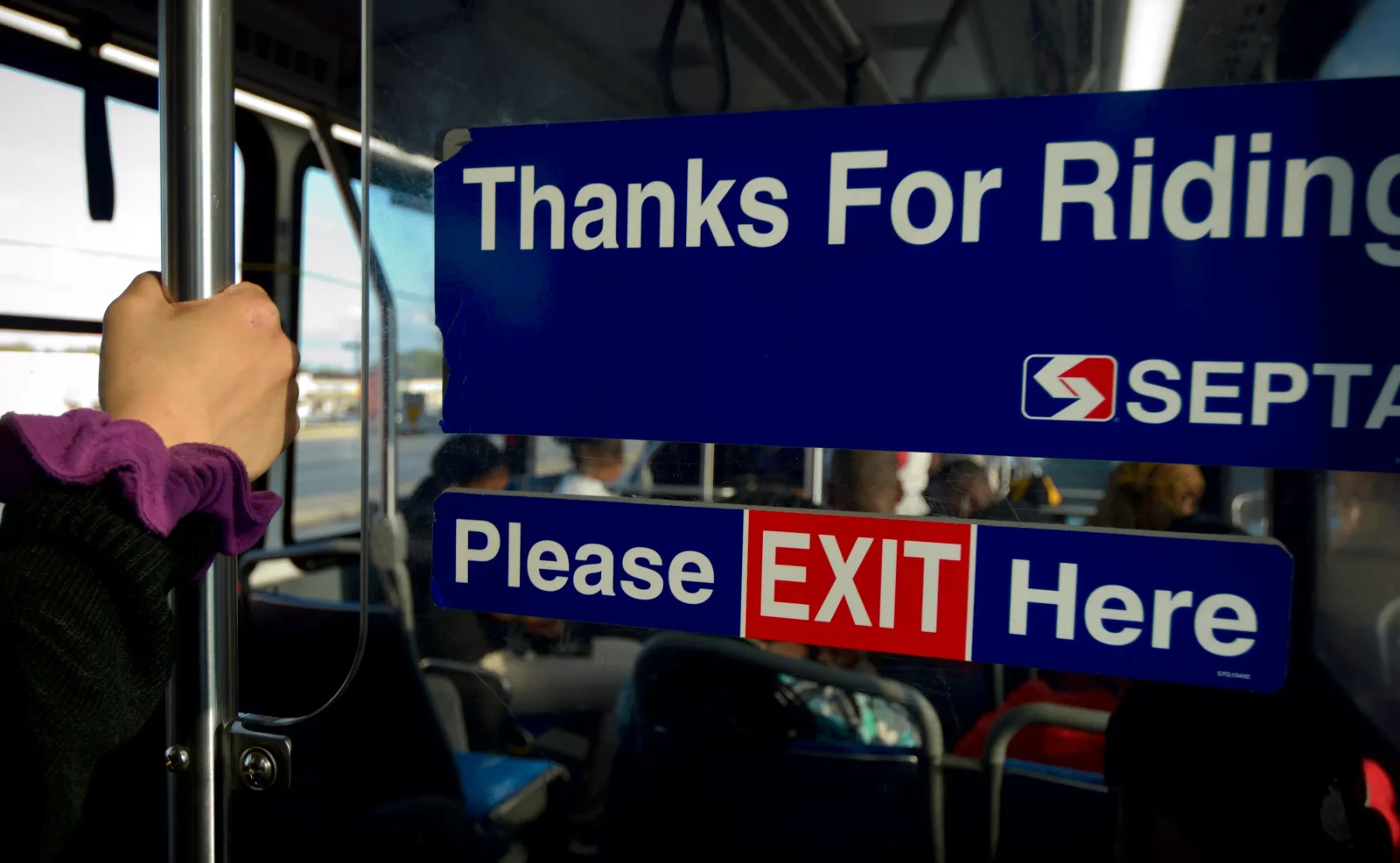
SEPTA faces a severe budget crisis with potential service cuts, fare hikes, and route eliminations due to a $213 million deficit, which could significantly impact transportation in Philadelphia and surrounding areas, highlighting broader issues of public transit funding and political disagreements.
The Oregon Department of Transportation plans to lay off over 600 workers due to a lack of funding after lawmakers failed to pass a transportation package, leading to a significant budget shortfall and potential special legislative session.
A year after an international police force was deployed to Haiti to combat gangs, its future remains uncertain due to funding shortages and limited progress, with gangs still controlling much of Port-au-Prince and violence escalating, highlighting international community's insufficient support.
Federal projections indicate that Social Security will run out of funds by 2034 and Medicare by 2033, a year earlier than previously estimated, due to increased benefits, lower fertility, and rising healthcare costs, prompting urgent calls for legislative action.
Illinois lawmakers failed to pass a bill that would reform Chicago's transit governance and introduce a $1.50 delivery fee, leaving a significant funding gap for transit agencies amid looming financial crises, with potential for a special session to revisit the issue.