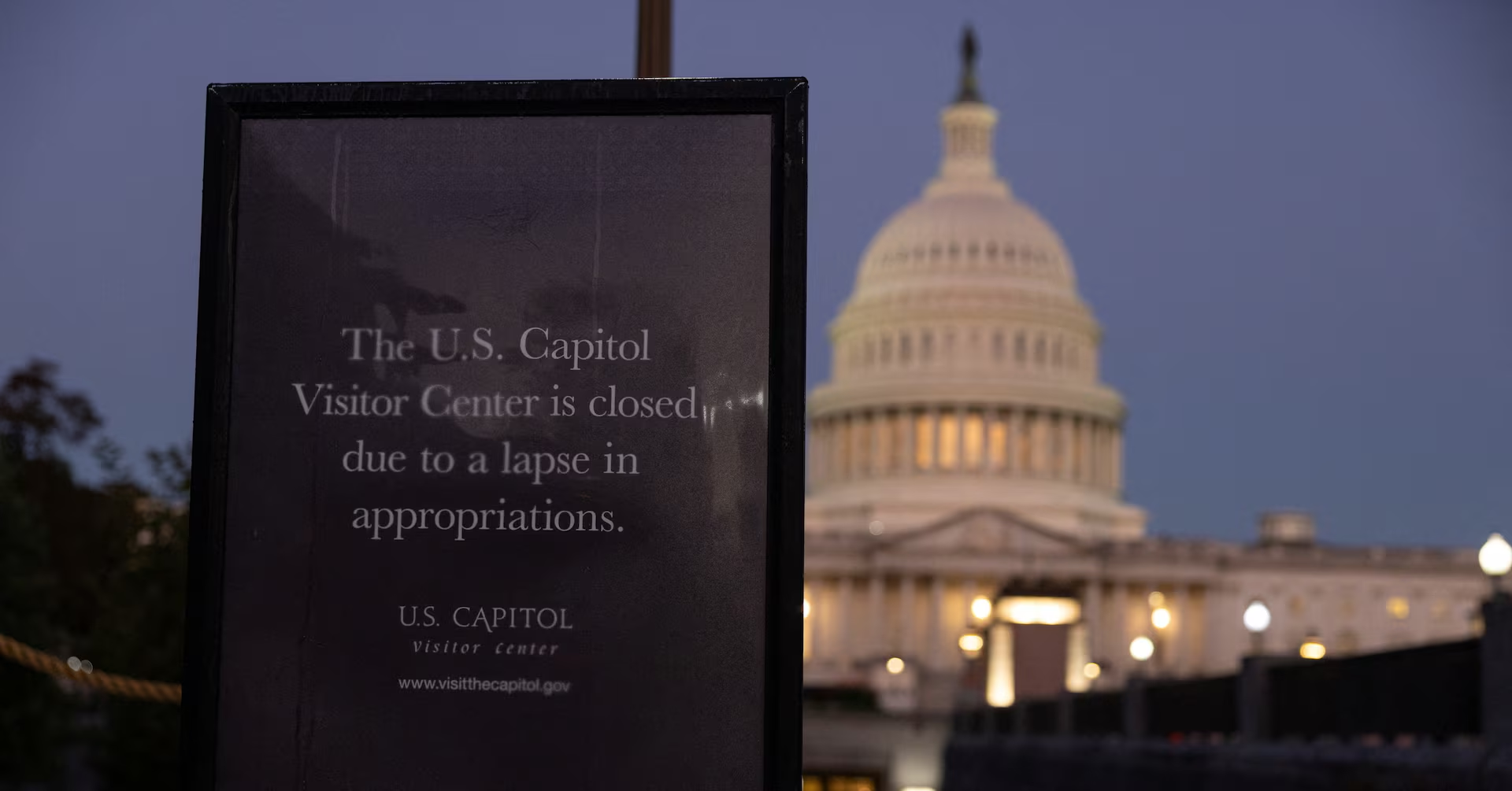
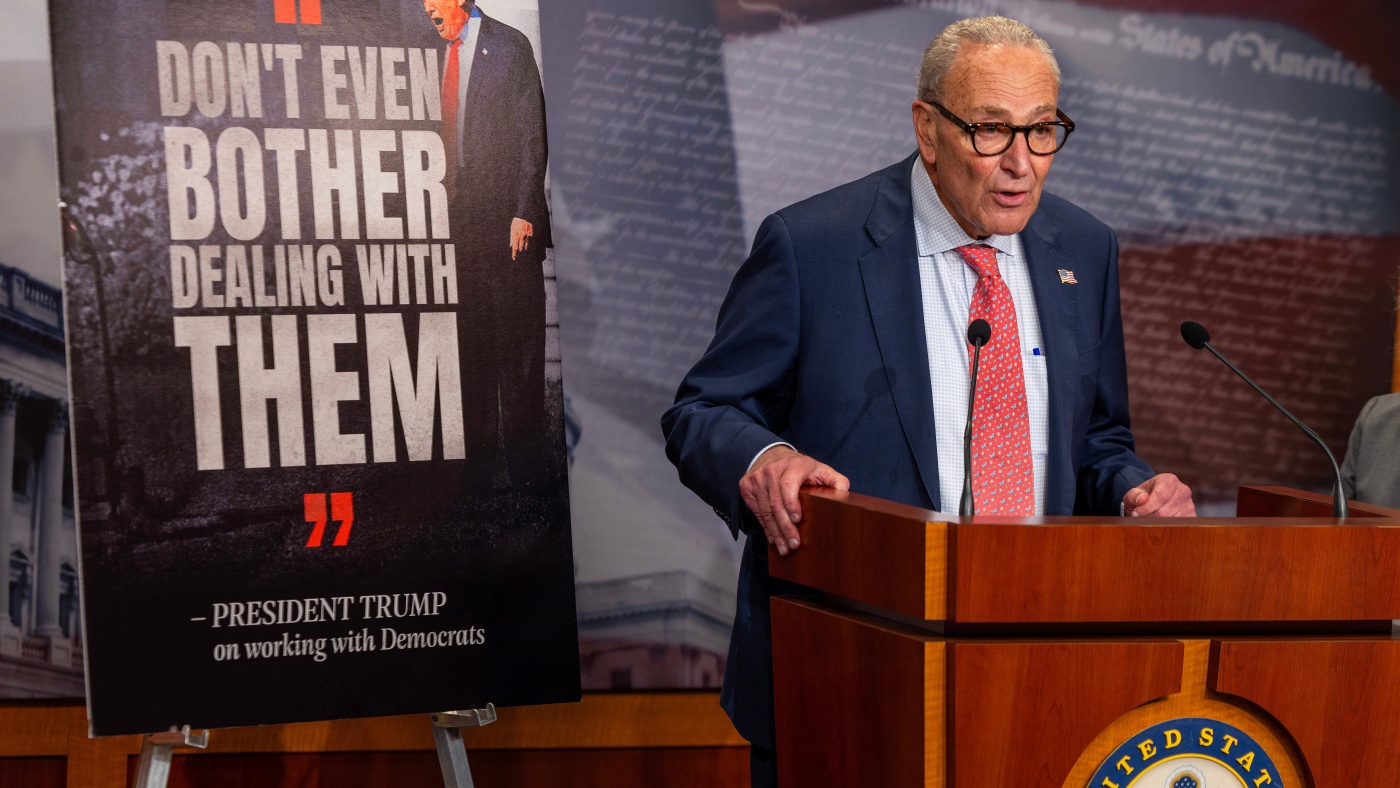
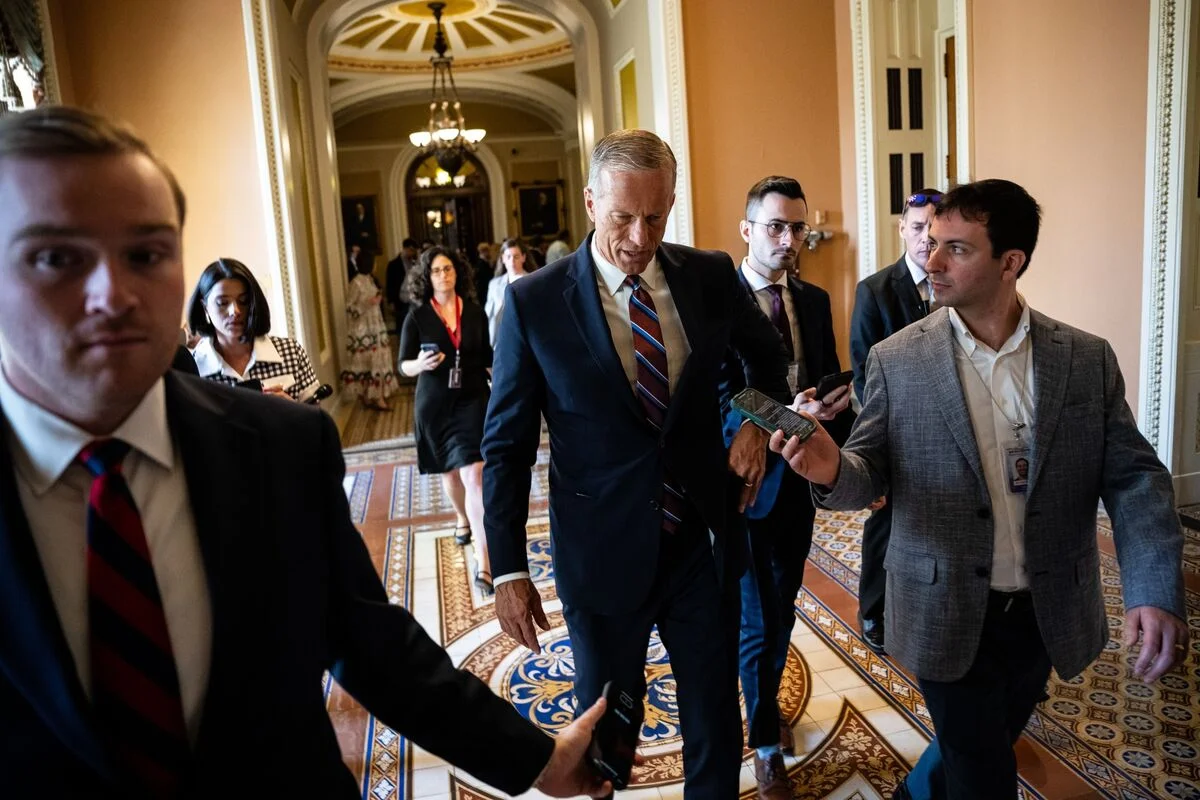
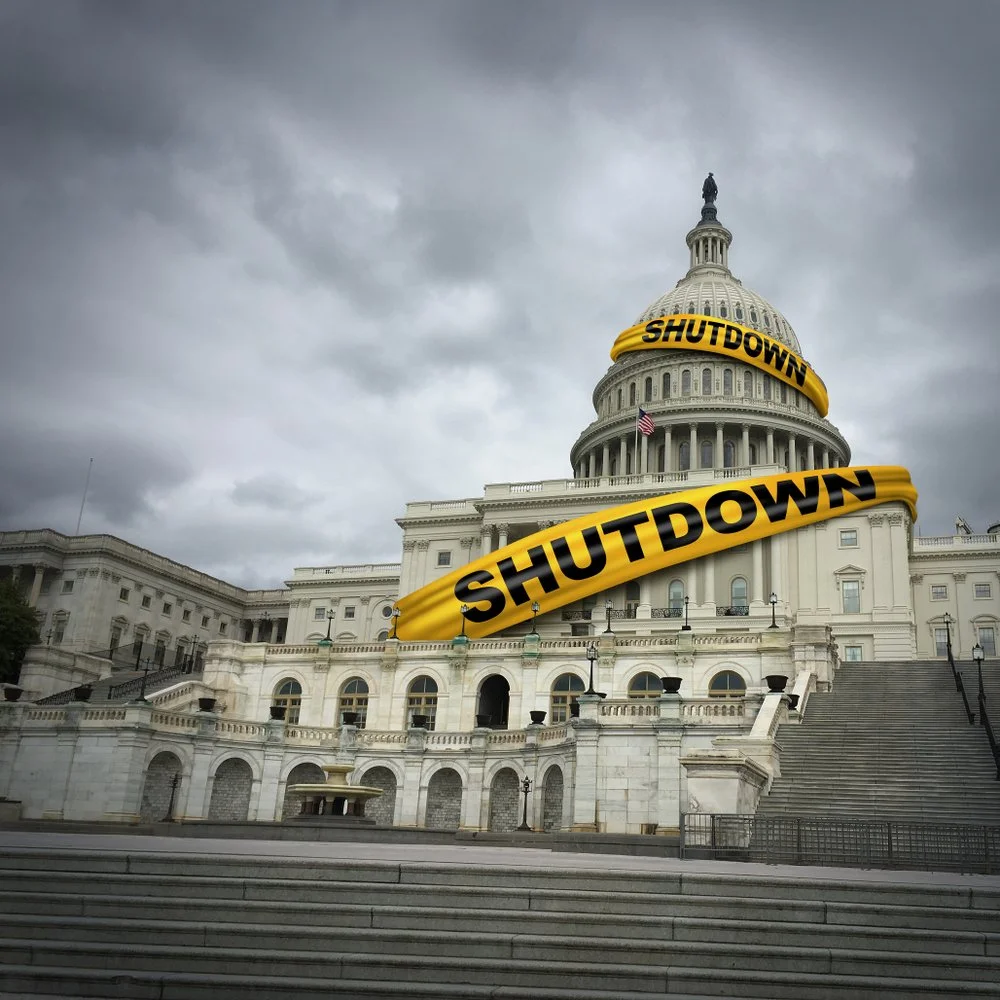
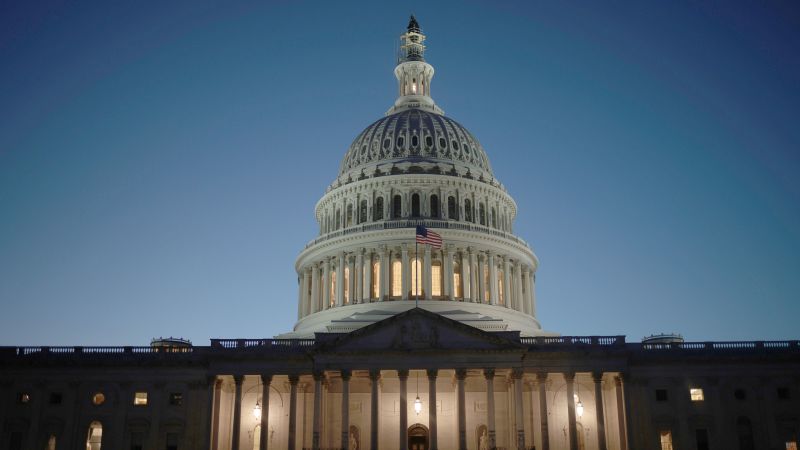
The White House has warned that mass layoffs of federal workers will begin if negotiations with Democrats over the partial government shutdown fail to progress, with no signs of talks resuming and ongoing political disagreements over healthcare and funding.
Top congressional leaders are meeting with President Trump at the White House to negotiate avoiding a government shutdown ahead of the September 30 deadline, amid disagreements over funding and healthcare policy, with potential impacts including delayed services and federal layoffs.
President Trump is scheduled to meet with top congressional leaders on Monday to discuss avoiding a government shutdown, with negotiations focusing on extending healthcare subsidies and passing a stopgap budget measure, amid ongoing partisan disagreements and a looming deadline.
President Donald Trump dismisses the threat of a government shutdown, blaming Democrats for the impasse, as negotiations over funding and health care subsidies continue with little progress, with some Republicans suggesting possible negotiations before November 21.
The Trump administration is preparing for a potential government shutdown by planning mass layoffs of non-essential federal employees, while blaming Democrats for the impasse and expecting Republicans to stand firm in negotiations. Democrats accuse Republicans of bluffing, and both sides are at an impasse over funding and policy demands, with a deadline approaching.
The Office of Management and Budget has instructed federal agencies to prepare for mass layoffs in case of a government shutdown, citing potential funding gaps and ongoing political disagreements between Republicans and Democrats over budget and health care issues. The memo indicates agencies may implement permanent layoffs through reduction-in-force notices if negotiations fail, with the shutdown deadline set for September 30.
President Trump canceled a meeting with Democratic leaders as prospects for avoiding a government shutdown dim, with disagreements over ACA tax credits and other issues. The House and Senate are also debating funding bills for FY 2026, with efforts to hold formal conferences, while federal employee groups advocate for protections in any continuing resolution.
The Senate has passed its first set of bipartisan spending bills totaling $488 billion, covering military, veterans, agriculture, and legislative programs, but significant disagreements remain over funding levels and priorities, especially with the upcoming September 30 government shutdown deadline and differences between the Senate and House bills.
Ursula von der Leyen's €2tn EU budget proposal has faced internal chaos and opposition within the European Commission, revealing deep disagreements and a centralized decision-making style that has caused unrest and concessions, with the proposal now facing tough negotiations with member states.
Budget negotiations between Wisconsin Gov. Tony Evers and Republican lawmakers have collapsed over disagreements on spending and tax priorities, with Republicans planning to proceed with their own budget proposal as the current fiscal year ends on June 30.
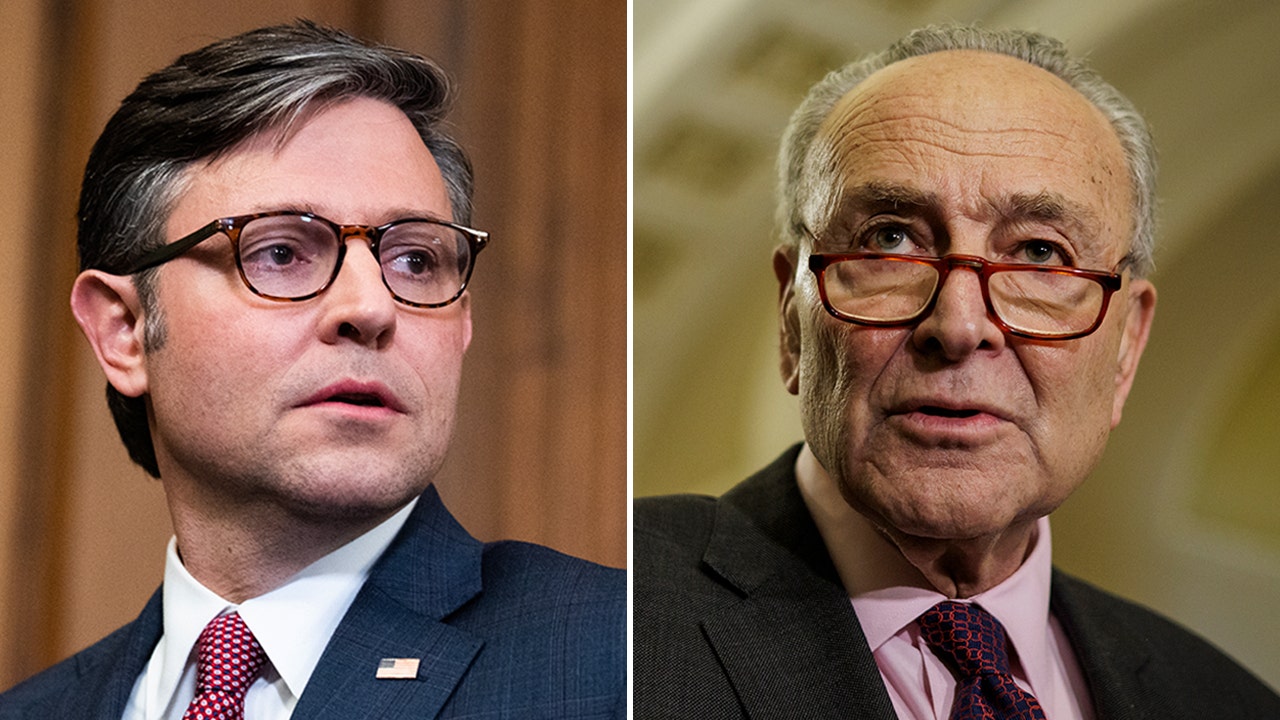
Congressional leaders have unveiled a 1,050-page bill to fund parts of the federal government for fiscal year 2024, with Speaker Mike Johnson and Senate Majority Leader Chuck Schumer both claiming victories. The legislation includes cuts to agencies, prevents the Department of Justice from targeting parents at school board meetings, and separates appropriations bills into separate packages. The bill also includes funding for programs such as WIC and infrastructure investments, as well as additional support for U.S. military veterans. However, the battle over government funding is far from over, with Congress having until March 22 to fund the remaining portions of the government.
Top US lawmakers have reached a tentative bipartisan deal to extend funding bills and avert a partial government shutdown ahead of the Friday deadline. The deal extends four funding bills to March 8 and the rest of the budget to March 22. The House is expected to vote on the stopgap measure as early as Thursday, and the congressional leaders face the challenge of convincing rank and file lawmakers to support the deal. If a deal is not reached, roughly 20% of government departments will temporarily close, including agencies overseeing agriculture, transportation, and veterans affairs.
Top US lawmakers are optimistic about averting a government shutdown ahead of the Friday deadline, with House Speaker Mike Johnson vowing to get the government funded after a meeting with President Joe Biden. The budget negotiations have been focused on border security and aid to Ukraine, with Republicans controlling the House and Democrats holding the Senate. If a deal is not reached, some government departments will temporarily close, but there is hope for a bipartisan solution as lawmakers work to keep the government open.
Hard-right House Republicans are pressuring Speaker Mike Johnson to back out of the bipartisan spending deal he made with Senate Majority Leader Chuck Schumer, expressing anger over the lack of focus on border security and opposition to providing additional aid to Ukraine. Johnson has not committed to backing out of the deal, but the clash highlights the challenge of balancing demands from ultraconservative forces while striking deals with a Democratic-led Senate and White House. The hard-right Republicans see the must-pass spending legislation as leverage to force Democrats to accept budget cuts and conservative policy provisions. Senate leaders intend to follow through with the deal to avert a government shutdown, while House Democratic Leader Hakeem Jeffries warns that backing out of the agreement would harm the American people.
With a funding deal still out of reach, Congress faces the potential for a partial government shutdown as the January 19 deadline approaches. While a two-step plan passed in November extends funding for some federal departments until February 2, negotiations are ongoing to avert a shutdown. If a deal is not reached, various departments such as Veterans Affairs, Transportation, Housing and Urban Development, Agriculture, and Energy could face disruptions in their operations, impacting services such as health care, transportation, housing assistance, nutrition programs, and energy activities. The Biden administration remains confident that an agreement will be reached, but preparations for a potential shutdown are underway, including the release of shutdown guidance to federal agencies.