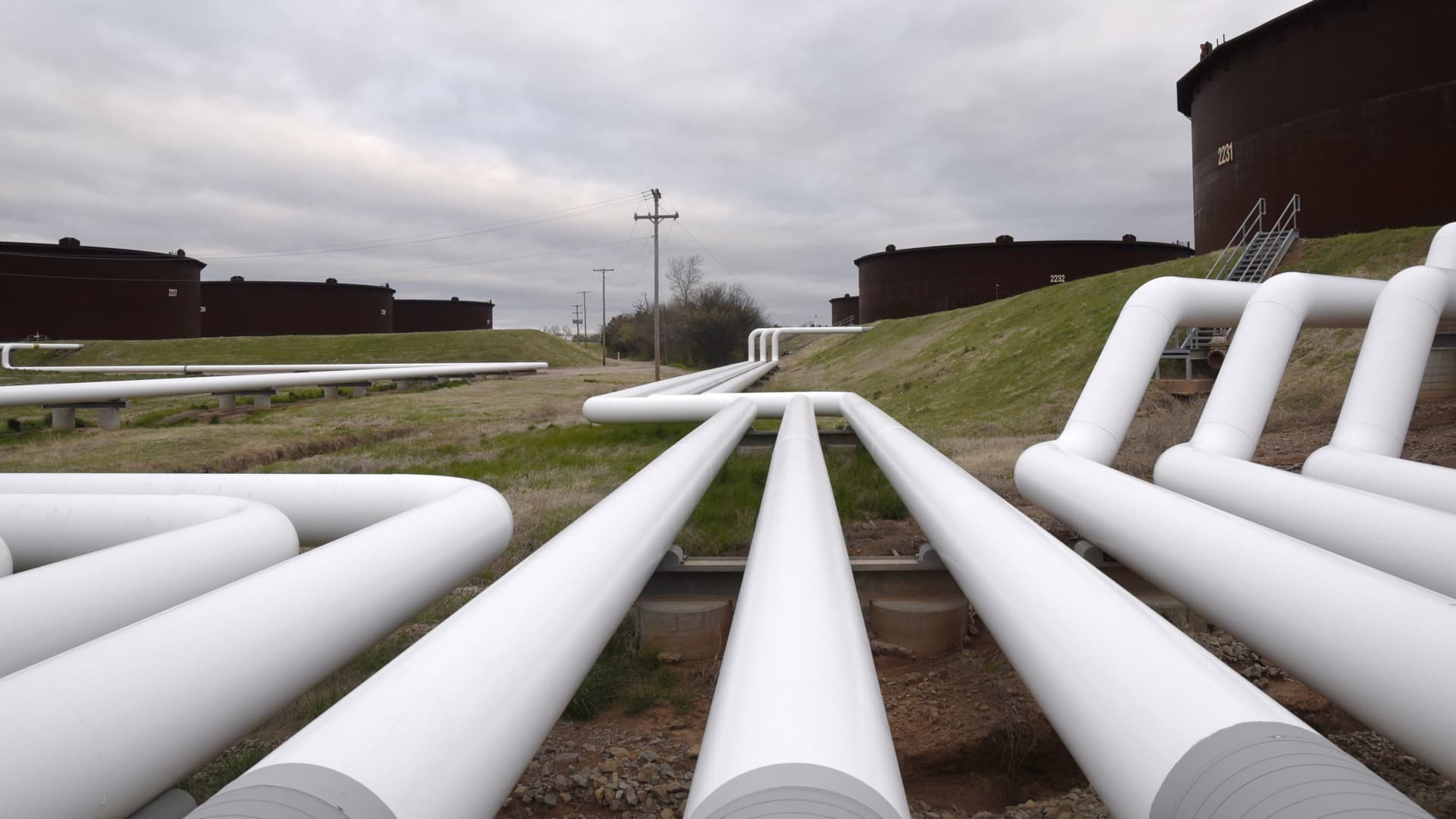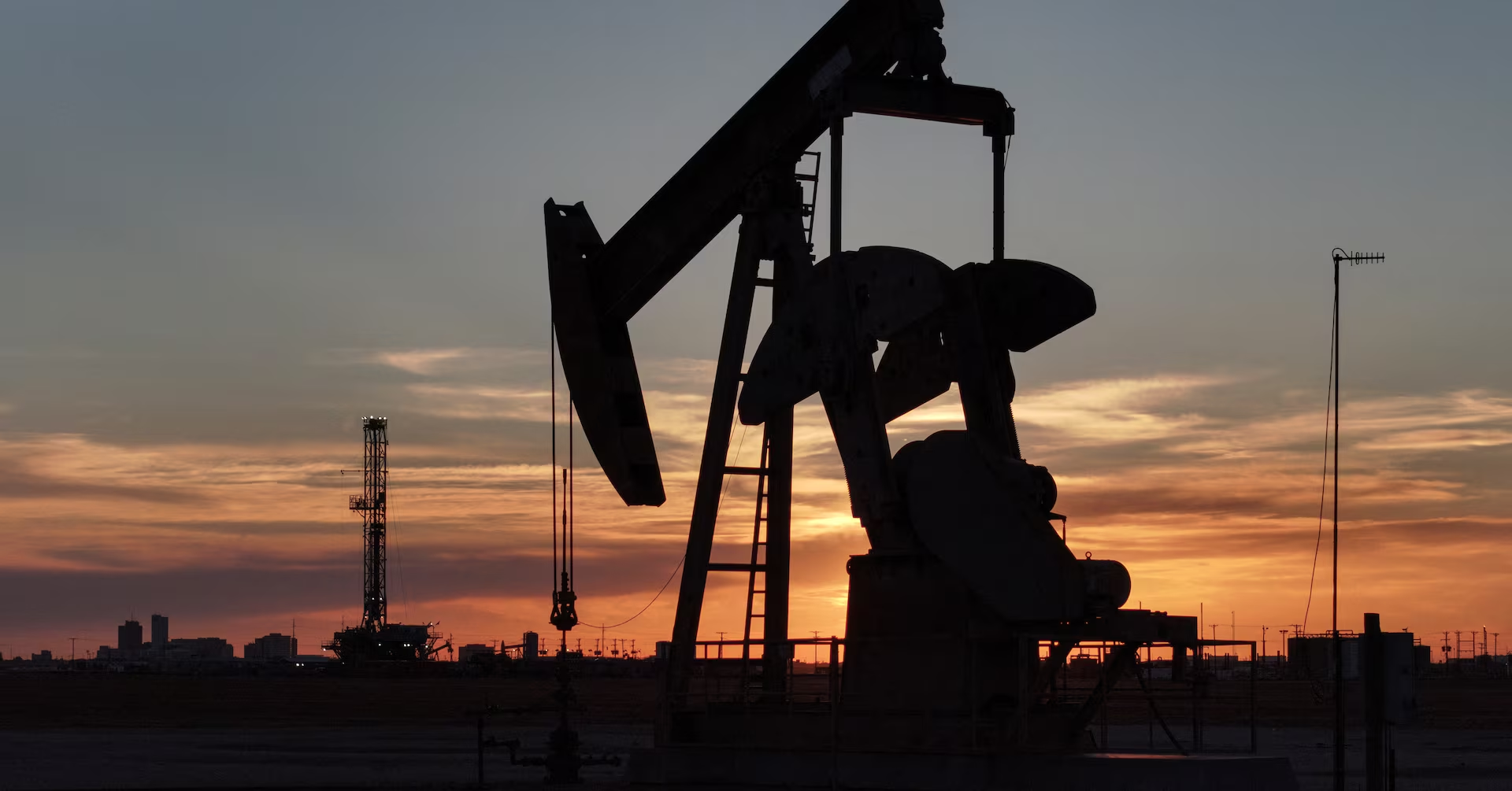
Oil prices increased by about 1.5% after OPEC+ announced a smaller-than-expected production increase of 137,000 barrels per day for November, which helped temper supply concerns. However, analysts predict that near-term gains will be limited due to weak demand prospects in the fourth quarter, partly due to refinery maintenance and seasonal factors, with ongoing geopolitical tensions also influencing the market.
Taiwan Semiconductor Manufacturing (TSM) reported a 5.3% decrease in first-quarter revenue, impacted by smartphone seasonality but partially offset by continued high-performance computing (HPC) demand. The company expects strong demand for its 3-nanometer and 5-nanometer technologies in the second quarter, projecting a 6% sequential revenue increase. TSMC's CEO, C.C. Wei, discussed the impact of an earthquake on operations, highlighted the growing demand for AI-related processors, and provided updates on the company's global manufacturing footprint and the progress of its N2 technology.
Crude oil prices are on the rise due to concerns over tightening supply, with April WTI crude oil futures showing a 0.19% increase for the week, signaling a bullish sentiment in the market. The widening gap between spot prices and near-date futures indicates a strong short-term demand outlook, while the recovery of U.S. refineries, such as BP's Indiana and TotalEnergies’ Port Arthur, is expected to boost demand for crude oil, further enhancing the bullish signal in the market.
Crude oil futures are on track for a weekly gain as tensions in the Middle East overshadow concerns about stubborn inflation in the U.S. and a murky demand outlook. Simmering conflicts between Israel and Lebanon, along with ongoing Gaza offensive, have raised fears of broader regional instability. Despite higher-than-expected inflation data, the market remains focused on geopolitical risks, with speculative traders driving oil prices higher. Divergent forecasts from the International Energy Agency and OPEC regarding global oil demand further contribute to market uncertainty.
Delta's stock fell despite reporting earnings that exceeded expectations, as a positive demand outlook and stable fuel costs failed to lift the carrier's shares.
Despite Saudi Arabia's announcement of a production cut, oil prices fell on Tuesday, indicating that demand outlook is still a major concern. Ben Laidler, eToro global markets strategist, believes that talk of $100 oil is unrealistic, and that the best outcome would be to stabilize the price or manage the decline. Tom Essaye, Sevens Report Research founder, added that Russia is pumping as much oil as possible to fund their war. The voluntary cut by Saudi Arabia is not expected to materially change the price of oil, and oil-related stocks have also declined.
Oil prices fell back on Tuesday after a short-lived rally following Saudi Arabia's decision to cut production by a further 1 million barrels per day. Economic concerns outweighed the impact of further OPEC+ cuts, with U.S. and Chinese manufacturing data disappointing so far this year. However, the driving season has the potential to boost the oil demand outlook. Traders are unconvinced about the importance of any further cuts from OPEC+ as worry about the state of the global economy prevails.
Oil prices have fallen below $70 for West Texas Intermediate and below $74 for Brent due to concerns over the US debt default and uneven reopening in China. Congress needs to agree on a higher debt ceiling as soon as possible, as the state's coffers will run out by June 1st. The market is looking out for potential demand revisions in this month's IEA report. Since the start of the year, oil has lost some 13%, and traders have accumulated the largest short position on the commodity since July 2021.
Oil prices fell below $70 a barrel in New York due to concerns over a potential US recession, leading to a selloff of riskier assets and a potential decrease in fuel demand. Despite OPEC+ production cuts, crude prices have struggled in 2023, with short sellers regaining control and prices potentially overshooting to the downside. The US labor market and financial stability are also causing anxiety, while data from the American Petroleum Institute showed mixed results for supply and demand. Russia has not sustained a drop in crude flows despite its pledge to cut production.