Tag

Archaeomagnetism

All articles tagged with #archaeomagnetism

Weakening Earth's Magnetic Field and Clues from Ancient Crystals

Originally Published 5 months ago — by Live Science

Featured image for Weakening Earth's Magnetic Field and Clues from Ancient Crystals
Source: Live Science

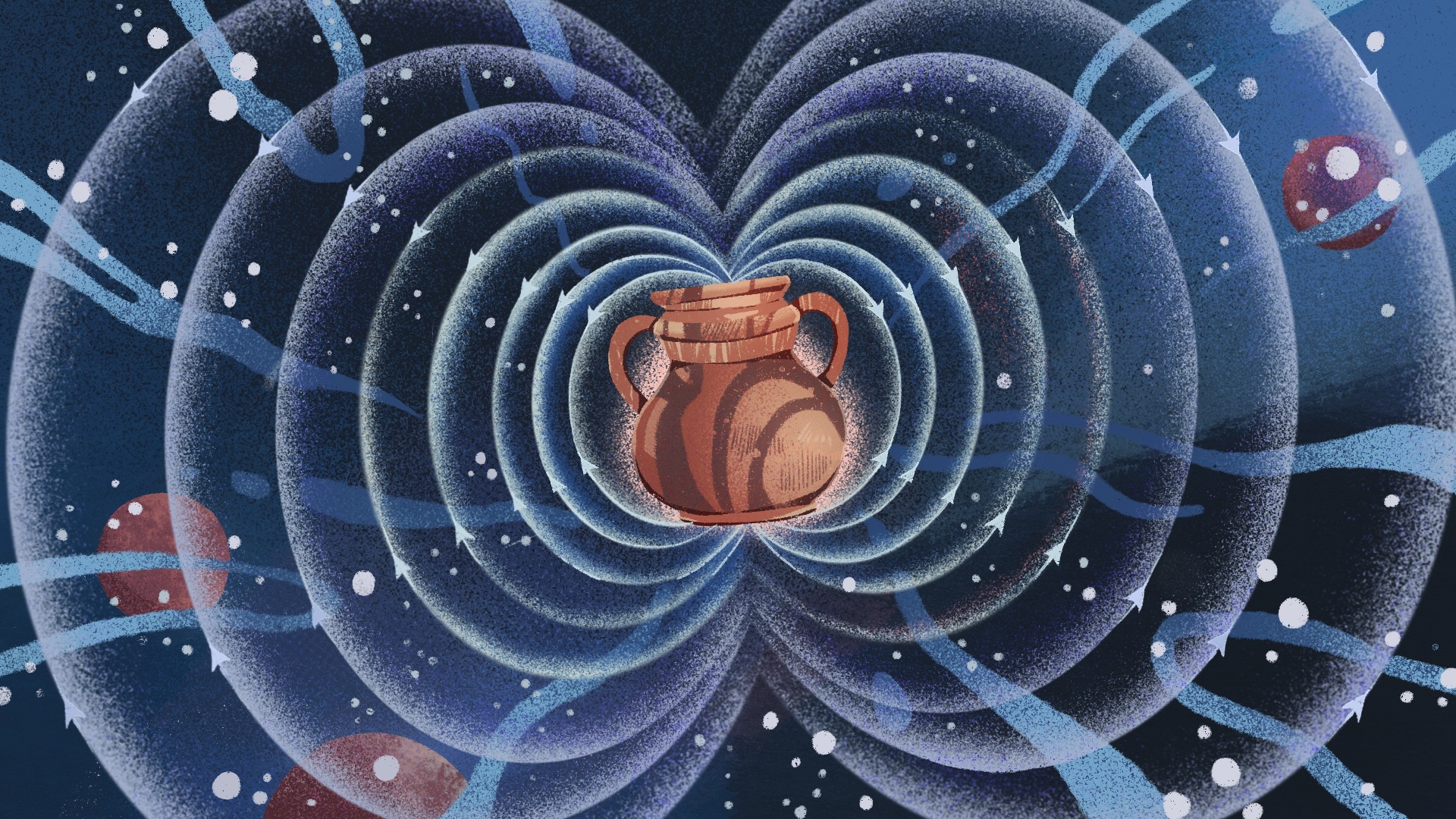
Ancient artifacts containing magnetic minerals reveal past fluctuations in Earth's magnetic field, including a significant anomaly from 3,000 years ago, which could help scientists better understand the current weakening of the magnetic field and its future implications, especially for satellite technology and space radiation protection.

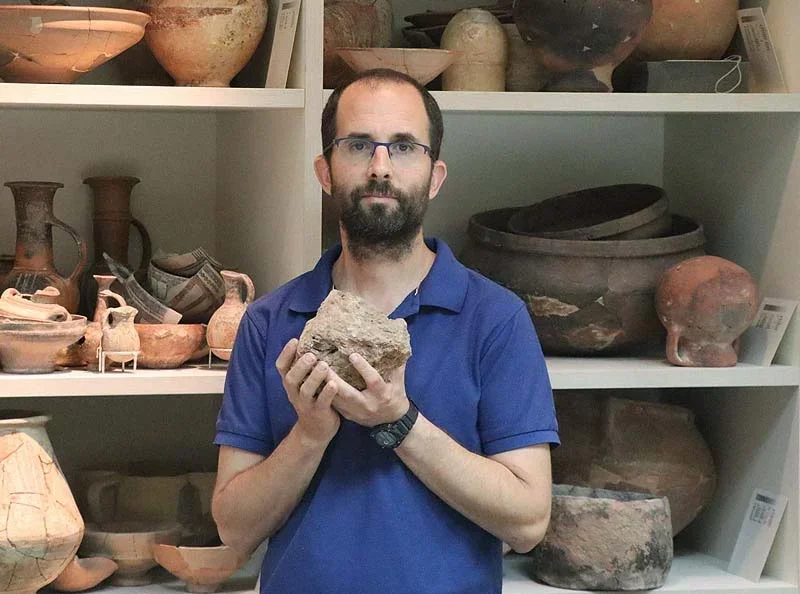
Weakening Earth's Magnetic Field and Clues from Ancient Crystals

Originally Published 5 months ago — by Yahoo Home

Featured image for Weakening Earth's Magnetic Field and Clues from Ancient Crystals
Source: Yahoo Home

Ancient artifacts containing magnetic minerals reveal past fluctuations in Earth's magnetic field, including a significant anomaly from 3,000 years ago, which could help scientists understand the current weakening of the magnetic field and its future implications, such as satellite disruptions and increased radiation exposure.

Scientific Discovery Supports Biblical Ancient Events

Originally Published 7 months ago — by The Brighter Side of News

Featured image for Scientific Discovery Supports Biblical Ancient Events
Source: The Brighter Side of News

Scientists using archaeomagnetism have confirmed and refined timelines of biblical events and ancient conflicts in the Levant, revealing rapid historical and geomagnetic changes, and challenging previous assumptions about the destruction of sites like Judah and the campaigns of King Hazael, while also providing new insights into Earth's magnetic field behavior in antiquity.

"Babylonian Bricks Reveal Clues to Earth's Magnetic Mysteries"

Originally Published 2 years ago — by Forbes

Featured image for "Babylonian Bricks Reveal Clues to Earth's Magnetic Mysteries"
Source: Forbes

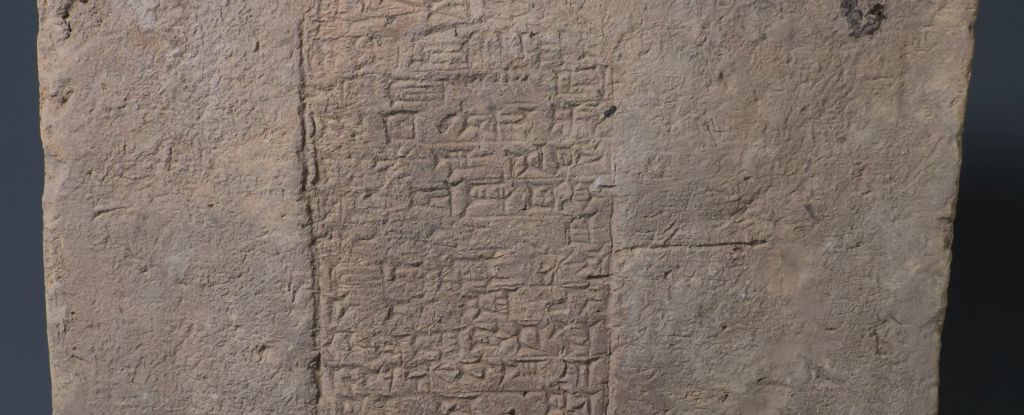
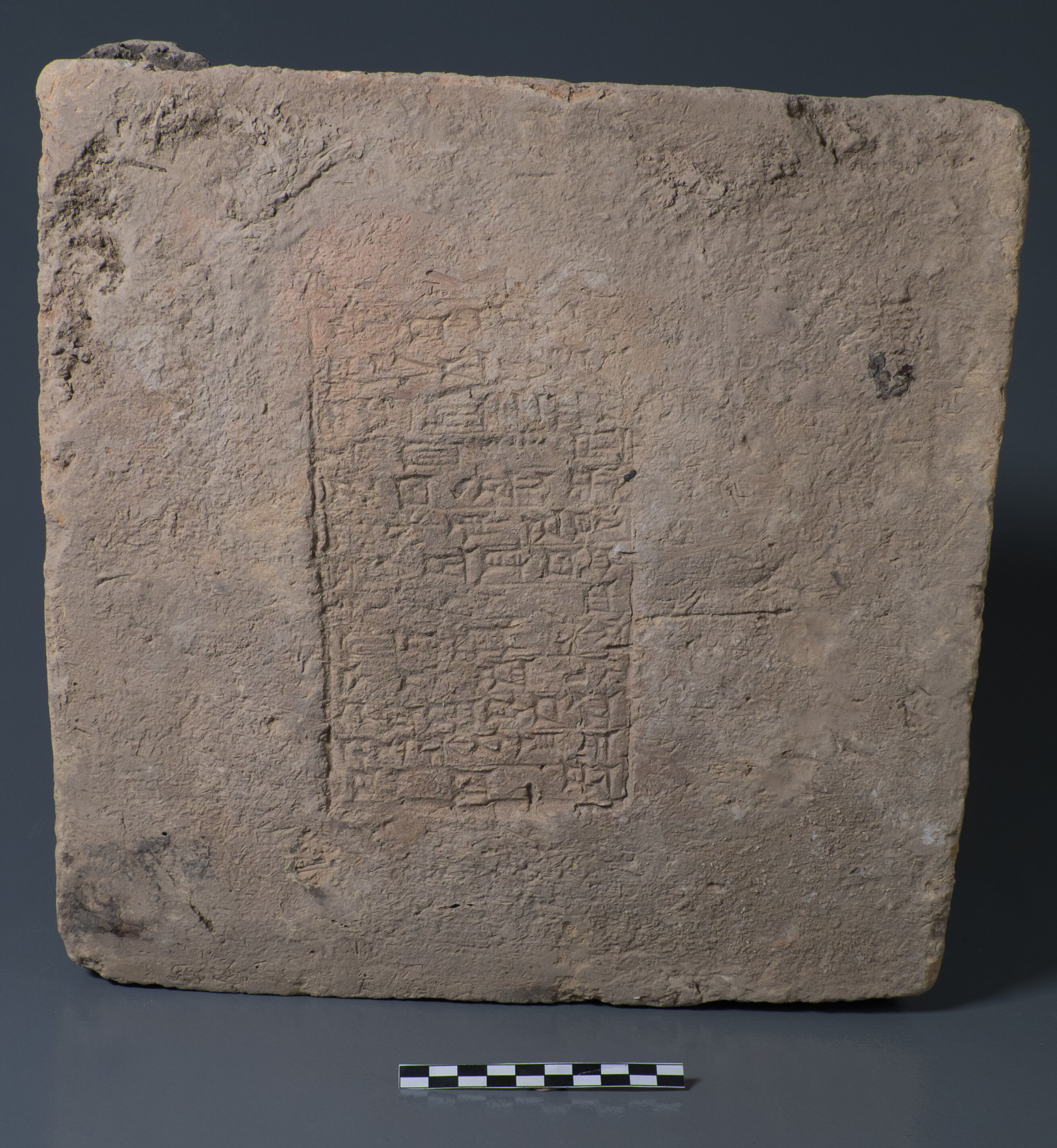
Researchers have used archaeomagnetism to study changes in Earth's magnetic field over the past 3,000 years by analyzing magnetic signatures in ancient clay bricks from Mesopotamia. These bricks, inscribed with the names of kings, have helped to confirm the "Levantine Iron Age geomagnetic Anomaly" and provide a new method for dating artifacts that lack organic material. The study enhances our understanding of Earth's magnetic field fluctuations and offers a new tool for archaeological dating, with implications for recognizing potential shifts in the magnetic field. The research was published in the Proceedings of the National Academy of Sciences (2023).

Unveiling Mesopotamian Bricks' Clues to Ancient Magnetic Anomaly

Originally Published 2 years ago — by ScienceAlert

Featured image for Unveiling Mesopotamian Bricks' Clues to Ancient Magnetic Anomaly
Source: ScienceAlert

Ancient Mesopotamian bricks containing iron oxide grains are providing scientists with valuable insights into changes in Earth's magnetic field. By dating the bricks using a stamped description, researchers can determine the age of the bricks and study the geological records they contain. This method allows for a better understanding of how the planet's magnetic field has evolved over time, which could aid in predicting its future behavior. The study also confirmed the existence of the Levantine Iron Age geomagnetic anomaly and revealed short, dramatic fluctuations during the reign of Nebuchadnezzar II.

Unveiling Mesopotamian Bricks: Clues to Earth's Ancient Magnetic Anomaly

Originally Published 2 years ago — by Phys.org

Featured image for Unveiling Mesopotamian Bricks: Clues to Earth's Ancient Magnetic Anomaly
Source: Phys.org

Ancient Mesopotamian bricks inscribed with the names of kings have provided valuable insights into changes in Earth's magnetic field 3,000 years ago. By analyzing the magnetic signatures imprinted on iron oxide grains within the bricks, researchers were able to reconstruct the historical map of the Earth's magnetic field. This technique, known as archaeomagnetism, offers a new tool for dating artifacts that previously couldn't be dated accurately. The study also confirmed the existence of the "Levantine Iron Age geomagnetic Anomaly" and helped pinpoint the reigns of ancient kings. Additionally, the research suggests that rapid spikes in the Earth's magnetic field intensity are possible.