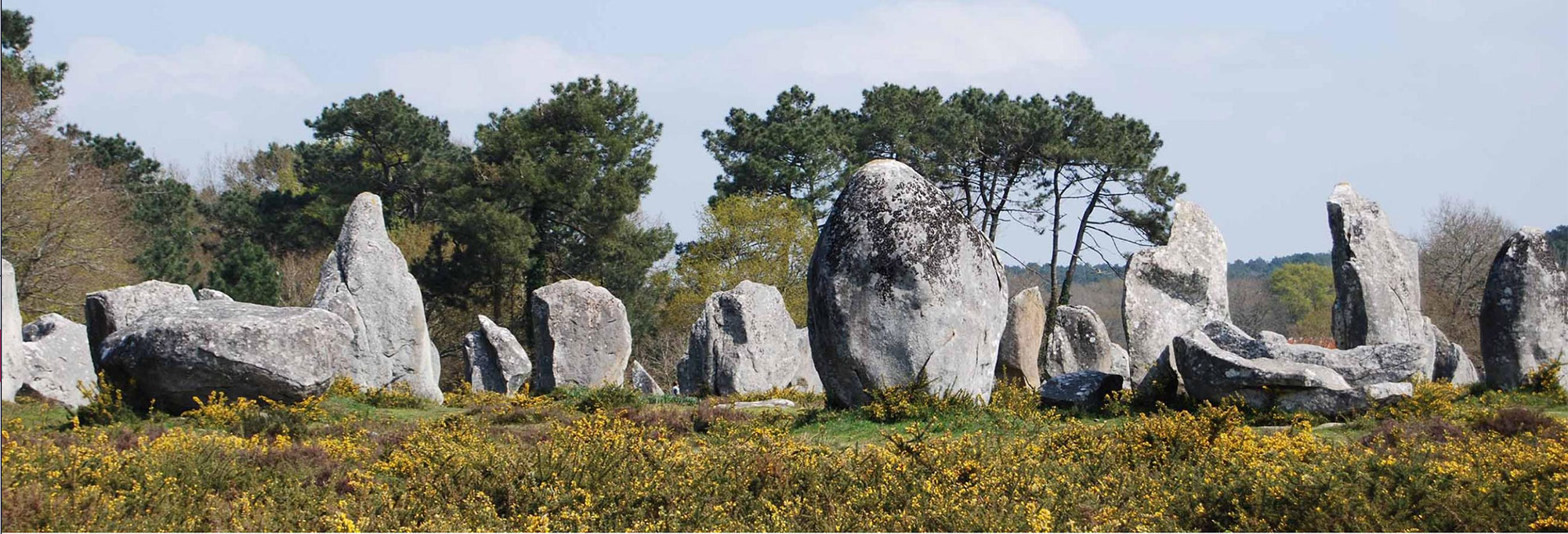
New research indicates that the megalithic stone monuments in Carnac, France, are among the oldest in Europe, dating back to around 4600-4300 BC, and may be the first such stone alignments ever built.
Recent archaeological research using advanced radiocarbon dating has confirmed that the Carnac megaliths in France are among Europe's oldest, dating back to 4600-4300 BCE, shedding new light on early human culture and the development of megalithic structures in Europe.
A recent study dating the Carnac stone alignments in Brittany, France, to around 4600 BCE reveals it as Europe's oldest megalithic site, predating other famous monuments and suggesting a complex, possibly ritualistic, landscape with early funerary architecture and communal fire features.
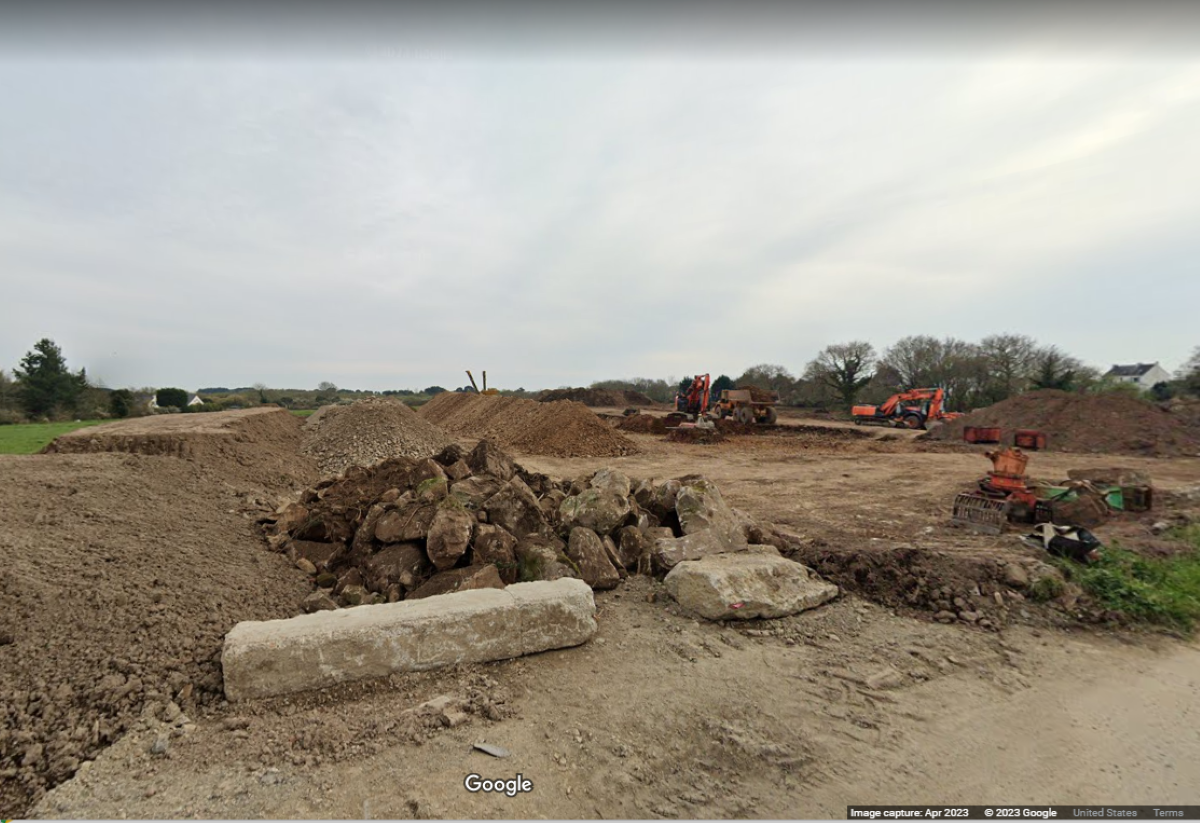
A French hardware superstore has destroyed 39 ancient standing stones, dating back at least 7,000 years, to make way for its construction. The stones were located on the edges of the prehistoric attraction Carnac, often described as "French Stonehenge," which is famous for its sprawling fields of stone megaliths. The purpose of the megaliths is still unknown, but they are believed to have had some religious or farming significance. The megaliths were submitted to the tentative list of UNESCO World Heritage Sites, but the application has not yet been accepted. The destruction has caused controversy and anger on social media.
Around 40 standing stones believed to have been erected by prehistoric humans 7,000 years ago have been destroyed near a famous archaeological site in northwest France to make way for a DIY store, angering local historians. The stones in Carnac were between 50-100 centimetres high and stood close to the main highly protected areas of one of Europe's largest and most mysterious pre-historic tourist attractions. The land was granted a building permit from the local mayor's office in August last year and DIY chain Mr. Bricolage is currently building a new store there.