Tag

Mammoth Dna

All articles tagged with #mammoth dna

food-technology2 years ago

"Startup creates mammoth meatball using extinct animal DNA"

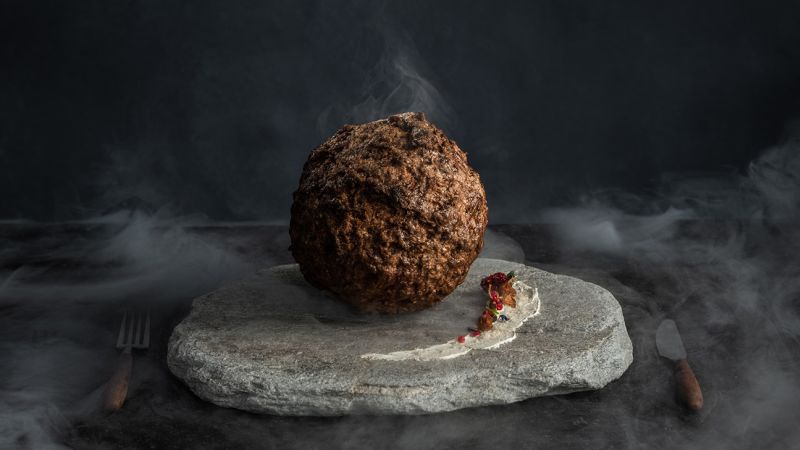
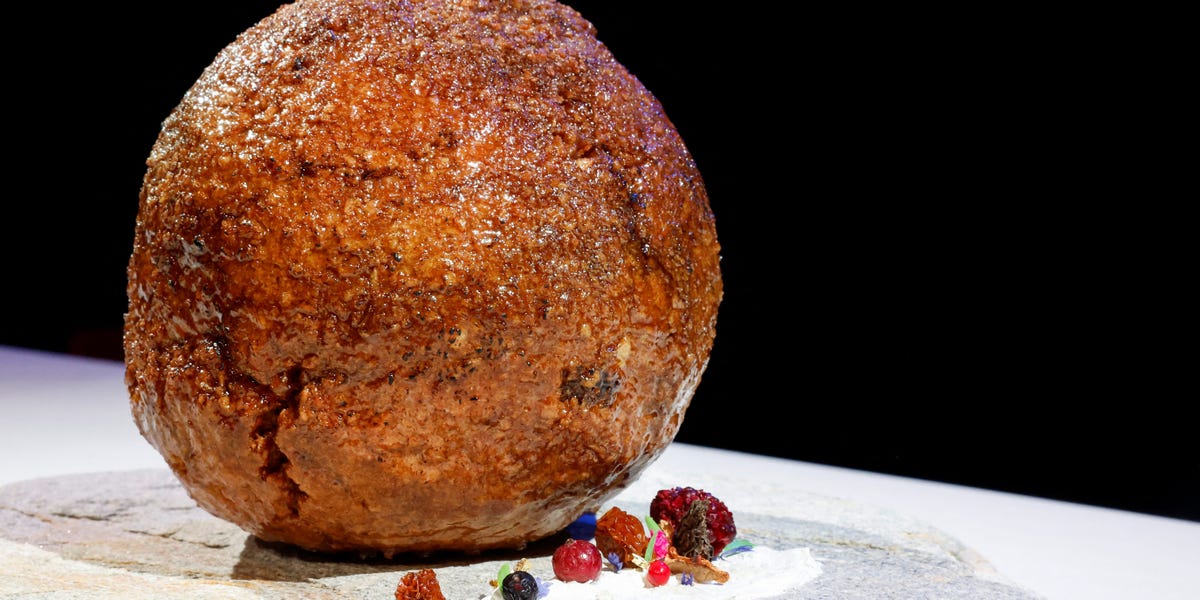
Australian cultured meat firm Vow has created a giant meatball made with woolly mammoth DNA and lab-made lamb to raise awareness of meat alternatives. However, no one has tasted it due to concerns around potential allergies to the 5,000-year-old protein. The meatball is intended to challenge the public and the meat industry to think differently about how we produce and consume food, highlighting cultured meat as a viable alternative to traditional animal agriculture.
science-and-technology2 years ago

"Food firm unveils giant meatball made with extinct mammoth DNA"

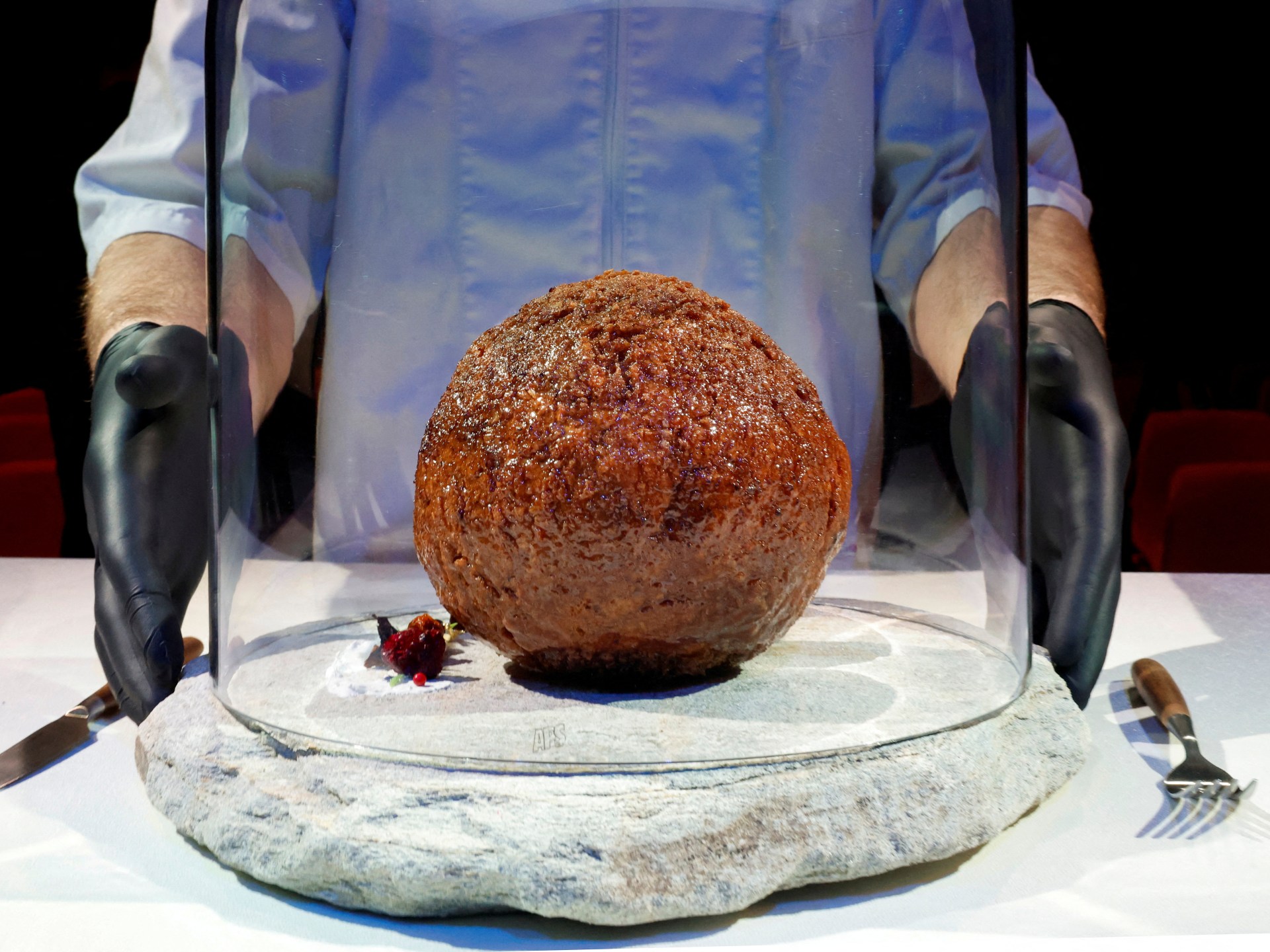
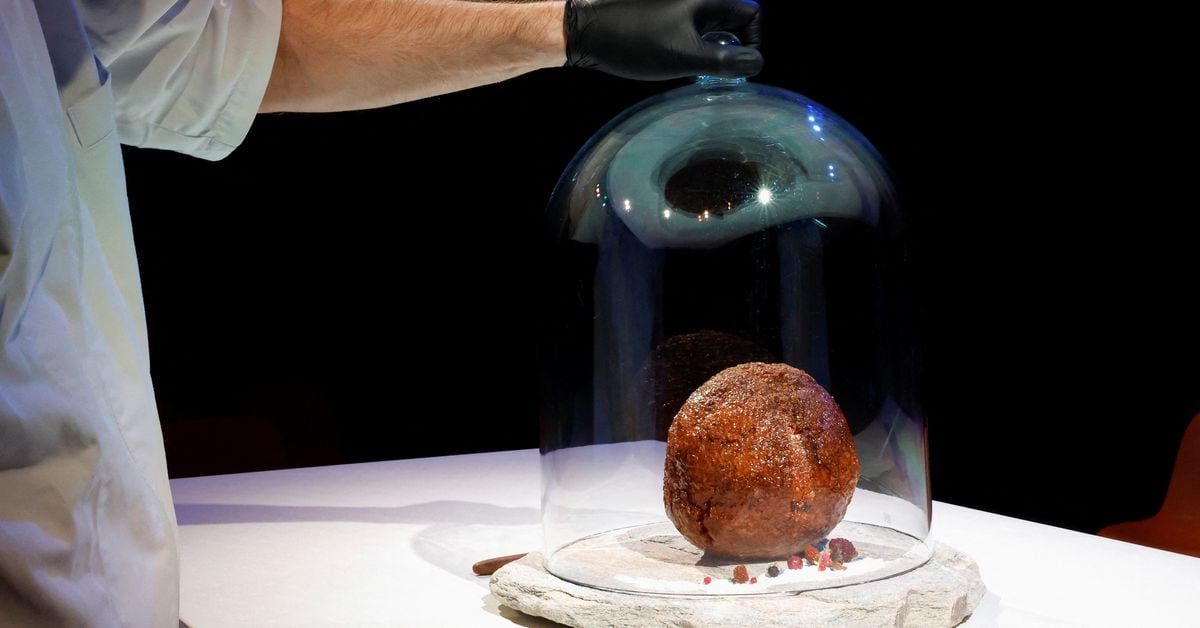
Australian cultured meat company Vow has unveiled a giant meatball made from flesh cultivated using the DNA of an extinct woolly mammoth at a science museum in the Netherlands. The meatball was made of sheep cells inserted with a singular mammoth gene called myoglobin, and African elephant DNA was inserted to complete it. Vow said it wanted to get people talking about cultured meat, calling it a more sustainable alternative to real meat. The meatball is currently not for consumption and will undergo rigorous testing.

science-and-technology2 years ago

"Startup creates mammoth meatball using DNA technology"

Australian cultured meat company Vow has unveiled a giant meatball made from flesh cultivated using the DNA of an extinct woolly mammoth at Nemo Science Museum in the Netherlands. The meatball was made of sheep cells inserted with a singular mammoth gene called myoglobin. Vow hopes to put cultured meat on the map in the European Union, a market where such meat as food is not regulated yet.

science-and-technology2 years ago

Australian food startup creates mammoth DNA meatballs.

Australian startup Vow has created a meatball made with a tiny amount of mammoth DNA, as a publicity stunt to draw attention to the potential of cultured meat to make eating habits more planet-friendly. The meatballs are not intended for human consumption, and are more like lab-made lamb mingled with mammoth DNA. The scientists used a protein present in mammals called myoglobin to identify the DNA sequence for the mammoth version in a publicly available genome database. The team was eventually able to produce about 400 grams of mammoth meat.