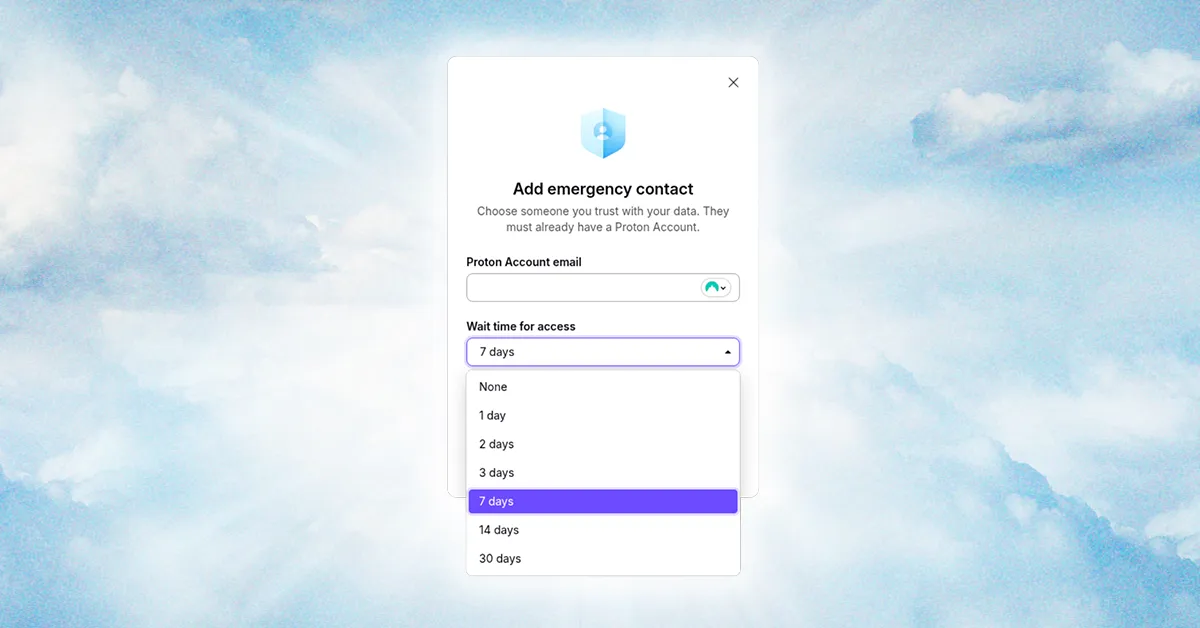
The article discusses the importance of planning for digital legacy and how password managers with emergency access features, like Proton Pass, can help securely transfer online account access to trusted contacts after death or incapacitation, highlighting legal considerations and best practices.
After his mother's death, Jeff Fargo used ChatGPT to craft an obituary, highlighting how AI tools are increasingly being used to create digital legacies and memorials for the deceased.
The article discusses the emerging use of AI to create digital replicas of deceased loved ones, the legal and ethical challenges involved, and the potential for including 'no AI resurrection' clauses in wills. Experts suggest that current laws are insufficient to prevent unauthorized AI recreations, and propose rights to data deletion as a possible solution. The trend raises questions about privacy, consent, and the emotional impact on the living, with future legal and societal norms likely to evolve.
CU Boulder's student-run Digital Legacy Clinic offers free support to help individuals plan for managing their online assets after death, including creating digital estate plans, securing accounts, and guiding families through digital asset recovery, addressing a growing need as online footprints expand.
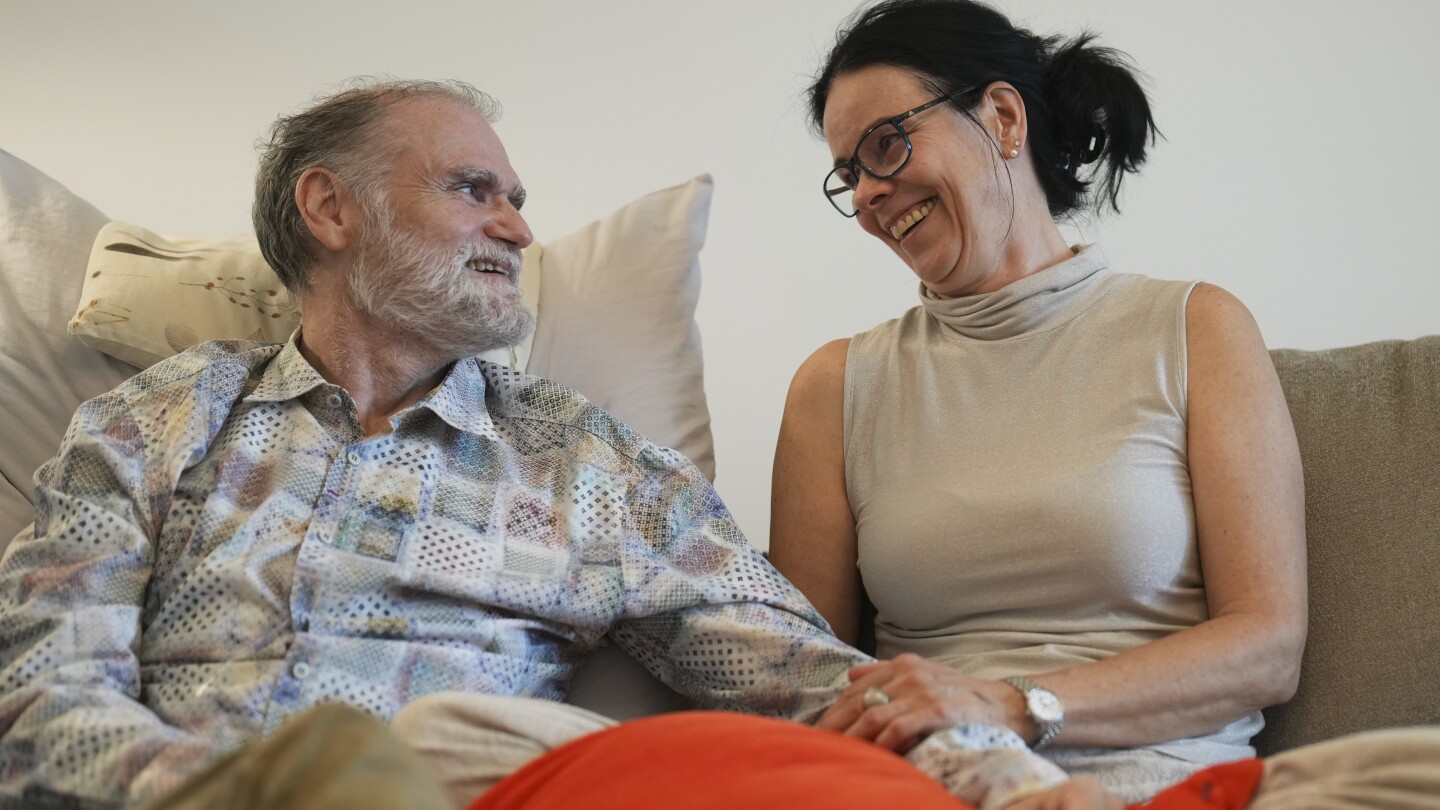
Terminally ill Michael Bommer has created an AI version of himself to help his family cope with his impending death, sparking debate over the ethical implications and emotional impact of using AI to simulate interactions with deceased loved ones. This emerging technology, offered by companies like Eternos and StoryFile, raises questions about the long-term effects on grieving and the commercialization of digital immortality.
When a person dies, accessing their iPhone and retrieving personal data can be challenging. Apple allows for the removal of Activation Lock from devices linked to a deceased family member's Apple ID, but this automatically restores the device to factory settings. To overcome this, Apple now offers the option to add a "Legacy Contact" for the Apple ID, allowing trusted individuals to access the data after the user's death. The legacy contact must provide a death certificate and unique access key to request Apple to hand over the data. Alternatively, family members can request Apple to delete the Apple ID and all personal data by providing legal documents.
The use of generative AI to create convincing replicas of dead loved ones raises concerns about the burden it places on the living. Maintaining automated systems and digital legacies requires significant labor, from managing passwords and account information to navigating decaying smart homes. Devices, formats, and websites also decay over time, making the idea of perpetuity unrealistic. The financial and environmental costs of sustaining AI replicas are high, and the question of who has the authority to create these replicas is contentious. Additionally, the power dynamics and labor behind digital production highlight the psychological costs for those left to care for these creations indefinitely.