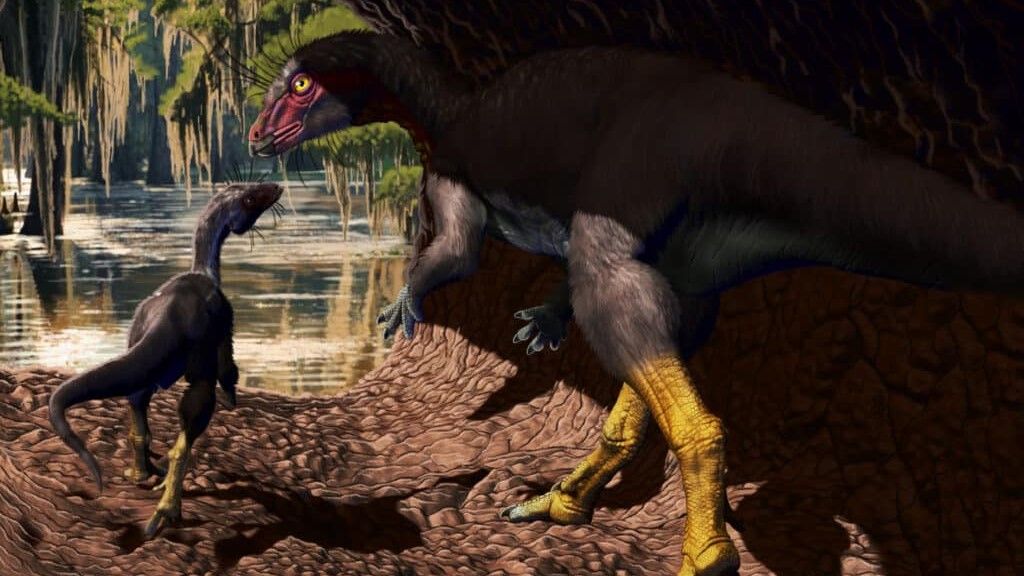
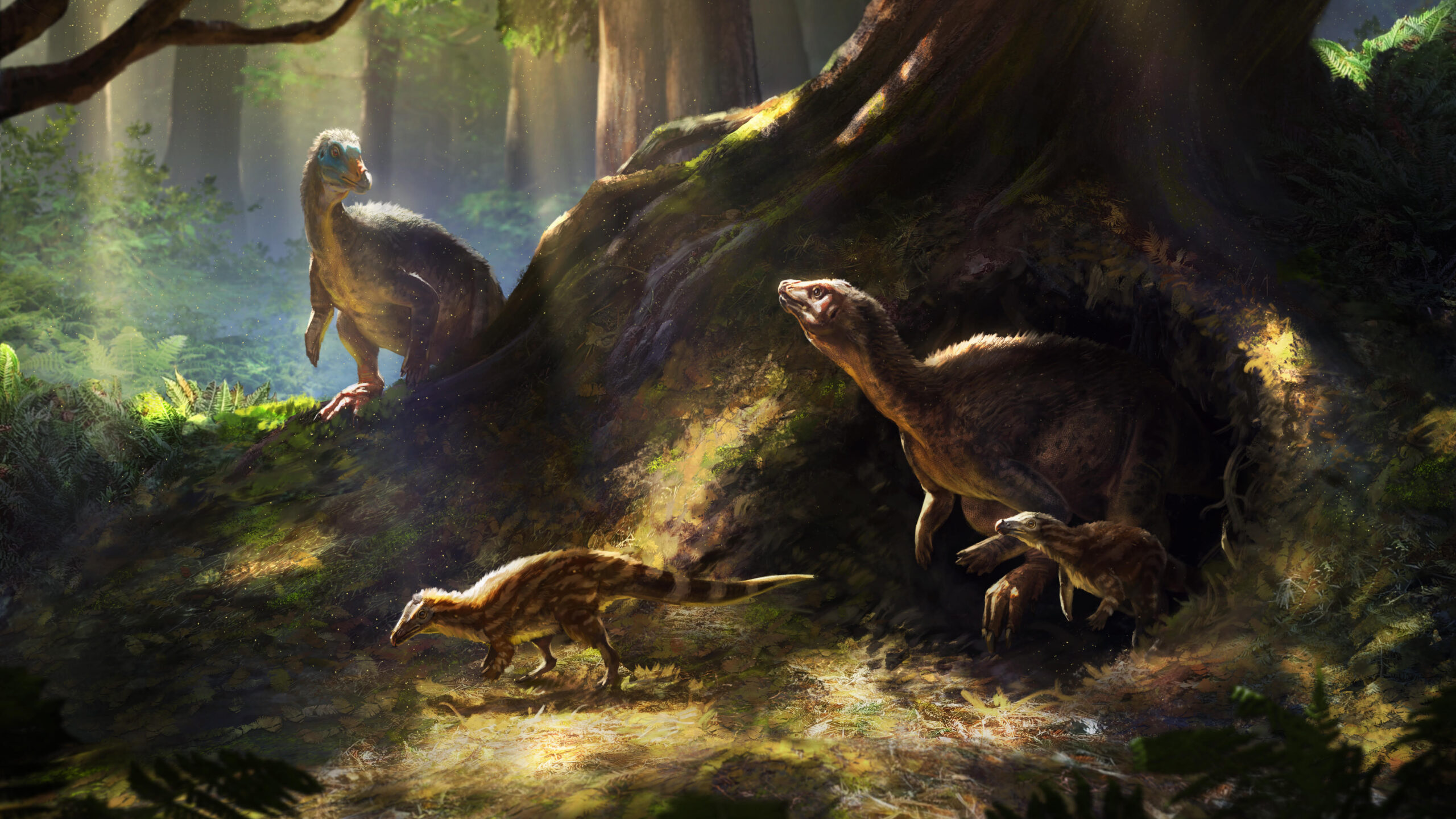
Researchers have discovered a new species of dog-sized dinosaur, Fona herzogae, in Utah, which appears to have been crushed to death in a burrow collapse. The fossils, dating back 99 million years, suggest these dinosaurs had a burrowing lifestyle, similar to modern-day burrowing mammals. The discovery highlights the adaptability of dinosaurs to various ecological niches.
A CT scan of the skull of a Thescelosaurus neglectus dinosaur named Willo has revealed that despite its small brain, it possessed unique sensory traits associated with animals that spend time underground, such as a heightened sense of smell and exceptional balance. The dinosaur had limited hearing abilities but compensated with a well-developed sense of smell. These findings suggest that T. neglectus may have engaged in burrowing behaviors or lived underground, similar to its ancestors. The research provides insight into the sensory abilities and potential lifestyles of dinosaurs, expanding our understanding of their ecological adaptations.