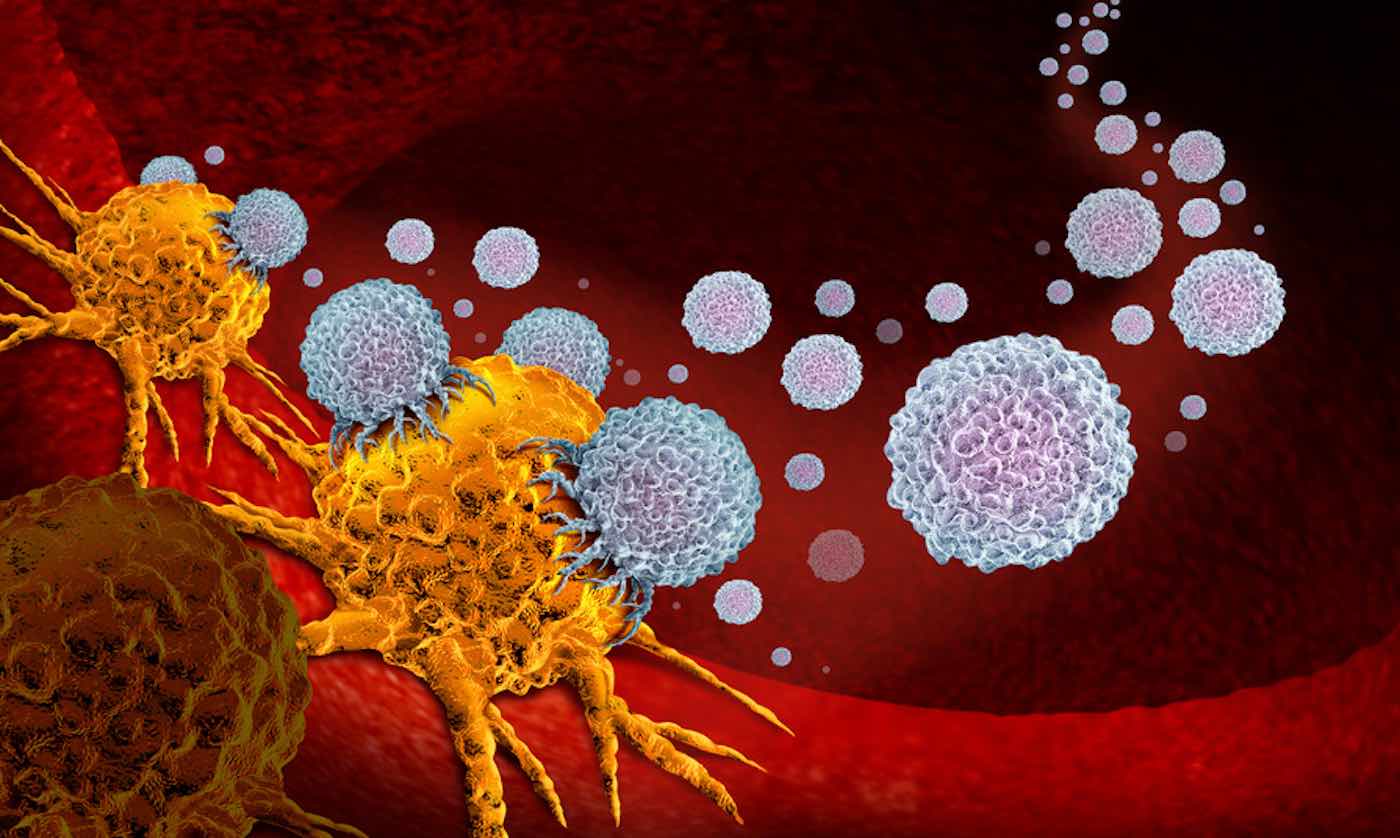
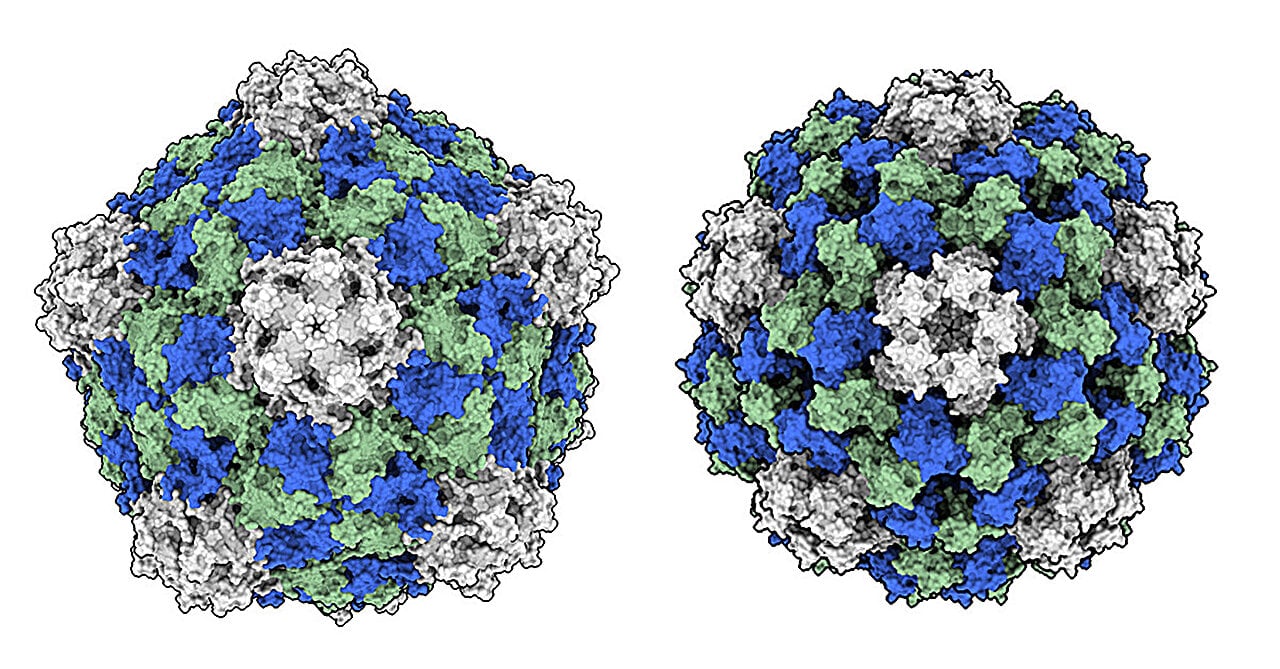
Researchers at UC San Diego have developed a promising low-cost cancer immunotherapy using the cowpea mosaic virus (CPMV), which activates the immune system to attack tumors in preclinical studies, with plans to advance to clinical trials.
A plant virus called CPMV, found in black-eyed peas, shows promise as a cancer treatment by triggering the immune system to recognize and attack tumors, with potential for scalable, plant-based production and long-term immunity. Researchers are working towards clinical trials to further develop this innovative therapy.
Researchers have discovered that the cowpea mosaic virus (CPMV), a plant virus, can activate the immune system to target and destroy cancer cells, showing promise as a low-cost cancer treatment. CPMV stimulates immune responses and long-lasting anti-tumor memory, with ongoing efforts to advance it to clinical trials.
Researchers at UC San Diego have discovered that the cowpea mosaic virus (CPMV), a plant virus, can activate the immune system to effectively target and destroy cancer cells, showing promise as a low-cost cancer immunotherapy. CPMV stimulates anti-tumor immune responses by inducing interferons and activating immune pathways, and can be produced sustainably in plants, paving the way for clinical trials.