"JWST Uncovers Unbelievably Tiny Brown Dwarf Defying Explanation"
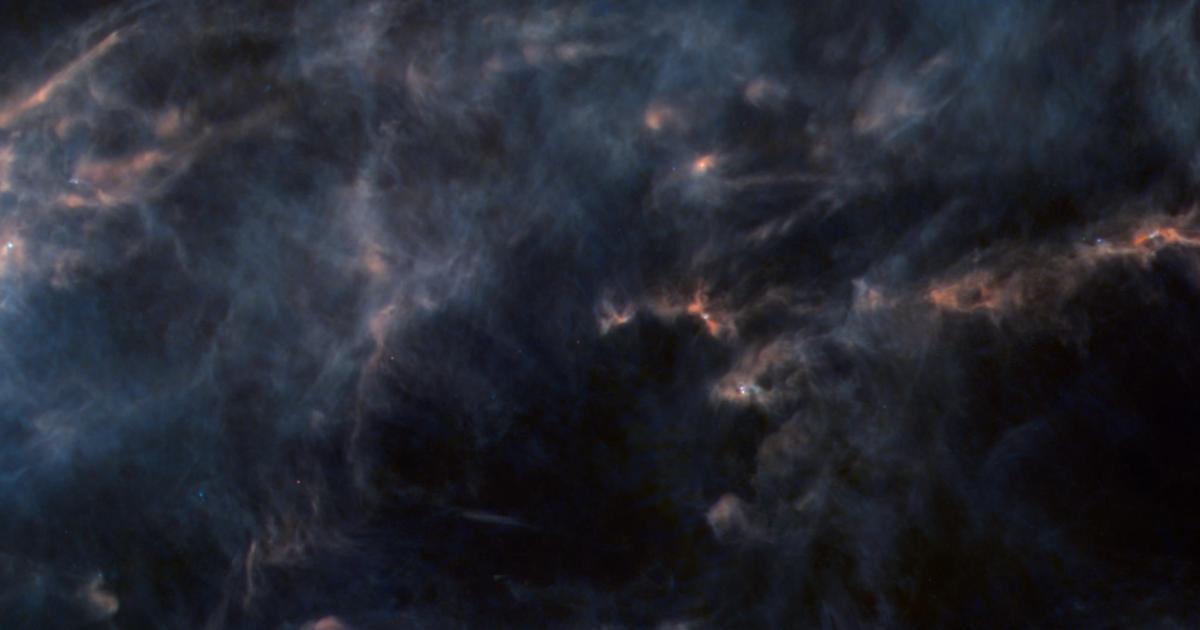
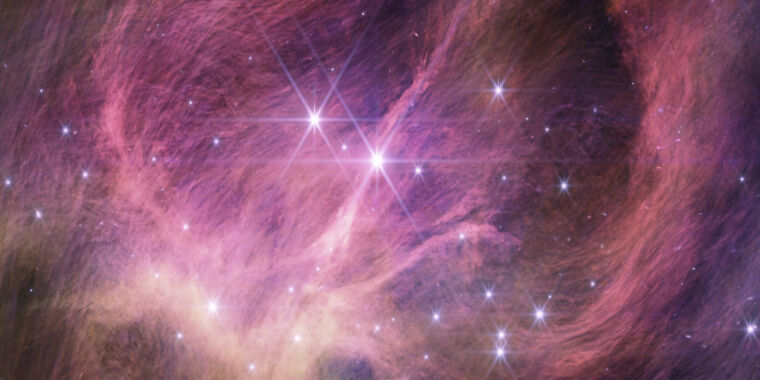
Astronomers using the James Webb Space Telescope have studied a star cluster in the constellation Perseus to determine the smallest possible size for a star. The cluster, IC 348, was chosen because it is young and likely to have new brown dwarfs, which emit light from the fusion of deuterium. Using Webb and ground-based telescopes, astronomers identified three targets weighing between three to eight times Jupiter, with surface temperatures ranging from 830° to 1,500° degrees Celsius. The study of these small brown dwarfs has raised questions about their formation and the discovery of mysterious hydrocarbons.