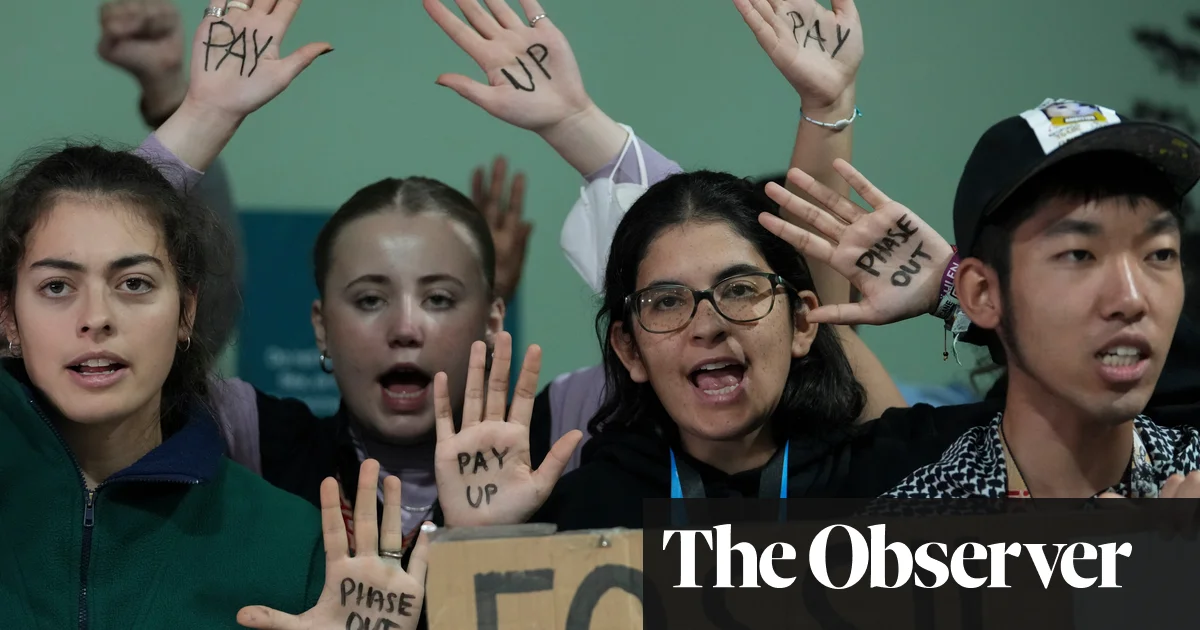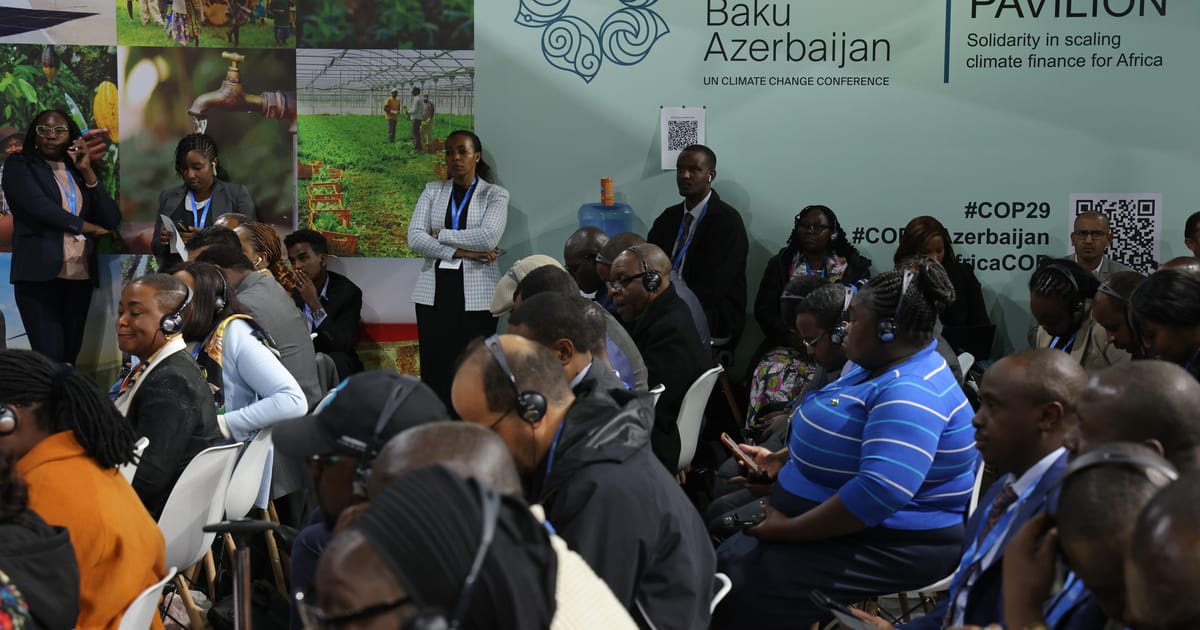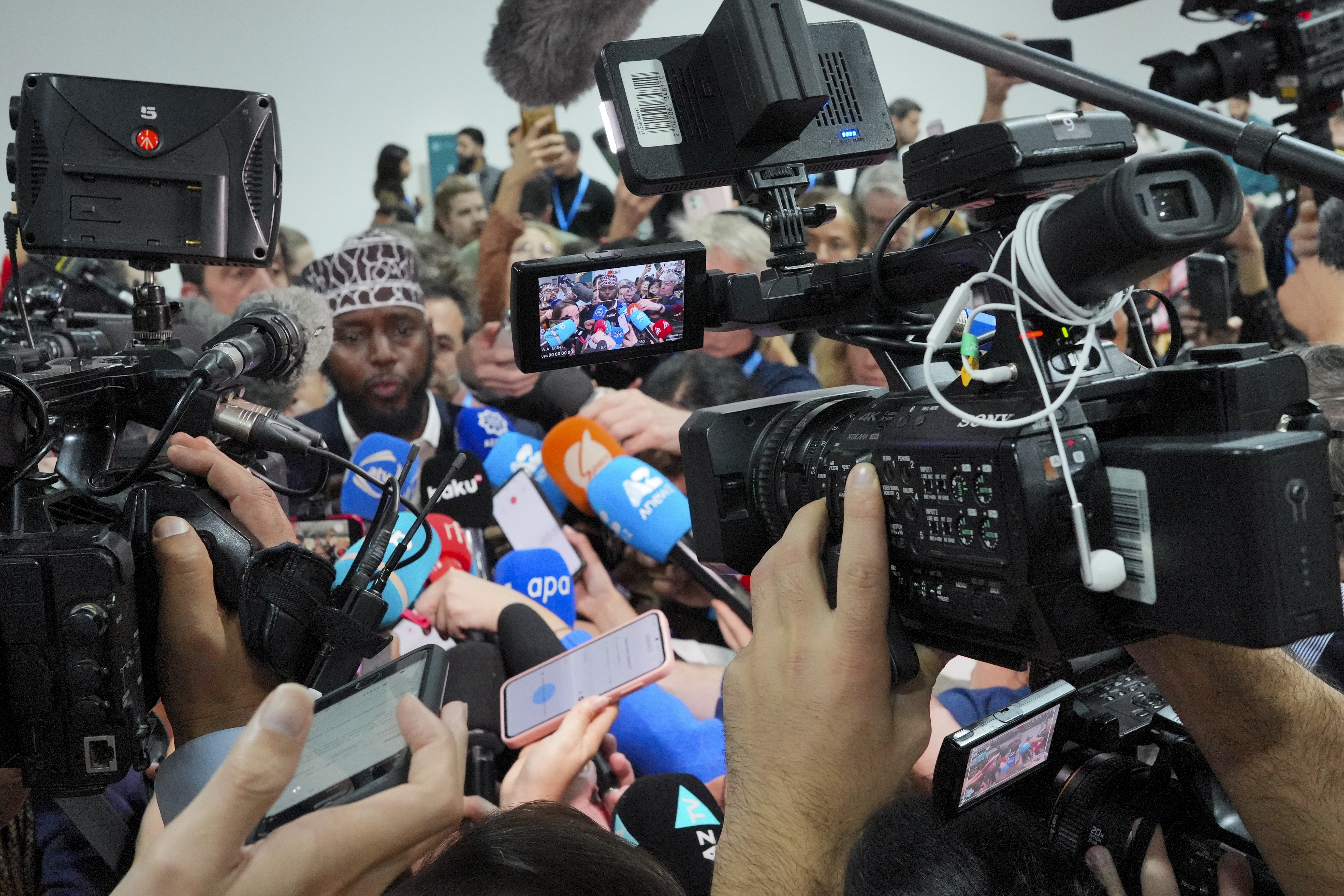
The COP29 climate summit in Baku concluded with a contentious agreement for developed nations to provide at least $300 billion annually by 2035 to help poorer countries transition from fossil fuels. The deal, criticized as insufficient by developing nations, reflects geopolitical tensions and the looming return of Donald Trump to the U.S. presidency. The agreement also includes rules for global carbon markets and involves contributions from emerging economies like China. Despite the funding shortfall, the deal marks a step towards addressing climate finance needs.
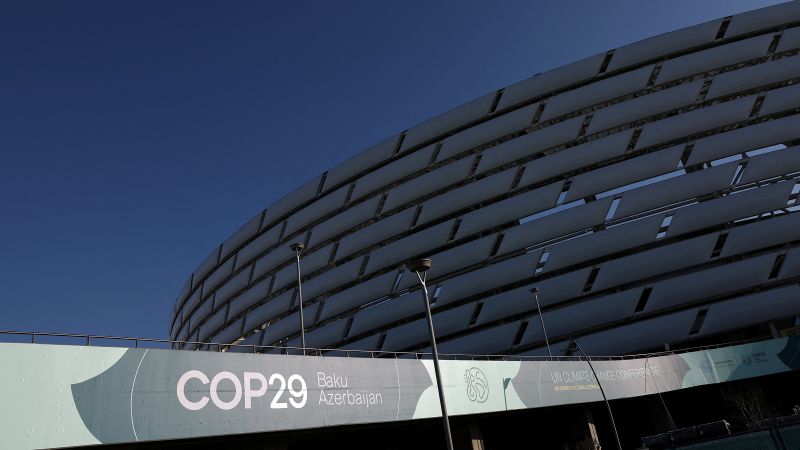
At COP29 in Baku, Azerbaijan, nearly 200 countries agreed on a climate deal where wealthy nations will provide $300 billion annually by 2035 to help poorer countries cope with climate impacts. Despite the agreement, many developing nations criticized the amount as insufficient compared to the $1.3 trillion needed. The summit faced challenges, including boycotts and fossil fuel interests, and was marked by tensions over financial commitments and geopolitical dynamics.
The COP29 climate talks in Baku extended past their deadline as developed and developing countries clashed over funding a proposed $1 trillion climate fund. Rich nations offered $300 billion annually, far short of the $1.3 trillion needed, with developing countries demanding more grants and low-interest loans to avoid debt. Tensions rose with accusations of obstruction by fossil fuel interests and criticism of the host country, Azerbaijan. Despite challenges, there was hope for a deal prioritizing vulnerable communities' needs.
Developing countries are demanding significantly more climate funding than what the European Union is currently proposing, highlighting a major point of contention at the COP29 climate summit. These nations argue that the EU's financial commitments are insufficient to address the climate challenges they face, emphasizing the need for increased support to meet global climate goals.