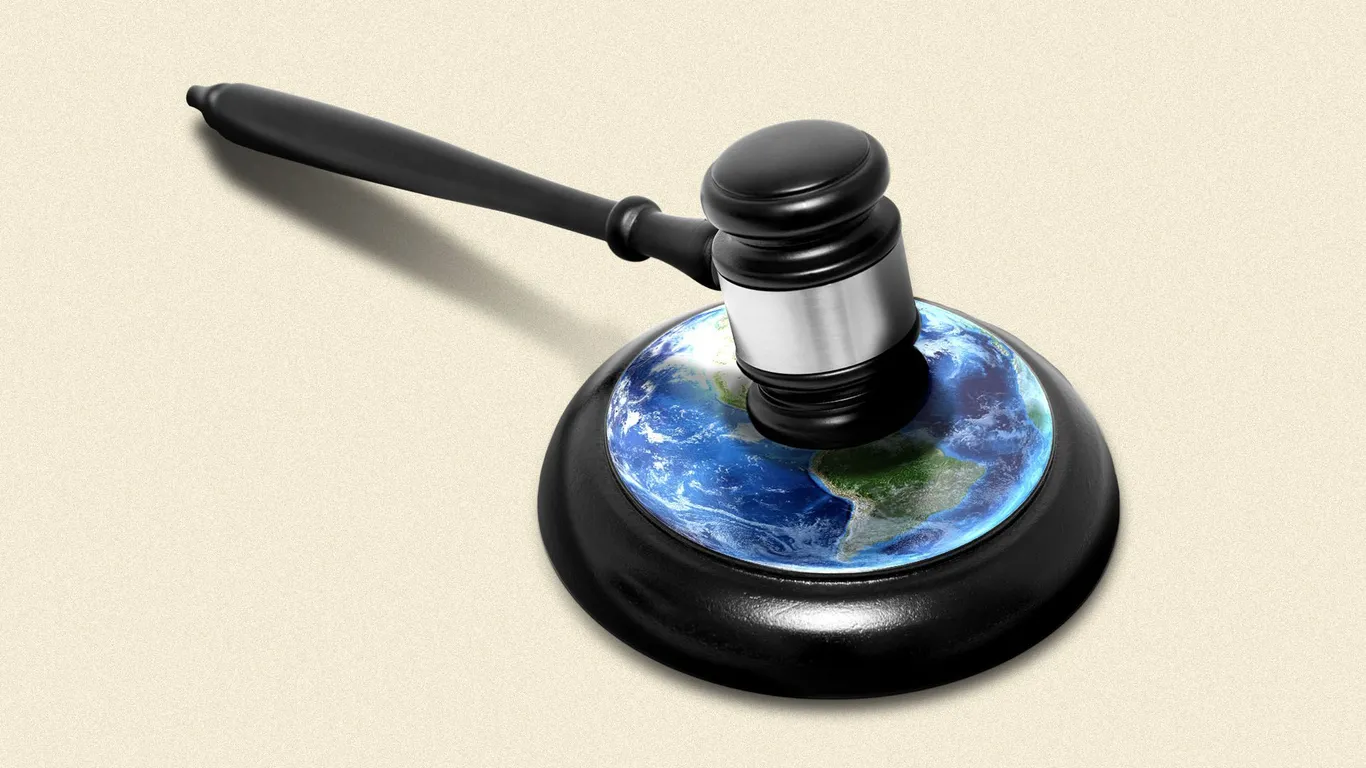
The International Court of Justice (ICJ) hearings on climate change obligations have highlighted dissatisfaction with the COP29 climate finance agreement, which many developing nations find inadequate. Led by Vanuatu, these countries seek to hold major greenhouse gas emitters accountable through the ICJ's advisory opinion, which, although nonbinding, could influence international law and corporate policies more than COP agreements. The case focuses on countries' legal obligations to combat climate change, with debates on whether broader international laws, including human rights, should be considered. The hearings continue, with significant contributions expected from various nations.
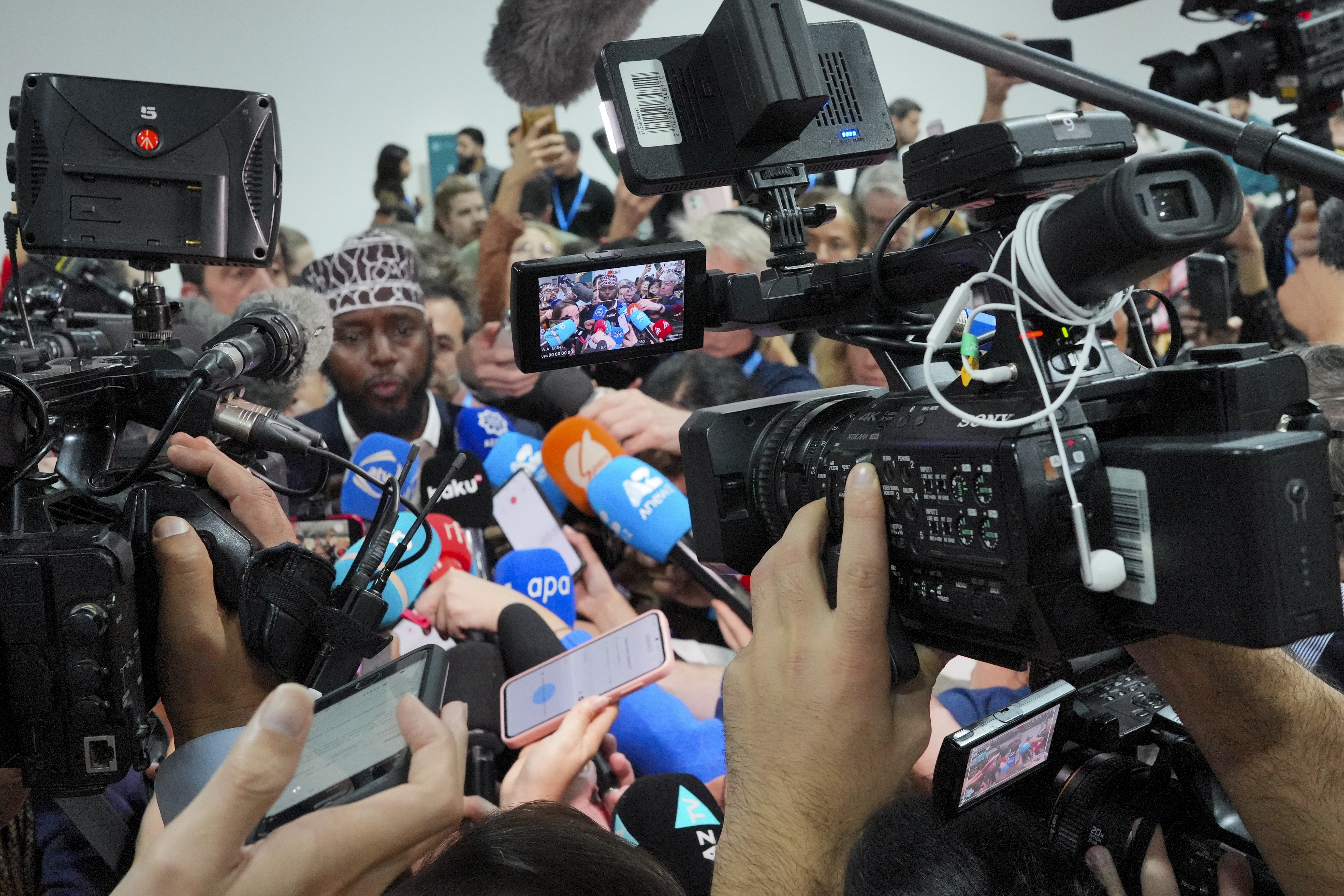
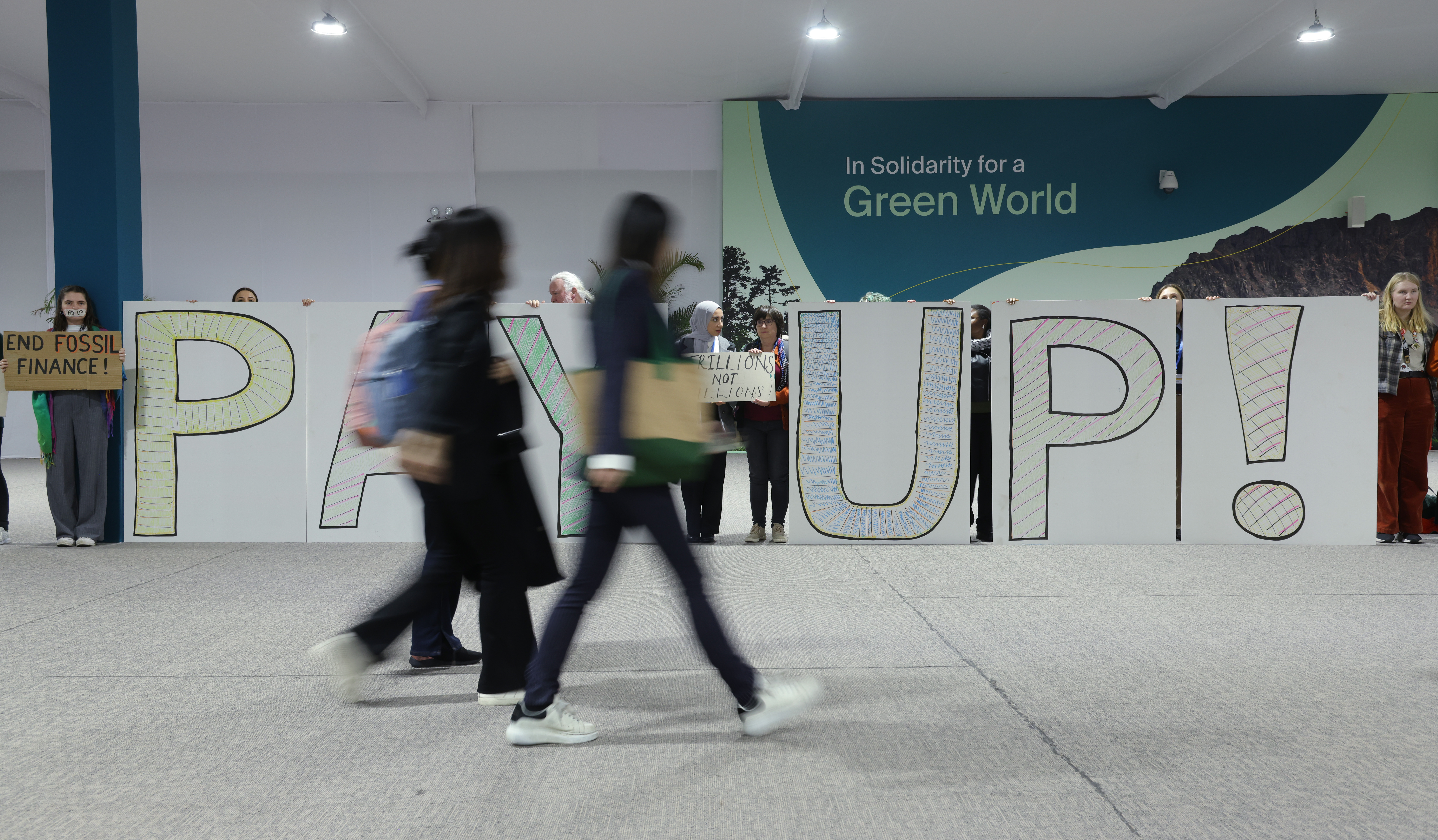
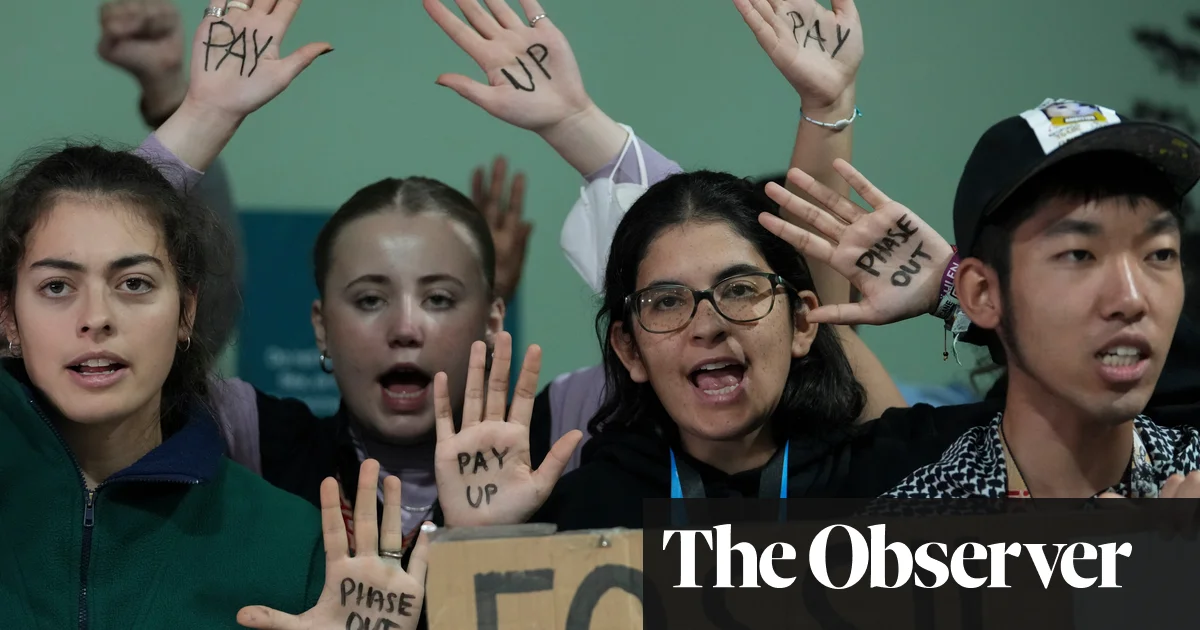
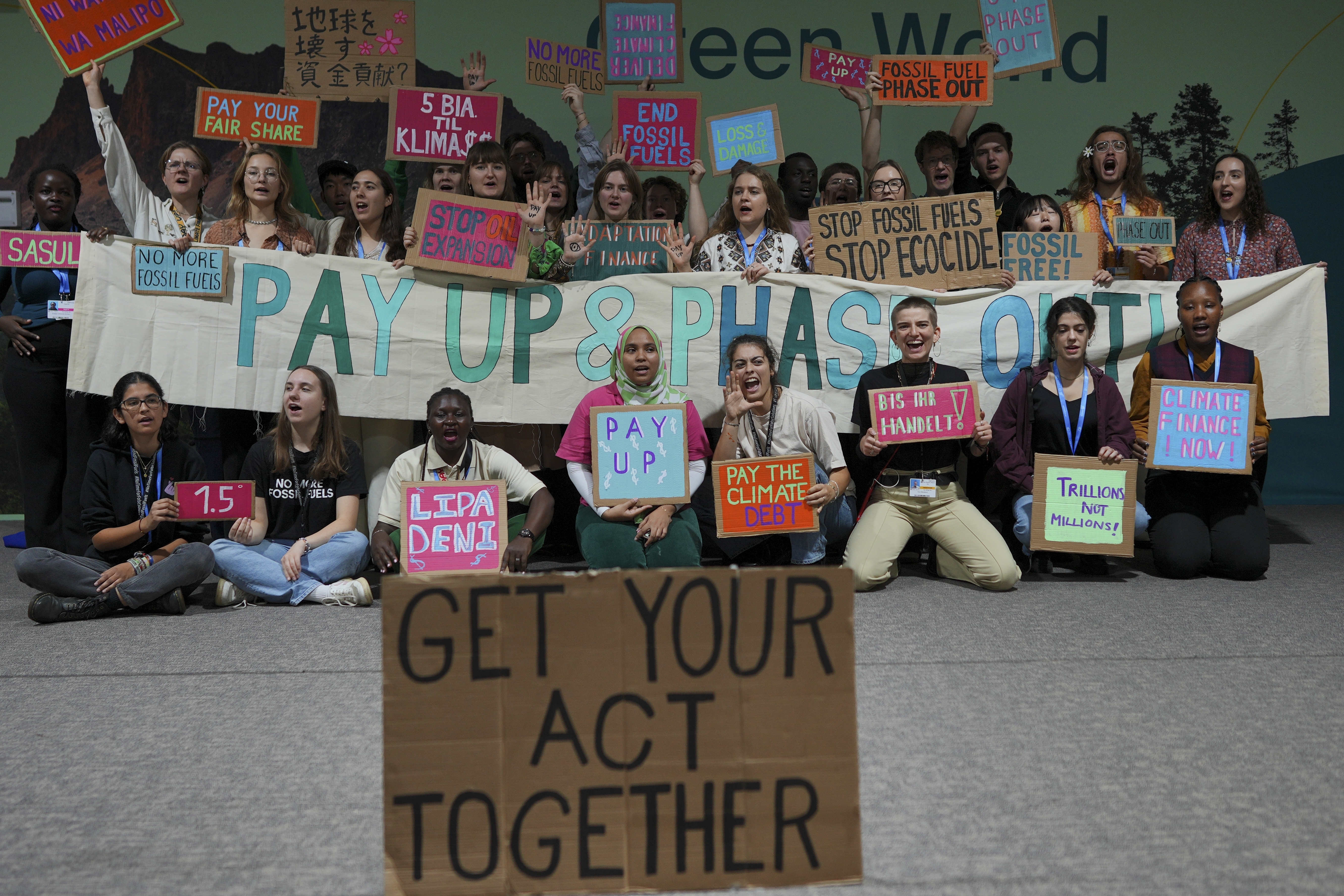
The COP29 climate summit in Baku concluded with a contentious agreement for developed nations to provide at least $300 billion annually by 2035 to help poorer countries transition from fossil fuels. The deal, criticized as insufficient by developing nations, reflects geopolitical tensions and the looming return of Donald Trump to the U.S. presidency. The agreement also includes rules for global carbon markets and involves contributions from emerging economies like China. Despite the funding shortfall, the deal marks a step towards addressing climate finance needs.
The COP29 climate summit highlighted the uncertainty surrounding global climate efforts following Donald Trump's return to the U.S. presidency. Despite the Biden administration's attempts to maintain climate commitments, Trump's policies threaten to reverse progress, including exiting the Paris Agreement and reducing climate finance. The summit ended with a call for $300 billion in annual climate finance, deemed insufficient by developing nations. As the U.S. steps back, China is poised to take a leading role in global climate efforts, though its approach remains uncertain.
The COP29 climate talks in Baku extended past their deadline as developed and developing countries clashed over funding a proposed $1 trillion climate fund. Rich nations offered $300 billion annually, far short of the $1.3 trillion needed, with developing countries demanding more grants and low-interest loans to avoid debt. Tensions rose with accusations of obstruction by fossil fuel interests and criticism of the host country, Azerbaijan. Despite challenges, there was hope for a deal prioritizing vulnerable communities' needs.
At the COP29 climate summit in Baku, a draft agreement proposes that wealthy countries, including the U.S. and EU, provide $250 billion annually in climate finance to developing nations by 2035. This figure is significantly lower than the $1 trillion-plus sought by poorer countries to address climate change impacts. The proposal has sparked criticism from developing nations, who argue the amount is insufficient and unclear, particularly regarding the mix of public and private funding. The draft also suggests that wealthier developing countries like China could contribute voluntarily.
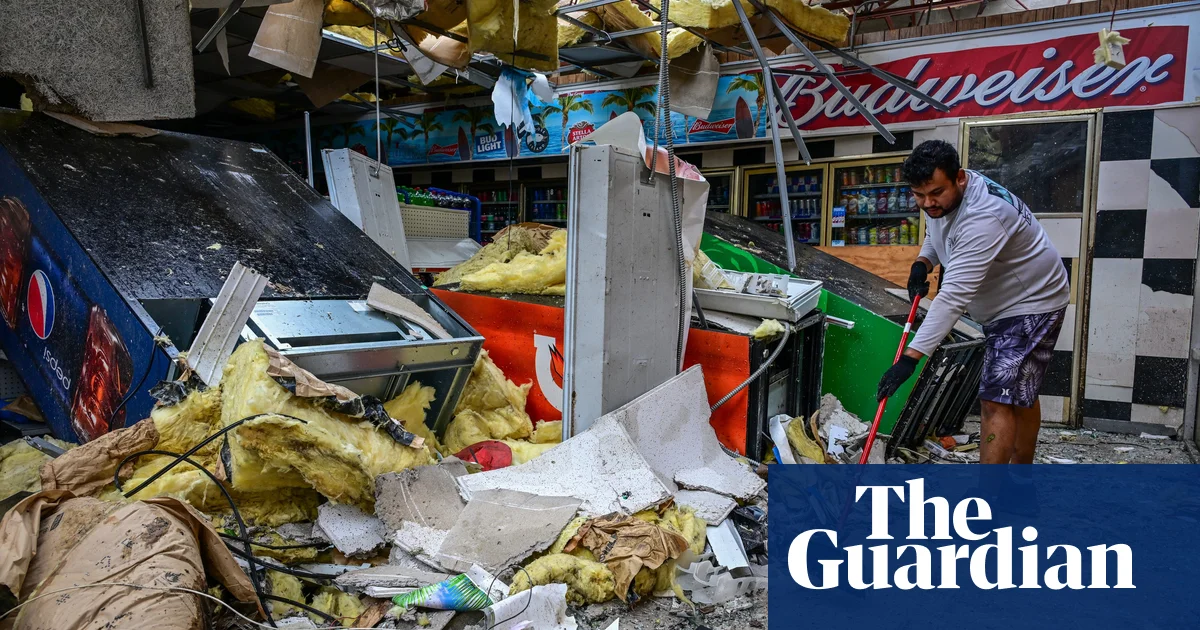
A report reveals that extreme weather events have cost the world $2 trillion over the past decade, with $451 billion in damages occurring in the last two years alone. The findings highlight the immediate economic impact of climate change, as world leaders at the Cop29 climate summit debate financial responsibilities for climate adaptation and mitigation. The US, China, and India experienced the highest economic losses, while small islands faced significant per capita impacts. The report emphasizes the need for urgent financial support to help vulnerable countries adapt to climate challenges.
The upcoming Cop29 summit in Baku faces significant challenges as global carbon emissions continue to rise, with 2024 expected to be the warmest year on record. The re-election of Donald Trump, who has previously dismissed climate change as a "hoax," threatens to undermine international climate efforts, including the Paris Agreement. The summit aims to address climate finance for developing nations, but recent controversies and Trump's stance cast doubt on achieving substantial progress. Despite these hurdles, there is hope that Cop29 can lay groundwork for future climate action.