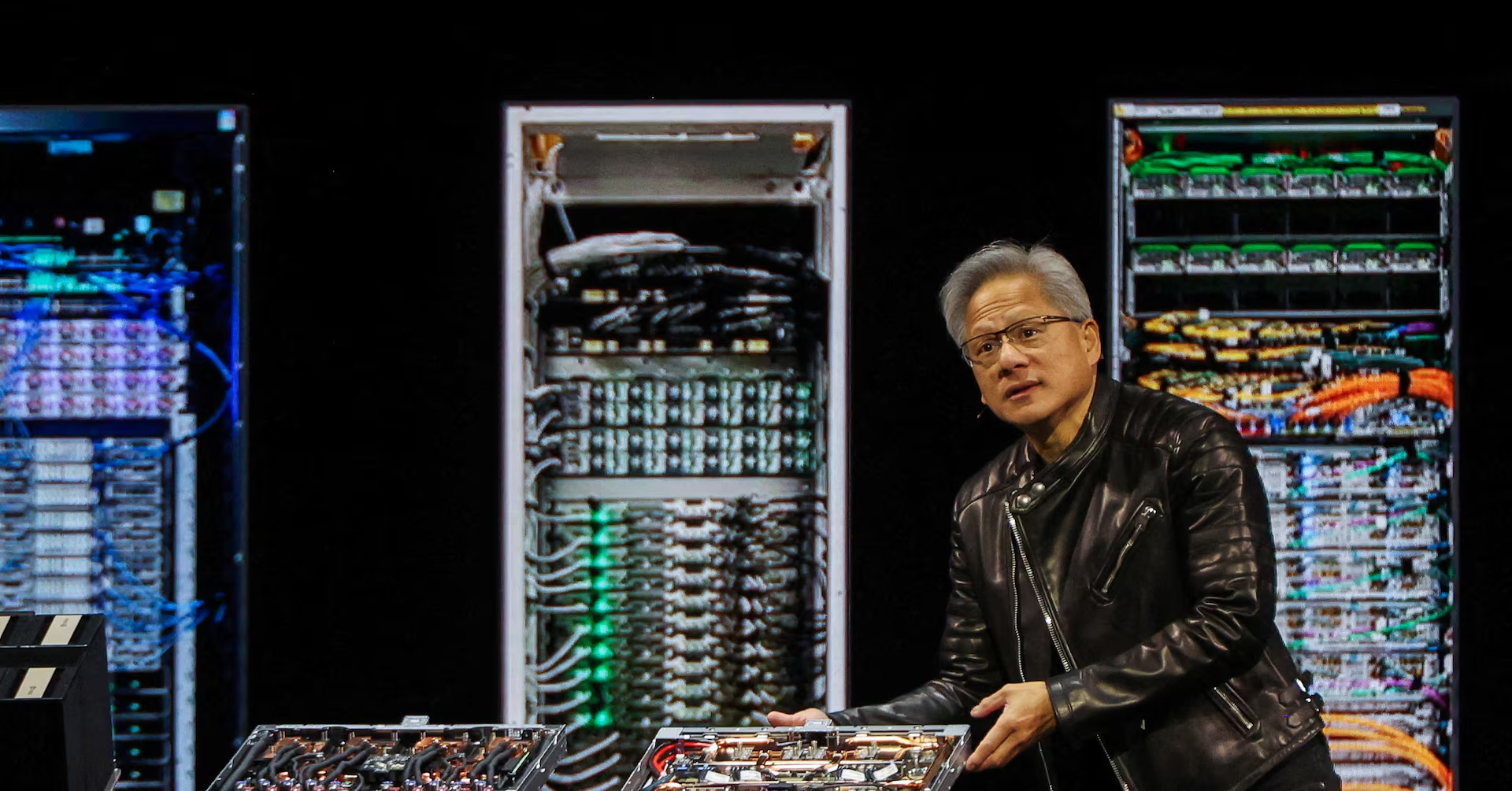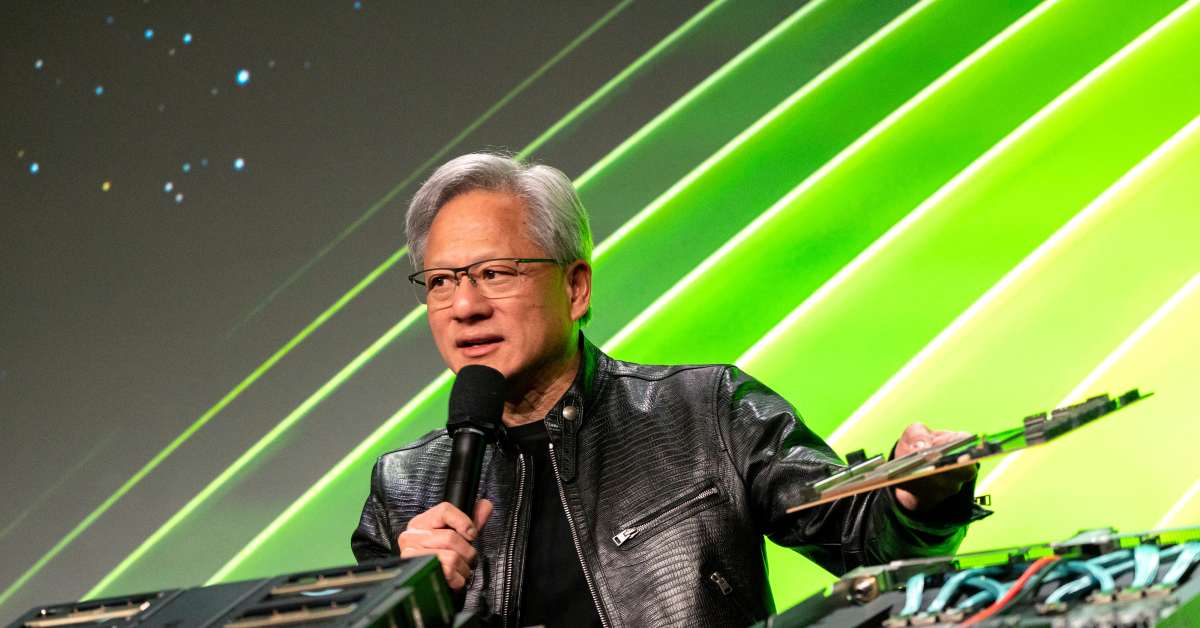
Nvidia is poised for significant growth in 2026 due to high demand for its data center GPUs, expansion of production capacity, return to the Chinese market, and the launch of its next-generation architecture, all of which could lead to its biggest year yet.
The Xiaomi 17 Pro Max features a dual-screen design with a large rear OLED display for widgets and camera use, powered by the new Snapdragon 8 Elite Gen 5 chip and an innovative L-shape 7,500 mAh battery, marking Xiaomi's shift to match iPhone's model numbering and emphasizing high-end hardware for the China market.
LeBron James clarified that a piece published by China's People's Daily was an interview compiled into an article, not an op-ed he authored, amid controversy over his perceived endorsement of Chinese state media and market interests.
Wall Street analysts are optimistic about Nvidia's upcoming quarterly report, raising price targets due to strong demand for AI chips and data center investments, despite concerns over a potential AI stock bubble and geopolitical challenges in China. Nvidia's stock has recently risen, supported by positive forecasts and strategic developments, with analysts emphasizing the company's significant role in the AI revolution.
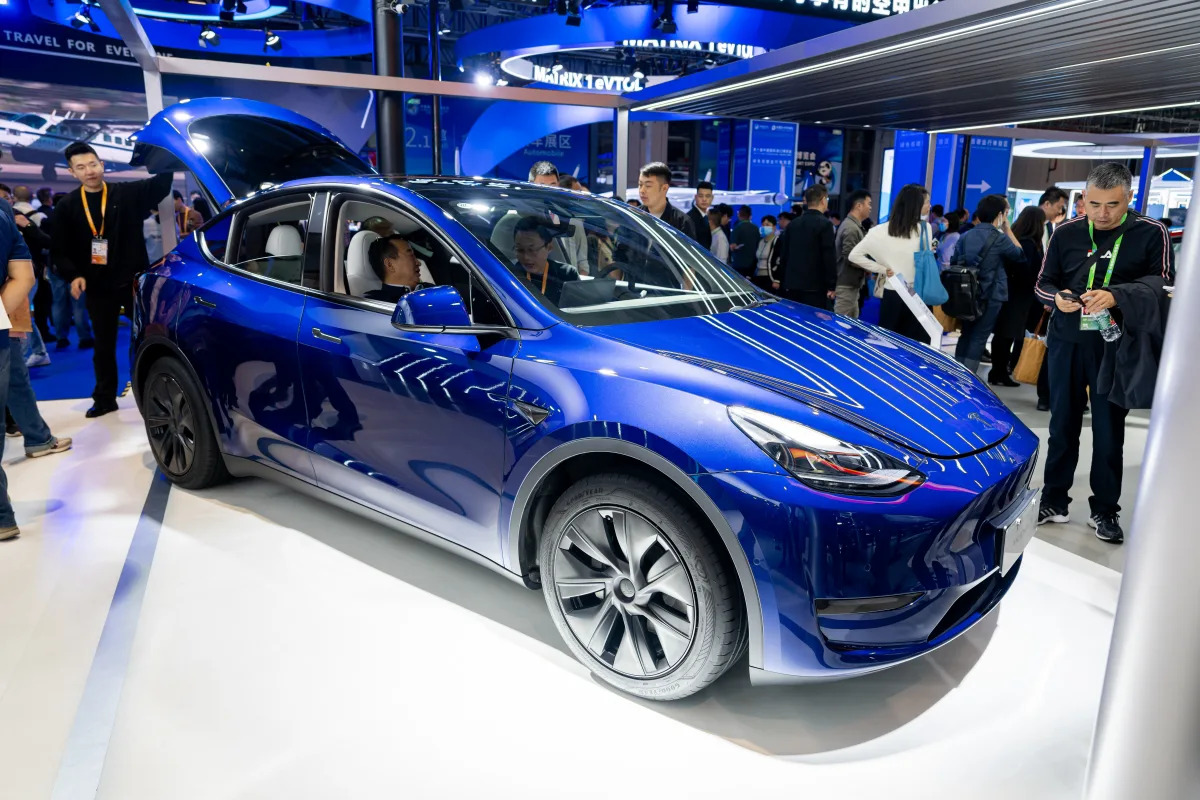
Xpeng has launched the G7, a competitively priced electric SUV in China starting at $27,000, aiming to rival the Tesla Model Y with impressive specs, advanced features, and strong pre-order demand, signaling increased competition in China's electric crossover market.
Nvidia is set to launch a more affordable Blackwell-architecture AI chip for China, priced between $6,500 and $8,000, using conventional memory and simpler manufacturing, as a response to US export restrictions that limit its market share and product capabilities in China. The new chip aims to maintain Nvidia's competitiveness despite weaker specifications and is expected to begin mass production as early as June.
Nvidia is preparing to report its Q1 earnings, with revenue expected to slow significantly compared to last year, amid ongoing export restrictions and market challenges in China. Despite strong growth in AI hardware, analysts warn of potential guidance disappointments, though the stock remains a top pick due to its leverage in the AI deployment cycle.
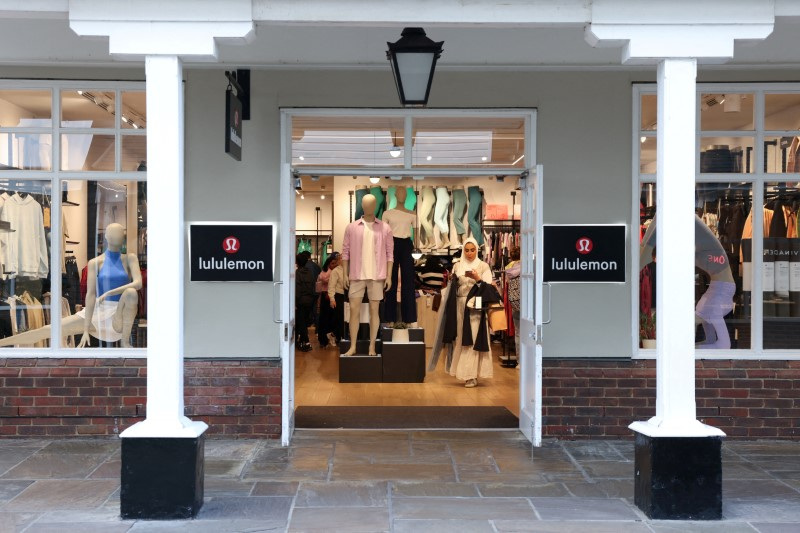
Lululemon Athletica's shares surged by about 17% following an optimistic annual forecast and strong quarterly results, driven by refreshed clothing lines and targeted marketing in China. The company's performance has led to increased price targets from at least 17 brokerages, with Stifel setting the highest target at $438. Lululemon's positive outlook for the holiday season aligns with other retailers like Victoria's Secret and Ulta Beauty, which also reported strong results. Despite a challenging year, Lululemon's loyal customer base and strategic initiatives have bolstered investor confidence.
The luxury goods market is experiencing a slowdown, with 50 million consumers ceasing to buy high-end brands like Dior and Burberry due to broken promises and high prices without corresponding value. Only a third of luxury brands are expected to see growth this year, prompting calls for reinvention to meet Gen Z expectations. The decline is partly attributed to economic factors, including inflation and reduced spending in China, a key market. However, sectors like travel and fine dining are seeing modest growth, with a potential recovery anticipated by late 2025.
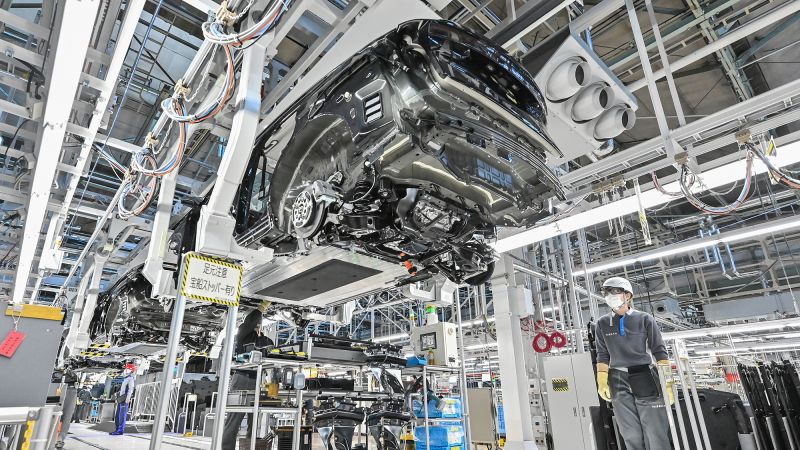
Nissan shares fell 6% after the company announced plans to cut 9,000 jobs and reduce manufacturing capacity by 20% due to declining sales in China and the US. The automaker also slashed its full-year operating profit forecast by 70% and aims to cut costs by $2.61 billion. Nissan faces challenges from domestic competitors in China and a lack of hybrid models in the US. The restructuring is part of ongoing efforts to revitalize the company following past leadership issues and a weakened partnership with Renault.
Burberry has replaced its CEO Jonathan Akeroyd with Joshua Schulman, former boss of Michael Kors, amid a significant drop in sales, particularly in China. The company is considering job cuts and has suspended dividend payments to save cash. Burberry's sales fell 21% in the last quarter, and the luxury market remains challenging. The new leadership aims to return to the brand's core image and improve performance in the second half of the year.
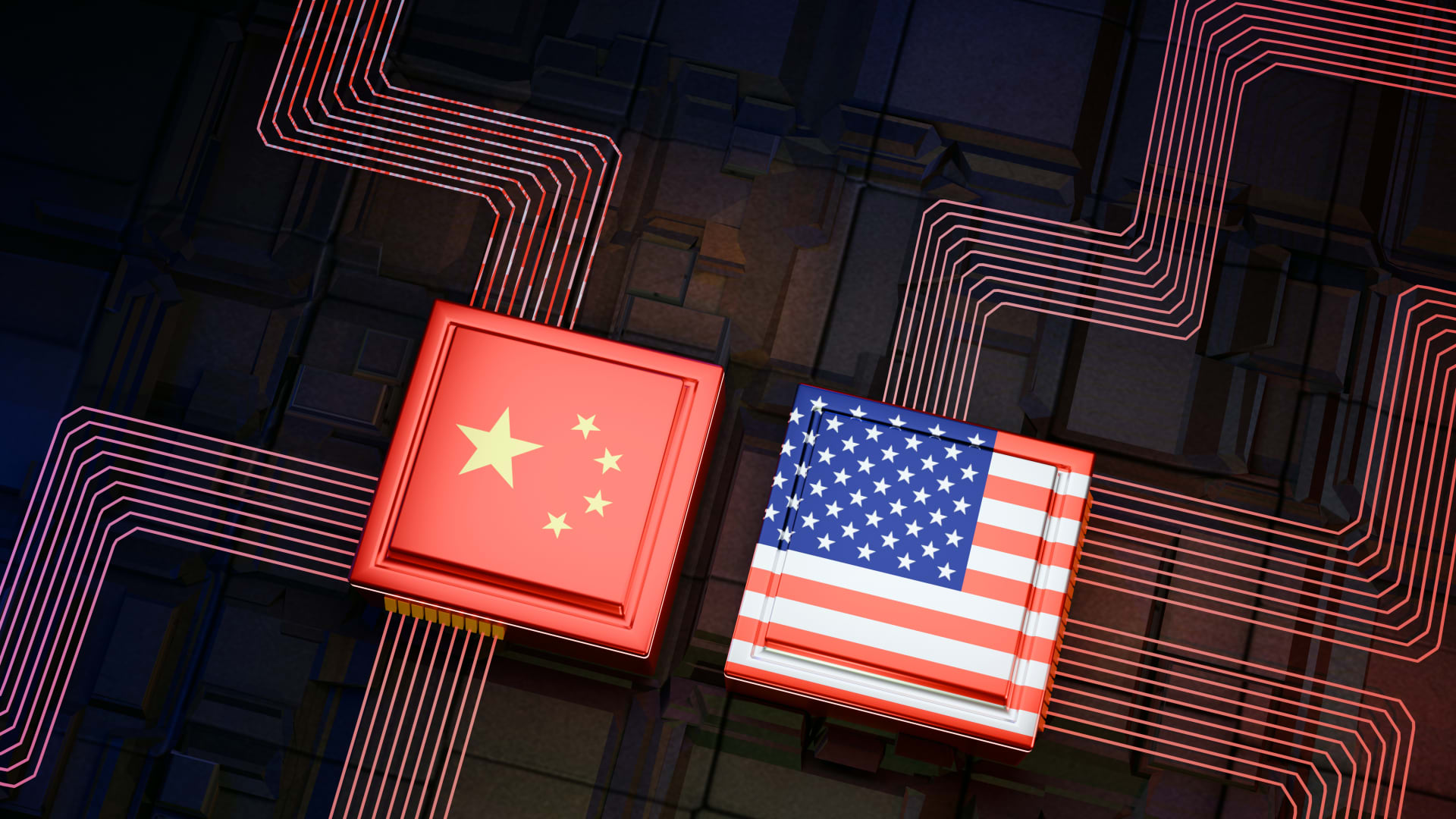
Despite escalating tensions between the US and China, American chipmakers continue to rely on the Chinese market for significant revenue, with companies like Intel, Broadcom, Qualcomm, and Marvell Technology generating more income from China than the US. The US has imposed export controls to limit China's access to advanced chip technology, particularly in AI applications, but American chipmakers have navigated these restrictions by modifying products for the Chinese market. Meanwhile, China is investing heavily in its domestic semiconductor industry and encouraging its firms to buy locally made chips, posing potential market share concerns for foreign companies.
Tesla has increased prices for its Model Y SUV in the US and China, following incentives offered in the first quarter. This move comes as rivals like NIO and XPeng are cutting prices and offering incentives to boost demand. Analysts are concerned about Tesla's Q1 delivery figures, with expectations of a 6% drop in deliveries compared to the previous quarter. The Chinese market is particularly challenging for Tesla due to rising competition and a price war, leading to sluggish growth and margin compression.
Wedbush Securities has lowered its price target on Tesla stock ahead of its Q1 earnings release, anticipating a "brutal" quarter with demand slowdown and margin headwinds. Managing Director Dan Ives highlights challenges in China's electric vehicle market and emphasizes the need for Tesla to reevaluate its strategy to improve margins. He suggests clear communication on margins, strategic targets for AI initiatives, and urges Elon Musk to provide stability by halting threats to leave the company, as this quarter is expected to shake investor confidence.
Tesla is reportedly reducing production output at its Giga Shanghai plant for the Model 3 and Model Y in response to the competitive and diverse electric vehicle market in China. The company aims to align production with demand and is adjusting work schedules accordingly. With increasing competition and consumer focus on affordability, Tesla is working on a next-generation platform to lower vehicle costs, but expects a slower growth rate until the introduction of the new EV in late 2025. Despite previously raising Giga Shanghai's annual capacity estimate, recent figures show a decrease in insurance registrations year-over-year.