
Unveiling the Link Between Human Altriciality and Postnatal Brain Growth
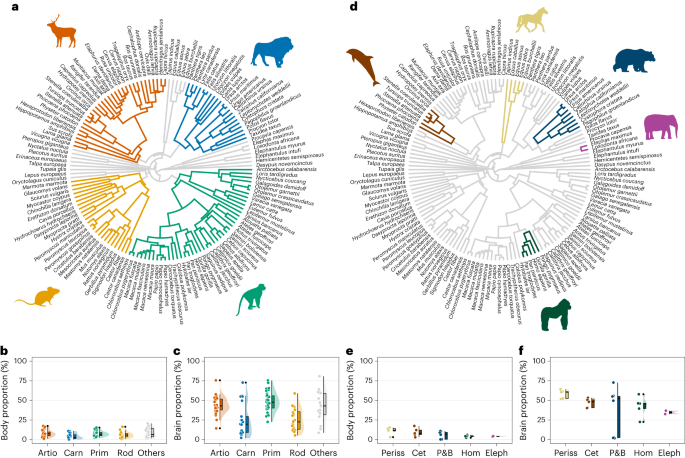
A study explores the evolution of human altriciality (helplessness at birth) and brain development in comparison to other primates and mammals. Human newborns are considered altricial due to their underdeveloped state at birth, which is associated with increased brain plasticity and learning capacities. The study finds that humans have a higher rate of brain size altriciality compared to other mammals, particularly within the primate order. Humans also show a unique scaling relationship between neonatal and adult brain size. The findings suggest that human altriciality and brain development have evolved in a distinct manner, potentially contributing to enhanced cognitive abilities and cultural transmission.