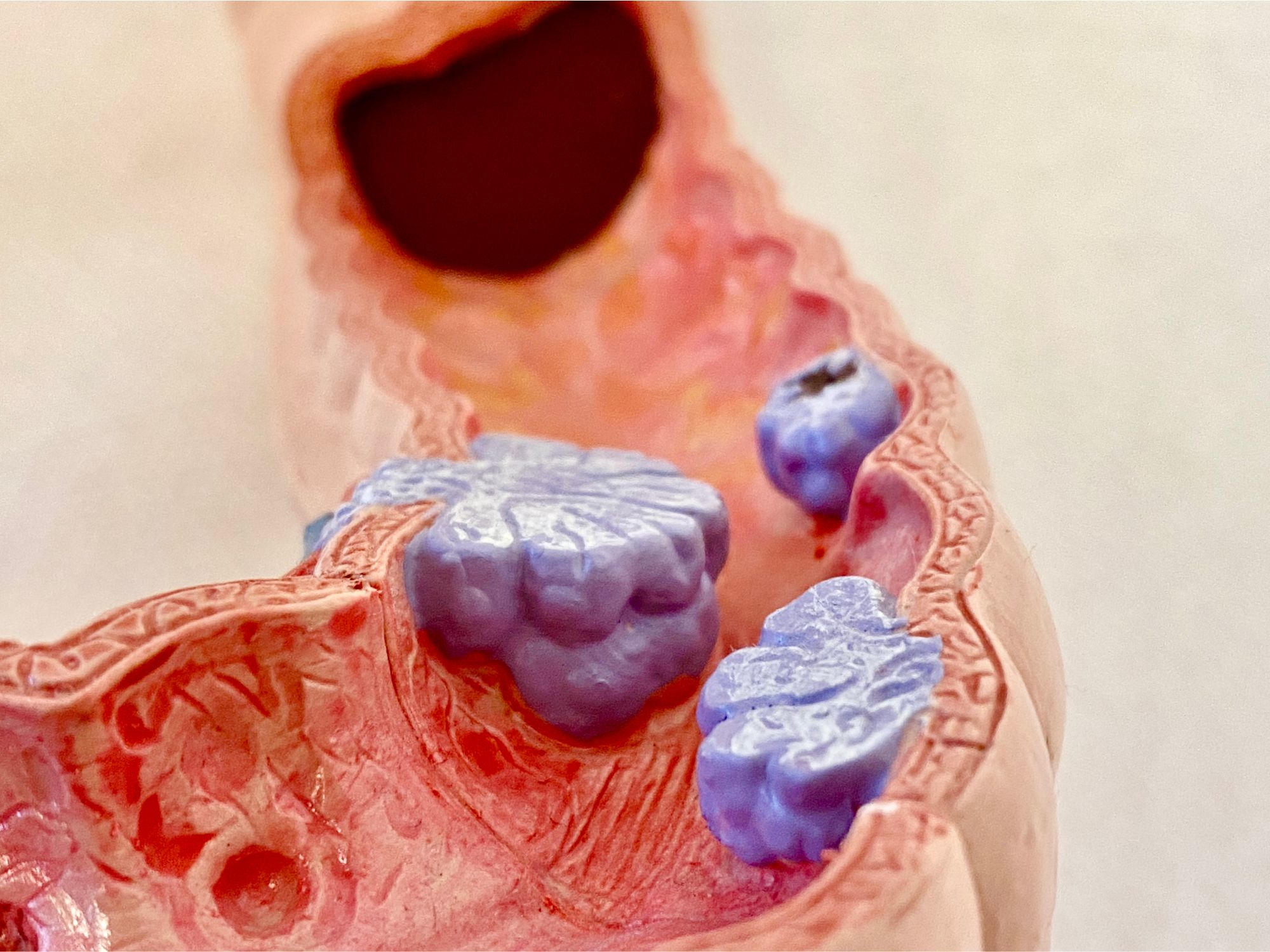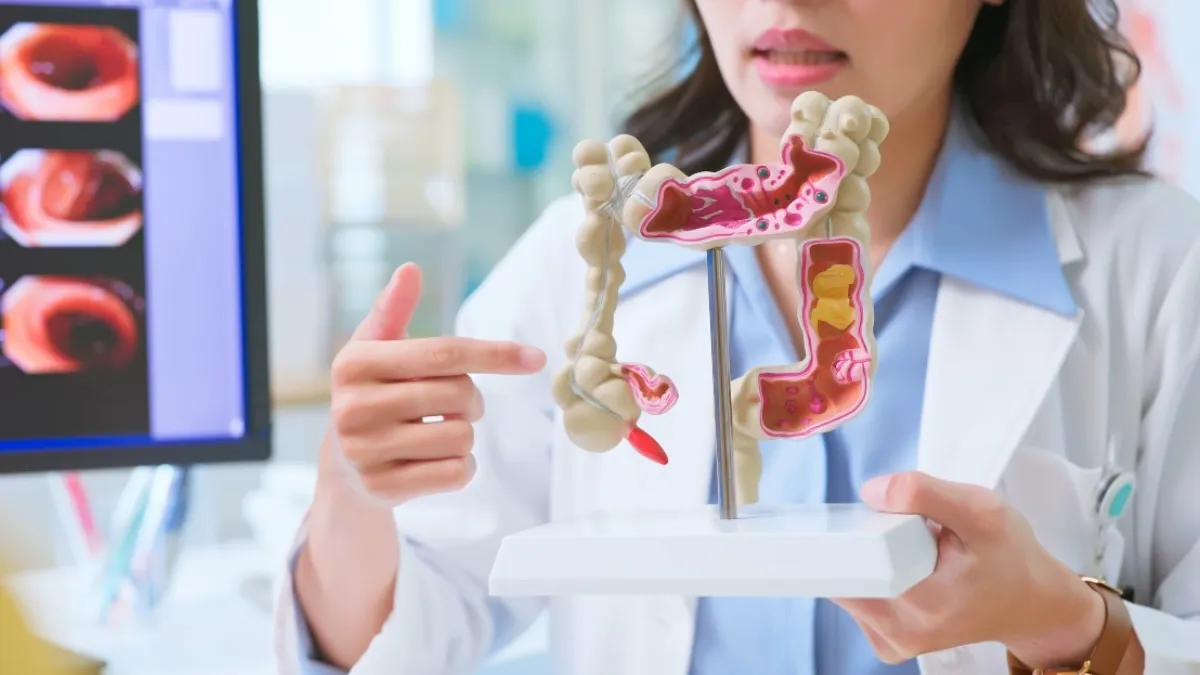
Colon polyps are common, usually symptomless growths in the colon that can sometimes develop into cancer. Screening via colonoscopy is crucial for early detection and removal, significantly reducing colorectal cancer risk. Symptoms like bleeding or changes in bowel habits should prompt medical evaluation, especially after age 45 or with risk factors. Lifestyle changes and alternative screening methods can help lower risk, but regular screening remains the most effective prevention.

A Harvard study highlighted by Dr. Wendi LeBrett emphasizes avoiding 14 specific ultra-processed foods, such as cookies, candy, chips, and processed meats, to reduce the risk of colon polyps and subsequent colon cancer, especially in younger women.
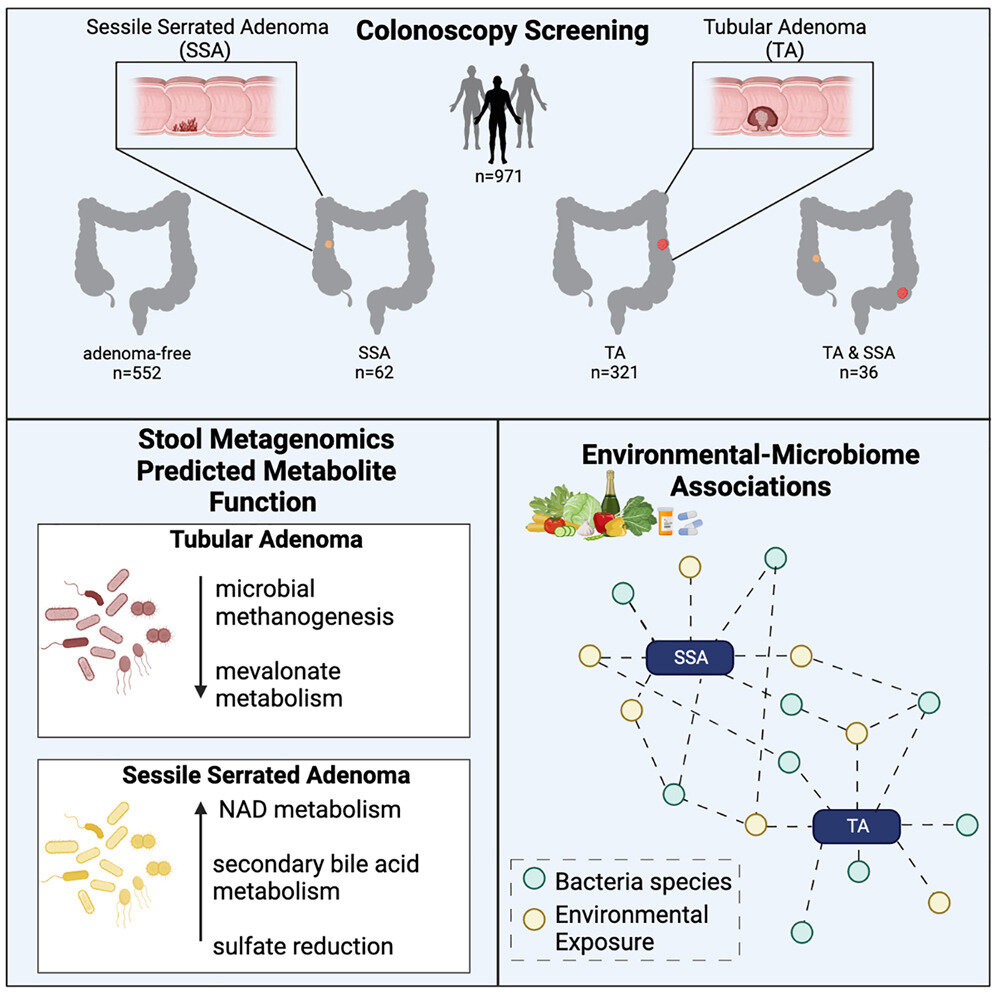
Researchers from Mass General Brigham have established a connection between specific gut bacteria and the formation of precancerous polyps in the colon. The study analyzed the differences in the gut microbial signature of people without colon polyps, with tubular adenomas, or with sessile serrated adenomas. The hope is that by changing specific aspects of the diet or the microbiome, we can alter the natural history of these polyps, ultimately preventing colorectal cancer.
A study by Mass General Brigham has found a link between certain types of gut bacteria and the development of precancerous colon polyps. The study analyzed the gut microbial signature of people without colon polyps, with tubular adenomas, or with sessile serrated adenomas and found that bacterial signatures clustered into three groups based on the type and presence of polyps in the colon. The hope is that by changing specific aspects of the diet or the microbiome, interventions to prevent polyp formation or alter their growth patterns may ultimately prevent colorectal cancer.