
Trauma reshapes how children's brains read caregiver cues
TL;DR Summary
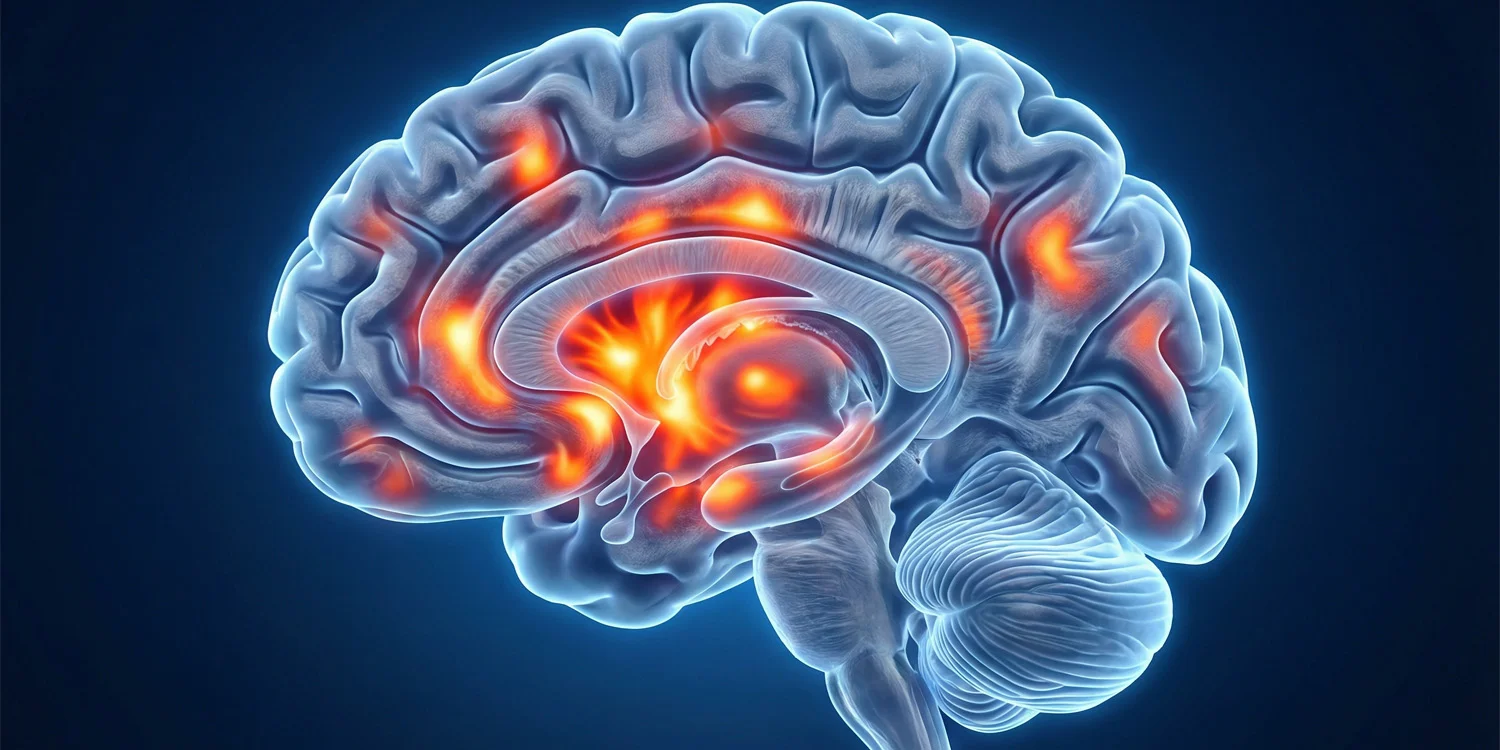
A study of 148 children aged 4–9 found that exposure to threat (abuse, witnessing domestic violence) is linked to greater insula activation when processing a caregiver’s cue, suggesting trauma makes caregiver signals more salient and engages interoceptive processing. Deprivation showed no similar effect, indicating adversities affect brain circuitry in distinct ways. The study used a multimodal fMRI task comparing caregivers to strangers and highlighted cross-sectional limits and the need to explore attachment and long-term mental health outcomes.
Reading Insights
Total Reads
1
Unique Readers
9
Time Saved
28 min
vs 28 min read
Condensed
99%
5,579 → 77 words
Want the full story? Read the original article
Read on PsyPost