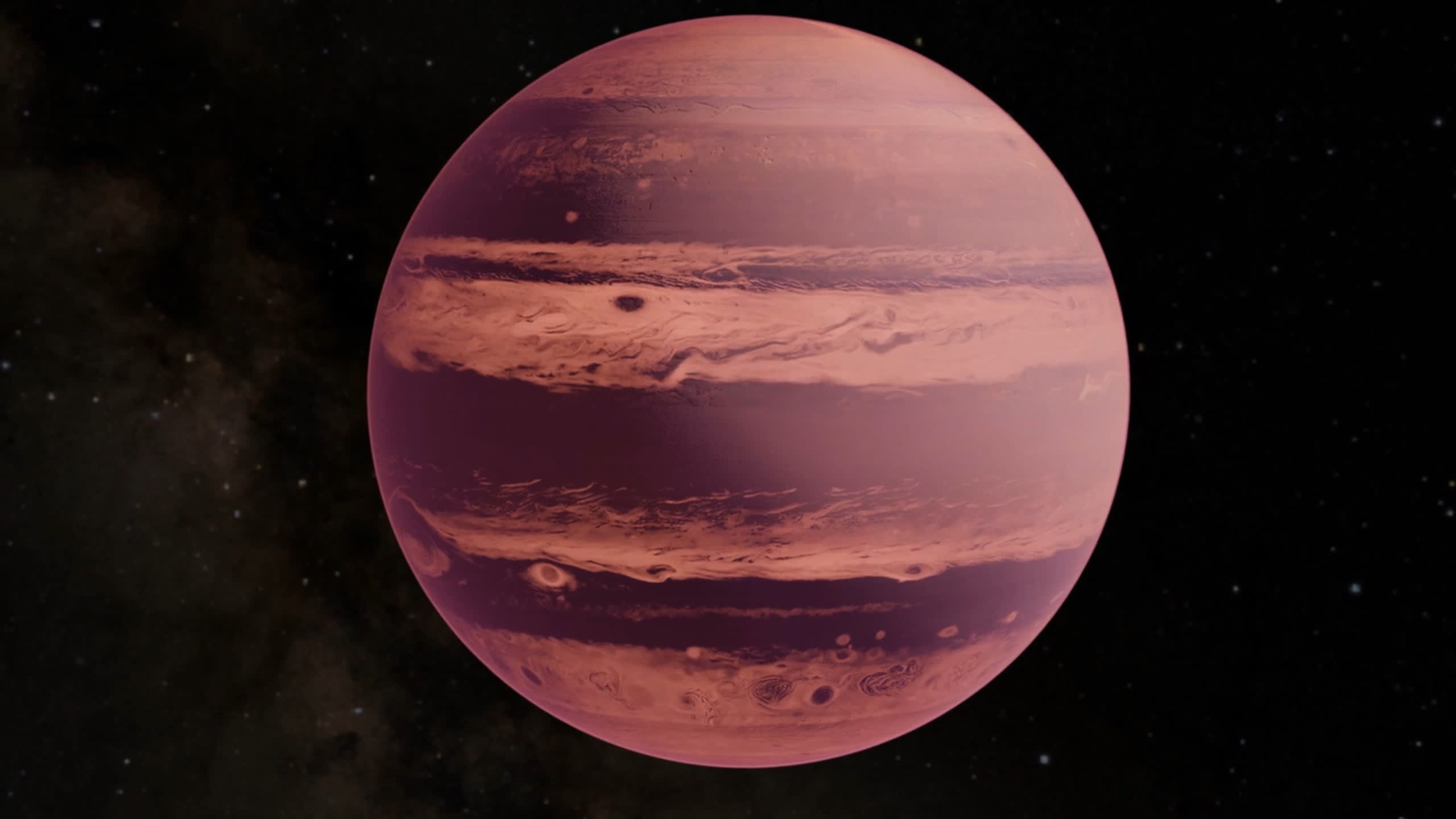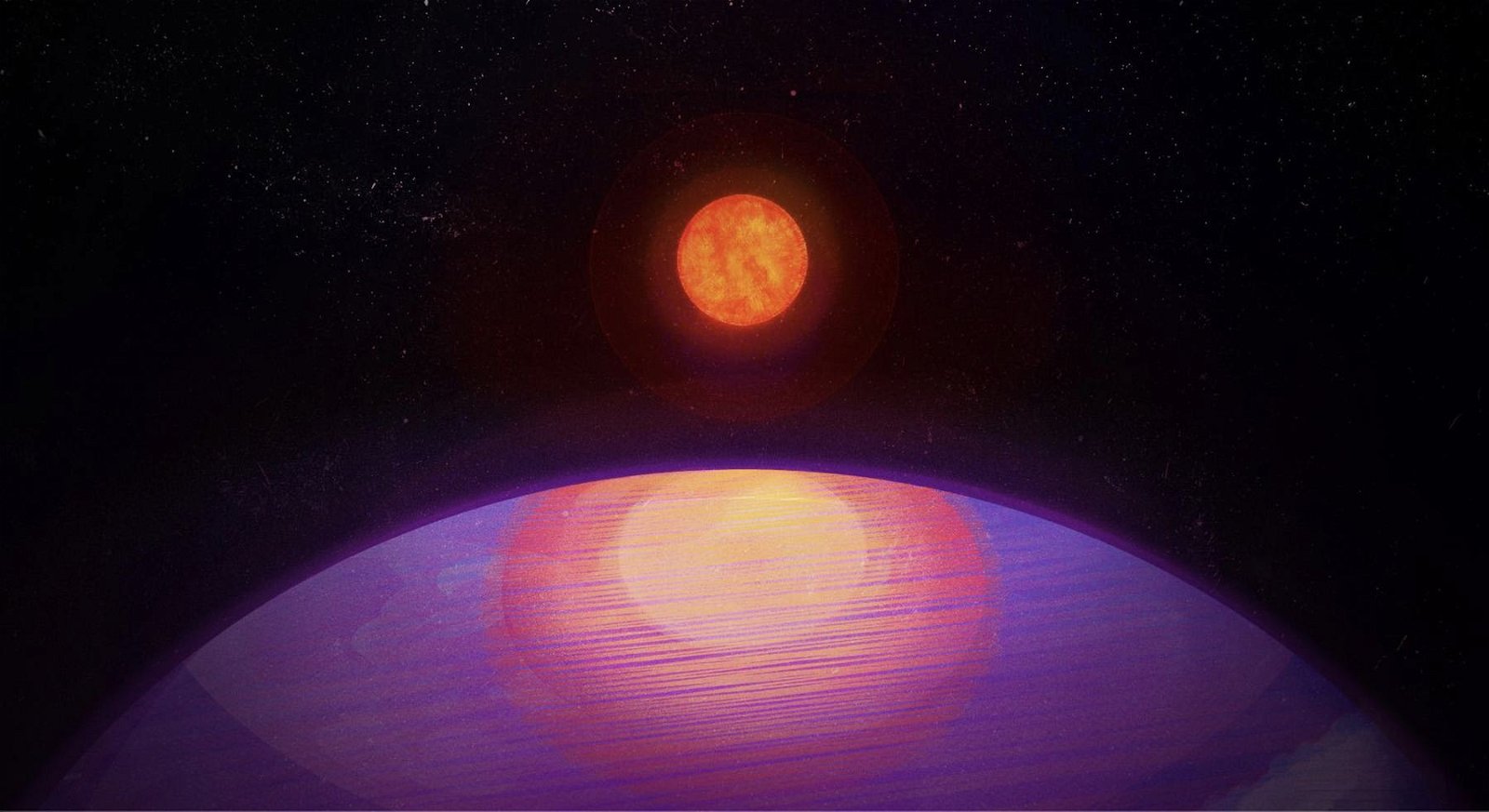
Astronomers at Penn State University have discovered a planet, LHS 3154b, that is more than 13 times the size of Earth and orbits an ultracool dwarf star, challenging existing theories on planetary formation. The planet's mass ratio to its host star is greater than 100 times that of Earth and the Sun, making it the largest planet ever discovered orbiting an ultracool dwarf star. The discovery was made using the Habitable Zone Planet Finder (HPF), a specialized spectrograph developed by the researchers. The finding raises questions about how planets and stars form and highlights the limitations of current understanding in the field.
Scientists have discovered a Neptune-sized planet, named LHS 3154b, that is 13 times the mass of Earth and orbits a tiny ultracool star. This finding challenges current theories of planet formation, as the dust disk around the star does not seem large enough to have created a planet of this size. The discovery was made using the Habitable Zone Planet Finder, raising new questions about our understanding of the universe.
Scientists have discovered an exoplanet, LHS 3154b, that appears to be too large for its host star, an ultracool dwarf star. The planet's mass is at least 13.2 times that of Earth, contradicting previous theories about planet formation around low-mass stars. The discovery was made using the Habitable Zone Planet Finder (HPF), which is designed to detect planets orbiting cool stars. Computer simulations confirmed that the planet's mass ratio is unexpected for its system, suggesting that the protoplanetary disk must have been 10 times more massive than anticipated. The rarity of such celestial objects makes LHS 3154b an exceptional test case for planet formation theories.
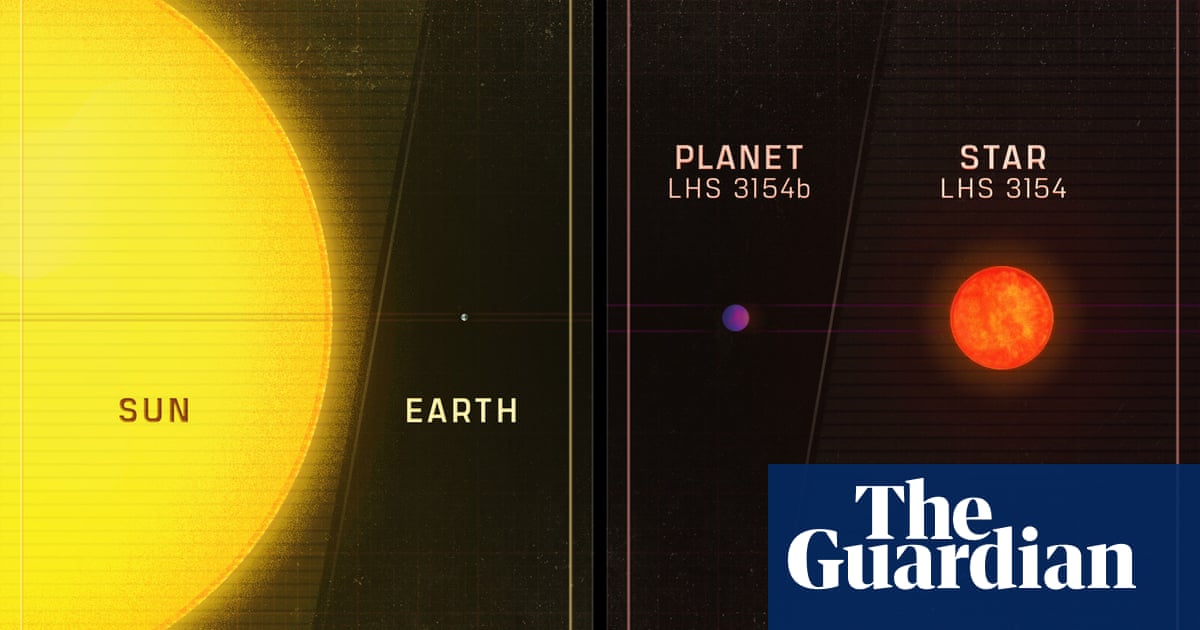
Astronomers have discovered an "overweight" planet, 13 times larger than Earth, orbiting a star called LHS 3154, which is nine times smaller than the sun. The planet's size in relation to its small host star challenges current theories of planet formation. The discovery was made using the Habitable Zone Planet Finder instrument, designed to detect planets capable of having liquid water on their surfaces. The finding suggests that planetary disks may contain more dust than previously thought, prompting a reexamination of our understanding of how planets and stars form.