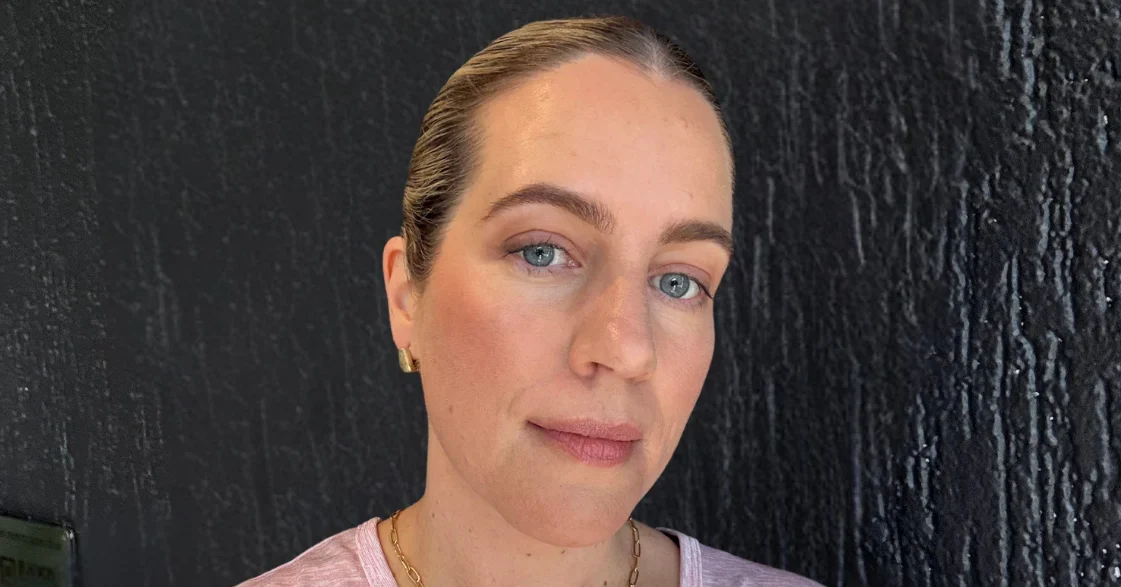
A woman shares her experience of being diagnosed with Inattentive ADHD at age 42, highlighting the misconceptions, her struggles before diagnosis, the relief of understanding her condition, and practical tips for managing ADHD, emphasizing that late diagnosis can be life-changing and that ADHD is often under-recognized in women.
A recent CDC report highlights that over 15 million U.S. adults have been diagnosed with ADHD, yet many face challenges in accessing treatment. Clinical psychologist Maggie Sibley discusses these barriers with Ali Rogin, emphasizing the need for improved healthcare access for adults with ADHD.
ADHD, often diagnosed in childhood, can be underdiagnosed in adults, especially women and people of color. Actress Busy Philipps' recent diagnosis highlights this issue. Adult ADHD symptoms differ from children's, focusing more on inattention and organization. Diagnosis involves detailed evaluations, and treatment can include medications and cognitive behavioral therapy. Proper diagnosis and treatment can significantly improve life quality.
Recent studies suggest a rise in adult ADHD diagnoses, with current figures indicating that 6.8% of adults worldwide are affected, up from 4.4% in 2003. This increase may be partly due to greater awareness and previously missed diagnoses, but researchers are also investigating the impact of technology use on attention spans. Excessive use of digital media has been linked to a higher risk of developing ADHD symptoms, and experts suggest that constant technological stimulation and multitasking may contribute to attention deficits. While ADHD is a neurodevelopmental disorder with genetic roots, environmental factors like technology use and hormonal changes are also being considered. Proper diagnosis and treatment, which can include medication and cognitive behavioral therapy, are crucial for managing ADHD in adults.